Kimono Basics
What Is a Haori? Meaning, History & How to Wear One
⚡ Réponse rapide
A haori is a traditional Japanese hip-length jacket worn open over a kimono. Originally a symbol of status for samurai, it has evolved into a versatile layering piece. Today, it serves as a lightweight, open-front garment that adds a sophisticated, structured aesthetic to both traditional and contemporary outfits.
Origins and History
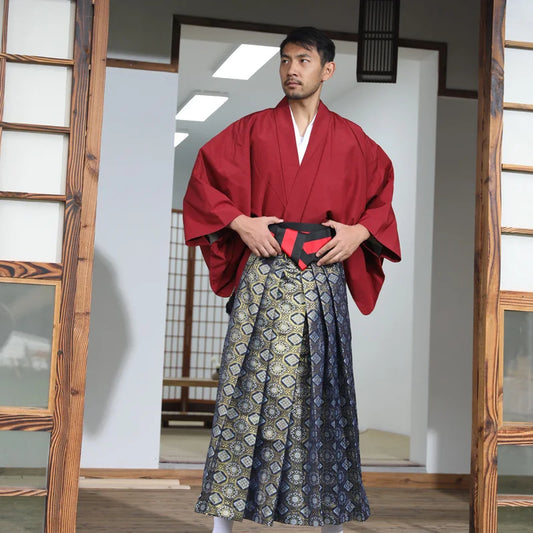
To understand what is a haori, one must look back to the Sengoku period in Japan. Initially designed as a protective, sleeveless coat for samurai, the garment was worn over armor to provide warmth and identification during battle. By the Edo period, the design evolved into a formal jacket with sleeves, becoming a status symbol among the merchant class and the aristocracy.
While commoners were initially restricted from wearing elaborate colors, the haori eventually became a staple of formal attire for men. It was often decorated with family crests known as kamon, signaling heritage and social standing. Over the centuries, it transitioned from a strictly formal piece to a flexible layer that reflects the artistic soul of Japanese textile heritage.
Today, the haori is celebrated for its clean lines and minimalist silhouette. Unlike a full kimono, it does not require complex tying techniques, making it an accessible entry point for those wanting to incorporate Japanese aesthetics into their daily wardrobe. Whether you choose a Haori piece or a contemporary design, you are wearing a fragment of history.

Anatomy of a Haori
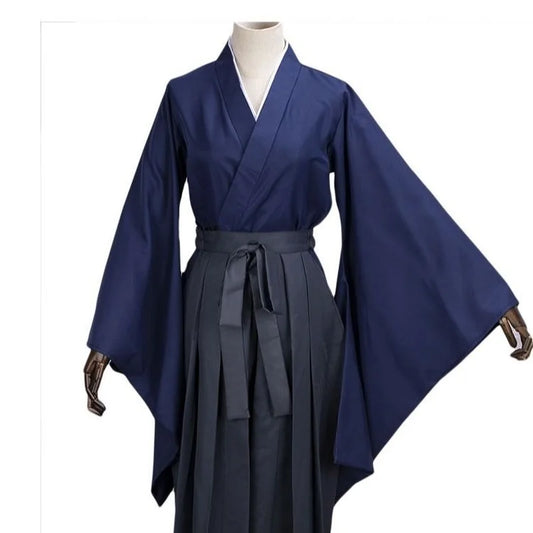
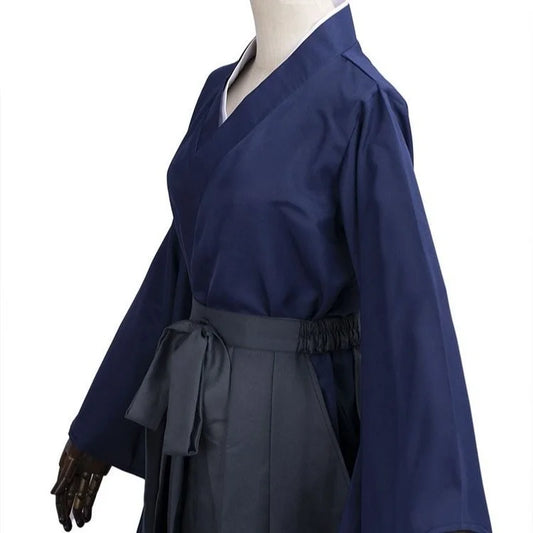
The structure of a haori is distinct from other Japanese garments. It is defined by its open-front design, intended to be worn without a belt, and its length, which typically hits around the hips or mid-thigh. The sleeves are often slightly shorter than those of a Traditional Kimono, allowing for ease of movement.
Key features include the haori-himo, the braided cords used to fasten the jacket at the center. While modern versions often omit these for a more casual look, the traditional construction remains a hallmark of authentic craftsmanship. The fabric choice, ranging from fine silk to breathable cotton, dictates the formality and the seasonal suitability of the piece.
100%
Cotton Options
80$
Free Shipping
15+
Styles
How to Style a Haori
Styling a Haori Jacket is all about contrast and balance. For a contemporary look, pair your jacket with slim-fit trousers or jeans and a basic white t-shirt. The structured drape of the haori acts as a refined "third piece," elevating a simple outfit instantly. Because it is lightweight, it works perfectly as a transitional layer during spring and autumn.
If you prefer a more authentic ensemble, you can layer it over a Yukata or a simple dress. The key is to keep the under-layers relatively fitted to avoid adding too much bulk under the loose, flowing structure of the haori. Many enthusiasts also use the haori as a statement piece in a streetwear-inspired outfit, mixing the traditional cut with modern sneakers and accessories.
Layering Expert Tip
For a balanced silhouette, ensure the length of your sleeves under the haori is shorter than the jacket's sleeves. This prevents the fabric from bunching and maintains the clean lines of the garment.
Modern Haori Trends
The resurgence of the haori in global fashion is largely due to its gender-neutral appeal and comfort. We are seeing a move away from stiff, ceremonial fabrics toward softer, everyday materials like linen and lightweight cotton. This shift has made the Japanese Haori a favorite for artists, creatives, and fashion-forward individuals seeking a unique signature look.
Designs now incorporate modern patterns, from minimalist geometric prints to bold, artistic motifs. While vintage pieces hold a special place for collectors, modern iterations offer better durability and machine-washability, making them practical for the modern lifestyle. Whether you prefer a subtle look or a vibrant statement piece, there is a design for every personality.
The versatility of these jackets allows them to transition seamlessly from a casual coffee shop visit to a more formal evening event. By layering a high-quality piece over monochromatic clothing, you create an intentional, curated aesthetic that draws attention without being overwhelming.

Caring for Your Garment
Preserving the longevity of your haori requires mindful care. If your jacket is made of delicate silk, professional dry cleaning is highly recommended to maintain the integrity of the fibers and the vibrancy of any prints. For cotton or linen blends, gentle hand-washing in cool water is usually sufficient to keep the fabric fresh.
Always store your jacket hanging on a padded hanger to prevent shoulder distortion or creases. Keep it away from direct sunlight for extended periods to avoid color fading. If you own a White Haori, pay special attention to storage, using a breathable garment bag to protect it from dust and potential discoloration over time.
Storage Secret
Avoid wire hangers, which can cause the fabric to sag or tear. Use wide, wooden or padded hangers to distribute the weight of the fabric evenly across the shoulders.
Choosing the Right Fit
Selecting the right size is essential for achieving the intended drape. A haori is designed to sit loosely on the shoulders, with the front panels hanging straight down. It should never feel restrictive in the chest. When shopping, look at the sleeve width and the overall length to ensure it complements your frame.
If you are unsure of your size, consider that traditional Japanese garments are inherently adjustable. However, for a modern, fitted look, paying attention to the shoulder seam position is helpful. A slightly dropped shoulder is standard and contributes to the relaxed, authentic vibe of the garment.
The beauty of the haori lies in its simplicity; it is a garment that honors the wearer's movement while providing a canvas for personal expression.Traditional Textile Artisan
Ready to find your perfect Haori?
Explore our curated selection of authentic and modern designs tailored for comfort and style. Elevate your wardrobe today with a piece that blends heritage with modern utility.
Voir la collection →FAQ
Absolutely. The haori is a highly versatile, gender-neutral garment. While historically gender-specific in its styling and usage, modern fashion has embraced the haori as a unisex staple. Its loose, open-front cut is flattering on all body types, making it a popular choice for anyone looking to add a layer of sophistication to their outfit. Whether for men or women, the key is simply selecting a style, fabric, and pattern that resonates with your personal fashion sense.
No, they are distinct items. A kimono is a full-length, robe-like garment that wraps around the body and is secured with an obi sash. A haori is a shorter, hip-length jacket that is worn over the kimono and left open in the front. Think of the kimono as the main dress or base layer, while the haori serves as the outerwear or jacket equivalent in Western clothing. You will rarely wear a haori alone without an undergarment.
No, a haori is specifically designed to be worn open. It does not use a belt or obi. In traditional settings, it might be fastened with two small cords called haori-himo, but it is never wrapped or belted like a kimono. Wearing it open is part of its signature style, allowing the garment to drape naturally and show off the layers worn underneath.
Yes, the haori is increasingly popular in the United States as a stylish, functional piece of outerwear. It works exceptionally well as a casual layer over jeans and a t-shirt or as a sophisticated addition to a professional wardrobe. Its lightweight nature makes it perfect for layering during transitional weather, and its unique aesthetic provides a refreshing alternative to standard cardigans or blazers. You can easily dress it up or down depending on the occasion.
A haori should fit comfortably across the shoulders, typically with a slight drop, and hang straight without pulling at the chest. The sleeves should be wide and comfortable, offering plenty of room for movement. Because it is an open-front garment, it is quite forgiving regarding sizing. Aim for a fit that allows you to move freely without the jacket feeling excessively bulky or slipping off your shoulders. If you are between sizes, opting for the larger size is generally safer for that relaxed, authentic drape.
Tags:
Previous
Types of Kimono: Every Style Explained, From Furisode to Yukata
Next
How to Tie an Obi: Step-by-Step Guide
Related articles
-
Oct 23 2026
Kimono Layering: Combining Traditional & Modern Pieces
-
Oct 23 2026