Modern Kimono Fashion & Styling
Seasonal Kimono Guide: Spring, Summer, Fall & Winter Collections
⚡ Réponse rapide
To master the seasonal kimono rotation, pair lightweight cotton or linen yukata with summer heat, and transition to silk or wool haori jackets for colder months. By layering textures and choosing appropriate weights, you can enjoy traditional and modern kimono styles comfortably throughout all four seasons in the United States.
Spring: Celebrating Renewal with Floral Aesthetics
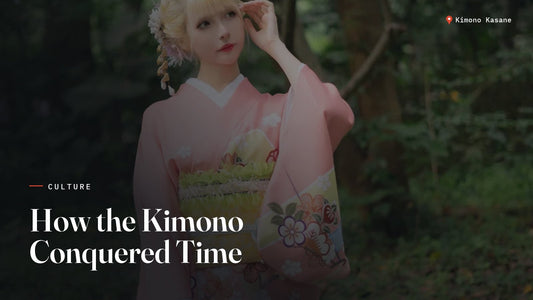
Spring is the season of rejuvenation, making it the perfect time to incorporate lighter, brighter patterns into your wardrobe. In the United States, spring weather can be unpredictable, oscillating between brisk mornings and warm afternoons. Opting for a floral kimono is a timeless way to mirror the blossoming environment.
During this transitional period, functionality is key. Look for mid-weight fabrics that provide a gentle barrier against the wind without causing overheating. Many enthusiasts prefer a haori paired with light layers underneath, allowing for easy adjustment throughout the day. The aesthetic goal is to blend soft pastels or vibrant botanical prints with your existing casual wear.

Summer: Staying Cool with Breathable Fabrics
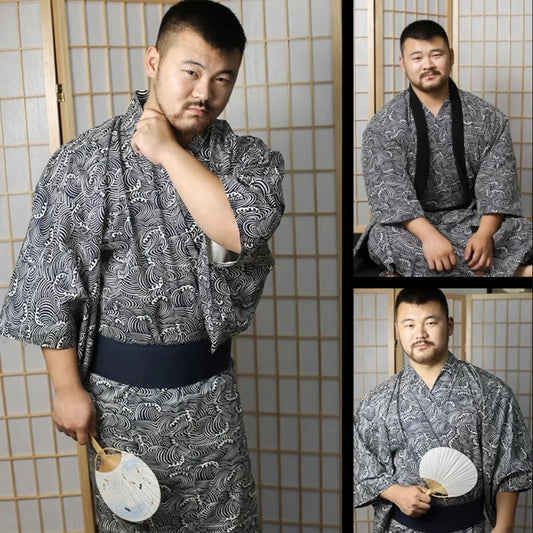
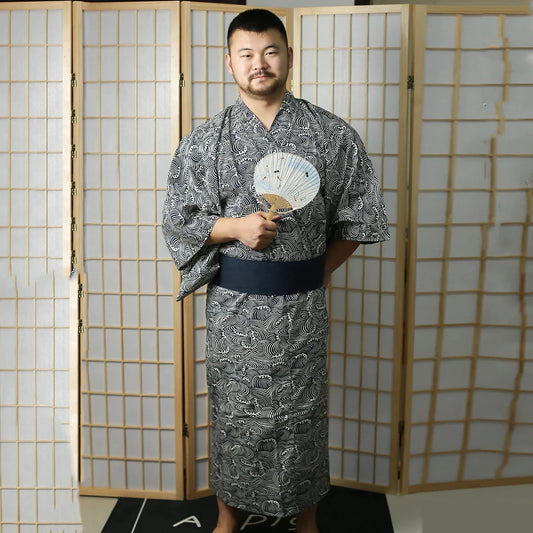
When temperatures rise, comfort becomes the priority. The summer season demands moisture-wicking materials like cotton or linen. Our Summer Kimono collection focuses on loose weaves that allow maximum airflow, keeping you cool during outdoor festivals or coastal walks.
Summer Styling Hack
For high-heat days, opt for a Summer Yukata made from 100% natural cotton. It is lightweight, machine-washable, and offers a relaxed silhouette that transitions easily from the beach to a dinner setting.
Style your outfit with open-toe footwear to maintain a breezy, summer-ready look. Whether you are choosing a Womens Summer Kimono or a more minimalist piece, ensure the sash is tied loosely to avoid trapping heat against your skin.

85%
Breathability rate
100%
Natural fibers
20+
Styles available
Fall: Embracing Warmth and Earthy Layers
As the leaves turn, your wardrobe should pivot toward deeper, richer color palettes. Think burnt oranges, deep ochres, and forest greens. Fall is the ideal time to experiment with textures. Layering a heavier Kimono Jacket over a turtleneck or a long-sleeve tee creates a sophisticated, modern silhouette.
The versatility of autumn styling lies in the combination of weight and color. A silk kimono serves as an excellent layering piece for evening events, providing warmth without the bulk of a heavy coat. Focus on earth tones to align with the changing landscape, creating a cohesive look that is both traditional and fashion-forward.
Winter: Sophisticated Layering for Cold Climates
Winter does not mean you have to pack away your favorite pieces. The trick is professional layering. Use your kimono as a statement outer layer over thermal base garments. A black kimono or a structured jacket can act as a chic alternative to standard winter outerwear.
Winter Care Advice
Be mindful of humidity levels when wearing natural fibers like silk in winter. Use a light steamer to maintain the structure of your garments and always store them in a cool, dry place when not in use.
For a truly authentic winter look, consider accessories that provide warmth without compromising the style of the piece. High-quality wool scarves can be tucked under the collar of a kimono jacket to keep the chill away while maintaining a clean, elegant aesthetic.

Professional Styling Tips for Every Season
To truly master the seasonal transition, you must consider the weight of the fabric and the complexity of the layering. Our experts recommend building a capsule collection that allows for mixing and matching. Use the following guide to ensure you are always dressed appropriately for the local climate.
- Spring: Lightweight floral patterns, layered with light knits.
- Summer: Breathable cotton yukata, loose fits, airy accessories.
- Fall: Earthy tones, silk fabrics, structured jackets.
- Winter: Heavy layered looks, thermal bases, wool accessories.
The Science of Seasonal Material Selection
"The beauty of the kimono lies in its ability to adapt to the wearer. Choose the fabric first, and the season will dictate the rest of the styling."Master Textile Artisan
Understanding materials is the hallmark of a true connoisseur. Silk is temperature-regulating, making it surprisingly effective for both cool autumn evenings and crisp spring mornings. Conversely, cotton remains the gold standard for summer comfort due to its absorbent and breathable properties.
When investing in your collection, prioritize versatility. A piece that can function as a house robe or a street-style jacket offers the most value. By understanding how these fabrics interact with the environment, you ensure your wardrobe remains functional and stylish throughout the year.

Ready to build your seasonal wardrobe?
Explore our curated collections designed for every climate and occasion. Find the perfect fit today with our premium quality fabrics.
Voir la collection →FAQ
Absolutely. The key to wearing a kimono in winter is effective layering. You can wear a thermal base layer or a turtleneck underneath your kimono to provide necessary warmth. Using a heavy outer layer like a wool-blend haori jacket or pairing your kimono with a scarf helps to insulate you against the cold while maintaining the elegant look of the traditional silhouette.
For the summer season, natural fibers such as cotton and linen are the best choices. These materials are highly breathable, moisture-wicking, and lightweight, which helps in preventing overheating during hot weather. Our yukata collection is specifically curated with these materials to ensure you remain cool and comfortable even during the peak of summer temperatures.
To maintain your silk kimono, store it in a cool, dark place, ideally using a breathable garment bag. Avoid direct sunlight which can fade the colors. For maintenance, a gentle steam is often sufficient to remove wrinkles. If professional cleaning is required, ensure you choose a cleaner experienced with delicate natural fibers to prevent damage to the intricate weaves or embroidery.
Yes, the formality of the kimono often depends on the fabric and the occasion. Silk kimonos with elaborate designs are typically reserved for formal events and weddings, while cotton yukata are considered casual attire, perfect for festivals or daily summer wear. However, modern styling allows for a blend of these conventions, letting you adapt your look to the specific setting.
Yes, we provide shipping services across the United States. All orders are processed with tracking, and we offer free shipping on all orders to ensure your new kimono reaches you safely and conveniently. Delivery typically takes between 7 to 16 business days, depending on your location. We take great care in packaging our products to ensure they arrive in pristine condition, ready for you to wear for any seasonal occasion.
Tags:
Previous
Kimono for Different Body Types: Size Guides & Fit Tips
Next
Kimono Fabrics & Materials: Silk, Cotton & Synthetic Options Explained
Related articles
-
Oct 23 2026
Kimono Layering: Combining Traditional & Modern Pieces
-
Oct 23 2026