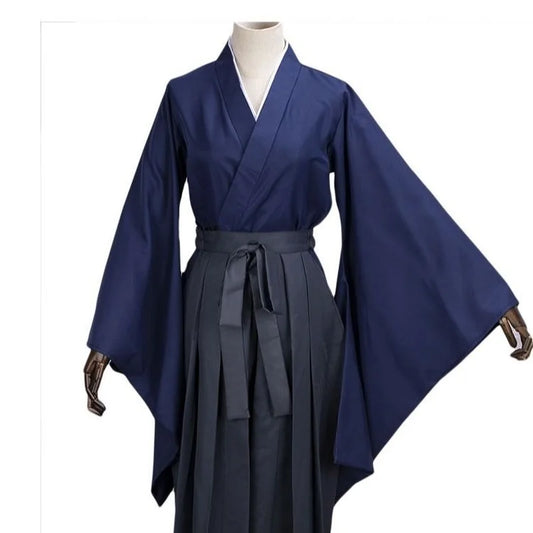
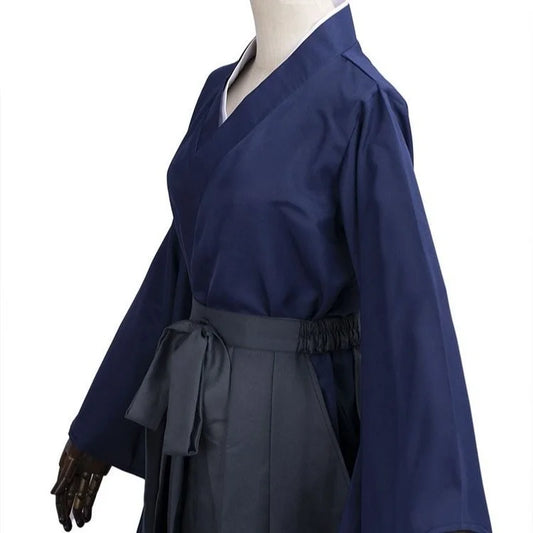
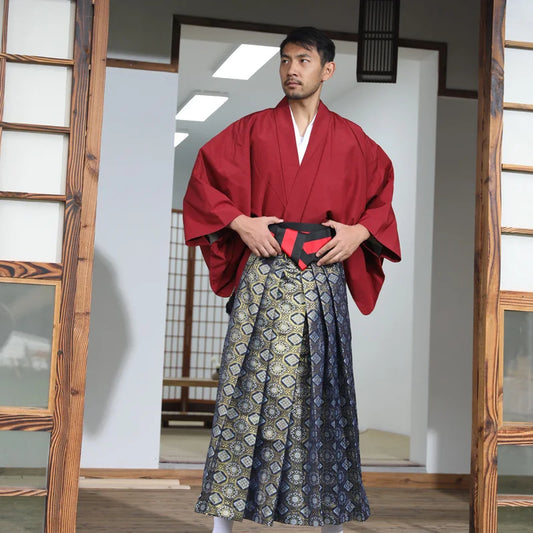
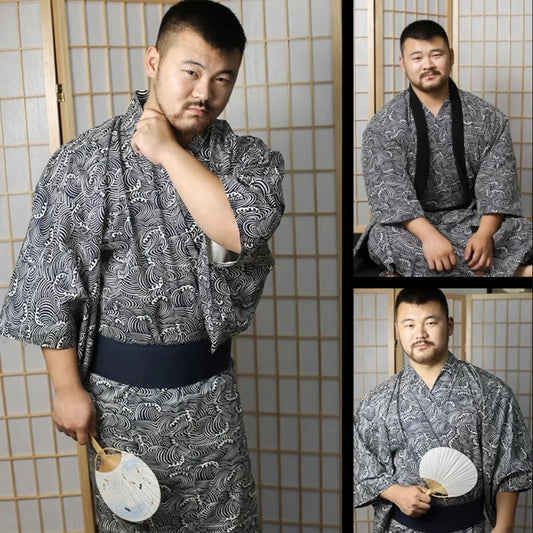
NOUVEAU : Kimono History & Cultural Context
History of the Kimono: From Ancient Japan to Modern Times
⚡ Réponse rapide
The kimono evolved from the straight-cut kosode of the Heian period into a sophisticated symbol of Japanese identity. Originally a simple undergarment, it transformed through the Edo period into a canvas for textile art, eventually shifting into modern, versatile fashion staples worn globally for both traditional ceremonies and daily streetwear.
Origins of the Kimono: The Heian Influence
The history of the garment we now identify as the kimono begins with the kosode, a simple, T-shaped undergarment worn during the Heian period (794–1185). Unlike the layered, bulky robes of the aristocracy at the time, the kosode was practical and humble. It served as the foundation for what would eventually become the national dress of Japan.
As social structures shifted, the kosode gained prominence, moving from an undergarment to an outer layer. By the Muromachi period, both men and women began wearing it as a primary garment, held in place by a simple sash. This shift marked the democratization of the style, setting the stage for the intricate variations we recognize today.
Understanding this lineage is essential for those who appreciate traditional kimono craftsmanship. The simplicity of those early designs remains the soul of the garment, focusing on the beauty of the fabric rather than complex tailoring.

Edo Period: The Golden Age of Textile Art
During the Edo period, Japan experienced a prolonged era of peace and economic prosperity, which allowed the kimono to evolve into an elaborate art form. The merchant class, despite their lower social standing, became the primary drivers of fashion, investing heavily in luxurious silks and intricate dyeing techniques like yuzen.
It was during this time that the obi (sash) became more prominent. As styles shifted, the obi grew wider and more decorative, eventually becoming the focal point of the ensemble. Kimono styles began to signal social status, age, and marital status, creating a visual language that was understood by all in Japanese society.
100%
Hand-finished detail
8-20
Days delivery
3
Key steps in weaving
The Meiji Restoration and Western Influence
The late 19th century brought seismic changes to Japan. As the country opened its borders to the West, the Japanese government began to adopt Western-style clothing for formal government functions and military uniforms. This shift forced the kimono into a more secondary, though still deeply respected, role in daily life.
Despite the rapid modernization, the kimono did not disappear. Instead, it became a symbol of cultural preservation. Families continued to pass down high-quality silks as heirlooms, a tradition that persists today in the appreciation of vintage kimono collections. The fusion of Eastern aesthetics and Western tailoring began to plant the seeds for what we see in current fashion.
Preservation Tip
To keep vintage silks vibrant, store them away from direct sunlight and use acid-free paper to prevent yellowing or fiber degradation over time.
The Art of Kimono Craftsmanship
The creation of an authentic piece is a testament to patience. From the selection of raw silk or cotton to the meticulous hand-painting of patterns, the process can take months. Artisans often use natural dyes derived from plants and minerals, ensuring that every garment has a unique depth of color.
Today, many enthusiasts in the United States look for these traditional techniques when selecting a silk kimono. The weight of the fabric, the alignment of the seams, and the precision of the stitching are markers of quality that distinguish a true piece of wearable art from mass-produced items.

Kimono in the Modern World
In contemporary fashion, the kimono has transcended its traditional boundaries. It has found a home in high-fashion runways and casual street style alike. For many, the appeal lies in its versatility—the ability to dress it up for a gala or down for a relaxed weekend look.
Modern designers have reimagined the silhouette to suit active lifestyles. Whether it is a Modern Kimono Dress or a structured jacket, the essence of the original T-shaped cut remains, providing comfort and elegance. This adaptability is exactly why the style remains relevant in the diverse fashion landscape of the United States.
The beauty of the kimono is not in the garment itself, but in how the wearer breathes life into the fabric through movement and intention.Traditional Textile Artisan
Choosing Your Piece: From Traditional to Streetwear
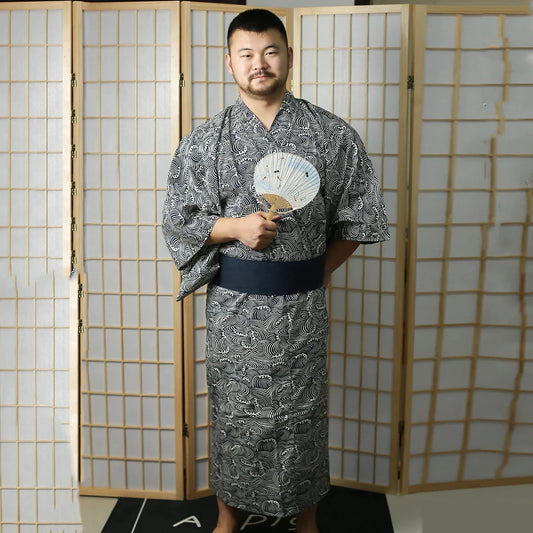
Whether you are seeking a Modern Kimono for Men or a lightweight piece for the summer, understanding your needs is the first step. Consider the occasion: for formal events, look for heavier silks with woven patterns; for casual settings, opt for breathable cottons or modern blends that offer easier maintenance.
Style Advice
Pair a short kimono jacket with denim for a modern, approachable look that bridges the gap between ancient tradition and current trends.
- Assess the fabric: Silk for elegance, cotton for daily comfort.
- Check the length: Choose short styles for layering and full-length for formal impact.
- Accessorize: Use an authentic sash to define your silhouette.
- Care: Always follow specific cleaning instructions to maintain the textile integrity.

Elevate Your Wardrobe Today
Discover our curated collection of authentic kimonos, blending centuries of tradition with modern versatility. Experience the perfect balance of comfort and timeless style delivered to your door.
Voir la collection →FAQ
Absolutely. The kimono is widely appreciated as a beautiful and respectful form of expression. As long as the garment is worn with care and respect for its origins, it is a wonderful way to enjoy Japanese culture. Many people wear them for special events, at home for comfort, or as part of a curated fashion ensemble. The key is to appreciate the craftsmanship and the history behind the piece you choose to wear.
The primary difference lies in the material and formality. A yukata is typically made of unlined cotton and is worn during warmer seasons or as casual loungewear. It is much easier to care for and more relaxed in style. A traditional kimono, particularly those made of silk, is often lined, more complex to put on, and reserved for formal occasions. While both share the signature T-shape, they serve different purposes in a wardrobe.
Unlike Western clothing, which relies on precise measurements for a tailored fit, many kimonos are designed to be adjustable. You typically look at your height to determine the length of the garment, as the excess length is often folded at the waist using a sash. If you are shopping for a specific fit, check the dimensions provided in our product descriptions to ensure the sleeve length and total width meet your comfort requirements.
Care depends entirely on the fabric. Cotton yukatas can often be machine washed on a gentle cycle, though hand washing is always safer. Silk kimonos require much more care and should generally be dry-cleaned by a professional who understands delicate textiles. Always avoid harsh chemicals and keep your pieces stored in a cool, dry place away from direct sunlight to preserve the richness of the dyes and the structural integrity of the silk fibers.
Yes, the design of the kimono is inherently inclusive due to its wrap-around style, which allows for significant flexibility in fit. We offer a dedicated selection for those seeking a more generous cut. When browsing, look for our range of plus-size options that provide extra width and length to ensure you feel both comfortable and elegant in your chosen garment.
Tags:
Previous
Best Kimono Brands for US Consumers: Quality & Price Comparison
Next
Kimono for Different Body Types: Size Guides & Fit Tips
Related articles
-
Oct 23 2026
Kimono Layering: Combining Traditional & Modern Pieces

-
Oct 23 2026