Traditional Kimono & Cultural Appreciation
Kimono Fabrics & Materials: Silk, Cotton & Synthetic Options Explained
⚡ Réponse rapide
Choosing the right kimono depends on the occasion and season. Silk is the gold standard for formal ceremonies and weddings, cotton offers breathability and comfort for casual daily wear or summer yukata, while synthetic fabrics provide durability and ease of care for modern, versatile styles.
The Importance of Material
In the world of Japanese garments, the fabric is not merely a base for color and pattern—it is the soul of the piece. The choice of material dictates how the garment drapes against the body, how it moves with the wearer, and how it responds to the climate. Understanding these nuances is essential whether you are shopping for a Traditional Kimono or looking for something more contemporary.
Historically, materials were chosen based on social status, season, and the specific event. Today, while we have more freedom, the heritage of these materials remains deeply tied to their tactile quality. A Silk Kimono provides a structural elegance that simply cannot be replicated, while lighter, machine-washable options have opened the door for daily fashion integration.
When you select a garment, consider the "hand" of the fabric. Is it crisp and sturdy, or fluid and ethereal? This decision impacts your silhouette and comfort throughout the day.

Silk: The Pinnacle of Tradition
Silk is the most prestigious fiber in kimono weaving. Known for its natural luster and ability to take deep, vibrant dyes, silk is synonymous with formal attire. From the intricate weave of chirimen (crepe silk) to the smooth, heavy drape of rinzu (damask silk), these garments are heirlooms.
If you are looking for an investment piece, a Silk Kimono Robe offers an unmatched sensory experience. Its natural temperature-regulating properties make it cool in the summer and insulating in the winter. However, silk requires specialized care—dry cleaning is almost always necessary to preserve the integrity of the delicate fibers and the complexity of the hand-dyed patterns.
Investment Tip
Always check the lining of a silk kimono. A high-quality silk lining ensures the garment hangs properly and protects the exterior fabric from moisture and body oils.
Cotton: Breathability and Ease
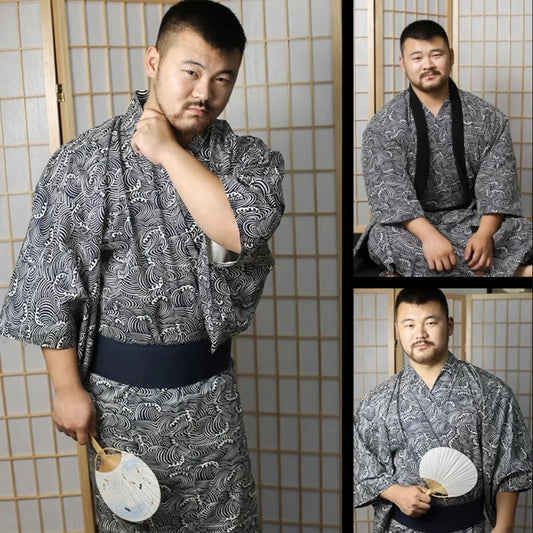
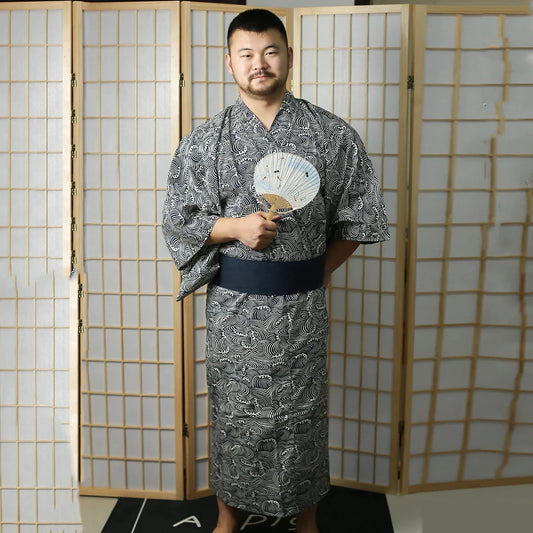
Cotton is the fabric of the people. It is the primary material for the yukata, the summer kimono, prized for its ability to absorb sweat and allow air circulation. A Cotton Kimono is significantly more accessible for daily wear, providing a rustic, charming aesthetic that looks great in a variety of settings.
Beyond casual robes, many modern designers utilize cotton for its versatility in prints and textures. Whether you are wearing Cotton Kimono Pajamas for a relaxing morning or a structured cotton coat, you benefit from the durability of the fiber. Unlike silk, cotton can typically be machine washed, provided you use a gentle cycle and avoid harsh detergents.

Synthetic Fabrics: Modern Convenience
In recent years, polyester and synthetic blends have revolutionized the market. Modern synthetic kimonos are engineered to mimic the look and feel of silk while offering superior resistance to wrinkling and staining. For beginners, a synthetic piece is often the most practical starting point.
These materials are perfect for travel or humid environments where you don't want to worry about water spots or delicate maintenance. They hold their color exceptionally well, making them ideal for bold, graphic designs that might fade on natural fibers over time. They are the workhorses of the wardrobe.
100%
Natural fiber options
8-20
Days delivery
Free
Shipping on all
Selecting the Right Fabric
How do you choose? Start with the occasion. If you are attending a wedding or a formal ceremony, silk is the expected standard. For casual outings, summer festivals, or lounging at home, cotton or high-quality synthetic blends are your best friends. Here is a quick guide to help you compare:
| Material | Best For | Maintenance |
|---|---|---|
| Silk | Formal, Weddings | Professional Dry Clean |
| Cotton | Casual, Summer, Daily | Machine Washable |
| Synthetic | Travel, Daily, Events | Easy Care |
The beauty of a kimono lies not just in the pattern, but in how the fabric breathes and moves with the wearer's own rhythm.Traditional Weaver
Care and Maintenance
To ensure your garment lasts for generations, storage is as important as the fabric itself. Never store silk kimonos in plastic bags, as they need to breathe to prevent mildew. Always use a proper hanger or fold them according to traditional methods. For Cotton Kimono Robe styles, regular washing is fine, but avoid high-heat tumble drying to prevent shrinking.
Warning
Never leave silk exposed to direct sunlight for long periods, as UV rays can cause the fibers to become brittle and the colors to fade irreversibly.

Ready to find your perfect fit?
Explore our curated selection of high-quality fabrics and find a piece that speaks to your personal style. Experience the fusion of tradition and comfort today.
Voir la collection →FAQ
We strongly advise against washing silk kimonos at home. Silk is a natural protein fiber that can easily lose its luster, shrink, or warp when exposed to water and agitation. To maintain the structural integrity and the vibrant colors of your piece, always consult a professional dry cleaner who has experience with delicate fabrics or traditional Japanese garments.
Cotton is widely considered the best choice for hot, humid weather. It is naturally breathable and absorbent, making it the standard material for Japanese yukata. Linen is another excellent, though slightly more textured, option that provides great airflow. Both materials keep the skin cool and dry, unlike synthetic materials which may trap heat against the body.
Not at all. While they may not have the prestige of silk, modern synthetic fabrics are highly engineered for durability, colorfastness, and ease of care. They are often the most practical choice for everyday wear, travel, or beginners who are still learning how to fold and care for their kimono properly. They offer a great balance of aesthetic appeal and functional utility.
With proper care, a high-quality silk or cotton kimono can last for several decades, often becoming a family heirloom. The key is in how you store it—out of direct sunlight, in a cool, dry place, and folded properly. Synthetic kimonos also have a long lifespan but may not have the same "aging" grace as natural silk, which develops a unique character over time.
The primary difference is the weight and formality. A yukata is traditionally made of unlined cotton and is designed for summer festivals or after-bath relaxation. A formal kimono is often lined, made of heavier silk or high-end synthetics, and includes multiple layers or accessories for formal occasions. The fabric weight of a formal kimono is significantly denser to ensure it holds its shape during ceremonies.
Tags:
Previous
Seasonal Kimono Guide: Spring, Summer, Fall & Winter Collections
Next
Where to Buy Authentic Kimonos in the US: Brands & Retailers Guide
Related articles
-
Oct 23 2026
Kimono Layering: Combining Traditional & Modern Pieces

-
Oct 23 2026