Traditional Kimono & Cultural Appreciation
Where to Buy Authentic Kimonos in the US: Brands & Retailers Guide
⚡ Réponse rapide
To buy authentic kimonos in the US, prioritize specialized boutiques that source directly from Japan rather than mass-market fashion retailers. Look for natural fibers like silk or cotton, traditional hand-dyed patterns, and retailers who provide clear provenance for their garments. Always verify the weave and stitching quality before purchasing.
Understanding Kimono Authenticity
The pursuit of an authentic kimono in the United States often leads to confusion between "kimono-style" robes and genuine Japanese garments. An authentic kimono is defined by its T-shaped structure, straight seams, and the way it wraps around the body. Unlike fast-fashion imitations, true Japanese kimonos are crafted using specific textile traditions, such as Yuzen dyeing or Shibori, which require years of artisan mastery.
When searching for a piece, avoid mass-produced synthetic fabrics that lack the drape and breathability of authentic materials. The authentic experience starts with the fabric—silk, cotton, or wool—and the specific construction that respects the garment's history. Understanding these differences allows collectors to invest in pieces that offer both aesthetic beauty and cultural integrity.
Authenticity also extends to the intent of the garment. Whether you are looking for a Best-Seller piece or a specialized ceremonial robe, the focus should always be on the preservation of traditional weaving techniques. By supporting retailers who prioritize these methods, you contribute to the sustainability of Japanese textile crafts globally.

Where to Source Authentic Kimonos in the US
Finding a reliable source within the US requires looking for transparency. The most reputable retailers act as bridges between Japanese artisans and the American market, ensuring that each garment comes with a clear origin. Avoid marketplaces where descriptions are vague or focus solely on "boho" aesthetics rather than Japanese history.
Check if the retailer offers detailed information regarding the fabric source and the specific type of kimono, such as a yukata for casual summer wear or a more formal haori. Engaging with specialized online boutiques allows you to access a curated selection that you simply won't find in local department stores. Look for vendors who demonstrate a deep respect for the cultural significance of the garment.
For those looking to explore versatile options, our Kimono Dress collection provides a bridge between traditional aesthetics and modern comfort. If your style leans toward contemporary fusion, our Streetwear Kimono selection offers a unique way to integrate these elements into your daily wardrobe without compromising on the quality of the silhouette.
8-20
Days Shipping
100%
Curated Selection
Free
Standard Shipping
Key Indicators of Quality
Identifying a high-quality kimono involves a tactile and visual check. Look for the "selvedge" or the finished edge of the fabric, which indicates careful weaving. In authentic pieces, the patterns are often aligned perfectly at the seams, a sign of meticulous tailoring that requires significant time and skill. If the pattern is printed on top of the fabric rather than woven into the fibers, it is likely a mass-market reproduction.
Pay attention to the weight and texture. Silk should have a natural luster that changes with the light, while cotton yukatas should feel substantial and crisp. If you are shopping for Beach Kimonos, ensure the material is breathable and durable enough for its intended use, yet maintains the structural integrity of a traditional garment.
Check the Stitching
Always inspect the internal seams. Authentic kimonos often feature hand-stitched reinforcements at high-stress points to ensure longevity and proper drape over time.
Types of Kimonos for Your Collection
Building a collection is an exciting journey. You might start with the casual comfort of an Beach Kimonos for relaxed days, or move into more formal territory with a haori or a traditional yukata. Each piece carries a different level of formality and historical context that is fascinating to explore.
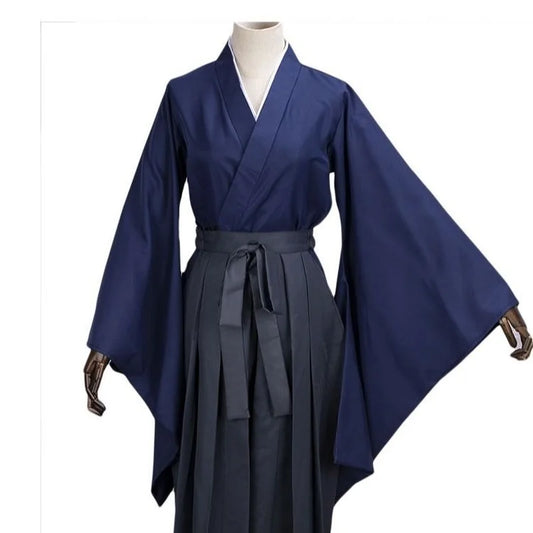
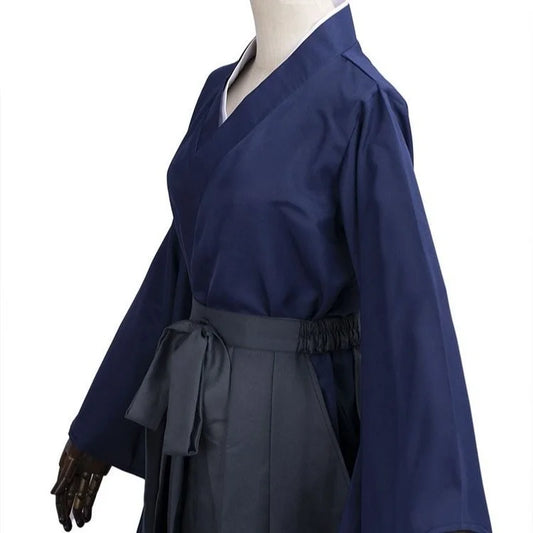
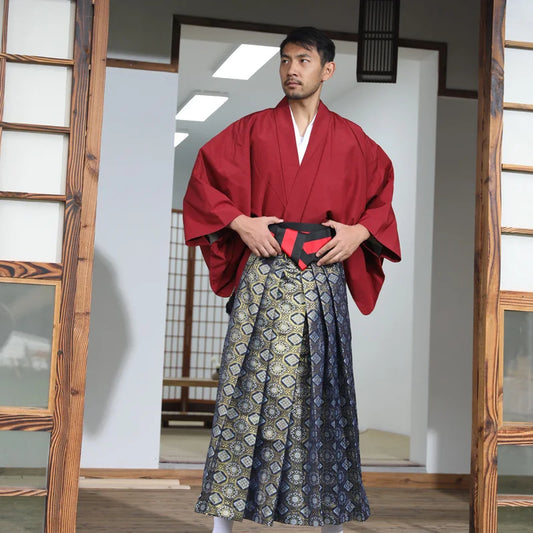
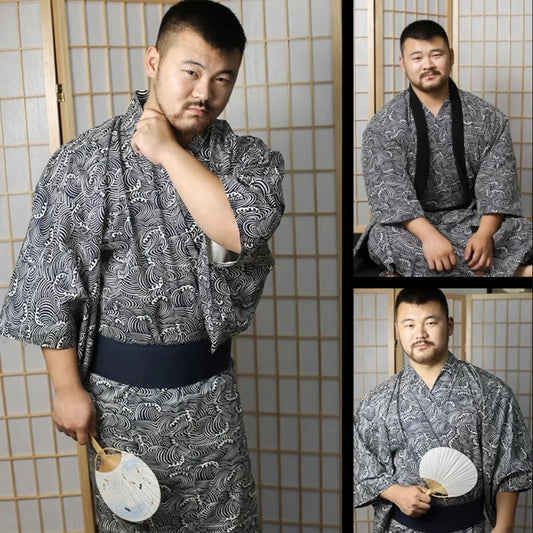
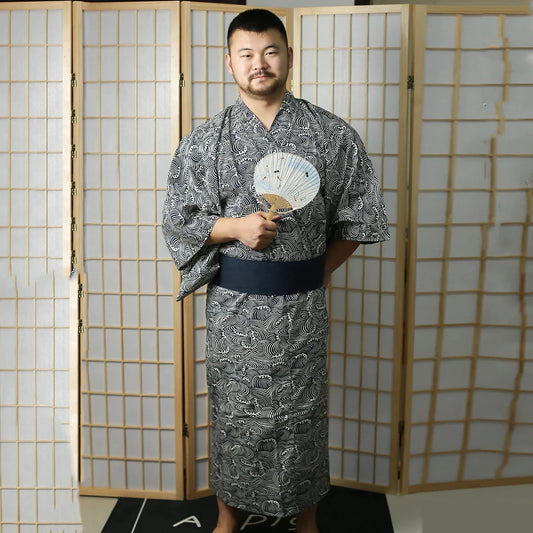
For men, the Mens Yukata Robe is a staple that perfectly balances simplicity and elegance. If you are interested in historical reenactment or high-end traditional attire, the Samurai Kimono and Hakama represent the pinnacle of Japanese sartorial tradition, offering a structured, powerful silhouette that is highly sought after by enthusiasts.
"The true spirit of a kimono is not just in the fabric, but in the patience and history woven into every single stitch."Traditional Textile Artisan

Cultural Etiquette and Care
Proper care is non-negotiable when dealing with authentic textiles. Silk kimonos should generally be dry-cleaned by professionals familiar with delicate fabrics. Cotton yukatas, however, are often easier to maintain and can be hand-washed with gentle detergents. Avoiding direct sunlight during storage is crucial to prevent the fading of natural dyes.
Wearing a kimono also involves understanding the left-over-right wrapping convention. In Japanese culture, this is a standard practice; reversing it is reserved for specific ceremonial occasions, including funerals. Respecting these small but significant details shows a deep appreciation for the culture from which these beautiful garments originate.
Avoid Machine Drying
Never place your authentic kimono in a tumble dryer. High heat can shrink natural fibers and permanently distort the shape of the garment.
Pricing and Value Expectations
Authenticity comes with a price point that reflects the labor involved. While you might find inexpensive items, genuine hand-dyed or hand-woven kimonos command higher prices due to the scarcity of the materials and the expertise required to craft them. When you purchase a Volume Discount Eligible item, you are often investing in a piece that will last for decades if cared for properly.
Remember that value is not just about the cost, but the longevity of the garment. A well-constructed piece can be passed down through generations, becoming a family heirloom. Avoid "cheap" alternatives that lose their shape or color after a few wears, as they do not offer the cultural or physical value of a genuine article.
- Check for natural fiber content (silk, cotton, linen).
- Verify the pattern continuity at the seams.
- Ensure the retailer provides specific garment history.
- Invest in quality over quantity for long-term wearability.
Experience Authentic Japanese Craftsmanship
Browse our curated selection of traditional kimonos, sourced with integrity and designed for lasting beauty. Elevate your wardrobe with a piece of living history today.
Voir la collection →FAQ
Authentic kimonos are characterized by their T-shape construction, high-quality natural fabrics like silk or cotton, and traditional dyeing methods. Look for intricate patterns that align at the seams and avoid synthetic materials that feel overly stiff or plastic-like. A genuine kimono will have a soft, natural drape and often features hand-stitched detailing that mass-produced items lack. If a retailer provides detailed information about the origin and the type of fabric, it is a strong indicator of authenticity and care.
For a basic yukata, you only need the garment itself and an obi (sash). However, for more formal kimonos, you might require additional accessories like a nagajuban (under-kimono), specialized ties (koshihimo), and a stiffener for the obi. While the process of dressing can be elaborate, many casual styles can be worn with minimal accessories. We recommend starting with a simple yukata to familiarize yourself with the layering and wrapping techniques before moving on to more complex, multi-layered formal styles.
It depends on the material. Cotton yukatas are generally easier to maintain and can often be hand-washed in cold water with a gentle detergent. However, silk kimonos are extremely delicate and should almost always be taken to a professional dry cleaner who has experience with Japanese textiles. Always check the care label or the product description provided by the retailer. When in doubt, hand washing in cool water and air drying in the shade is the safest way to preserve the fabric and colors.
The primary difference lies in the material and formality. A yukata is an unlined cotton garment, primarily worn during the summer, at festivals, or after an onsen bath. It is considered casual attire. A kimono is more formal, often made of silk, and can be lined or unlined depending on the season. Kimonos are worn for ceremonies, weddings, and formal events. While both follow the same structural "T" shape, the weight, fabric quality, and usage context clearly distinguish the two types of garments.
Specialized retailers often have direct relationships with Japanese artisans and suppliers, ensuring that the garments you purchase are authentic and culturally respectful. They provide expertise that general fashion retailers lack, including guidance on sizing, fabric care, and the historical significance of different patterns. By choosing a specialized store, you support the preservation of traditional Japanese textile crafts and ensure that you are receiving a high-quality product that aligns with traditional standards rather than a low-quality imitation designed for temporary trends.
Tags:
Previous
Budget Kimonos vs. Luxury: Investment Pieces & Affordable Options
Next
Budget Kimonos vs. Luxury: Investment Pieces & Affordable Options
Related articles
-
Oct 23 2026
Kimono Layering: Combining Traditional & Modern Pieces
-
Oct 23 2026