Traditional Kimono & Cultural Appreciation
Kimono Events & Festivals in the US: Where to Wear Traditionally
⚡ Quick answer
The best places to wear kimono in the US are cherry blossom festivals (DC, Philadelphia, San Francisco), Japan-America cultural events, tea ceremony demonstrations, and anime/Japan expos. Choose a style that fits the setting, learn basic etiquette, and treat the garment as cultural appreciation, not costume.
Why Wear a Kimono in the US
Across the United States, there's a growing number of public, welcoming spaces where wearing a Japanese kimono is not only accepted but genuinely celebrated. From coast-to-coast cherry blossom festivals to small-town tea ceremonies, these events exist precisely because Japanese-American communities and cultural organizers want people to engage with the tradition, learn its history, and wear it thoughtfully.
The key distinction locals and organizers care about is intention. A kimono worn to honor a tea ceremony, a Girls' Day celebration, or a Japan-America friendship festival is appreciation. The same garment worn as a Halloween costume or a themed party gag, stripped of context, tends to miss the mark. This guide walks through the real events where you can wear kimono proudly, plus how to pick the right piece and wear it with confidence.
A living tradition, not a museum piece
Many of these festivals are organized by Japanese cultural associations specifically to share the kimono tradition with wider audiences. Attending in kimono, asking questions, and supporting local vendors is exactly the kind of engagement they hope for.
Cherry Blossom Festivals
The National Cherry Blossom Festival in Washington, DC runs for several weeks each spring and draws over a million visitors. Within it, the Japanese Street Festival and the Sakura Matsuri are the two spots where kimono wearing is common and welcomed — vendors sell accessories, cultural groups perform, and many attendees dress in yukata or kimono for photos under the blossoms.
Philadelphia's Subaru Cherry Blossom Festival of Greater Philadelphia and San Francisco's Northern California Cherry Blossom Festival in Japantown follow a similar pattern: a parade, food stalls, tea demonstrations, and a visible community of kimono and yukata wearers. Because these festivals happen outdoors in spring warmth, a lightweight cotton piece tends to be more comfortable than heavier silk.

Layer for spring weather
Cherry blossom season swings between chilly mornings and warm afternoons. Pairing a yukata with a light haori jacket lets you adjust without carrying a bulky coat all day.
Japan-America Cultural Events
Beyond cherry blossoms, most major US cities with a sister-city relationship to a Japanese city host an annual Japan Festival or Japan Day. Chicago's Ginza Holiday Festival, Seattle's Japan Fair, and the Japan Bowl in DC are organized around exactly this kind of exchange, and kimono is part of the visual fabric of the day — vendors often sell kimono sash pieces and obi accessories on-site.
These events are also where you'll find the most patient, knowledgeable people to ask about proper wearing — volunteers running kimono-dressing booths, cultural attachés, and long-time practitioners who are usually thrilled to answer questions rather than judge an imperfect wrap.
8-20
business days tracked shipping
Free
shipping on every order
3
simple steps to dress properly
Tea Ceremonies & Cultural Centers
Japanese cultural centers in cities like Los Angeles, New York, and San Francisco regularly host chanoyu (tea ceremony) demonstrations open to the public. These are typically smaller, quieter gatherings than street festivals, and kimono here tends to be more formal — darker colors, simpler patterns, fewer accessories.
If you plan to attend one of these demonstrations, a traditional kimono with muted tones shows more respect for the setting than a bright, patterned yukata better suited to a summer street fair. Organizers at these centers are usually happy to loan an obi or offer a quick dressing tutorial if asked in advance.

A kimono should feel like it was chosen for the room it's walked into, not just for the photo it will produce.— independent kimono dresser, San Francisco Japantown
Anime & Japan Conventions
Anime Expo (Los Angeles), Sakura-Con (Seattle), and dozens of regional conventions are some of the most relaxed settings for wearing kimono in the US. Here, creative pairing is embraced — a streetwear kimono layered over jeans, or a boho kimono styled with modern accessories, both fit right in.
These conventions also tend to run panels specifically on kimono history and proper wearing, hosted by collectors and cultural enthusiasts. It's a low-pressure environment to try a style for the first time and get real feedback from people who know the garment well.
- Comfortable, breathable fabric for long days on your feet
- A style that matches the event's formality (casual con vs. ceremony)
- Weather-appropriate layering, especially for outdoor festivals
- Basic knowledge of left-over-right wrapping and obi tying
- Respectful curiosity — ask questions, read the room
Weddings & Formal Occasions
Japanese-American weddings, engagement parties, and some formal galas are occasions where a wedding kimono or an elegant silk kimono genuinely shines. Guests of the couple, especially those with family ties to Japan, often wear kimono as a mark of celebration and respect for tradition.
If you're a guest rather than part of the wedding party, lean toward quieter colors and avoid anything that might visually compete with the bride's attire. A tasteful floral kimono in soft tones usually reads as celebratory without overshadowing the occasion.
Check with the couple first
Not every wedding calls for traditional dress from guests. A quick, friendly question to the hosts avoids any awkwardness and shows you care about getting it right.
Etiquette: Wearing with Respect
The single most important rule is wrapping left-over-right. Right-over-left is reserved for funerals in Japanese tradition, and it's one of the fastest ways to signal unfamiliarity with the garment at an event full of people who will notice.
Beyond that, keep accessories proportionate — an obi that's too wide or too elaborate for a casual festival can look costume-like rather than considered. And always treat the garment itself with care: most kimono and yukata are best hand-washed or dry-cleaned, not thrown in a machine with everyday laundry.
| Event type | Best style | Tone to aim for |
|---|---|---|
| Cherry blossom festival | Yukata or cotton kimono | Light, festive, colorful |
| Tea ceremony | Traditional kimono | Muted, formal, simple |
| Convention | Streetwear or boho kimono | Creative, casual |
| Wedding guest | Silk or floral kimono | Elegant, understated |
When in doubt, ask a local organizer
Most festival and cultural center staff would genuinely rather answer one more etiquette question than see a visitor hesitate and skip the experience altogether.
What Kimono Style to Choose
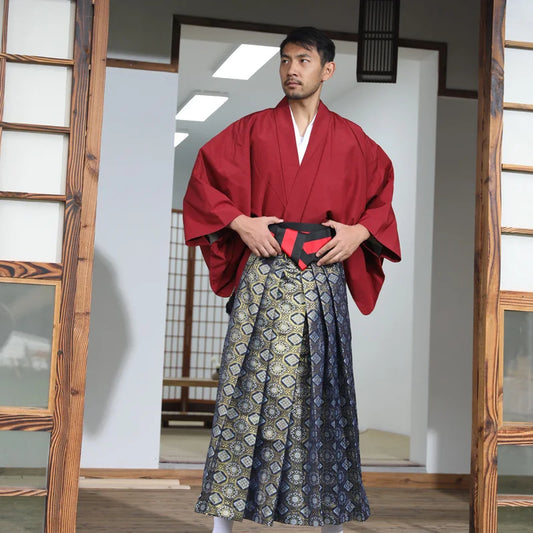
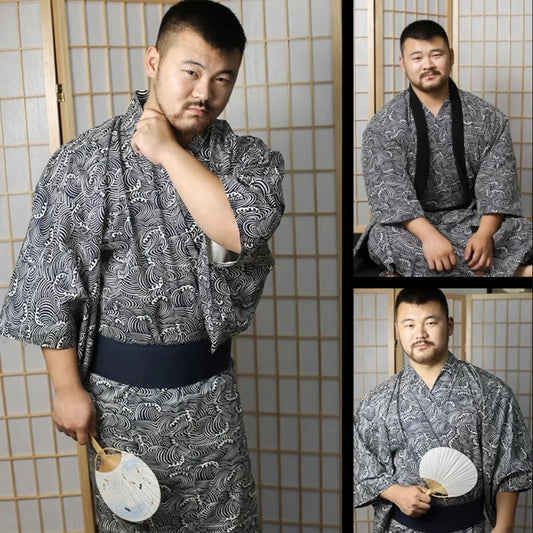
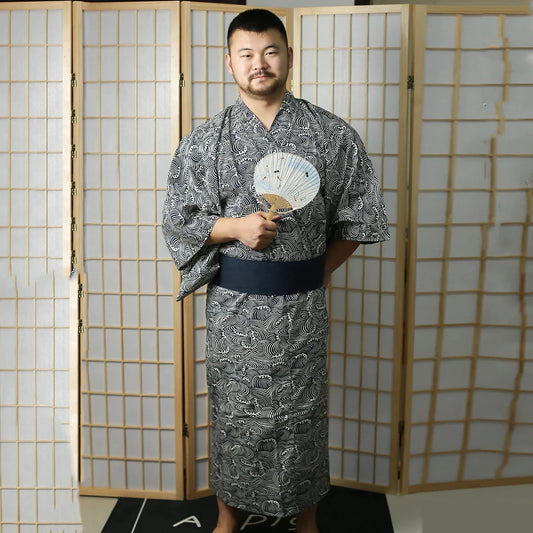
For outdoor summer festivals, a breathable cotton kimono or classic yukata handles heat better than silk. For men attending the same events, a men's kimono or men's yukata in a simple pattern pairs well with a wooden obi and sandals.

If you're bringing children along to a family-friendly festival, a children's kimono sized for comfort and easy movement makes the day far more enjoyable than an adult cut scaled down. And for those drawn to deeper tradition, a haori layered over a base kimono adds both warmth and visual depth for cooler evening events.

Find Your Festival-Ready Kimono
Browse authentic styles built for real events, from breathable yukata to formal silk pieces, with free tracked shipping on every order.
Shop Traditional Kimono →FAQ
No, not when worn thoughtfully. Many Japanese-American cultural festivals actively encourage visitors to wear kimono or yukata as a form of appreciation and engagement. The concern arises mainly around mocking or costume-like use detached from context — wearing it to a cultural event, tea ceremony, or festival designed to share the tradition is welcomed, not offensive.
Kimono are typically made from silk or heavier fabric and worn for formal occasions like weddings or tea ceremonies, often with multiple layers. Yukata are lighter cotton garments traditionally worn in summer, ideal for outdoor festivals like cherry blossom celebrations. If you're unsure which fits your event, lighter outdoor gatherings almost always call for yukata.
Search for cherry blossom festivals, Japan Day, or Japan-America societies in your state — most major metro areas (DC, Philadelphia, San Francisco, Chicago, Seattle, Los Angeles) host at least one annual event. Local Japanese cultural centers and universities with Japanese studies programs often post calendars of smaller tea ceremonies and cultural nights too.
Absolutely — men's kimono and yukata are just as common at these events as women's styles. A simple, solid-colored or subtly patterned piece paired with a plain obi is the traditional approach, and it fits comfortably at everything from cherry blossom festivals to conventions.
The essential rule is left-over-right: the left side of the garment folds over the right. Right-over-left is reserved for funerals in Japanese custom, so getting this detail right matters more than any accessory. Many festivals and cultural centers offer free quick dressing help if you ask ahead of time.
A simple cotton slip or undershirt works well, especially for warm-weather festivals where you'll be outdoors for hours. Breathable fabric underneath keeps you comfortable without adding bulk, and it helps protect the kimono itself from sweat during a long festival day.
Tags:
Previous
Budget Kimonos vs. Luxury: Investment Pieces & Affordable Options
Next
Kimono Layering: Combining Traditional & Modern Pieces
Related articles
-
Oct 23 2026
Kimono Layering: Combining Traditional & Modern Pieces

-
Oct 23 2026