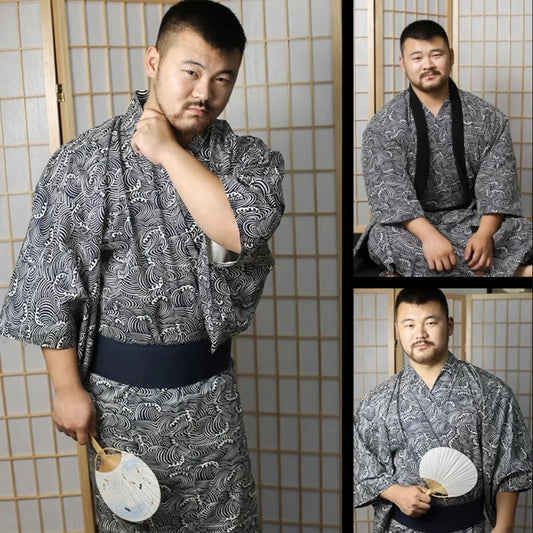
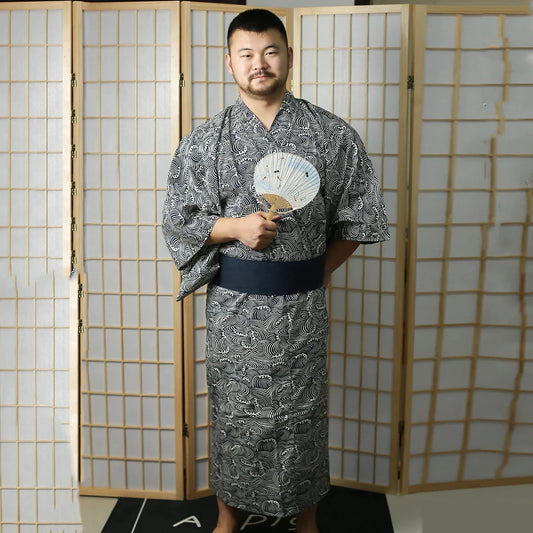
Modern Kimono Fashion & Styling
Kimono Layering: Combining Traditional & Modern Pieces
⚡ Quick answer
The best kimono layering pairs a traditional silhouette (haori, yukata, or kimono robe) with modern basics like tank tops, denim, or slip dresses underneath. Keep one piece traditional, one modern, and balance proportions: a long kimono over fitted layers, or a short kimono jacket over flowing fabric.
Why Layering Works
Layering a kimono isn't just a trend — it's how the garment was designed to be worn from the start. Traditional Japanese dressing is built on layers, with the outer kimono or haori acting as a frame around simpler pieces underneath. What's changed in modern wardrobes is what goes underneath: instead of a juban undergarment, you might wear a cotton tank, a slip dress, or even a turtleneck. That shift is what makes kimono layering so flexible for everyday American closets.
The appeal is practical too. A single haori jacket can transform three completely different outfits — jeans and a tee, a little black dress, wide-leg trousers — without you buying anything new. You're essentially using one statement piece as a styling multiplier, which is both budget-smart and sustainable.
Start with one hero piece
Don't try to layer five things on your first attempt. Pick one traditional piece — a haori or a kimono jacket — and build two or three outfits around it before adding more pieces to your rotation.
Layering also solves a common complaint: many people love the look of a traditional kimono but aren't sure how to wear it outside of a special occasion. Treating it as a layer, not a full costume, removes that pressure entirely.
Traditional Pieces to Start With
Not every kimono layers equally well. Some pieces are cut specifically for layering, while full-length formal kimonos are better worn as the main event. Here's where to focus if you're new to the style:
- A short kimono or cropped jacket — easiest to throw over anything, day or night
- A haori — traditionally an outer layer, so it's built for layering by design
- A lightweight yukata — cotton, breathable, great over a swimsuit or sundress
- A silk kimono robe — adds drape and movement over simple silhouettes

If you already own a Traditional Kimono, don't feel like you need to retire it for formal events only. The Traditional Japanese Kimono style works beautifully belted loosely over a plain dress, turning a special-occasion piece into something you can wear on a Tuesday.
A kimono is only as formal as what you put underneath it — change the layer beneath, and you change the whole mood of the outfit.— Kimono styling tradition
Modern Basics That Pair Well
The modern half of the equation matters just as much as the traditional piece. The goal is contrast without clash: simple, solid-colored basics let a patterned kimono do the talking, while a plain kimono can handle a bolder base layer.
Here's what tends to work in practice:
| Modern piece | Best paired with | Why it works |
|---|---|---|
| Fitted tank or camisole | Floral or patterned kimono | Keeps focus on the print without visual noise |
| Straight-leg or wide denim | Short kimono, haori | Casual balance, easy for daytime wear |
| Slip dress | Silk kimono robe | Both drape, so the layers move together |
| Turtleneck, long sleeves | Sleeveless or short-sleeve kimono | Solves warmth without hiding the kimono's shape |

Mixing prints is allowed
If you want to layer a patterned kimono over a patterned base, keep one of the two prints small-scale (like a fine stripe) and the other bold. It reads as intentional rather than busy.
For a more structured look, a kimono pants set paired with a plain fitted top under an open kimono jacket gives a clean, almost workwear-adjacent silhouette that's increasingly popular for office-casual days.
Seasonal Layering Formulas
Layering isn't one-size-fits-all across the year. What works in July will overheat you in January, so it helps to think seasonally.
Spring and summer: lean on breathable fabrics. A Cotton Kimono or a Yukata over a simple tank and shorts is cool enough for warm days, and a Beach Kimono works directly over a swimsuit for coastal trips.

Fall and winter: this is where kimono layering really shines. A heavier haori or a Vintage Kimono over a turtleneck and jeans adds texture and warmth without bulk. Wool-blend or quilted kimono jackets also work as a stylish alternative to a traditional coat for mild winter days.
Watch the fabric weight
Silk and rayon kimonos are gorgeous but offer little warmth on their own. In cold climates, treat them as a third layer over a sweater, not a replacement for one.
Obi and Sash Styling Tricks
A Kimono Sash is one of the most underrated layering tools. Tying it loosely at the waist over an open kimono instantly adds structure and turns a flowy piece into something more tailored.
A few quick techniques experts rely on:
- Tie the sash in a simple knot at the side hip for a relaxed, modern drape
- Use a wide obi belt over a plain dress to mimic traditional kimono proportions
- Leave the kimono fully open with no sash for a cardigan-like, casual effect
- Double-wrap a thin sash for a cinched, hourglass silhouette under a blazer-style kimono
3
core pieces for a layering capsule
8-20
days tracked shipping, every order
100%
free shipping on all orders
Common Mistakes to Avoid
The most frequent mistake is over-layering: adding a kimono, a sash, a scarf, and statement jewelry all at once. Pick one focal point and let the rest stay quiet. If the kimono is bold and patterned, the sash and base layer should be simple.
Another common issue is proportion mismatch — pairing a long, flowing kimono with equally loose, baggy bottoms. This erases your shape. Instead, balance volume: loose kimono with fitted bottoms, or fitted kimono jacket with wider trousers.
The fitting-room test
Before leaving the house, check your silhouette from the side. If you can't see any shape at all, add a sash or swap one loose piece for something more fitted.

Finally, don't ignore fabric care when combining pieces. Mixing a delicate Silk Kimono with rougher fabrics like raw denim can cause snagging over time — a cotton or blended kimono holds up better for daily, casual layering.
Building a Capsule Wardrobe
Once you understand the basics, building a small rotation of layering pieces is more efficient than buying new outfits constantly. A practical starting capsule: one neutral haori, one patterned short kimono, and one sash that works with both. From there, every plain top, dress, or denim piece you already own becomes a new outfit.
For men exploring the trend, a Modern Kimono for Men worn open over a plain tee and chinos is an easy entry point, and the Male Kimono collection has options structured enough to pass as a smart-casual jacket.

If you're drawing up a shopping list, prioritize versatility over statement pieces at first. A Traditional Kimono Dress can be worn solo for occasions and layered under a denim jacket for daytime — one piece, two completely different looks.
Ready to build your layering capsule?
Browse haoris, jackets, and robes designed to layer beautifully over modern basics, with free tracked shipping on every order.
Shop the Haori collection →FAQ
Yes, absolutely. Most modern kimono wearers layer their piece over everyday clothing like tanks, dresses, and denim. There's no rule requiring traditional undergarments — the whole appeal of modern kimono styling is adapting the silhouette to fit your existing wardrobe rather than starting from scratch.
A short kimono jacket or haori is the easiest starting point. They're cropped or mid-length, so they pair naturally with jeans, dresses, and shorts without overwhelming your frame. Once you're comfortable with proportions, you can move on to longer silk kimonos or full-length robes for more dramatic layering.
Keep the rest of the outfit simple and modern — plain denim, a solid-color top, minimal accessories. The kimono should read as a jacket or outer layer, not a full traditional ensemble. Avoiding matching traditional footwear or accessories with it also helps the look feel current rather than costume-like.
It can work if you scale the patterns differently — for example, a bold floral kimono over a fine-striped base layer. The key is making sure one pattern clearly reads as the dominant one. If both prints are similarly bold and busy, the outfit will feel chaotic rather than intentional.
Cotton blends and heavier weaves hold up better than silk in cold weather, since silk kimonos add little warmth on their own. Treat silk or rayon pieces as an outer, decorative layer over a sweater or turtleneck rather than relying on them for warmth. Quilted or wool-blend haoris are a cozier option for winter.
No. Leaving the kimono open without a sash gives a relaxed, cardigan-like look that works well for casual outfits. A sash is useful when you want more defined waist shaping or a dressier finish, but it's entirely optional depending on the silhouette you're going for that day.
Tags:
Related articles
-
Oct 23 2026