Kimono Basics
Types of Kimono: Every Style Explained, From Furisode to Yukata
⚡ Quick Answer
Kimono styles are primarily defined by formality, age, and season. While the Yukata serves as a casual cotton summer garment, formal Furisode Kimono feature long sleeves for unmarried women, and Haori provide a versatile layer for both modern and traditional outfits.
Understanding the Kimono Silhouette
The kimono, meaning "thing to wear," is a T-shaped garment that transcends simple fashion to become a piece of art. In the United States, enthusiasts often focus on the aesthetic beauty of the fabric, but in Japan, the specific types of kimono indicate social status, marital status, and the event's formality. Understanding these layers is key to appreciating the craft.
Construction relies on straight seams and rectangular fabric panels. Regardless of the style, the fundamental wrapping technique remains consistent: left side over right. Whether you are looking for a Traditional Kimono or a casual wrap, the goal is always to achieve a balanced, elegant silhouette that enhances the wearer's posture.

80$
Free shipping threshold
100%
Authentic inspiration
25
Days max delivery
Yukata: The Summer Staple
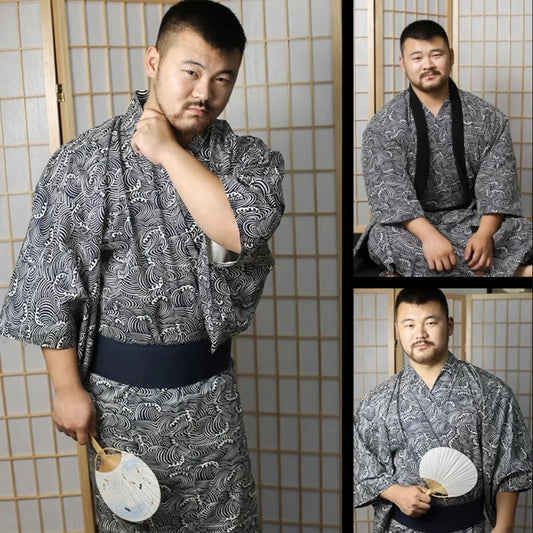
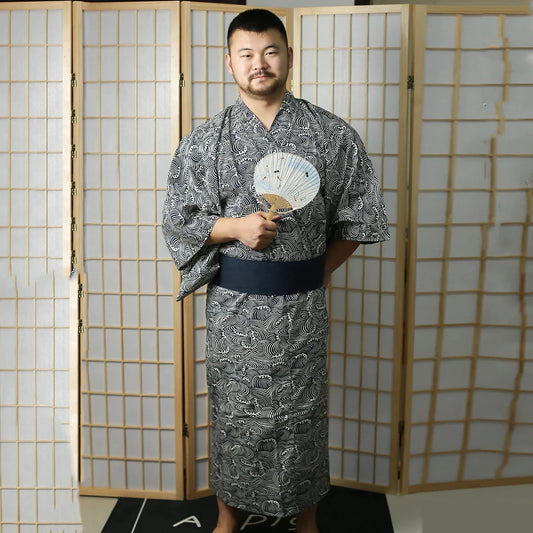
The Yukata is the most approachable entry point into Japanese apparel. Unlike the lined, silk formal garments, these are typically made from lightweight Cotton Kimono fabric, designed specifically for comfort during humid Japanese summers. They are the standard attire for festivals (matsuri) and traditional inns (onsen).
For those living in the United States, a Yukata Kimono works perfectly as elegant loungewear or a unique summer statement piece. They are easier to care for than silk, often machine-washable, and provide a breezy, relaxed fit that feels effortless yet sophisticated.

Pro Tip: Choosing a Yukata
Check the fabric weight. A thinner cotton is ideal for hot summer days, while a slightly heavier weave is more durable for frequent wear at home or as a robe.
Furisode: Formal Elegance
The Furisode Kimono is arguably the most recognizable style due to its long, swinging sleeves. Historically, these represent the peak of formal attire for young, unmarried women. The length of the sleeve is not just for decoration; it is a symbol of youth and availability, often worn at Coming of Age ceremonies.
These garments are usually crafted from high-quality silk and feature elaborate, hand-painted patterns that cover the entire surface. If you are seeking something truly special for a high-end event, the visual impact of a furisode is unmatched in the world of textiles.

Haori: The Versatile Layer
The Haori is a hip-length jacket that sits atop the kimono. It is the perfect bridge between traditional style and modern convenience. Many people find that wearing a Kimono Style Jacket over jeans and a t-shirt is the easiest way to incorporate Japanese aesthetics into a contemporary American wardrobe.
These pieces are highly functional and less restrictive than a full-length garment. They come in various fabrics, from heavy woven silks to lightweight synthetics, making them a year-round accessory for anyone interested in layered, bohemian, or minimalist fashion.
The beauty of the haori lies in its simplicity; it transforms a basic outfit into a thoughtful, structured ensemble without the need for complex dressing rituals.Artisan Weaver
Tomesode and Houmongi: Formal Occasions
When moving into higher levels of formality, we encounter the Tomesode (the most formal for married women) and the Houmongi (visiting wear). These are characterized by patterns that flow across the seams of the fabric, known as ebana. This technique requires the garment to be assembled and sewn with extreme precision so the design matches perfectly.
These pieces are treasures. In the modern market, finding a vintage piece is common, but caring for them requires professional dry cleaning. If you are looking for something to wear, start with a high-quality Japanese Kimono that offers the same elegance with slightly more manageable maintenance requirements.
Formal vs. Casual
Always look at the sleeve length and the placement of the patterns. Shorter sleeves generally denote more formal or mature styles, while long, flowing sleeves are reserved for youth and celebration.
Modern Adaptations
Fashion is fluid, and the kimono is no exception. Today, designers are blending traditional silhouettes with modern cuts. We now see Kimono Dress styles that mimic the wrap-front closure but offer a more westernized fit. Similarly, Streetwear Kimono collections focus on bold prints and synthetic blends that prioritize durability and urban style.
Whether you choose a Silk Kimono for its luxurious texture or a modern Kimono Robe for daily comfort, the versatility of these garments is their greatest strength. You aren't just buying a piece of clothing; you are participating in a centuries-old design legacy that continues to evolve.
Ready to find your perfect fit?
Explore our curated selection of high-quality Japanese garments designed for modern comfort and style. Enjoy free shipping on every order.
See the Collection →FAQ
The primary difference is the fabric and the season. A Yukata is an unlined, casual cotton garment designed for summer wear. A traditional Kimono is typically lined, made from silk or high-quality synthetic, and is worn for formal occasions, ceremonies, or during cooler months. Because of their construction, Yukata are generally much easier to clean and maintain than formal silk Kimono.
Absolutely! Wearing a formal kimono style like a Houmongi or a sophisticated, high-quality silk garment can be a stunning choice for a wedding. Ensure that the formality of the style matches the event. For a formal wedding, choose elegant, muted, or classic patterns rather than casual, bright, or informal prints. It is a respectful and beautiful way to celebrate while showcasing unique, high-fashion Japanese aesthetics.
Unlike western clothing, kimono sizing is based on height and body width rather than traditional numerical sizes. You want the garment to be long enough to reach your ankles. Because they are wrapped, there is significant flexibility in the waist, allowing you to adjust the fit using a sash or belt. If you are tall, ensure you look for items specifically labeled as having a longer length to ensure proper coverage.
Tying a traditional obi can be complex, but many modern versions are designed for ease of use. You can find pre-tied or simplified versions that look identical to the traditional knot but take seconds to put on. For daily wear or casual outfits, a simple decorative knot is often enough, and there are many online tutorials that can help you master the basics in just a few practice sessions.
Care depends entirely on the material. Cotton Yukata can usually be washed at home on a gentle cycle. However, silk or vintage pieces should always be professionally dry-cleaned to preserve the delicate fibers and intricate patterns. Always store your garments away from direct sunlight to prevent fading, and use padded hangers to maintain the shape of the shoulders and sleeves over time.
Tags:
Previous
What Is a Kimono? Meaning, Parts & How It's Worn
Next
What Is a Haori? Meaning, History & How to Wear One
Related articles
-
Oct 23 2026
Kimono Layering: Combining Traditional & Modern Pieces
-
Oct 23 2026