Kimono Basics
What Is a Kimono? Meaning, Parts & How It's Worn
⚡ Quick answer
A kimono is a traditional Japanese T-shaped robe made from a straight bolt of fabric, wrapped left-over-right, and secured with a sash called an obi. The word literally means "thing to wear." Today it's worn for ceremonies in Japan and reimagined worldwide as a relaxed, stylish layering piece.
The Real Meaning of "Kimono"
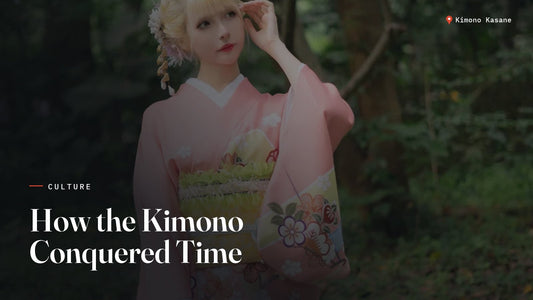
If you've ever typed "what is a kimono" into a search bar, you've probably landed on a dozen conflicting answers. Let's clear it up simply: kimono (着物) comes from two Japanese characters — ki (to wear) and mono (thing). So at its core, a kimono is literally "a thing you wear." For centuries it was simply the garment in Japan, worn by everyone regardless of class, gender, or season, before Western clothing became common in the late 1800s.
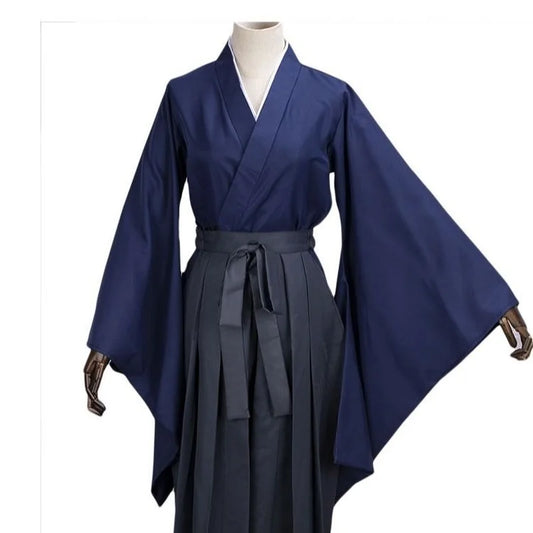
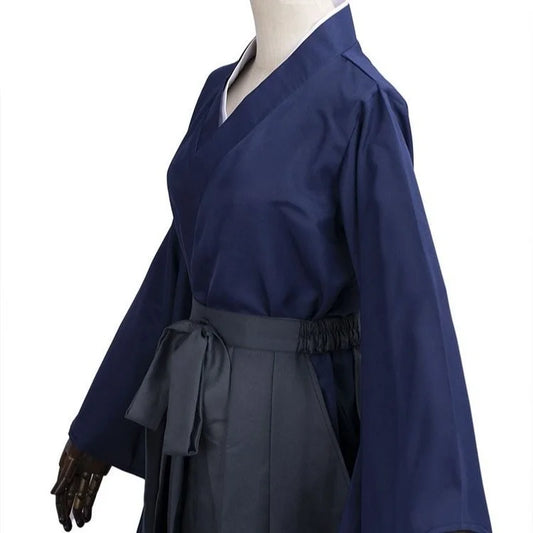
What makes a kimono instantly recognizable is its construction: a long, straight piece of fabric cut and sewn into a T-shape, with wide sleeves and no tailored curves. Unlike a Western dress that's cut to fit a body shape, a kimono is wrapped around the body and adjusted with folds and a sash. That's why one kimono can comfortably fit people of different sizes — the garment adapts to you, not the other way around.
Good to know
In Japanese, "kimono" can refer broadly to any clothing. What English speakers usually picture — the formal wrapped robe with an obi — is more precisely called wafuku (和服), meaning "Japanese clothing."
Outside Japan, the word has taken on a second life. A kimono today often describes a breezy, open-front robe you throw over a swimsuit or jeans — a far more casual cousin of the traditional garment, but one that still nods to that same T-shaped silhouette and wrap-front styling.
Anatomy of a Kimono: The Parts You Should Know
Once you understand the pieces, a kimono stops looking mysterious and starts making sense. Here are the main parts, from the inside out:
- Eri — the collar, which frames the neckline and is often the most decorated part of a formal kimono.
- Sode — the sleeves, which can be short and practical or long and dramatic (furisode-style) depending on the occasion.
- Obi — the wide sash tied around the waist, often the most eye-catching accessory of the whole outfit.
- Okumi — the narrow front panel that helps the robe overlap cleanly at the front.
- Tamoto — the pouch-like underside of the sleeve, traditionally used almost like a small pocket.
If you're shopping for your first piece, you'll also want to know the sash isn't optional — it's what holds everything in place and gives the silhouette its structure. Many modern robes pair a simplified version of the kimono with an easy-tie kimono sash so you don't need any special knot-tying skills to look put together.

Expert tip
Look at the sleeve length before buying. Long, flowing sleeves (furisode-style) read as more formal and dramatic, while short sleeves feel more relaxed and everyday — pick based on how you plan to wear it.
Types of Kimono: Formal to Everyday
Not all kimonos serve the same purpose, and that's part of what confuses newcomers. In Japan, the type of kimono someone wears signals the occasion, their age, and sometimes their marital status. Here's a simplified breakdown:
| Type | Occasion | Key feature |
|---|---|---|
| Furisode | Weddings, coming-of-age ceremonies | Long, flowing sleeves |
| Tomesode | Formal events, married women | Shorter sleeves, pattern below the waist |
| Yukata | Summer festivals, casual wear | Lightweight cotton, no lining |
| Haori | Everyday layering | Open front, worn like a jacket |
For everyday Western wardrobes, the most practical entry points are the lightweight layering pieces. A haori works beautifully over jeans and a tee, while a traditional kimono with a full obi suits a themed event, photoshoot, or cultural celebration.

How a Kimono Is Worn, Step by Step
Wearing a kimono correctly comes down to one unbreakable rule, plus a few finishing touches. Here's the simple version:
- Put the robe on and bring the left side over the right side — this is the single most important rule. Right-over-left is reserved for dressing the deceased in Japanese funeral tradition.
- Adjust the hem so it falls evenly, then smooth the collar so it sits neatly at the back of the neck.
- Wrap the obi (sash) around the waist, cross it at the back, and tie it securely at the front or back depending on the style.
- Add any accessories — a cord, a clip, or a simple belt — to keep everything in place through the day or evening.
That's genuinely it — three steps once you've got the wrap direction down. Modern everyday kimonos sold in the West usually skip the complex obi-tying entirely in favor of a simple fabric belt or tie closure, which makes them approachable even if you've never worn one before.
"The fold always comes first, the knot always comes last — get the wrap right, and everything else falls into place."— traditional dressing advice, passed down through kimono artisans
Common mistake
Wrapping right-over-left is the most frequent error beginners make, and it carries real cultural weight in Japan since it echoes funeral dress. Always double-check: your left side should end up on top.
Kimono vs. Yukata: What's the Difference?
These two words get mixed up constantly, and understanding the difference will instantly make you sound (and shop) smarter. A kimono is the broader, more formal category — often made of silk, lined, and worn for weddings, tea ceremonies, or portraits. A yukata is its lightweight summer cousin: unlined cotton, breathable, and designed for warm weather festivals, fireworks nights, or lounging at a hot spring inn.

Price and care also differ. A quality silk kimono generally needs careful hand-washing or dry cleaning, while a cotton yukata can typically go through a gentle machine wash. If you're buying for comfort and versatility rather than ceremony, a cotton kimono or yukata is usually the easier, more forgiving choice for daily life.
2
main fabric families: silk (formal) vs. cotton (casual)
3
simple steps to wrap and tie a modern kimono
80+
free shipping threshold on qualifying orders
The Modern, Everyday Kimono
Outside of Japan, the kimono has evolved into something much more casual and personal — a flowy, open-front piece you can throw over almost anything. Think beach cover-ups, breezy dusters for a summer dinner, or a cozy robe for lazy mornings. This is where the garment becomes genuinely practical for everyday American wardrobes rather than a costume reserved for special occasions.
You'll find kimono-style pieces in nearly every fabric and print imaginable now: soft floral kimono designs for spring, relaxed boho kimono styles for festival season, and sleek black kimono pieces that work as an easy layer over a simple outfit. There are also options cut specifically for the beach, like a lightweight beach kimono you can slip on straight from the water.

Why people love it
Unlike fitted clothing, a wrap-style kimono forgives a lot — no zipper, no tight seams, no sizing stress. That's a big reason it has become a go-to layering piece for so many different body types and occasions.
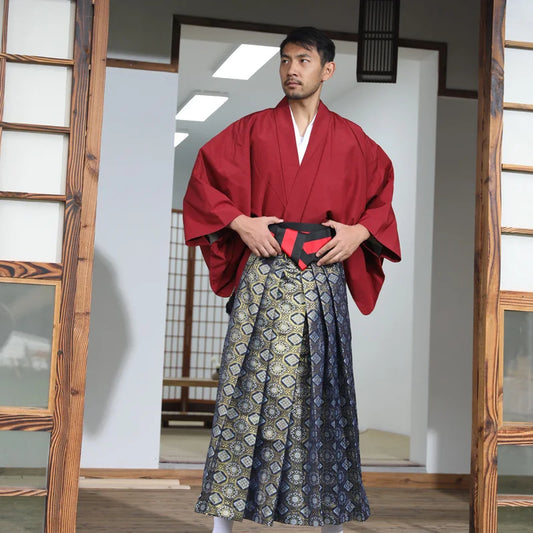
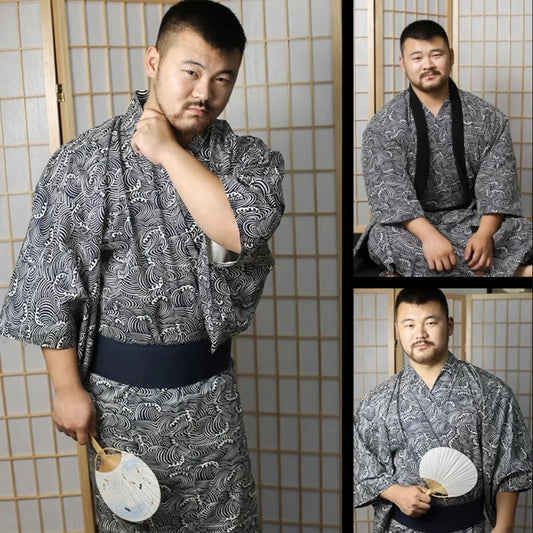
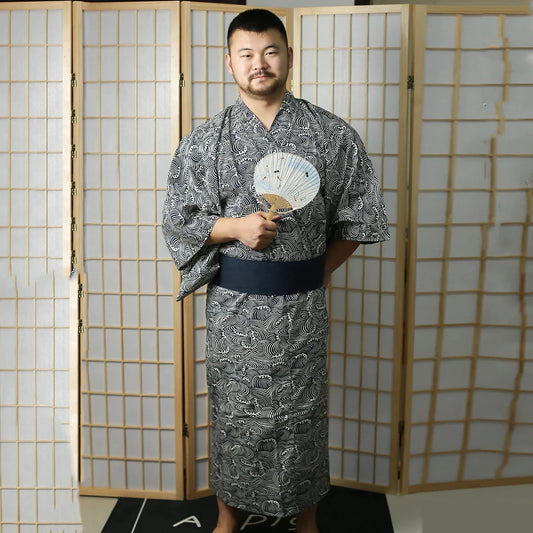
For men, the silhouette has its own dedicated space too: a male kimono or yukata for men offers the same relaxed comfort with proportions and prints designed for a masculine fit.
Choosing Your First Kimono
So you understand what is a kimono — now, which one should you actually buy? Start with how you'll use it. For loungewear or a spa-day feel, a plush kimono robe makes more sense than a formal silk piece. For an event, costume, or cultural celebration, look at a Japanese kimono styled closer to tradition, with a proper obi and structured sleeves.

Fabric matters more than most shoppers expect. A silk kimono drapes beautifully and photographs well but needs gentler care, while a cotton or blended option handles daily wear, washing, and travel far more easily. If you want something that layers well over existing outfits, a shorter cut like a short kimono or a structured kimono jacket tends to be the most versatile starting point.
Don't forget sizing inclusivity either — because the kimono's wrap construction is naturally forgiving, it's one of the easier garments to shop across sizes, including dedicated plus size kimono dress styles that keep the same flattering drape.
Ready to find your perfect kimono?
Browse authentic cuts, breathable fabrics, and easy-to-wear silhouettes for every occasion — from everyday layering to special celebrations. Shipping is tracked and free on every order.
Voir la collection →FAQ
In Japan, kimonos are still worn for weddings, tea ceremonies, graduations, and New Year visits to shrines. Outside Japan, kimono-style garments are mostly worn as casual layers — think beach cover-ups, robes, light jackets, or statement pieces for photos and everyday outfits. The formal version stays tied to ceremony; the modern version is purely about comfort and style.
Wearing a kimono thoughtfully is generally welcomed, especially since kimono shops in Japan actively rent them to tourists for photos and sightseeing. What matters most is wearing it correctly — left over right — and treating the garment with care rather than as a costume punchline. Modern Western-style kimono robes sold as fashion pieces are a different, more casual category entirely.
Stand in front of a mirror after putting it on: your left side of the robe should sit on top, crossing over the right. If you look down and the right side is on top, that's the traditional funeral wrap — simply undo it and switch sides. This one rule applies whether you're wearing a formal silk kimono or a casual cotton version.
A Western bathrobe is typically terry cloth, closes with a simple belt, and is designed purely for after-shower comfort. A kimono-style robe borrows the T-shaped silhouette, wide sleeves, and wrap-front closure of the traditional Japanese garment, often in lighter fabric with prints, and works as both loungewear and an outfit layer you'd wear out.
Orders are shipped with tracked delivery, typically arriving within 7 to 16 business days depending on your location. Shipping is free on qualifying orders over $80, so it's worth checking your cart total before checking out if you're close to that threshold.
Decide on purpose first: loungewear calls for soft cotton, special occasions call for silk or satin with a structured obi, and everyday layering works best with a shorter, lighter cut. Check sleeve length for formality level, and don't skip the sash — it's what gives the whole silhouette its shape and keeps the robe closed properly.
Tags:
Previous
Resort Luxe Kimono Styling: Quiet Luxury Tonal Outfits for Fall/Winter 2026
Next
Types of Kimono: Every Style Explained, From Furisode to Yukata
Related articles
-
Oct 23 2026
Kimono Layering: Combining Traditional & Modern Pieces
-
Oct 23 2026