Events & Cultural Occasions
Kimono Culture Unveiled: Festivals & Events Across North America
⚡ Réponse rapide
Kimono festivals and Japanese cultural events across North America, including major Cherry Blossom celebrations and Japan Days, offer immersive experiences to celebrate traditional and modern Japanese heritage. These vibrant occasions, often featuring parades, performances, and workshops, provide unique opportunities for enthusiasts to don beautiful kimonos and yukatas, connecting with a rich cultural tapestry in cities like Washington D.C., Los Angeles, and Toronto.
The Rising Tide of Kimono Culture in North America
North America is experiencing a remarkable surge in appreciation for Japanese culture, and at its heart lies the timeless elegance of the kimono. What was once a rare sight is now a vibrant fixture at numerous cultural gatherings, transforming cities into canvases celebrating Japanese heritage. From bustling metropolises to serene garden settings, kimono festivals events North America are becoming annual highlights, drawing diverse crowds eager to experience the beauty, history, and artistry behind this iconic garment. These events are more than just celebrations; they are bridges connecting communities and fostering a deeper understanding of Japan's rich traditions.
This growing phenomenon isn't just about admiring from afar; it's about active participation. People of all backgrounds are embracing the opportunity to wear kimonos, whether a traditional silk masterpiece or a playful modern design. This engagement reflects a genuine curiosity and a desire to connect with the cultural narratives woven into each thread. As we look towards 2026, the calendar promises an even richer tapestry of opportunities to immerse ourselves in this captivating world, offering something for everyone, from seasoned Japanophiles to curious newcomers.
The allure extends beyond mere aesthetics. Wearing a kimono at these gatherings becomes a statement of respect, an act of cultural immersion, and a unique way to participate in the festivities. It’s an interactive journey that allows individuals to embody a piece of Japanese artistry. This growing trend underscores the universal appeal of the kimono as a symbol of grace and cultural pride, cementing its place within the diverse cultural landscape of North America.
Cherry Blossom Festivals: A Kimono Spectacle
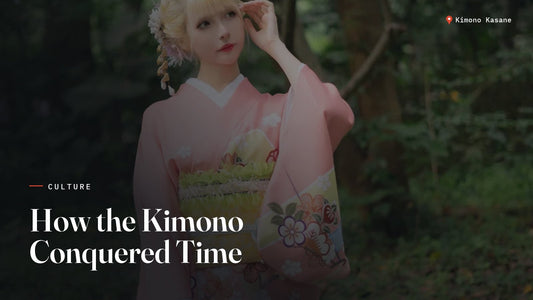
Among the most anticipated kimono festivals events North America are the annual Cherry Blossom Festivals. These ephemeral celebrations of spring, marking the blossoming of the sakura (cherry trees), are perfect backdrops for donning your finest Japanese attire. Cities like Washington D.C., Vancouver, and Toronto host some of the continent's most renowned events, attracting millions of visitors who come to witness the breathtaking beauty of the pink and white blooms, often strolling through parks adorned in exquisite kimonos and yukatas.
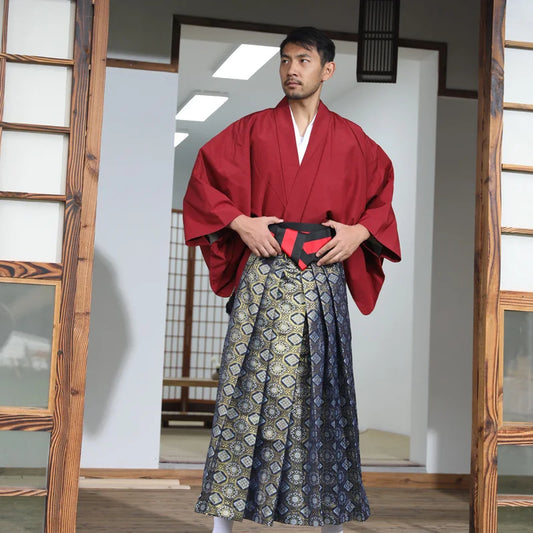
In Washington D.C., the National Cherry Blossom Festival is a monumental event, drawing over 1.5 million people annually. Imagine hundreds, even thousands, of attendees, many dressed in vibrant women's kimonos and elegant men's kimonos, creating a living tapestry against the iconic Tidal Basin. The festival typically features a parade, cultural performances, and Japanese street fairs, where kimonos are not just worn but celebrated as an integral part of the aesthetic. Similarly, Vancouver's Cherry Blossom Festival and Toronto's Sakura Hanami at High Park offer equally enchanting experiences, albeit on a slightly smaller, more intimate scale.
These festivals provide an unparalleled opportunity to showcase your kimono. Whether it’s a delicate silk kimono for a formal tea ceremony or a more casual cotton yukata perfect for a leisurely stroll under the blossoms, the atmosphere is ripe for cultural expression. Many attendees participate in kimono parades or photo shoots, adding a layer of authenticity and beauty to the already stunning natural scenery. Preparing for these events often involves selecting the perfect garment and learning about traditional ways to wear and accessorize it, making the experience deeply personal and enriching.
Tip for Cherry Blossom Festivals
For outdoor events like Cherry Blossom Festivals, consider a lightweight Yukata. It's breathable, comfortable for long wear, and perfect for spring weather. Pair it with geta sandals and a simple obi for an authentic yet practical festival look.

Japan Day Celebrations: Immersive Cultural Experiences
Beyond the ephemeral beauty of the cherry blossoms, Japan Day celebrations offer a more comprehensive dive into Japanese culture throughout the year. These events, held in various cities, are designed to share a broad spectrum of Japanese arts, cuisine, and traditions with North American audiences. From New York City's annual Japan Day @ Central Park to smaller, community-led events in places like San Francisco and Seattle, these gatherings are prime venues for experiencing and displaying traditional Japanese attire.
Japan Day events typically feature a diverse program, including martial arts demonstrations, traditional music and dance performances, calligraphy workshops, and, of course, authentic Japanese food stalls. Many attendees choose to wear kimonos or yukatas, enhancing the festive atmosphere and demonstrating their appreciation for the culture. These events are fantastic opportunities to learn about the intricate details of Japanese aesthetics, from the art of the tea ceremony to the precise movements of traditional dance, often performed by artists in stunning kimonos.
Participating in a Japan Day celebration while wearing a kimono elevates the experience, making you an active part of the cultural tapestry rather than just an observer. It's a chance to engage with fellow enthusiasts, share insights, and even learn about kimono care and styling from experts present at the events. These celebrations are crucial for fostering cross-cultural understanding and ensuring that the legacy of Japanese traditions, including the art of the kimono, continues to thrive across North America.
Beyond the Blossoms: Year-Round Kimono Events
While Cherry Blossom and Japan Day events are prominent, the calendar for kimono festivals events North America extends far beyond spring. Throughout the year, various cultural centers, museums, and even pop culture conventions host events that celebrate Japanese heritage and often feature kimonos. Japanese cultural centers in cities like Los Angeles, Houston, and Toronto frequently organize workshops on kimono wearing, exhibitions of antique kimonos, and seasonal festivals that align with traditional Japanese holidays.
For instance, events like Tanabata (Star Festival) in summer, or various Obon festivals, provide distinct opportunities to wear specific types of kimonos, such as the colorful traditional kimono. Anime and manga conventions, while modern in focus, often see attendees embracing Japanese fashion, including contemporary or cosplay-inspired kimonos. These diverse events highlight the versatility of the kimono, demonstrating its relevance in both historical contexts and modern interpretations. Keep an eye on local Japanese consulate websites and cultural organization listings for events near you.
Museums, such as the Metropolitan Museum of Art in New York or the Royal Ontario Museum in Toronto, periodically feature exhibitions dedicated to Japanese art and fashion, often showcasing historical kimonos. These provide educational insights into the evolution of kimono design and its cultural significance. Attending the opening nights or special lectures at these exhibitions can be another elegant occasion to wear your own kimono, connecting with the art on a deeper, more personal level.
“A kimono is more than just fabric; it is a wearable story, a piece of art that carries centuries of tradition and expresses the soul of its wearer.”
Traditional Japanese Artisan
How to Participate: Dressing for the Occasion
Deciding to wear a kimono to one of the many kimono festivals events North America is an exciting step towards cultural immersion. However, understanding the nuances of selection and etiquette can enhance your experience significantly. First, consider the event's formality and time of year. A heavy silk kimono might be perfect for a formal indoor gala in winter, while a light cotton yukata is ideal for a summer outdoor festival. Don't be afraid to ask for advice when selecting your first kimono; reputable sellers can guide you through the options.
Proper wearing is key to respecting the garment's cultural significance. The left side of the kimono should always be folded over the right (except for burial, where it's reversed). Ensure your obi (sash) is tied correctly and securely, adding to the garment's graceful silhouette. Accessories like kimono sashes, tabi socks, and appropriate footwear (geta or zori) complete the traditional look. While precision is admired, remember that participation and respect are paramount. Most events are welcoming to all levels of expertise in kimono wearing.
Etiquette at Japanese festivals is generally relaxed but mindful. Be respectful of performers and displays, and when taking photos, always ask for permission. If you're unsure about a particular custom, observing others or politely asking a festival organizer can provide clarity. The most important thing is to enjoy the experience, engage with the culture, and let the beauty of your kimono be a part of the celebration. It's a journey of learning and appreciation that makes each festival attendance truly memorable.

Where to Find Your Perfect Kimono for Festivals
Finding the perfect kimono to wear to kimono festivals events North America is an adventure in itself. While dedicated Japanese boutiques and online stores are excellent resources, understanding what to look for will ensure you make a cherished purchase. For authenticity and quality, seek out retailers specializing in Japanese kimonos. They can offer a range from formal silk kimonos to casual cotton yukatas, suitable for different occasions and budgets.
When shopping, consider the fabric: silk kimonos are luxurious and ideal for formal events, while cotton or linen yukatas are lighter and more comfortable for summer festivals. Pay attention to the patterns and colors; traditional motifs often carry symbolic meanings, from cherry blossoms representing beauty to cranes symbolizing longevity. Sizing is also crucial, as kimonos are designed to fit a range of body types when wrapped correctly, but length and sleeve drop are important considerations for proper fit and aesthetic.
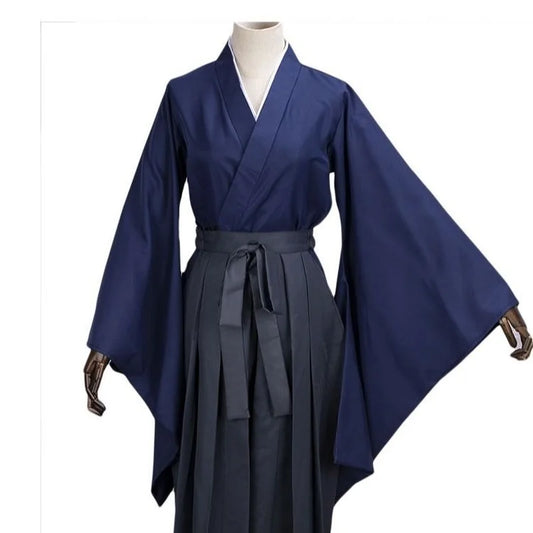
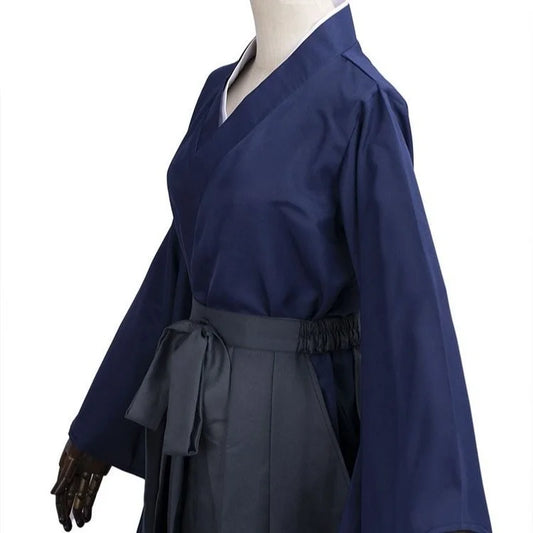
Online retailers, like our own, provide an extensive selection, often accompanied by detailed descriptions and sizing guides. This makes it easier to explore various styles, from men's to women's, and even children's kimonos, all from the comfort of your home. Always check customer reviews and return policies to ensure a smooth shopping experience. Investing in a quality kimono is an investment in cultural appreciation and a garment you'll cherish for years to come.
10-25
Days for tracked delivery
$80+
Free shipping threshold
75%
Customers explore multiple collections
Making the Most of Your Kimono Festival Experience
Attending kimono festivals events North America offers a unique opportunity to engage with Japanese culture on a deeply personal level. To truly maximize your experience, plan ahead. Research the festival schedule for specific events like kimono parades, tea ceremonies, or cultural workshops that interest you. Arriving early can help you avoid crowds and enjoy the atmosphere more serenely, especially if you plan on taking photographs of yourself in your kimono.
Engage with the community! Many festivals feature booths hosted by Japanese cultural organizations, artisans, and local businesses. These are excellent places to learn more about kimono history, traditional crafts, and even try your hand at origami or calligraphy. Don't hesitate to compliment other attendees on their kimonos; it's a wonderful way to strike up conversations and share your passion for Japanese fashion. Consider bringing a small bag for any souvenirs or treats you might acquire.
Photography is a significant part of capturing these memories. Look for scenic backdrops, like blossoming trees or traditional Japanese garden elements, that complement your kimono. Remember to be mindful of others and avoid blocking pathways or views. Share your photos on social media with relevant hashtags to connect with a wider community of kimono enthusiasts. Most importantly, allow yourself to be fully present and soak in the vibrant, respectful, and joyful atmosphere that these unique cultural celebrations offer.
Star Tip: Festival Photography
When photographing kimonos at festivals, focus on capturing both the garment's intricate details and the joyful expressions of the wearers. Utilize natural light and seek out traditional Japanese elements in the background to create truly memorable and authentic shots that reflect the spirit of the event.
The Economic & Cultural Impact of Kimono Tourism
The proliferation of kimono festivals events North America has a profound impact extending beyond mere entertainment; it fuels a significant economic and cultural exchange. These events boost local economies through tourism, supporting hotels, restaurants, and local businesses that cater to attendees. More specifically, they create a demand for authentic Japanese goods, from kimonos and accessories to traditional crafts and culinary products, directly benefiting artisans and importers.
Culturally, these festivals play a vital role in preserving and promoting Japanese traditions. They serve as educational platforms, introducing new generations and diverse communities to the rich history and artistry of the kimono. This cultural exchange helps to break down barriers, fostering understanding and appreciation between different backgrounds. The engagement with Japanese aesthetics encourages a deeper dive into the language, history, and societal values that underpin this fascinating culture.
Looking ahead, the sustained interest in kimono tourism suggests a bright future for these events. Organizers are continually innovating, incorporating modern elements while respecting tradition, ensuring that these festivals remain relevant and appealing. The demand for authentic, high-quality kimonos continues to grow, driving retailers to offer diverse collections that cater to various tastes and budgets, ensuring the kimono remains a cherished garment and a symbol of enduring cultural connection across North America.
- Plan Your Outfit: Choose a kimono or yukata appropriate for the weather and formality of the event.
- Learn Basic Etiquette: Understand simple customs to show respect, like folding the kimono correctly.
- Check Festival Schedules: Identify must-see performances, workshops, or parades in advance.
- Stay Hydrated & Comfortable: Especially for outdoor events, wear comfortable footwear and drink plenty of water.
- Engage & Explore: Talk to vendors, participate in activities, and immerse yourself fully in the cultural experience.
- Capture Memories Responsibly: Take photos, but always be mindful of others and ask permission when needed.

Find Your Perfect Kimono for the Next Festival
Ready to immerse yourself in the beauty of Japanese culture? Explore our exquisite collection of kimonos, perfect for any festival or special occasion.
Voir la collection →FAQ
The most popular kimono festivals and events in North America typically revolve around Cherry Blossom season, with major celebrations in Washington D.C., Vancouver, and Toronto attracting large crowds. Additionally, Japan Day events in cities like New York, Los Angeles, and San Francisco offer extensive cultural programs where kimonos are a central feature. Throughout the year, various Japanese cultural centers and museums host workshops, exhibitions, and seasonal festivals like Tanabata and Obon, all providing excellent opportunities to wear and appreciate kimonos. These events collectively showcase the growing interest in Japanese culture across the continent.
To properly wear a kimono to a North American festival, start by choosing a kimono or yukata appropriate for the weather and event formality. Always wrap the left side over the right, ensuring a smooth, elegant silhouette. Secure it with an obi (sash), tying it firmly but comfortably. Complete your ensemble with traditional accessories like tabi socks and appropriate footwear (geta or zori). While striving for authenticity is great, remember that showing respect for the culture and enjoying the experience are most important. Many online tutorials and workshops can guide you through the process, making it accessible for beginners.
For an authentic Japanese kimono suitable for North American events, specialized online retailers and dedicated Japanese cultural boutiques are your best bet. Look for stores that clearly detail the kimono's origin, fabric (silk, cotton, linen), and style (e.g., formal furisode, casual yukata, or a comfortable kimono robe). Our online collection offers a wide range of high-quality Japanese kimonos and yukatas designed for both traditional appreciation and modern wear. Always check customer reviews and detailed product descriptions to ensure you're making an informed purchase that aligns with your needs and budget for festival attendance.
The main difference between a kimono and a yukata, especially for festival wear, lies in their formality, fabric, and seasonality. A kimono is typically made of silk, wool, or synthetic fabrics, often worn with multiple undergarments, and suitable for more formal occasions year-round. A yukata, on the other hand, is a lighter, unlined cotton garment designed for summer, particularly for casual events like summer festivals (matsuri) and after-bath wear. For most outdoor North American festivals, especially in warmer months, a yukata is a comfortable and practical choice, while a traditional kimono is often reserved for more formal cultural events or cooler weather.
Yes, while North American events are generally welcoming, observing certain etiquette rules when wearing a kimono at cultural events shows respect. The most crucial is ensuring the left side of the kimono is always folded over the right (reversing this is for burial). Be mindful of your posture; a kimono encourages graceful movements. At ceremonies or performances, maintain quiet respect. When taking photos, always ask for permission, especially if people are involved. Most importantly, embrace the spirit of cultural exchange with an open mind and a willingness to learn, contributing positively to the festive atmosphere.
To ensure a high-quality and authentic kimono purchase, particularly for kimono festivals events North America, prioritize reputable vendors specializing in Japanese textiles. Look for descriptions that specify the fabric composition (e.g., 100% Habutai silk, high-grade cotton), craftsmanship details, and traditional patterns. Authenticity often comes with a higher price point, reflecting the quality of materials and artisan labor. Beware of overly cheap kimonos that might be made with inferior materials or lack traditional construction. Reading customer reviews, asking questions about the garment's origin, and examining detailed product photos are all crucial steps in making a confident and satisfying purchase.
Tags:
Previous
Floral Kimono Patterns: Your Ultimate Guide to Seasonal Styling & Peak Shopping Calendar
Next
Kimono for Men & Non-Binary Fashion: Inclusive Styling Guide for All Genders
Related articles
-
Oct 23 2026
Kimono Layering: Combining Traditional & Modern Pieces



-
Oct 23 2026