Floral Kimono Patterns: Your Ultimate Guide to Seasonal Styling & Peak Shopping Calendar

Styling & Trends
Floral Kimono Patterns: Your Ultimate Guide to Seasonal Styling & Peak Shopping Calendar
⚡ Réponse rapide
Floral kimono patterns are versatile garments reflecting nature's beauty, adaptable for any season. Their intricate designs, from delicate cherry blossoms to bold chrysanthemums, offer endless styling possibilities for casual outings or formal events. Understanding their seasonal significance and optimal shopping times in the US ensures you find the perfect piece to elevate your wardrobe with timeless elegance.
The Enduring Charm of Floral Kimono Patterns in Modern Fashion
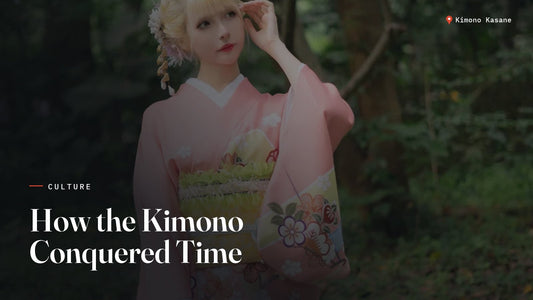
Floral patterns on kimonos are more than just decorative designs; they are a profound expression of nature's beauty, deeply intertwined with Japanese culture and aesthetics. For centuries, these intricate motifs have graced traditional garments, symbolizing everything from good fortune and longevity to fleeting beauty and seasonal change. In the United States, the allure of floral kimono patterns has transcended cultural boundaries, captivating fashion enthusiasts who seek unique, elegant, and versatile pieces to enrich their wardrobes. Whether you're drawn to the delicate grace of cherry blossoms or the bold vibrancy of chrysanthemums, there's a floral kimono pattern that speaks to your personal style and offers a touch of timeless sophistication.
The modern appeal of floral kimonos lies in their incredible versatility. No longer confined to formal events or traditional ceremonies, these garments have seamlessly integrated into contemporary fashion. They can be dressed up or down, making them perfect for a wide array of occasions, from a casual weekend brunch to a chic evening out. Designers and fashionistas in the US are constantly discovering new ways to incorporate floral kimonos into everyday wear, transforming them from a statement piece into a wardrobe staple. This adaptability, combined with their inherent beauty, ensures that floral kimono patterns remain a cherished and sought-after item.
Understanding the symbolism behind these patterns adds another layer of appreciation. For instance, the peony often represents wealth and good fortune, while the iris symbolizes protection from evil. Pine, bamboo, and plum (Sho Chiku Bai) are known as the “Three Friends of Winter” and signify resilience. By choosing a floral kimono, you're not just selecting a beautiful garment; you're embracing a rich narrative and a piece of wearable art. Exploring our Floral Kimono collection reveals the diverse array of designs available, each telling its own story and offering unique styling potential for fashion-forward individuals across the United States.

Deciphering Seasonal Floral Motifs: A Design Deep Dive
Japanese aesthetics are deeply rooted in the appreciation of nature's cycles, and this is nowhere more evident than in floral kimono patterns. Each season has its emblematic flowers, and understanding these motifs is key to truly appreciating and styling your kimono. For spring, the undisputed queens are the sakura (cherry blossoms) and ume (plum blossoms). Sakura, with their ephemeral beauty, symbolize renewal and the transient nature of life, often depicted in soft pinks and whites. Ume blossoms, blooming earlier and more resilient, represent endurance and hope. Paired with delicate pastels and airy fabrics, these patterns evoke the freshness and gentle awakening of spring.
As summer unfolds, the floral palette shifts to more vibrant and dynamic designs. Asagao (morning glories) symbolize fleeting love and summer mornings, typically rendered in brilliant blues and purples. Ayame (irises), with their elegant upright forms, signify protection and nobility, often found in striking blues, whites, and yellows. Hydrangeas, known for their lush clusters, also make an appearance, bringing a sense of abundance. These summer motifs are often bolder, brighter, and sometimes feature water elements, reflecting the season's warmth and energy. They pair wonderfully with lighter materials like cotton or linen, perfect for the warmer climates across the United States.
Autumn ushers in a rich tapestry of colors and patterns. The majestic kiku (chrysanthemum) is paramount, symbolizing longevity, nobility, and often royalty. Its intricate petals are depicted in deep reds, oranges, golds, and purples, mirroring the changing leaves. Momiji (maple leaves) are another quintessential autumn motif, celebrated for their fiery hues. Susuki (pampas grass) adds a touch of rustic elegance. These designs are often found on kimonos made from slightly heavier fabrics, suitable for the cooler temperatures and vibrant landscapes of fall. Finally, winter, though seemingly barren, boasts its own subtle beauty. Tsubaki (camellias), blooming in the cold, represent endurance and purity. Matsu (pine) and bamboo, evergreens, symbolize resilience and strength. Winter patterns are often starker, with fewer flowers, sometimes incorporating snow motifs or elegant, sparse arrangements on darker backgrounds, conveying a sense of serene beauty.
Expert Tip: Identifying Seasonal Motifs
To identify the season a floral kimono pattern represents, look closely at the specific flowers and their associated colors. Cherry blossoms (Sakura) are quintessential spring, morning glories (Asagao) scream summer, chrysanthemums (Kiku) herald autumn, and camellias (Tsubaki) signify winter. Also, consider the overall color palette: pastels for spring, brights for summer, rich tones for autumn, and muted or stark contrasts for winter. This knowledge will elevate your styling choices and deepen your appreciation for the garment's narrative.
Styling Your Floral Kimono for Every Season: A US Perspective
The beauty of floral kimono patterns lies in their adaptability, allowing for stylish wear throughout the year, especially when considering the varied climates in the United States. For spring, embrace freshness and lightness. A floral kimono, perhaps featuring cherry blossoms or wisteria, can be draped over a simple white tee and jeans, paired with ballet flats or minimalist sandals. It’s perfect for a weekend brunch, a stroll in the park, or attending a local spring festival. Think layers that can be easily added or removed as the weather fluctuates, making it a comfortable yet chic outer layer.
When summer arrives, your floral kimono becomes an essential lightweight cover-up. Opt for vibrant patterns like morning glories or hydrangeas on breathable fabrics such as cotton or rayon. It can be worn over a swimsuit at the beach or pool, transforming into an elegant Beach Kimono. For city wear, pair a Short Kimono with denim shorts and a tank top, or use a longer one as a breezy jacket over a simple sundress. The key here is effortless elegance and comfort in the heat, providing sun protection while maintaining a stylish silhouette.

Autumn invites richer textures and warmer layering. Your floral kimono, perhaps with chrysanthemum or maple leaf motifs, can be styled over a thin knit sweater or long-sleeved top, paired with dark wash jeans, ankle boots, and a wide-brimmed hat. This creates a sophisticated, bohemian-inspired look ideal for apple picking, visiting pumpkin patches, or enjoying fall foliage. The kimono adds a vibrant pop of color and pattern against the more muted tones of fall fashion, making it a standout piece for cooler temperatures. Consider a Womens Kimono with slightly heavier fabric for added warmth and luxury.
Even in winter, floral kimonos can find their place in your wardrobe, particularly for indoor gatherings or special occasions. A luxurious silk floral kimono, perhaps with camellia or pine motifs, can be worn as an elegant robe over evening wear, or as a sophisticated layer over a monochrome outfit for a holiday party. For a cozy yet chic look, layer it over a cashmere sweater and slim-fit trousers. The vibrant patterns provide a welcome splash of color against winter's often somber palette, proving that floral elegance knows no seasonal bounds. It’s about choosing the right fabric weight and styling it appropriately for the environment.
"A well-chosen floral kimono is a conversation starter, a piece of art. Don't be afraid to experiment with layering; it's how you make it uniquely yours, season after season."Artisan Weaver, Kyoto
Beyond the Traditional: Modern Floral Kimono Silhouettes & Fabrics
While the image of a full-length, formal kimono often comes to mind, the world of floral kimonos extends far beyond this traditional silhouette, especially in contemporary American fashion. Modern interpretations offer a plethora of styles, each with its own charm and versatility. The Kimono Robe, for instance, has become a popular choice for loungewear or as a sophisticated cover-up for a night out, blending comfort with undeniable elegance. Its relaxed fit and flowing fabric make it incredibly comfortable, while vibrant floral patterns elevate it from a simple robe to a fashion statement.
Another beloved adaptation is the Haori Jacket, a shorter, more casual version of the kimono, typically worn open like a cardigan or light jacket. These are fantastic for adding a pop of floral pattern to an otherwise simple outfit. Whether paired with jeans and a tee or a sleek dress, a haori jacket instantly infuses an outfit with artistic flair. Similarly, the Kimono Jacket and Short Kimono offer similar versatility, acting as stylish layers that can transition seamlessly from day to night, making them ideal for the dynamic US lifestyle.
The choice of fabric significantly impacts a floral kimono's drape, feel, and seasonal appropriateness. Silk Kimono varieties are the epitome of luxury, offering a smooth, lustrous finish and exquisite drape. They are perfect for special occasions or when you want to indulge in pure elegance. Cotton kimonos, on the other hand, are breathable and comfortable, making them ideal for casual wear, especially during warmer months. Rayon and polyester blends offer durability and often mimic the feel of silk while being more budget-friendly and easier to care for. These modern fabric choices, combined with diverse silhouettes, ensure that there's a floral kimono pattern for every preference and every body type, including a beautiful range of Plus Size Kimono options that prioritize both style and comfort.
Understanding Kimono Fabric & Function
When selecting your floral kimono, consider the fabric's properties. Silk offers unparalleled luxury and drape for formal events. Cotton is breathable and casual, ideal for everyday wear or summer. Rayon provides a good balance of drape and affordability, perfect for versatile styling. Understanding these differences helps you choose a kimono that not only looks stunning but also performs optimally for its intended use, ensuring comfort and style in any setting in the United States.
The Savvy Shopper's Guide: Peak Calendar for Floral Kimono Patterns
Timing your purchases can significantly enhance your collection of floral kimono patterns, ensuring you not only find the perfect piece but also the best value. Retailers often align their new arrivals and sales with major fashion seasons and cultural events. Seasonal launches typically occur in late winter/early spring for spring/summer collections, and late summer/early fall for autumn/winter lines. This is when you'll find the freshest designs, showcasing the latest trends in floral motifs and color palettes. If you're looking for the very latest in floral elegance, keeping an eye on these release windows is crucial.
For those seeking excellent deals, focusing on major sales events is key. Black Friday and Cyber Monday, typically in late November, are prime opportunities to snag significant discounts on a wide range of kimonos, including those with intricate floral patterns. End-of-season sales are also golden opportunities; look for summer clearances in August and winter clearances in January. These periods allow retailers to make way for new inventory, offering substantial markdowns on current stock. Subscribing to newsletters from your favorite kimono retailers in the United States can give you early access to these promotions.
Beyond traditional sales, certain cultural events can also influence kimono availability and promotions. For example, during spring, many US cities host Cherry Blossom Festivals. While not direct sales events, the heightened interest in Japanese culture during these times can sometimes lead to special promotions or pop-up shops featuring floral kimonos. Similarly, Japanese cultural festivals throughout the year might offer unique, artisan-crafted pieces. Being aware of these windows, alongside understanding our reliable shipping and customer service, helps you plan your purchases effectively.
10-25
Business Day Shipping
$80+
Free US Shipping
95%
Customer Satisfaction
When shopping for high-quality items, consider that a beautiful Silk Kimono with detailed floral embroidery might be an investment piece. While it may not see the same deep discounts as mass-produced items, its timeless beauty and durability offer long-term value. For everyday wear or lighter styles like the Yukata Women, cotton and rayon options often become more accessible during sales. By strategically timing your purchases, you can build a stunning collection of floral kimonos that caters to both your aesthetic preferences and your budget.
Curating Your Collection: Essential Floral Kimono Pieces
Building a versatile collection of floral kimono patterns doesn't mean you need dozens of pieces. Instead, focus on a few key styles that offer maximum impact and flexibility for various occasions and seasons. Start with a foundational Womens Kimono featuring a classic, all-season floral pattern. A design with a mix of adaptable flowers like chrysanthemums and plum blossoms on a neutral background (like black or white) can be styled year-round, making it incredibly practical. This piece can serve as a sophisticated outer layer, a luxurious robe, or even a unique dress for an evening out.
Next, consider adding a Short Kimono or a Haori Jacket. These shorter styles are perfect for casual layering and adding a pop of floral elegance to everyday outfits without overwhelming your frame. Look for one with a vibrant, seasonal floral pattern – perhaps bright morning glories for summer or rich maple leaves for autumn. Their versatility makes them excellent for transitioning between seasons or for light layering in warmer climates across the United States. They pair wonderfully with jeans, skirts, or even over a simple tank top.
Finally, for those special moments or when you want to indulge in pure luxury, invest in a beautiful Silk Kimono with an exquisite floral pattern. This could be a traditional design, an antique-inspired piece, or a contemporary artistic interpretation. A silk floral kimono is a statement of elegance and craftsmanship, ideal for formal events, romantic evenings, or simply for feeling utterly pampered at home. This curated approach ensures your collection is both practical and aspirational, allowing you to enjoy the beauty of floral kimonos in every aspect of your life.

- Your Floral Kimono Wardrobe Essentials:
Caring for Your Floral Kimono: Longevity and Vibrancy
Proper care is paramount to preserving the beauty and longevity of your floral kimono patterns. The specific care instructions will largely depend on the fabric composition. For luxurious Silk Kimono pieces, dry cleaning is often the safest and most recommended method to maintain their delicate weave, vibrant colors, and intricate embroidery. If hand-washing is absolutely necessary, use cold water and a specialized silk-friendly detergent, gently squeezing (never wringing) the fabric. Air dry flat or on a padded hanger away from direct sunlight, which can cause fading.
Cotton and rayon floral kimonos are generally more forgiving. Many can be machine-washed on a gentle cycle with cold water, but always check the garment's specific care label. Use a mild detergent and avoid harsh bleaches that can damage fibers and fade patterns. Tumble dry on a low heat setting or, for best results in preserving shape and color, air dry. Ironing on a low to medium setting, ideally on the reverse side of the fabric, can help smooth out wrinkles without damaging the floral prints. Always test a small, inconspicuous area first if you're unsure.
Storage is another critical aspect of kimono care. Always store your floral kimonos on padded hangers to prevent creasing and stress on the fabric. If folding, ensure they are neatly folded to minimize permanent wrinkles. Keep them in a cool, dry place away from direct sunlight and humidity, which can lead to mildew or fading. Using breathable garment bags can offer additional protection from dust and pests. By following these care guidelines, your cherished floral kimono patterns will remain vibrant and beautiful for years to come, allowing you to enjoy their elegance season after season.
Preserving Delicate Floral Patterns
For kimonos with delicate embroidery or hand-painted floral patterns, consider professional dry cleaning as your primary option. If cleaning at home, turn the garment inside out to protect the surface design. Avoid rubbing or scrubbing directly on embellished areas. When storing, tissue paper can be placed between folds to prevent colors from bleeding or intricate details from catching, ensuring your unique floral artistry remains pristine.
The Investment in Elegance: Understanding Kimono Pricing & Value
The price of a floral kimono pattern can vary significantly, reflecting a multitude of factors that contribute to its overall value. Key determinants include the fabric type, the intricacy of the floral design, the craftsmanship involved, and the origin. For instance, a pure Silk Kimono with hand-painted or hand-embroidered floral motifs, crafted by skilled artisans, will naturally command a higher price than a mass-produced rayon or cotton blend. The level of detail in the floral pattern, whether it's a simple printed design or a complex woven motif, also plays a crucial role.
Beyond the immediate cost, it's essential to consider the long-term value a floral kimono offers. These are not merely transient fashion items; they are often seen as pieces of wearable art and cultural heritage. A well-made floral kimono, particularly a Traditional Kimono, is a timeless garment that can be cherished for decades, even passed down through generations. Its versatility allows it to be styled in countless ways, adapting to evolving fashion trends while retaining its intrinsic elegance. This timelessness means you're investing in a piece that will continually bring joy and sophistication to your wardrobe, proving its worth far beyond the initial purchase price.
When shopping in the United States, look for retailers who are transparent about their sourcing and craftsmanship. While budget-friendly options are available and perfectly suitable for casual wear, understanding the difference in materials and artistry helps you make an informed decision about your investment. Whether you choose an affordable everyday floral kimono or a luxurious heirloom piece, the value lies in its unique ability to elevate your style, express your appreciation for beauty, and connect you with a rich cultural tradition. Explore our diverse collection to find a floral kimono that perfectly aligns with your budget and aesthetic aspirations.
Discover Your Perfect Floral Kimono
Embrace timeless elegance and express your unique style with our exquisite collection of floral kimonos. Find the perfect pattern to brighten your wardrobe today.
View the Collection →FAQ
The most common floral patterns on kimonos reflect the changing seasons in Japan. For spring, cherry blossoms (sakura) and plum blossoms (ume) are prevalent, symbolizing renewal and endurance. Summer features morning glories (asagao) and irises (ayame), representing fleeting beauty and nobility. Autumn is dominated by chrysanthemums (kiku) and maple leaves (momiji), signifying longevity and the beauty of change. Winter often showcases camellias (tsubaki) and pines (matsu), embodying resilience and purity. These motifs are deeply symbolic and offer a rich narrative to the garment.
Absolutely! Floral kimonos are incredibly versatile and can be styled year-round in the United States. The key is to choose the right fabric and layer appropriately. Lighter materials like cotton or rayon with vibrant patterns are perfect for spring and summer as breezy cover-ups or light jackets. For fall and winter, opt for kimonos made from silk or slightly heavier blends, layering them over sweaters or dresses for warmth and elegance. Understanding seasonal motifs can also guide your choice, but modern styling allows for creative interpretation regardless of the traditional season of the flower.
Choosing the right floral kimono for your body type involves considering cut, length, and pattern scale. For petite frames, shorter kimonos or haori jackets with smaller, delicate floral patterns can be very flattering, avoiding overwhelming the silhouette. Taller individuals can beautifully carry longer, flowing kimonos with larger, bolder floral designs. For all body types, an open-front kimono or a kimono robe can create a flattering vertical line. Experiment with different styles and see what makes you feel most comfortable and confident, as personal comfort is always paramount.
Both yukata and traditional kimonos feature beautiful floral patterns, but they differ significantly in formality and construction. A traditional kimono is a formal garment, typically made of silk, with multiple layers and requiring intricate tying of an obi sash. It's worn for special occasions. A yukata, on the other hand, is a much lighter, more casual summer garment, usually made of cotton or synthetic fabrics, and is worn single-layered. Yukatas are often found with bold and bright floral patterns and are popular for festivals or relaxing at home, making them a more accessible option for casual floral wear in the US.
Proper care is crucial for preserving the vibrancy of your floral kimono patterns. For silk kimonos, professional dry cleaning is often recommended. Cotton and rayon kimonos can typically be hand-washed or machine-washed on a gentle cycle with cold water and a mild detergent. Always check the specific care label. Avoid harsh chemicals or direct sunlight during drying, as these can fade colors. Store your kimono on a padded hanger in a cool, dry place away from humidity to prevent creases and damage, ensuring its beauty endures for years.
In the United States, authentic floral kimono patterns can be found through various channels. Specialized online boutiques, like our store, often curate collections directly from Japan or feature high-quality interpretations. Look for retailers that provide details about the craftsmanship, fabric, and origin of their kimonos. Additionally, Japanese cultural centers, antique markets, and specialty vintage shops in major cities can sometimes offer unique, traditional, or vintage pieces. Always verify the authenticity and quality to ensure you are investing in a true piece of artistry that celebrates Japanese heritage.
Tags:
Previous
Vintage Komon Streetwear Styling: How to Wear Casual Everyday Kimonos with Modern Belts
Next
Kimono Culture Unveiled: Festivals & Events Across North America
Related articles
-
Oct 23 2026
Kimono Layering: Combining Traditional & Modern Pieces

-
Oct 23 2026