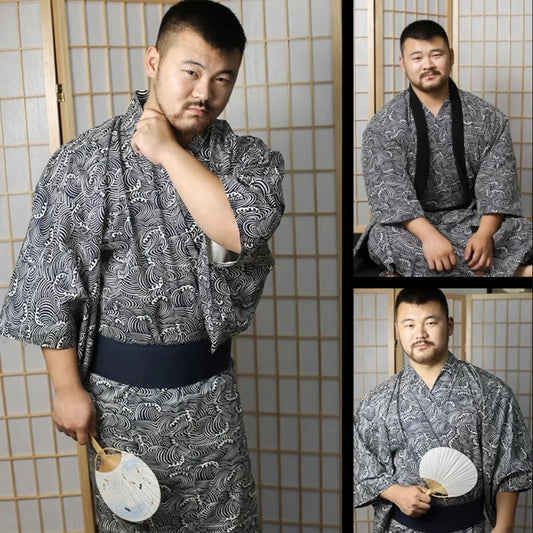
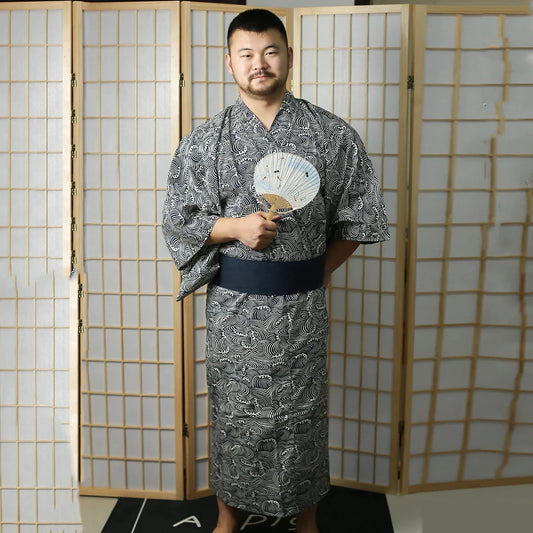
Vintage Komon Streetwear Styling: How to Wear Casual Everyday Kimonos with Modern Belts

Street Style & Modern Styling
Vintage Komon Streetwear Styling: How to Wear Casual Everyday Kimonos with Modern Belts
⚡ Réponse rapide
Vintage Komon kimonos offer a unique foundation for casual streetwear styling in the United States. By pairing these beautifully patterned, everyday garments with modern belts – from wide leather cinchers to sleek fabric sashes – you can transform a traditional silhouette into a contemporary, personalized statement outfit, embracing comfort and cultural elegance for daily wear.
The Komon Renaissance in Streetwear
The fashion world is in a constant state of flux, yet some styles possess a timeless appeal that transcends fleeting trends. Among these, the Japanese kimono stands as an icon of grace and cultural depth. While the elaborate formal kimono commands respect, it’s the komon kimono – originally designed for everyday wear – that is truly having a moment in the modern streetwear scene across the United States. These casual kimonos, often adorned with repeating, smaller patterns, are being rediscovered by fashion enthusiasts seeking unique, sustainable, and culturally rich additions to their wardrobes. This isn't just about wearing a costume; it's about integrating a piece of textile art into daily life, transforming it with contemporary styling cues.
Embracing vintage komon for streetwear is an act of creative rebellion against fast fashion. It speaks to a desire for individuality, quality craftsmanship, and a story behind what we wear. Unlike their more formal counterparts, komon kimonos were traditionally worn for casual outings, visits, or everyday tasks, making them perfectly suited for adaptation into a comfortable yet striking modern aesthetic. The beauty lies in their versatility: a komon can be a statement piece, a sophisticated layer, or even a relaxed robe. The key to unlocking its streetwear potential, however, often lies in one crucial accessory: the modern belt. Forget the complex traditional obi; we're talking about contemporary belts that cinch, define, and add an entirely new dimension to the kimono silhouette.
This comprehensive guide dives deep into the art of vintage komon casual streetwear styling, offering expert advice on how to select, combine, and accessorize these beautiful garments. We'll explore everything from understanding komon patterns to choosing the perfect modern belt, layering techniques, and creating cohesive outfits for various urban settings. Get ready to transform your perception of the kimono and integrate its timeless elegance into your everyday modern style, making a statement that’s both authentic and effortlessly cool.
Decoding Vintage Komon: Patterns, Fabrics, and Soul
Before diving into styling, it's essential to understand what makes a komon kimono special. The term “komon” literally means “small patterns,” referring to the repeating motifs that cover the entire garment. Unlike more formal kimonos where patterns might be strategically placed or limited to the hem, komon patterns are continuous, creating a sense of dynamic texture and visual interest. These patterns can range from intricate floral designs (like those found in our Floral Kimono collection) and geometric motifs to playful nature scenes or abstract repetitions. Each pattern tells a story, often reflecting seasons, cultural symbols, or simply aesthetic beauty.

When sourcing vintage komon, you'll encounter a rich variety of fabrics. Silk is, of course, the most luxurious and traditional choice, offering incredible drape, luster, and breathability. However, vintage komon can also be found in wool, cotton, or synthetic blends, each offering different textures and levels of formality. For streetwear, a slightly heavier silk or a cotton komon might be more practical and durable. Look for pieces in good condition, paying attention to the fabric's integrity, color vibrancy, and any signs of wear. A good vintage komon should feel substantial and have a history, ready to embark on its next chapter with you.
Tip for Pattern Play
When selecting a vintage komon, consider the scale of its pattern. Smaller, denser patterns tend to be more versatile and easier to integrate into diverse outfits, while larger, bolder motifs can make a strong statement but may require more thoughtful pairing with other elements. Think about how the pattern’s colors will complement your existing wardrobe and your personal aesthetic.
The charm of vintage komon lies not just in its aesthetics but also in its inherent sustainability and uniqueness. Each piece carries a legacy, a whisper of past lives and craftsmanship. Opting for vintage means choosing an item that stands out from mass-produced clothing, contributing to a more circular fashion economy. Prices for vintage komon can vary widely based on fabric, condition, age, and rarity, typically ranging from $80 for a well-preserved cotton piece to several hundred dollars for exquisite silk creations. This investment isn't just in clothing; it's in a piece of wearable art that tells a story and reduces environmental impact.
The Modern Belt: Beyond the Traditional Obi
The traditional obi, while beautiful, is often too formal and complex for everyday streetwear. This is where the modern belt steps in as a game-changer for komon styling. A well-chosen belt can completely redefine the kimono silhouette, adding structure, emphasizing the waist, and introducing a contemporary edge. Think of it as a bridge between the traditional garment and your personal modern style. The possibilities are endless, allowing for individual expression and comfort.
Here are some popular modern belt styles that pair exceptionally well with vintage komon, along with tips for selecting them:
- Wide Leather Cinch Belts: These are fantastic for creating a strong, defined waistline. They can transform a flowing komon into a more structured, dress-like garment. Opt for neutral colors like black, brown, or tan for versatility, or a bold color to make a statement.
- Skinny Belts: For a more subtle approach, a thin leather or chain belt can add just a touch of definition without overpowering the komon's pattern. Ideal for lighter fabrics or when you want the kimono to remain the focal point.
- Woven or Rope Belts: These add a textural, bohemian, or artisanal feel. They're perfect for casual, relaxed komon styles and can introduce an interesting contrast to silk fabrics. Look for natural fibers or intricate weaves.
- Corset-Style Belts: For a dramatic, fashion-forward look, a wide corset-style belt can create an hourglass silhouette and add an edgy, avant-garde touch. This works particularly well with solid-colored komon or those with subtle patterns.
- Fabric Sashes (non-obi): While not a traditional obi, a simple fabric sash in a contrasting color or texture can offer a soft, elegant way to cinch the waist. You can even use a scarf or a piece of fabric from another garment to create a unique sash. Check out our Kimono Accessories for inspiration.
When choosing a belt, consider the komon's fabric and pattern. A delicate silk komon might be overwhelmed by a heavy, studded leather belt, while a sturdy cotton komon can handle more robust accessories. Experiment with placement: wearing the belt higher on your natural waist can elongate your legs, while a lower placement can create a more relaxed, hip-slung vibe. Don't be afraid to mix textures and materials; a smooth leather belt against patterned silk can create a visually appealing contrast that elevates your entire outfit.
Foundational Styling Tips for Your Komon Outfit
Styling a vintage komon for streetwear involves balancing its traditional origins with modern sensibilities. The goal is to create an outfit that feels cohesive, comfortable, and distinctly you. Here are some foundational tips to get you started:
42%
of our customers appreciate the versatility of kimonos for daily wear
3
key steps to transform a komon: Cinch, Layer, Accessorize
80$+
Free shipping on orders over this amount in the US
1. The Base Layer: What to Wear Underneath
Since komonos are typically open, what you wear underneath is crucial. For casual streetwear, simple, streamlined pieces work best. Think a fitted tank top, a plain t-shirt (crew neck or V-neck), or a sleek bodysuit. Neutral colors (black, white, gray, nude) are always a safe bet, allowing the komon's pattern to shine. However, don't shy away from complementing colors that pick up a hue from the komon's design for a more coordinated look. For cooler weather, a thin turtleneck or long-sleeve top can provide warmth without adding bulk.
2. Bottoms Up: Pairing with Pants, Skirts, or Shorts
The versatility of komon extends to bottoms. For a relaxed, modern look, slim-fit jeans or tailored trousers are excellent choices. Distressed denim can add an edgy contrast to a refined silk komon. Wide-leg pants or culottes can create a flowing, elegant silhouette, especially with a shorter komon jacket or a cinched full-length one. Skirts, from pencil skirts to flowing maxi skirts, also work beautifully. Consider the length of your komon; a shorter one pairs well with almost any bottom, while a longer one might call for more fitted options to avoid overwhelming your frame. Don't forget Kimono Pants for an integrated, comfortable style.

3. Footwear: Grounding Your Look
Footwear choice can dramatically alter the vibe of your komon outfit. For ultimate casual comfort, stylish sneakers (think classic white trainers or retro-inspired kicks) are a perfect match, embodying the "streetwear" aspect. Ankle boots, especially those with a slight heel, can add an urban chic touch, while loafers or mules offer a sophisticated yet relaxed feel. For warmer weather, minimalist sandals or espadrilles can complete a breezy, effortless ensemble. Avoid anything too formal, like high heels, unless you're aiming for a specific high-fashion fusion.
Consider the 'Flow'
When pairing your komon with other garments, pay attention to the overall flow and silhouette. A loose, flowing komon often benefits from a cinched waist to prevent it from looking shapeless. Conversely, if your komon is already more structured, you might opt for a looser bottom to create balance. The aim is always harmony and comfort.
Layering and Accessorizing: Elevating Your Streetwear Komon Look
Layering and accessorizing are where your personal style truly shines when integrating vintage komon into your streetwear. These elements add depth, texture, and a touch of individuality that transforms a simple garment into a curated ensemble. Think beyond just the belt; consider jackets, jewelry, and bags to complete your vision.
Outerwear as a Statement
A komon can be an excellent layering piece, both over and under other garments. For cooler days, try wearing a short, fitted denim jacket or a leather moto jacket over your belted komon. The contrast in textures and styles creates an instantly cool, urban look. Alternatively, for a more avant-garde approach, you can wear a komon *under* a structured blazer or a long trench coat, allowing just hints of its pattern to peek out. This adds an unexpected layer of sophistication and intrigue. Don't forget the classic Haori Jacket, which offers a traditional yet adaptable layering option.

Jewelry and Scarves: The Finishing Touches
Accessorizing with jewelry should be thoughtful. Because komon patterns can be quite intricate, opting for minimalist, modern jewelry often works best. Think delicate necklaces, simple hoop earrings, or a statement ring. If your komon has a more subdued pattern, you might experiment with bolder, sculptural pieces. Scarves, too, can play a role. A silk scarf tied around your neck or in your hair can echo the komon's elegance, or a patterned scarf can introduce another layer of visual interest, especially if it complements the komon's color palette.
Bags: Function Meets Fashion
Your choice of bag can significantly impact the overall streetwear aesthetic. For a casual vibe, consider a sleek crossbody bag, a stylish backpack, or a canvas tote. If you're aiming for something a bit more polished, a structured top-handle bag or a chic clutch can elevate the look. The key is to choose a bag that balances the komon's traditional feel with your modern outfit. Material matters here: leather, canvas, or even woven materials can all work, depending on the specific komon and the overall mood you're creating.
“True style isn't about following trends, but about finding harmony between disparate elements and making them uniquely your own. A vintage komon, paired with a modern belt, is the perfect canvas for this art.”An Expert Textile Restorer
Outfit Inspirations: Komon for Every Occasion
Let's get concrete with some outfit ideas that leverage the vintage komon casual streetwear styling concept for various scenarios in the United States. Remember, these are starting points – feel free to adapt them to your personal taste and the specific komon you own.
1. The Everyday Urban Explorer
- Komon: A medium-length cotton or durable silk komon with a geometric or subtle floral pattern.
- Underneath: A crisp white organic cotton t-shirt.
- Bottoms: High-waisted, slightly cropped straight-leg denim jeans (light or medium wash).
- Belt: A wide, natural leather cinch belt in tan or black, worn at the natural waist.
- Footwear: Classic white leather sneakers.
- Accessories: A minimalist silver pendant necklace, a canvas tote bag, and a pair of chic sunglasses.
- Vibe: Effortlessly cool, comfortable, and ready for a day of city adventures, from brunch to gallery hopping.
2. Business Casual with a Twist
- Komon: A silk komon in a sophisticated, muted color palette (e.g., deep blue, forest green, or charcoal) with a delicate, repeating pattern.
- Underneath: A black or white silk camisole or a fitted mock-neck top.
- Bottoms: Tailored black or navy ankle-length trousers.
- Belt: A sleek, narrow leather belt with a subtle buckle, matching the trousers or picking up a color from the komon.
- Footwear: Black leather loafers or pointed-toe mules.
- Accessories: A structured leather handbag, simple stud earrings, and a watch.
- Vibe: Professional yet artistic, perfect for creative workplaces, networking events, or upscale casual meetings.
3. Evening Chic & Artistic
- Komon: A luxurious silk komon with a richer pattern or deeper colors, perhaps even one with metallic threads.
- Underneath: A black lace-trimmed camisole or a fitted black velvet top.
- Bottoms: Black faux leather leggings or a sleek, midi-length slip skirt.
- Belt: A wide, black corset-style belt or a statement belt with an interesting buckle, cinched tightly.
- Footwear: Black ankle boots with a block heel or elegant heeled sandals.
- Accessories: Dangle earrings, layered delicate necklaces, and a small clutch bag.
- Vibe: Sophisticated, dramatic, and perfect for dinner, a concert, or an evening out where you want to make an artistic impression.
Expert Styling Secret
The magic often happens in the unexpected juxtaposition. Don't be afraid to pair a very traditionally patterned komon with ultra-modern accessories like chunky sneakers or an industrial-style belt. This contrast is what makes streetwear exciting and personal.
Sourcing and Caring for Your Vintage Komon
Acquiring a vintage komon is an adventure in itself, and caring for it properly ensures its longevity and beauty. Here’s how to approach both aspects, especially for enthusiasts in the United States.
Where to Find Your Vintage Komon:
Finding authentic vintage komon requires a keen eye and knowing where to look. While specialized antique kimono dealers offer curated selections, they can be pricier. Online marketplaces (like Etsy, eBay, or dedicated vintage clothing sites) are a goldmine, but always check seller reviews, detailed descriptions, and high-resolution photos. Don't hesitate to ask for more information about the fabric, condition, and measurements. Local vintage boutiques, estate sales, and even some thrift stores in larger metropolitan areas might occasionally yield a hidden gem. Remember, patience is key, and the hunt is part of the joy.

Essential Care Tips:
Vintage fabrics, especially silk, require delicate care to preserve their integrity. Always check for care labels, but assume vintage items will need extra attention. Here are general guidelines:
- Dry Cleaning: For most silk or intricate komon, professional dry cleaning is the safest bet. Inform your cleaner that it's a vintage garment and inquire if they have experience with delicate fabrics.
- Spot Cleaning: For small, isolated stains, gently dab with a clean, damp cloth and mild soap (test on an inconspicuous area first). Avoid rubbing aggressively.
- Hand Washing (for durable fabrics): If your komon is cotton or a sturdy synthetic blend, hand washing in cool water with a gentle, pH-neutral detergent can be an option. Submerge, gently agitate, rinse thoroughly, and press out excess water without wringing.
- Drying: Never put a komon in a dryer. Lay it flat on a clean towel or hang it on a padded hanger, away from direct sunlight, to air dry.
- Storage: Store your komon folded neatly or hung on a padded hanger in a breathable garment bag, away from direct light and humidity. Avoid wire hangers, which can distort the fabric. Cedar balls can help deter pests.
Proper care not only extends the life of your komon but also maintains its value as a cherished piece of your collection.
Personal Expression and the Future of Komon Streetwear
The resurgence of vintage komon in casual streetwear is more than just a passing trend; it's a testament to the enduring power of cultural exchange and personal expression. In a world increasingly homogenized by global brands, choosing to wear a komon is a deliberate statement of individuality, an embrace of history, and a nod to sustainable fashion. It allows you to weave a narrative into your daily attire, blending traditional Japanese artistry with the dynamic energy of urban American style.
The beauty of vintage komon casual streetwear styling lies in its boundless adaptability. There are no strict rules, only guidelines to inspire your creativity. Whether you prefer a minimalist approach, letting the komon speak for itself with a simple belt and sneakers, or you enjoy maximalist layering with bold accessories and contrasting textures, the komon serves as a versatile canvas. It encourages experimentation, pushing the boundaries of what a traditional garment can be in a contemporary context.
As we look to the future, the integration of traditional garments like the komon into modern fashion movements like streetwear will only grow. It represents a deeper appreciation for craftsmanship, cultural heritage, and the desire for clothing that tells a story. By thoughtfully styling your vintage komon with modern belts and accessories, you're not just creating an outfit; you're participating in a global dialogue about fashion, identity, and sustainability. So, step out with confidence, knowing you're wearing a piece of art that is both timeless and perfectly on-trend for the modern urban landscape of the United States. We even cater to all body types with our Plus Size Kimono selection, ensuring everyone can find their perfect fit.
Ready to Redefine Your Streetwear?
Discover our curated selection of beautiful kimonos, perfect for your next vintage komon streetwear ensemble. Find unique patterns and quality fabrics that speak to your style.
Voir la collection →FAQ
A komon kimono is a type of Japanese kimono characterized by its small, repeating patterns that cover the entire garment. Unlike highly formal kimonos, komon were traditionally worn for everyday activities, casual outings, or informal visits. Their versatile patterns and often more durable fabrics make them ideal for modern casual streetwear styling, offering comfort and unique visual appeal without the formality of ceremonial kimonos. They embody an accessible elegance perfect for daily wear in the United States.
Absolutely! The versatility of vintage komon allows for year-round wear. Lighter silk or cotton komon are perfect for spring and summer, providing a breezy, elegant layer. For fall and winter, you can layer a heavier wool or thicker silk komon over sweaters or turtlenecks, pairing it with jeans or tailored pants and boots. The key is in selecting the right fabric weight and applying strategic layering to adapt your komon to different seasons and temperatures, making it a staple in your United States wardrobe.
The best modern belt for a komon depends on the desired look and the komon's fabric. Wide leather cinch belts are excellent for creating a defined waist and a structured silhouette. Skinny belts offer subtle definition, while woven or rope belts add a bohemian touch. Corset-style belts provide a dramatic, edgy aesthetic. Simple fabric sashes (non-obi) can also work for a softer look. Experiment with different styles and placements to find what complements your komon and personal style best, allowing for endless customization in your streetwear outfits.
To avoid a costume-like appearance, focus on balancing traditional elements with contemporary pieces. Cinch your komon with a modern belt to define your silhouette. Pair it with everyday items like jeans, sneakers, t-shirts, or sleek trousers. Avoid overly traditional accessories like geta sandals or elaborate hair ornaments unless specifically aiming for a fusion. Layer with modern jackets (denim, leather) and choose minimalist jewelry. The goal is integration and personalization, making the komon an intentional part of a contemporary ensemble rather than a standalone traditional garment.
Authentic vintage komon can be found through several channels in the United States. Specialized online vintage kimono retailers, platforms like Etsy or eBay (with careful vetting of sellers), and even some high-end vintage clothing boutiques in major cities are great starting points. For a more budget-friendly approach and the thrill of the hunt, explore local estate sales, antique markets, or larger thrift stores. Always prioritize sellers who provide detailed descriptions, clear photos, and information about the garment's condition and fabric to ensure you're getting a quality piece.
Absolutely! Komon kimonos, by their very nature of being free-flowing and adaptable, are wonderfully suitable for plus-size fashion. The traditional rectangular cut drapes beautifully on all body types, offering a comfortable and elegant silhouette. When styling, a modern belt can be used to define the waist at its narrowest point, creating an hourglass shape, or worn loosely for a more relaxed fit. We even offer a dedicated Plus Size Kimono collection to ensure everyone can enjoy the beauty and versatility of these garments in their streetwear styling.
Tags:
Previous
Revolutionizing Kimono Care: The Rise of Machine-Washable Silk for a Sustainable Future
Next
Floral Kimono Patterns: Your Ultimate Guide to Seasonal Styling & Peak Shopping Calendar
Related articles
-
Oct 23 2026
Kimono Layering: Combining Traditional & Modern Pieces

-
Oct 23 2026