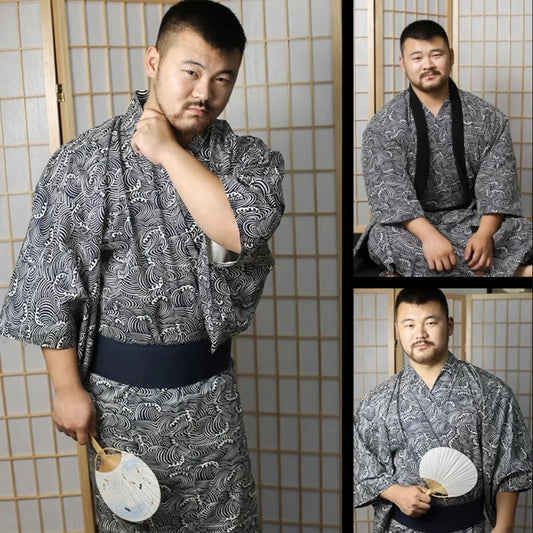
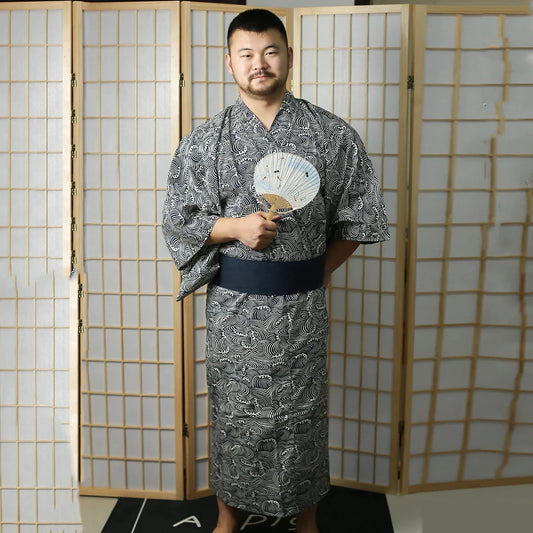
Kimono for Men & Non-Binary Fashion: Inclusive Styling Guide for All Genders

Inclusive Fashion
Kimono for Men & Non-Binary Fashion: Inclusive Styling Guide for All Genders
⚡ Réponse rapide
Mens kimono fashion and non-binary styling embrace the kimono's historical gender fluidity, offering a versatile garment for all. This guide explores how to confidently integrate kimonos into modern wardrobes, focusing on fit, fabric, and personal expression for an elegant, inclusive look across the United States.
Beyond Gender: The Enduring Appeal of Kimono for All
For centuries, the kimono has transcended mere clothing, embodying artistry, culture, and a profound sense of self-expression. While often perceived in Western cultures through a gendered lens, particularly as women's attire, its historical roots in Japan reveal a far more inclusive story. Originally, kimonos were worn by all genders, with distinctions lying primarily in patterns, colors, and layering techniques rather than the fundamental garment structure itself. Today, as fashion evolves towards greater fluidity and personal authenticity, the kimono is re-emerging as a powerful symbol of inclusive style, particularly in mens kimono fashion and for non-binary individuals seeking unique, elegant, and comfortable wardrobe options across the United States.
The allure of the kimono for men and non-binary fashion lies in its inherent versatility and timeless silhouette. Its straight lines and generous cut flatter a multitude of body types, offering both comfort and an undeniable presence. Unlike many Western garments designed with strict gendered conventions, the kimono’s draped form encourages a more fluid approach to dressing. It’s a canvas for personal style, allowing wearers to convey sophistication, artistic flair, or relaxed elegance. This liberation from traditional gender norms is precisely what makes the kimono so compelling for a contemporary audience eager to express themselves authentically.
Embracing the kimono is about more than just wearing a beautiful garment; it's about connecting with a rich cultural heritage while forging new paths in personal style. For those exploring streetwear kimono looks or seeking a distinctive statement piece, the kimono offers an unparalleled blend of tradition and modernity. It challenges preconceived notions of masculinity and femininity in fashion, inviting everyone to partake in its timeless elegance. Our aim is to demystify styling the kimono, making it accessible and inspiring for all genders in the diverse fashion landscape of the United States.
Deconstructing the Kimono: Key Elements for Inclusive Styling
To truly appreciate and style a kimono, understanding its fundamental components is key. While the term "kimono" is often used broadly, specific types like the Yukata and the more formal kimono offer distinct styling possibilities. Yukatas, typically made from cotton, are lighter and more casual, perfect for summer wear or relaxed settings. Traditional kimonos, on the other hand, are often crafted from luxurious silks or fine wools, featuring intricate designs and demanding a more structured approach to wear. Regardless of type, the core elements remain universally appealing.
Fabric choice plays a crucial role in how a kimono drapes and feels. Silk kimonos offer an unparalleled luxurious feel and elegant sheen, ideal for formal events or adding a touch of sophistication. Cotton and linen blends provide breathability and a more relaxed aesthetic, perfect for everyday wear or as a stylish alternative to a casual jacket. The weight and texture of the fabric will significantly impact the overall look and how it integrates with other garments. Consider the occasion and desired comfort level when selecting your material.

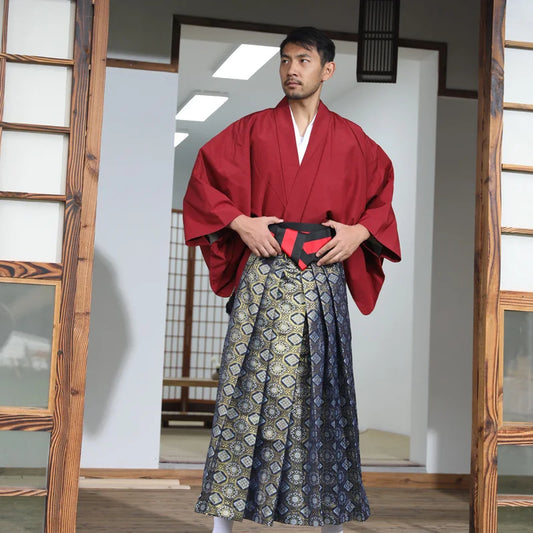
Beyond the fabric, patterns and colors are vital for personal expression. Traditional Japanese motifs, such as cranes, cherry blossoms, or geometric patterns, carry symbolic meanings and offer a deep connection to heritage. However, modern kimonos also feature contemporary prints, abstract designs, or solid colors, providing endless options to match individual tastes. For men and non-binary individuals, bolder patterns or darker, more subdued palettes might be preferred, though there are no hard rules – the beauty lies in choosing what resonates with your personal style. The obi, or sash, is another critical element, offering both structural support and an opportunity for decorative flair. While women's obis can be highly elaborate, men's and non-binary styling often favors simpler, narrower sashes or even modern belts to cinch the waist, creating a defined silhouette.
Expert Tip: Start Simple
If you're new to kimono fashion, begin with a versatile piece like a kimono jacket or a kimono robe in a neutral color or a classic pattern. These are easier to incorporate into existing wardrobes and allow you to experiment with layering before committing to a full, traditional ensemble. Look for quality cotton or linen blends for everyday versatility.
Crafting Your Look: Styling a Men's or Non-Binary Kimono
The beauty of modern kimono styling for men and non-binary fashion is its adaptability. Forget rigid rules; think creative layering and unexpected pairings. One of the most popular ways to wear a kimono is as an outer layer, similar to a cardigan or a light jacket. It drapes beautifully over a simple t-shirt, a crisp button-down shirt, or even a turtleneck in cooler weather. This approach instantly elevates a casual outfit, adding an artistic and sophisticated touch without feeling overly formal. Consider colors and textures that complement each other, using the kimono as a focal point or a harmonious accent.
When it comes to bottoms, the kimono pairs surprisingly well with a variety of modern options. For a casual, contemporary look, try it with well-fitting jeans or chinos. This juxtaposition of traditional elegance and everyday comfort creates an effortlessly chic aesthetic. For a more elevated or semi-formal ensemble, tailored trousers in a complementary fabric or color can create a sleek, sophisticated silhouette. Non-binary individuals might also explore pairing a kimono with wide-leg pants or even a modern skirt for a truly gender-fluid statement. The key is balance: if your kimono is flowing and voluminous, opt for more streamlined bottoms.
10-25
Standard Delivery Days in the US
$80+
Free Shipping Threshold
3
Key Styling Principles: Layer, Balance, Accessorize
Footwear and accessories provide the finishing touches that can dramatically alter your kimono's vibe. For a relaxed, streetwear-inspired look, sneakers or canvas shoes work surprisingly well, grounding the traditional garment in contemporary urban style. Boots, particularly sleek leather or suede designs, can add an edgy sophistication, especially when paired with a Haori jacket. If you’re leaning into a more traditional aesthetic, Japanese sandals like geta or zori are authentic choices, often worn with tabi socks. Don't shy away from subtle accessories like minimalist jewelry, a stylish hat, or a modern bag to further personalize your ensemble. Remember, the goal is to make the kimono uniquely yours, reflecting your individual identity and flair.
Choosing Your Kimono: Fit, Fabric, and Personal Expression
Selecting the perfect kimono involves more than just admiring its beauty; it requires considering how it will fit your body, the material's impact, and how it aligns with your personal style. While traditional kimonos have a standard cut, modern interpretations often come in various lengths and sleeve styles. For men and non-binary individuals, a kimono that falls around mid-thigh to just below the knee is often preferred for ease of movement and contemporary styling. Ensure the sleeves are comfortable and allow for free arm motion, whether you opt for traditional wide sleeves or more tapered designs. Always check sizing charts, as Japanese sizing can differ from Western standards, to ensure a comfortable and flattering fit in the United States.
The choice of fabric significantly influences the kimono's drape, feel, and suitability for different occasions. Silk kimonos are renowned for their luxurious texture and elegant flow, making them ideal for special events or when you want to exude sophistication. They require delicate care but offer an unparalleled aesthetic. For everyday wear, comfort, and durability, cotton, linen, or rayon blends are excellent choices. They are often more affordable, easier to maintain, and offer a more casual, relaxed vibe. Consider the climate and your lifestyle: a lightweight cotton Yukata is perfect for warm weather, while a thicker silk or wool blend might be more appropriate for cooler seasons or indoor elegance.

Ultimately, choosing your kimono is an act of personal expression. Don't be afraid to experiment with colors, patterns, and styles that genuinely speak to you. Whether you're drawn to the understated elegance of a plain black kimono, the vibrant energy of a floral kimono, or the bold statements of a streetwear kimono, the right choice is one that makes you feel confident and authentic. Remember, there are no strict gender-based rules in modern kimono fashion; the only rule is to wear what you love and what makes you feel good. Investing in a quality Japanese kimono is an investment in a versatile, timeless piece that will enrich your wardrobe for years to come.
"True style isn't about following trends, but about understanding oneself and choosing garments that tell your unique story. The kimono, with its adaptable beauty, offers a powerful voice for individual expression."A seasoned artisan
Modern Adaptations: From Streetwear to Formal Elegance
The versatility of the kimono allows it to seamlessly transition across various dress codes, from the casual cool of streetwear to the refined elegance of formal attire. For a contemporary streetwear look, pair a shorter kimono jacket or a short kimono with graphic tees, distressed jeans, and chunky sneakers. This fusion of traditional Japanese aesthetics with urban fashion creates a distinctive and edgy ensemble that stands out. Look for kimonos with bold prints, darker color palettes, or unique textures to amplify the streetwear vibe. The key here is confidence and an experimental spirit, allowing the kimono to become a statement piece that defines your urban style.
Conversely, the kimono can be styled for semi-formal or even certain formal occasions. A long, flowing silk kimono in a rich, solid color or with subtle, elegant patterns can be worn over tailored trousers and a dress shirt. Cinch it with a sophisticated leather belt instead of a traditional obi for a contemporary twist. This look offers a refreshing alternative to standard blazers or jackets, conveying an air of artistic sophistication and cultural appreciation. For more formal events, choose kimonos made from high-quality fabrics like Habutai silk, ensuring a pristine drape and luxurious finish that commands attention. The elegance of the kimono, when styled thoughtfully, can rival any traditional formalwear.
Daily wear offers perhaps the most freedom for integrating kimonos into your personal style. A comfortable cotton kimono robe or a lightweight Haori jacket can be thrown over everyday clothes for an instant upgrade. Imagine a simple t-shirt and shorts outfit transformed by the addition of a patterned kimono, adding layers of interest and personality. This relaxed approach makes the kimono an accessible garment for anyone looking to inject unique style into their routine without sacrificing comfort. Whether it's for a casual brunch, a stroll in the park, or simply lounging at home, the kimono proves to be an incredibly adaptable piece for a wide range of activities in the United States.
Style Spotlight: The Haori Jacket
The Haori jacket is a shorter, open-front kimono-style jacket that is exceptionally versatile for men and non-binary fashion. It's perfect for layering over almost anything, from t-shirts to sweaters, and instantly adds a touch of Japanese elegance to any outfit. Its less restrictive design makes it an ideal entry point for incorporating kimono aesthetics into your daily wardrobe.
Accessorizing Your Kimono: The Finishing Touches
Accessories are the secret ingredient to fully customizing your kimono look, allowing you to transition between aesthetics and express your individual flair. The obi, or sash, is perhaps the most iconic kimono accessory. While traditional obi tying can be complex, modern styling for men and non-binary individuals often favors simpler methods or even substitutes. A narrow obi tied in a simple knot, a contemporary fabric belt, or even a leather belt can cinch the waist, create definition, and add a contrasting element. Explore different colors and textures for your kimono accessories to complement or contrast with your kimono’s design, creating visual interest and personalizing your ensemble.
Beyond the obi, other accessories can elevate your kimono outfit. A classic Haori jacket worn over a full kimono or as a standalone piece over Western clothing adds an extra layer of sophistication and warmth. These jackets often feature unique linings and patterns, providing a delightful surprise when removed or worn open. For footwear, while traditional geta and zori offer an authentic touch, modern options like sleek leather loafers, minimalist sneakers, or sturdy boots can ground your look in contemporary fashion. Don't forget tabi socks (split-toe socks), which are designed to be worn with traditional sandals but can also be a unique detail with regular shoes, adding a subtle nod to Japanese culture.

Finally, consider how other personal accessories can integrate with your kimono style. A statement necklace, a chunky bracelet, or an elegant watch can add a touch of personal luxury. Hats, from fedoras to wide-brimmed styles, can create an intriguing contrast or complement the kimono's silhouette. Even a carefully chosen bag – perhaps a modern cross-body or a traditional Japanese fabric bag – can complete your look. The goal is to build an outfit that feels cohesive and authentic to you, demonstrating how the kimono can be a versatile foundation for a truly unique and inclusive fashion statement in the United States.
- Choose Your Kimono Type: Decide between a full kimono, kimono jacket, Haori, or Yukata based on occasion and desired formality.
- Consider Fabric & Pattern: Select silk for elegance, cotton/linen for comfort. Pick patterns that resonate with your personal style.
- Layer Creatively: Wear over t-shirts, turtlenecks, or button-downs. Experiment with different colors and textures.
- Pair with Modern Bottoms: Jeans, chinos, tailored trousers, or even skirts can complement a kimono beautifully.
- Accessorize Thoughtfully: Use sashes, modern belts, hats, and jewelry to personalize your look.
- Select Appropriate Footwear: Sneakers for casual, boots for edgy, or traditional sandals for authenticity.
- Embrace Your Style: The most important rule is to wear what makes you feel confident and expresses your authentic self.
Care and Longevity: Preserving Your Kimono Investment
A well-chosen kimono is not just a garment; it's an investment in art and culture that, with proper care, can last a lifetime. Understanding how to maintain your kimono is crucial for preserving its beauty, fabric integrity, and vibrant colors. The care instructions largely depend on the material. Silk kimonos, with their delicate fibers, typically require professional dry cleaning. Avoid machine washing or harsh detergents, as these can damage the silk and alter its drape and sheen. For minor spots, a gentle spot clean with a silk-safe cleaner might be possible, but always test on an inconspicuous area first.
Cotton and linen kimonos, such as many male yukata styles, are generally more forgiving. They can often be hand-washed in cold water with a mild detergent or machine-washed on a delicate cycle. Always check the care label provided with your specific kimono. Air-drying is almost always recommended for all kimono types to prevent shrinkage and maintain fabric quality. Hang your kimono on a padded hanger, away from direct sunlight, to allow it to dry naturally and minimize wrinkles. Proper drying also helps preserve the garment's shape and prevents stretching.
Storage Best Practices
To prevent creases, mildew, and color fading, store your kimono properly. Traditional Japanese practice involves folding kimonos flat and storing them in breathable, acid-free boxes or special kimono storage cabinets. If space is limited, hang your kimono on a wide, padded hanger to support its shoulders and avoid stress points. Ensure it's stored in a cool, dry place away from direct sunlight and humidity. For long-term storage, consider wrapping it in unbleached cotton or silk fabric.
Regular maintenance, even if it's just airing out your kimono after wear, can significantly extend its life. Avoid leaving it crumpled or exposed to prolonged sunlight. Promptly address any spills or stains to prevent them from setting. By treating your kimono with the respect it deserves, you ensure that this beautiful piece of inclusive fashion remains a cherished part of your wardrobe, ready to be enjoyed for many years to come and perhaps even passed down through generations. This dedication to care reflects the value you place on craftsmanship and sustainable fashion in the United States.
Embracing Authenticity and Respect in Kimono Fashion
As the kimono gains popularity in global fashion, it's essential to approach its styling with a spirit of cultural appreciation rather than appropriation. The kimono is deeply interwoven with Japanese history, traditions, and artistic expression. Wearing a kimono, especially as a non-Japanese individual, comes with the responsibility to understand its origins, respect its cultural significance, and avoid trivializing its heritage. This means learning about the garment, understanding its traditional forms, and making conscious choices about how you integrate it into your personal style. Inclusive fashion is also about being mindful and respectful of the garment's roots.
True appreciation involves supporting authentic craftsmanship and ethical sourcing. When purchasing a kimono, especially a traditional kimono or a Japanese kimono, consider buying from reputable sellers who work directly with Japanese artisans or who clearly outline the provenance of their garments. This ensures that you are investing in a piece made with skill and respect for tradition, and that your purchase supports the communities that keep this art form alive. Be wary of mass-produced imitations that may dilute the cultural significance or exploit makers.
The evolving narrative of the kimono globally is one of increasing accessibility and broader appeal, yet this must be balanced with reverence. By educating ourselves and making thoughtful choices, we can ensure that the kimono remains a celebrated symbol of beauty and tradition, embraced by all genders in a way that is both stylish and respectful. This inclusive approach to all our products, including the kimono, fosters a global community that values cultural exchange and authentic self-expression, enriching the fashion landscape in the United States and beyond.
Discover Your Perfect Inclusive Kimono
Ready to explore the timeless elegance and modern versatility of kimono fashion? Our curated collection offers a wide range of styles, fabrics, and patterns designed for all genders.
Voir la collection →FAQ
Absolutely! Historically, kimonos were worn by all genders in Japan, with differences mainly in styling and patterns rather than the garment's core structure. Modern mens kimono fashion and non-binary styling embrace this heritage, making kimonos a versatile and inclusive choice. Contemporary designers and stylists actively promote kimonos as a gender-fluid garment, allowing everyone to enjoy their elegance and comfort. It's about personal expression and choosing styles that resonate with you, while respecting the garment's cultural roots in the United States.
Traditionally, differences include sleeve length (men's are shorter and attached to the body of the kimono for more practicality), collar style (men's are often folded flatter), and patterns (men's typically feature more subdued colors or geometric designs, while women's often have vibrant, elaborate motifs). However, in modern inclusive fashion, these distinctions are often blurred. Many kimonos are designed with a universal aesthetic, encouraging men and non-binary individuals to choose based on personal preference, fit, and styling potential rather than strict gender categories. Focus on what makes you feel comfortable and stylish for mens kimono fashion in the United States.
Kimonos are designed to be relatively loose-fitting, but proper sizing ensures comfort and a flattering drape. For modern wear, focus on your height and desired length. A kimono should typically reach from your collarbone to your ankle for a full-length look, or mid-thigh to knee for a jacket style. Sleeve length is also important; ensure it doesn't restrict movement. Always consult the specific sizing chart provided by the retailer, as measurements can vary. When buying a men's kimono or non-binary style in the United States, prioritize comfort and how the garment drapes on your unique body shape.
The kimono is incredibly versatile and can be styled for both casual and formal occasions. For casual wear, opt for a lightweight cotton Yukata or a kimono jacket. Pair it with jeans, a t-shirt, and sneakers for a relaxed, stylish look. For semi-formal or formal events, a silk kimono in a richer color or with elegant patterns can be worn over tailored trousers and a dress shirt. The key is in the fabric, styling, and accessories you choose. Modern mens kimono fashion in the United States often integrates kimonos into everyday streetwear, demonstrating their adaptability.
Accessories can completely transform your kimono look. A simple obi or a stylish modern belt can cinch the waist, creating a defined silhouette. A Haori jacket is an excellent layering piece, adding sophistication. For footwear, sneakers offer a contemporary streetwear vibe, while boots add an edgy touch. Don't forget subtle jewelry, hats, or even a statement bag to personalize your outfit. The goal is to choose accessories that complement the kimono and express your individual style, making your mens kimono fashion truly unique in the United States.
Proper care is essential. Silk kimonos generally require professional dry cleaning due to their delicate nature. Cotton and linen kimonos can often be hand-washed in cold water or machine-washed on a gentle cycle, but always check the care label. Air-drying on a padded hanger, away from direct sunlight, is recommended for all types to maintain shape and prevent damage. Store your kimono folded flat or on a wide hanger in a cool, dry, dark place to avoid creases and fading. Following these steps will preserve your inclusive mens kimono fashion for years in the United States.
Tags:
Previous
Kimono Culture Unveiled: Festivals & Events Across North America
Next
The Future of Fashion: Biodegradable & Eco-Friendly Kimono Materials
Related articles
-
Oct 23 2026
Kimono Layering: Combining Traditional & Modern Pieces
-
Oct 23 2026