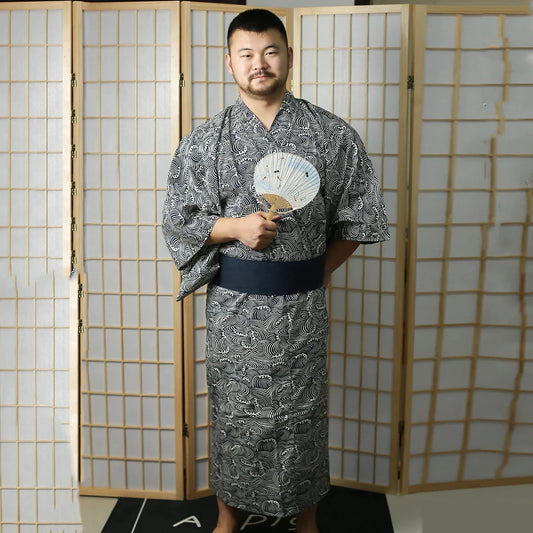
Sustainable Kimono Investment: Organic Cotton vs. Silk in 2026 Eco-Conscious Market

Sustainability
Sustainable Kimono Investment: Organic Cotton vs. Silk
⚡ Réponse rapide
An eco-friendly sustainable kimono in organic cotton offers superior durability and easy-care benefits for daily wear, while silk remains the premium, biodegradable choice for formal events. Investing in either requires understanding their distinct environmental footprints and lifecycles to ensure your wardrobe reflects true eco-conscious values.
The Environmental Footprint of Kimono Fabrics
In the quest for a truly eco-friendly sustainable kimono organic cotton, understanding the sourcing process is paramount. Traditional textiles often rely on intensive irrigation and chemical pesticides. Organic cotton, however, eliminates synthetic fertilizers, drastically reducing water toxicity and preserving soil health for future generations of artisans.
Silk production, while historically significant, involves the delicate process of sericulture. When sourced ethically, silk is a protein-based fiber that is fully biodegradable and renewable. However, the energy required for silk processing can be higher than that of plant-based fibers, making the "sustainability" of your garment dependent on the manufacturer's energy efficiency and water recycling practices.
Ultimately, the most sustainable fabric is the one that stays in your closet for decades. Whether you choose a Cotton Kimono or a Silk Kimono, the environmental impact is minimized when you prioritize quality over fast-fashion trends. By investing in craftsmanship, you reduce the demand for disposable apparel that clutters our ecosystem.

Why Organic Cotton Leads in Daily Sustainability
Daily Wear Advantage
Organic cotton is breathable, hypoallergenic, and machine-washable, making it the perfect choice for high-frequency use in your home or casual outings.
For the modern consumer in the United States, organic cotton represents the gold standard for daily wear. Its resilience against repeated washing makes it a practical investment that resists the wear and tear often seen in cheaper synthetic blends. When you choose organic cotton, you are supporting farming practices that protect biodiversity.
Many of our customers find that a Cotton Kimono Robe provides the perfect balance of comfort and environmental stewardship. Unlike treated cotton, organic fibers maintain their integrity longer, meaning you don't need to replace your loungewear as frequently. This is the essence of a circular fashion economy.
Furthermore, organic cotton is inherently versatile. It transitions perfectly from a morning robe to a layered streetwear piece. By opting for natural, unbleached, or low-impact dyed organic cotton, you ensure that your skin remains free from harmful chemical residues while keeping your fashion footprint low.
The Timeless Investment Value of Silk
Silk is not just a fabric; it is an heirloom. A well-maintained Silk Kimono Robe can last for generations, effectively amortizing its environmental cost over decades of use. Silk's natural thermal properties—warm in winter and cool in summer—make it a functional luxury that transcends seasonal fashion.
When considering an investment, look for the quality of the weave. High-grade silk fibers are incredibly strong, resisting stretching and pilling better than many synthetic alternatives. While it requires more careful maintenance, the longevity of silk ensures that you are not contributing to textile waste.
For those attending formal events or seeking a statement piece, the Black Silk Kimono Mens collection offers an aesthetic that never goes out of style. The inherent beauty and drape of silk are unmatched, providing a level of sophistication that synthetic "silky" polyester simply cannot replicate.
100%
Natural Fibers
8-20
Days Delivery
∞
Style Versatility
Lifecycle Analysis: Longevity and End-of-Life
To truly measure the sustainability of your purchase, we must look at the end-of-life. Both organic cotton and silk are compostable, provided they are not blended with synthetic fibers like polyester or nylon. This is why we prioritize pure, natural compositions in all our collections.
The lifecycle of your kimono is determined by how you treat it. Proper storage—away from direct sunlight and moths—and using gentle detergents are essential. By extending the life of your garment, you effectively lower its per-wear carbon footprint to a fraction of a fast-fashion item.
True sustainability in fashion is found in the longevity of the garment; if you love it and care for it, you have already done more for the planet than any trend-chaser.Traditional Japanese Textile Artisan
Choosing Your Sustainable Kimono
| Feature | Organic Cotton | Silk |
|---|---|---|
| Durability | High (Daily Use) | Medium (Care Required) |
| Maintenance | Machine Washable | Dry Clean/Hand Wash |
| Seasonality | All-Season | Formal/Occasion |
| Environmental Impact | Low (Water-efficient) | Low (Biodegradable) |
When making your decision, consider your lifestyle. If you are looking for an everyday companion for lounging or casual outings, organic cotton is your best ally. Its durability and ease of care make it a staple that stands up to the rigors of a busy life in the United States.
If, however, you are looking for a piece for special occasions, ceremonies, or as a long-term investment in your personal style, silk is the superior choice. Its unique luster and weight offer a sensory experience that is unparalleled in the world of textiles.

Care, Maintenance, and Longevity
Pro-Tip for Longevity
Always air-dry your kimonos in the shade. UV rays can fade natural dyes and weaken fibers over time, regardless of whether they are cotton or silk.
Caring for your investment is the final step in the sustainability journey. For cotton, avoid high-heat drying which can shrink fibers. For silk, never wring the fabric; instead, roll it in a clean towel to remove excess moisture. These simple habits preserve the garment's integrity for years to come.
Remember that our commitment to you includes a seamless shipping experience. We ensure all orders are processed with care and delivered within 7-16 business days. Every purchase is an investment in a slower, more deliberate way of dressing.
Ready to Build Your Conscious Wardrobe?
Choose pieces that reflect your values without compromising on elegance. Explore our collection of ethically sourced, high-quality garments today.
Voir la collection →FAQ
Sustainability is nuanced. Organic cotton is often considered more sustainable for daily, high-frequency use due to its durability and ease of cleaning, which saves energy over time. Silk, while requiring more intensive production, is a highly durable, natural, and biodegradable fiber that lasts for decades if cared for properly. Both are excellent choices compared to synthetic fabrics; the "best" choice depends on how often you intend to wear the garment and your ability to commit to its specific care requirements.
To maximize the life of your organic cotton kimono, we recommend washing in cold water on a gentle cycle using an eco-friendly, mild detergent. Avoid bleach at all costs, as it degrades the natural fibers. The most important step is to air-dry your garment flat or on a hanger in a shaded area away from direct sunlight. This prevents fiber fatigue and ensures your kimono maintains its shape and color vibrancy for many years of comfortable wear.
Yes, absolutely. Our organic cotton collection is specifically curated for individuals who value skin health and comfort. Because the cotton is grown without synthetic pesticides or harsh chemical fertilizers, it is free from the residues that often trigger skin irritations. Silk is also naturally hypoallergenic and gentle on the skin, making both our cotton and silk collections excellent choices for those with sensitive skin or allergies. You can wear them with complete confidence knowing the materials are pure.
An investment piece is defined by its quality, timeless design, and durability. Unlike fast-fashion items meant to be discarded after a season, a high-quality kimono is crafted to withstand years of wear. By choosing premium natural fibers and expert construction, you are opting for a garment that maintains its value, fit, and aesthetic appeal. When you calculate the cost-per-wear over several years, a high-quality kimono is significantly more affordable and environmentally friendly than repeatedly buying inexpensive, disposable clothing.
We strive to get your sustainable kimono to you as efficiently as possible. Our standard shipping timeframe for all orders within the United States is 7-16 business days. This timeframe allows us to ensure that each order is handled with the care required for premium textiles. Once your order is processed, you will receive tracking information so you can follow its progress directly to your door. We appreciate your patience as we maintain our commitment to quality service and responsible logistics.
Tags:
Previous
Do Men Wear Kimonos? A Guide to Men's Kimono Styles
Next
Best Kimono Brands for US Consumers: Quality & Price Comparison
Related articles
-
Oct 23 2026
Kimono Layering: Combining Traditional & Modern Pieces


-
Oct 23 2026