Kimono vs. Cheongsam vs. Hanfu: Cross-Cultural Fashion Comparison for US Audiences

Cultural Context
Kimono vs. Cheongsam vs. Hanfu: Cross-Cultural Fashion Comparison for US Audiences
⚡ Réponse rapide
The core difference between kimono vs cheongsam and hanfu lies in origin and structure: the Japanese kimono is T-shaped and wrapped, the Chinese cheongsam is a form-fitting modern dress, and the Hanfu is a flowing, multi-layered historical Chinese ensemble. Each reflects distinct textile arts and cultural heritage.
Origins and Historical Context
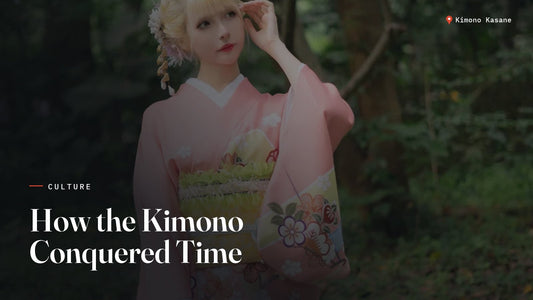
Understanding the distinction between these garments requires looking at their evolution. The Japanese Kimono, derived from the Heian period, is designed to emphasize a flat, cylindrical body shape. It evolved from simpler undergarments into a complex artistic statement.
Conversely, the Cheongsam (or Qipao) is a 20th-century evolution. It emerged in Shanghai during the 1920s, blending traditional Manchu-influenced aesthetics with Western tailoring techniques. It is arguably the most modern of the three in terms of silhouette.
The Hanfu represents the historical clothing of the Han Chinese. Unlike the other two, it encompasses thousands of years of varying styles, from the loose robes of the Tang Dynasty to the structured pieces of the Ming. It has recently seen a massive global resurgence as a symbol of cultural identity.

Structural Differences: How They Are Made
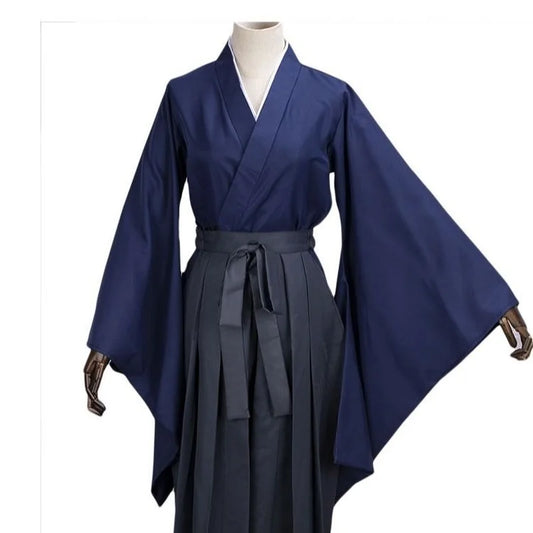
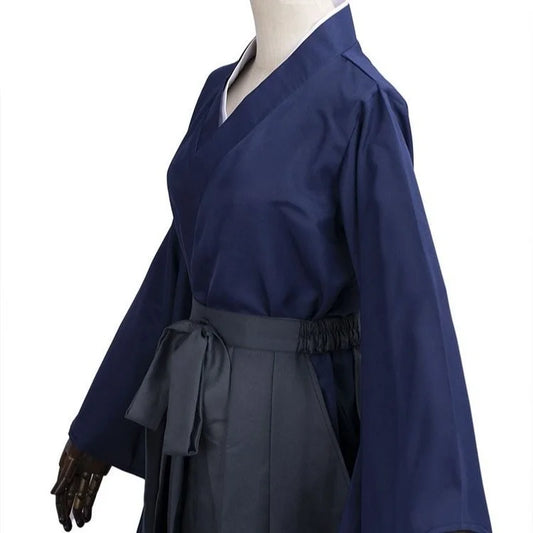
When comparing kimono vs cheongsam, the construction is the primary differentiator. The kimono is essentially a rectangle-based garment, folded and tied with an obi. There is very little tailoring or cutting of the fabric involved, preserving the integrity of the textile.
The cheongsam is distinctly tailored. It features a high collar, side slits, and is designed to contour to the wearer’s body. It uses buttons or frog closures, unlike the kimono which relies on sashes and internal ties. The Hanfu, meanwhile, is characterized by its cross-collar design and wide, flowing sleeves, often worn with distinct undergarments.
100%
Authentic Design
8-20
Days Shipping
100%
Secure Support
Styling the Modern Kimono in the US
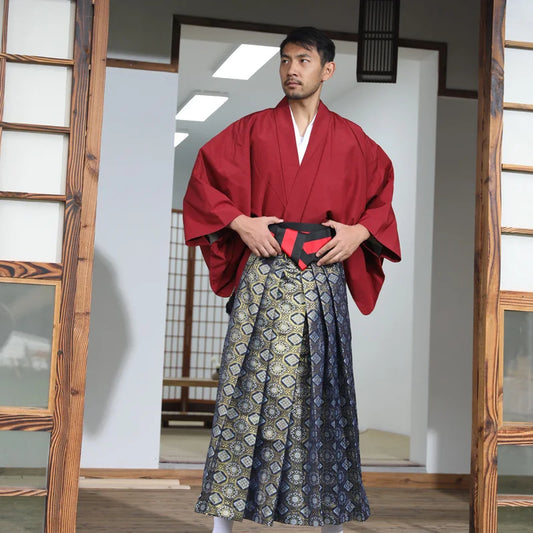
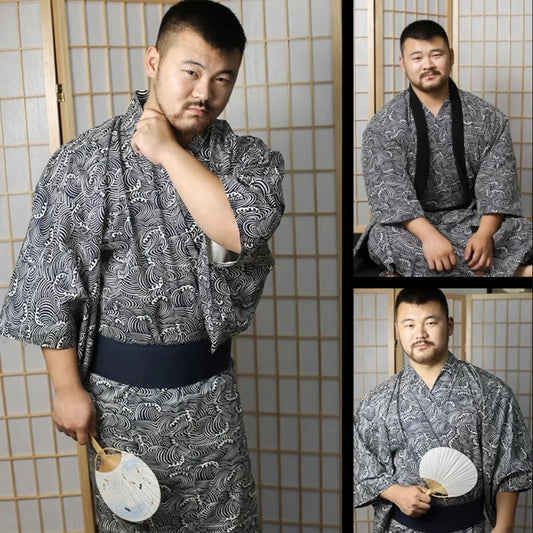
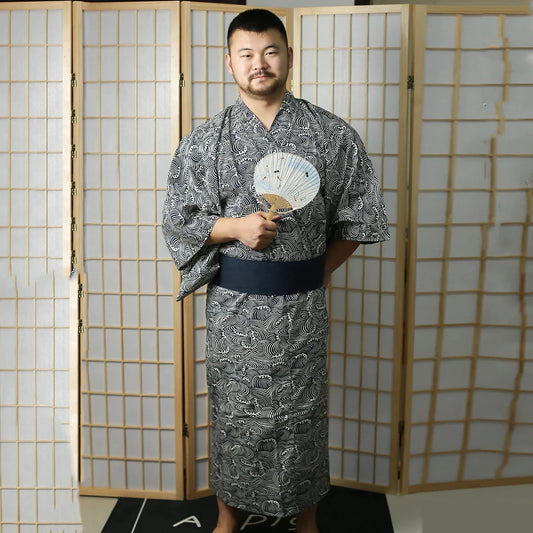
In the United States, the kimono has transitioned from ceremonial wear to a versatile fashion staple. Whether you are looking for a Japanese Kimono for a formal event or a casual layer, the key is balance. Pair a structured piece with modern denim or minimalist accessories to keep the focus on the craftsmanship.
For a contemporary look, many opt for a Fashion Kimono Jacket. It provides the elegance of traditional silhouettes with the comfort of modern streetwear. This bridge between cultures allows for a respectful incorporation of Japanese aesthetics into a daily wardrobe.
Layering Technique
When wearing a kimono as a casual layer, ensure the left side is always wrapped over the right side to respect traditional etiquette.
Cultural Appreciation vs. Appropriation
Distinguishing between appreciation and appropriation is vital. Wearing a garment because you admire its history, craftsmanship, and aesthetic is appreciation. Treating it as a costume or a caricatured version of a culture is where the line is crossed.
When you choose a Traditional Kimono, you are investing in a piece of textile art. By understanding the provenance and the proper way to wear these items, you elevate your style from mere fashion to a meaningful cultural engagement. Always prioritize quality materials over mass-produced synthetic alternatives.
True style is found when we wear garments with an understanding of their history, treating every thread with the respect it deserves.Artisan Craftsman

Choosing the Right Piece for Your Wardrobe
Selecting the right garment depends on your lifestyle. If you want something for lounging, explore our collection of Kimono Robe styles. For those interested in the crossover of Eastern and Western trends, a Kimono Street Fashion piece offers a bold, updated look.
| Feature | Kimono | Cheongsam | Hanfu |
|---|---|---|---|
| Origin | Japan | China | China |
| Shape | T-Shape | Form-fitting | Flowing |
| Closure | Sash/Obi | Frog/Buttons | Ties |
Maintenance and Longevity
Preserving these garments requires specific attention. Most traditional items, especially silk, should be professionally dry-cleaned. Cotton or synthetic blends may be hand-washed in cold water. Always store your items away from direct sunlight to prevent fading of the intricate patterns.
Pro Tip
Always use padded hangers for your haori and kimonos to maintain the integrity of the shoulders and fabric drape.
Ready to find your perfect piece?
Explore our curated selection of authentic designs that blend tradition with modern comfort. Enjoy high-quality fabrics and timeless styles shipped directly to your door.
Voir la collection →FAQ
Yes, wearing a kimono as an appreciation of the culture is widely accepted. The key is to wear it with respect for the tradition. Focus on proper wrapping—left side over right—and avoid using it as a costume. Many people in the United States incorporate kimono-style jackets into their daily wardrobes as a way to celebrate the beauty of Japanese textile arts while maintaining a contemporary and respectful fashion sense. It is all about the intention behind the wear.
The primary difference is the material and occasion. A Yukata is typically made of cotton and is designed for summer festivals or casual lounging, making it lighter and easier to maintain. A traditional kimono is often made of silk or heavier fabrics, features lining, and is used for formal events like weddings or tea ceremonies. While they look similar in silhouette, the yukata is far more casual and accessible for everyday wear, especially in warmer climates across the United States.
Authentic pieces are usually crafted with specific fabric widths and traditional construction techniques. Look for the quality of the stitching and the authenticity of the prints. At our store, we prioritize items that respect these traditions. Authentic kimonos are rarely mass-produced with cheap prints; they often feature intricate weaving or hand-dyed patterns. When shopping, always look for detailed descriptions of the fabric composition, such as cotton or silk, to ensure you are receiving a high-quality garment that honors the legacy of the original design.
Absolutely. The cheongsam is a sophisticated choice for formal occasions, weddings, or galas. Its structured, form-fitting design exudes elegance and carries a rich history of 20th-century fashion. When choosing a cheongsam, consider the length and the fabric—silk brocade is particularly popular for formal settings. It is a stunning alternative to standard evening wear and highlights a deep appreciation for Chinese design heritage, making it a powerful and stylish statement for any high-profile event you may attend.
Yes, we provide reliable shipping services to our customers in the United States. All our orders are tracked, typically arriving within 7 to 16 business days. We take pride in ensuring that your pieces arrive in excellent condition, carefully packaged to protect the delicate fabrics. Whether you are ordering a casual haori or a formal kimono, our shipping process is designed to be seamless, giving you peace of mind from the moment you place your order until it arrives at your doorstep.
Tags:
Previous
The Future of Fashion: Biodegradable & Eco-Friendly Kimono Materials
Next
Resort Luxe Kimono Styling: Quiet Luxury Tonal Outfits for Fall/Winter 2026
Related articles
-
Oct 23 2026
Kimono Layering: Combining Traditional & Modern Pieces
-
Oct 23 2026