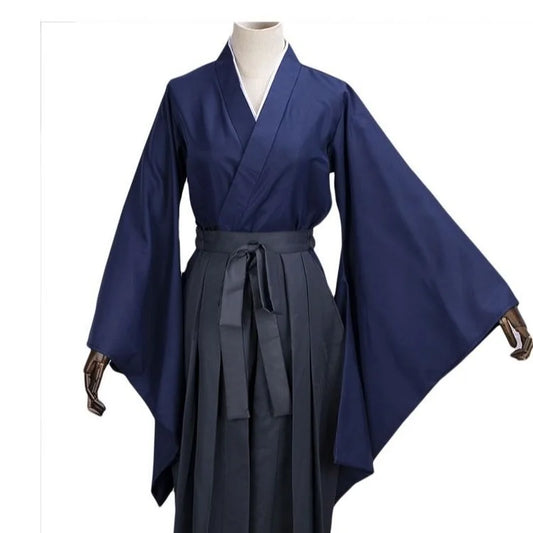
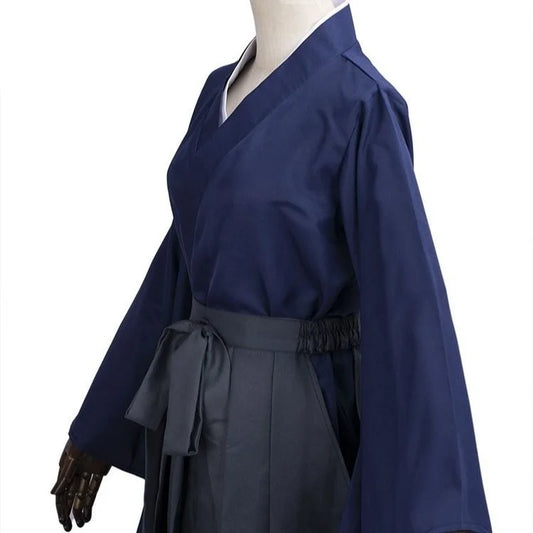
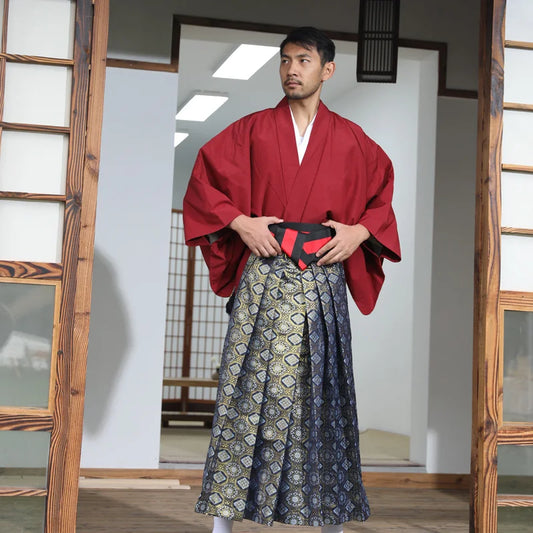
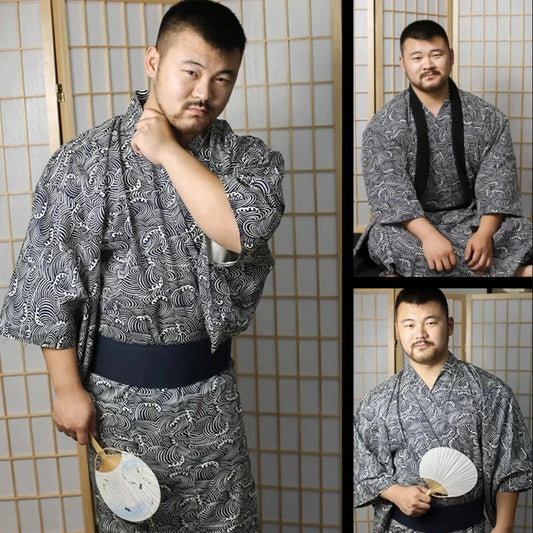
Modern Kimono Fashion & Styling
Seasonal Kimono Styling: Spring, Summer, Fall & Winter Looks
⚡ Réponse rapide
Seasonal kimono styling involves selecting appropriate fabrics, colors, and patterns to match the weather and mood of each season. From light cotton yukata for summer festivals to luxurious silk kimonos layered for winter elegance, adapting your kimono choices ensures comfort, cultural authenticity, and contemporary fashion relevance in the United States.
Introduction: The Timeless Allure of Kimono Fashion
The kimono, a garment steeped in centuries of Japanese tradition, has transcended its origins to become a global symbol of elegance, artistry, and cultural depth. Far from being a static piece of attire reserved for special occasions, the kimono is a dynamic canvas that evolves with the changing seasons, offering a unique opportunity for personal expression. In the United States, a growing appreciation for Japanese aesthetics has led to a surge in interest in modern kimono fashion, prompting enthusiasts to explore how these beautiful garments can be integrated into everyday wardrobes throughout the year. Understanding the nuances of seasonal kimono styling is key to unlocking its full potential, allowing you to wear your kimono not just as a statement, but as a comfortable and appropriate reflection of the time of year.
Many people assume kimonos are solely for summer festivals or formal events. However, traditional Japanese culture places immense emphasis on harmonizing with nature, and this philosophy is beautifully woven into kimono design. From the choice of fabric and color palette to the intricate patterns and accompanying accessories, every element of a kimono is carefully considered to reflect the season. This guide will take you on a journey through spring, summer, fall, and winter, revealing expert tips on how to adapt your kimono wardrobe to embrace the unique beauty and practicalities of each season. Whether you're drawn to the delicate florals of spring or the rich, deep hues of winter, mastering seasonal kimono styling will elevate your fashion game and connect you more deeply with this exquisite art form.
Spring Rebirth: Lightness and Freshness
As winter's chill recedes and nature awakens, spring calls for kimonos that embody lightness, freshness, and renewal. This season is synonymous with delicate beauty, making it an ideal time to explore soft textures and vibrant, yet subtle, patterns. For spring, focus on fabrics that breathe and drape elegantly. Lightweight silks, such as chirimen or ro, are popular choices, offering a luxurious feel without being overly heavy. Cotton blends also provide comfort and versatility, perfect for the fluctuating temperatures of early spring in many parts of the United States. The goal is to feel airy and unencumbered, much like the season itself.
When it comes to colors and patterns, think of the natural world bursting into bloom. Pastel shades like pale pinks, sky blues, mint greens, and soft yellows are quintessential spring colors. The most iconic spring motif is, of course, the cherry blossom (sakura), symbolizing fleeting beauty and new beginnings. Other popular patterns include plum blossoms (ume), wisteria, butterflies, and traditional scenes featuring gentle streams or budding trees. Imagine pairing a pale pink floral kimono with a delicate cream obi for a garden party or a casual stroll. For a touch of warmth on cooler days, a light kimono cardigan or a sheer haori jacket can be added, providing both style and comfort.
Accessories play a crucial role in completing your spring look. Opt for lighter, more decorative obi sashes, perhaps in complementary pastels or with embroidered spring motifs. Footwear like elegant zori sandals are perfect for warmer days, while delicate jewelry can enhance the overall aesthetic. The key is to maintain an overall sense of grace and understated beauty, reflecting the gentle awakening of nature. Think about incorporating elements that echo the vibrancy of spring without overwhelming the delicate balance of the kimono itself, creating a harmonious and refreshing ensemble.
Selecting Spring Kimono Fabrics
For optimal spring comfort and style, prioritize fabrics like thin silk (e.g., ro, sha), light cotton, or breathable linen blends. These materials offer excellent drape and allow for better air circulation, crucial for those transitional spring days. Look for kimonos with a lighter lining or unlined options if the weather leans warmer.
Summer Radiance: Coolness and Vibrancy
Summer in the United States, with its long, hot days and vibrant energy, calls for kimonos that prioritize coolness, breathability, and bold expression. This is the season where the unlined Japanese Yukata truly shines. Made from lightweight cotton or linen, yukata are designed to be worn casually and comfortably, making them perfect for summer festivals, beach outings, or simply relaxing at home. Their relaxed fit and absorbent fabrics are ideal for warmer climates, providing a stylish alternative to traditional summer wear. You can explore our diverse range of Yukata Women for inspiration.
Summer kimono styling is all about embracing bright colors and dynamic patterns. Think vivid blues, sunny yellows, fiery reds, and lush greens. Popular motifs include fireworks (hanabi), goldfish (kingyo), waves, dragonflies, and morning glories (asagao), all reflecting the joyous and lively spirit of the season. A bright yukata with a playful pattern, paired with a simple obi and geta sandals, creates an effortlessly chic summer look. For those seeking something less traditional, a beach kimono offers a stylish cover-up option that brings a touch of Japanese elegance to your seaside adventures.
Beyond yukata, some light silk kimonos with open weaves (like sha or ro) can also be appropriate for evening events or cooler summer days. The key is to choose fabrics that allow your skin to breathe and prevent overheating. Accessories for summer are typically functional yet fashionable: light obi sashes, decorative fans, clear plastic geta or zori, and even parasols can enhance your summer kimono ensemble. Embrace the vibrant energy of summer with bold choices that reflect the season's playful and radiant mood.

Autumn's Embrace: Richness and Warmth
As the leaves begin to turn and a crispness enters the air, autumn ushers in a period of transition, demanding kimonos that offer both warmth and a sense of sophisticated richness. Fall seasonal kimono styling is about embracing deeper colors, more substantial fabrics, and layered aesthetics. This is the time to bring out your more luxurious and heavier silk kimonos, perhaps those made from rinzu (figured silk) or tsumugi (pongee silk), which offer a beautiful drape and a subtle sheen. Wool blends can also be a practical and stylish choice for cooler autumn days in the United States, providing comfort and insulation.
The autumn color palette is famously beautiful, mirroring the changing foliage. Think deep reds, burnt oranges, golden yellows, rich browns, and sophisticated greens. Patterns often feature motifs like maple leaves (momiji), chrysanthemums (kiku), persimmons, or scenes depicting autumn landscapes. A dark green kimono adorned with delicate maple leaves, paired with a shimmering gold obi, creates a stunning and elegant look perfect for fall gatherings. Layering becomes increasingly important; a thicker Haori Jacket can add warmth and an extra layer of visual interest, while a decorative scarf can complete the ensemble.
Accessories for autumn lean towards the more substantial and elegant. Obi sashes can be made from heavier silks, perhaps brocade or jacquard, with intricate patterns. Footwear like traditional zori with thicker soles or even tabi socks with regular shoes can provide warmth and comfort. Consider adding a beautiful silk stole or shawl for extra warmth during chilly evenings. Autumn kimono styling is an invitation to explore depth, texture, and a sense of refined elegance, capturing the serene beauty of the season.
"The true beauty of a kimono lies in its ability to tell a story with its colors and patterns. For autumn, let the changing leaves be your muse; choose hues that echo nature's magnificent farewell to summer."Traditional Kimono Artisan
Accessorizing for Autumn Warmth
Beyond the kimono itself, autumn accessories are crucial for comfort and style. A well-chosen silk stole or shawl can add significant warmth. Consider wool-blend tabi socks for cooler footwear, and select an obi made from a heavier fabric like brocade. Even a simple, elegant brooch can add a touch of personal flair to your autumn kimono look.
Winter Elegance: Depth and Comfort
Winter presents the ultimate challenge and opportunity for kimono styling: balancing warmth with sophisticated elegance. This season calls for kimonos that are robust, beautifully insulated, and rich in color and texture. Fully lined silk kimonos, often made from heavier weaves like rinzu, yuzen, or even wool kimonos, are essential for winter comfort. The layering inherent in traditional kimono wear naturally lends itself to creating warm ensembles, making it a surprisingly practical choice for colder climates in the United States.
The winter color palette is characterized by deep, rich jewel tones: emerald green, sapphire blue, ruby red, deep purple, and classic black or white. Patterns often feature motifs that symbolize endurance and good fortune in winter, such as pine (matsu), bamboo (take), and plum blossoms (ume) – collectively known as the "Three Friends of Winter." Snowflakes, cranes, and abstract geometric patterns are also popular. Imagine a deep blue silk kimono with embroidered silver snowflakes, paired with a striking gold obi, for a truly regal winter look. For extra warmth, consider layering a long, padded haori or even a warm kimono coat over your main garment.
Accessories for winter are all about adding warmth and luxury. Thicker, more ornate obi sashes, perhaps made from brocade or velvet, can be chosen. Long silk or wool stoles, often with intricate embroidery, provide both warmth and a dramatic flair. For footwear, traditional zori can be worn with warm tabi socks, or you might opt for more modern winter boots styled to complement the kimono. The key to winter kimono styling is embracing the art of layering to create a cohesive, warm, and visually stunning outfit that defies the cold while exuding timeless Japanese elegance.

Beyond Tradition: Modern Kimono Fashion Trends
While traditional seasonal kimono styling is deeply rooted in heritage, the world of kimono fashion is far from static. In the United States, we're seeing an exciting evolution as designers and enthusiasts reinterpret the kimono for contemporary lifestyles. This blending of old and new creates versatile pieces that can be effortlessly incorporated into diverse wardrobes, offering a fresh perspective on seasonal kimono styling. Think of a Kimono Jacket or a Kimono Cardigan worn over jeans and a t-shirt – a perfect example of modern functionality meeting traditional aesthetics. This approach allows for greater freedom in choosing seasonal fabrics and patterns, as the focus shifts from strict adherence to seasonal motifs to personal expression.
Streetwear kimono fashion is a burgeoning trend, where kimonos are deconstructed, reimagined, and paired with urban elements. This can involve shorter hemlines, unique fabric choices like denim or leather accents, and unconventional layering. Even pieces like Kimono Pants or a Kimono Dress offer new silhouettes that maintain the flow and elegance of the traditional garment while providing comfort and practicality for daily wear. This modern approach often embraces a mix-and-match philosophy, allowing you to create seasonal looks that are uniquely yours, whether it's a lightweight kimono dress for summer or a heavier, patterned kimono jacket for fall.
The inclusivity of modern kimono fashion also deserves recognition. Collections like Plus Size Kimono and Men's Kimono are expanding the accessibility and appeal of these garments, proving that kimono style is for everyone, regardless of body type or gender. These contemporary adaptations encourage experimentation with different fabrics – from breathable cotton for warmer seasons to rich velvets for colder ones – and a broader spectrum of colors and patterns, moving beyond strictly traditional seasonal guidelines to cater to individual taste and comfort. The beauty of modern kimono fashion lies in its ability to honor the past while confidently stepping into the future, making seasonal styling a personal and creative endeavor.
10-25
Business Days Shipping
$80+
Free Shipping Threshold
3
Easy Styling Steps
The Art of Layering: A Year-Round Strategy
Layering is not just a technique for warmth; it's a fundamental aspect of traditional Japanese dress and an ingenious strategy for adapting your kimono to any season. Mastering the art of layering allows you to create depth, add visual interest, and adjust your outfit to changing temperatures throughout the day, making your seasonal kimono styling incredibly versatile. The base layer, often a juban (an undergarment similar to a slip), provides a smooth foundation and protects the outer kimono. For spring and summer, a lighter juban or even a simple camisole might suffice, while in autumn and winter, a warmer, possibly padded, juban can be chosen.
The outer kimono itself can be layered with different pieces depending on the desired effect and the weather. For instance, a light `haori` can serve as a stylish jacket in spring and fall, offering a touch of elegance and warmth without bulk. In winter, a longer, lined `haori` or a dedicated kimono coat becomes essential for staying cozy. This strategic layering allows you to transition seamlessly from indoor to outdoor settings, or from morning chill to afternoon warmth, without needing to completely change your outfit. It’s about building an ensemble that is both beautiful and functional, perfectly suited to the climate.
Beyond the primary kimono layers, accessories like obi sashes, stoles, and scarves play a vital role in seasonal adaptation. A thin, brightly colored obi can brighten a summer yukata, while a thick, intricately woven obi adds gravitas and warmth to a winter kimono. Scarves can be draped for aesthetic appeal in spring or wrapped tightly for warmth in winter. The beauty of layering lies in its flexibility; you can add or remove elements as needed, ensuring your kimono ensemble is always comfortable and appropriate. It transforms the kimono from a single garment into a dynamic, multi-faceted outfit, ready for any season or occasion in the United States.
- Juban (Undergarment): Essential for protecting your kimono and providing a smooth foundation. Choose lighter materials for warmer seasons, heavier for colder.
- Obi (Sash): Varies in thickness and material. Lighter, simpler obi for summer; heavier, more decorative for fall/winter.
- Haori (Jacket): A versatile outer layer. Sheer or unlined for spring/summer, lined or padded for autumn/winter.
- Obiage & Obijime (Obi Accessories): These small details can add seasonal color and texture.
- Stoles & Shawls: Perfect for adding extra warmth and elegance in cooler months.
- Footwear (Zori/Geta): Select based on season and formality. Geta for casual summer, zori with tabi for cooler seasons.

Caring for Your Seasonal Kimono: Preservation Tips
Proper care is paramount to preserving the beauty and longevity of your kimonos, especially as you adapt them for seasonal wear. Different fabrics and embellishments require specific attention to ensure they remain vibrant and structurally sound for years to come. Understanding these care nuances is an integral part of responsible seasonal kimono styling and ownership. For instance, delicate silks, often favored in spring and winter, are susceptible to moisture and direct sunlight. Always store silk kimonos in a cool, dry place, ideally wrapped in acid-free paper or breathable garment bags, to protect them from dust and humidity.
Cleaning methods vary significantly by fabric. Most traditional silk kimonos are dry-clean only, and it's best to seek out a cleaner experienced in handling delicate garments or specialized kimono care. Cotton yukata, popular in summer, are generally more resilient and can often be hand-washed or machine-washed on a gentle cycle with cold water, then air-dried away from direct sunlight to prevent fading. Always check the care label or consult with a kimono expert if you are unsure. Promptly addressing any stains is crucial, as they can set quickly and become much harder to remove later.
Seasonal storage also requires thoughtful consideration. Before storing your kimono for an extended period, ensure it is completely clean and dry to prevent mildew or insect damage. Traditional Japanese storage involves folding kimonos flat in special boxes (tatō-shi) which allow the fabric to breathe while protecting it. For those in the United States, breathable garment bags or large drawers lined with acid-free paper can serve a similar purpose. Rotate your stored kimonos periodically and inspect them for any signs of wear or damage. By investing time in proper care, your kimonos will continue to be a source of joy and elegance through every season, ready to be styled and admired.
Essential Kimono Care Tips
Always inspect your kimono after each wear for any spots or soil. Store silk kimonos flat or hung on padded hangers in breathable covers away from direct light. For cotton yukata, gentle hand washing is often best. Avoid harsh chemicals or excessive heat. Regular, gentle airing can also refresh your kimono between wears, especially for those worn less frequently.
Conclusion: Embrace the Rhythm of the Seasons with Kimono Style
Embracing seasonal kimono styling is more than just a fashion choice; it's a mindful practice that connects you to the natural world and the rich traditions of Japanese culture. As we've explored, each season offers a unique palette of fabrics, colors, and patterns, allowing for endless possibilities in expressing your personal style. From the delicate blossoms of spring to the vibrant energy of summer, the warm hues of autumn, and the deep elegance of winter, your kimono wardrobe can truly reflect the beauty of the passing year. In the United States, the versatility of the kimono, both traditional and modern, makes it a powerful statement piece that can be adapted for any occasion and climate.
We encourage you to experiment with different fabrics, layer combinations, and accessories to discover what works best for your local climate and personal aesthetic. Don't be afraid to mix traditional elements with contemporary fashion, creating looks that are uniquely yours. Whether you're attending a formal event, enjoying a casual outing, or simply seeking comfort and beauty at home, there's a kimono style perfectly suited for you. Dive into the world of Japanese kimonos and let their timeless allure enhance your wardrobe throughout every season. Explore our full range of exquisite Japanese Kimono today and begin your journey of seasonal styling.
Ready to Embrace Seasonal Kimono Style?
Discover our curated collection of authentic Japanese kimonos, perfect for every season and occasion. Find your next exquisite piece today!
Voir la collection →FAQ
For summer, lightweight and breathable fabrics are essential to stay cool and comfortable. Cotton is a top choice, especially for yukata, which are specifically designed for warm weather due to their unlined nature and absorbency. Linen and linen blends are also excellent options, offering superior ventilation and a crisp, fresh feel. Some traditional silks with open weaves, like sha or ro, can also be worn in warmer temperatures, providing elegance without excessive warmth. These fabrics ensure your summer seasonal kimono styling is both chic and practical in the United States.
Choosing kimono colors and patterns for each season typically mirrors nature's palette. Spring favors pastels and delicate florals like cherry blossoms or wisteria. Summer embraces bright, vibrant hues and motifs such as fireworks, goldfish, or waves. Autumn calls for rich earth tones, deep reds, and patterns of maple leaves or chrysanthemums. Winter is best suited for deep jewel tones, black, white, and symbolic motifs like pine, bamboo, or plum blossoms. Matching these natural cues ensures your seasonal kimono styling is harmonious and culturally resonant in the United States.
Absolutely! Modern kimono fashion has made casual wear incredibly popular in the United States. Lightweight kimonos, yukata, and kimono cardigans are perfect for everyday styling. You can pair them with jeans, leggings, or simple dresses for a unique, comfortable, and chic look. The key is to choose less formal fabrics and patterns and to experiment with layering. This allows you to integrate the elegance of a kimono into your daily wardrobe without feeling overdressed, making seasonal kimono styling versatile for any occasion.
For winter kimono styling, accessories focus on adding warmth and complementing the deeper aesthetic. A thick, ornate obi made from brocade or velvet can provide both structure and insulation. Long silk or wool stoles are excellent for extra warmth around the neck and shoulders. Padded haori jackets or dedicated kimono coats are essential outer layers. Traditional zori can be worn with warm tabi socks, or you might opt for modern boots that pair well. These choices ensure your winter kimono look is both cozy and impeccably stylish in any climate in the United States.
Proper seasonal storage is vital for preserving your kimono. Always ensure your kimono is clean and completely dry before storing to prevent mildew or insect damage. For delicate silks, fold them carefully and store them flat in acid-free paper or breathable garment bags in a cool, dark, dry place. Avoid hanging heavy kimonos for long periods, as this can distort the fabric. For cotton yukata, ensure they are clean and dry, then fold and store in a drawer or breathable bag. Regular airing and inspection between seasons will keep your kimonos in pristine condition for future seasonal kimono styling in the United States.
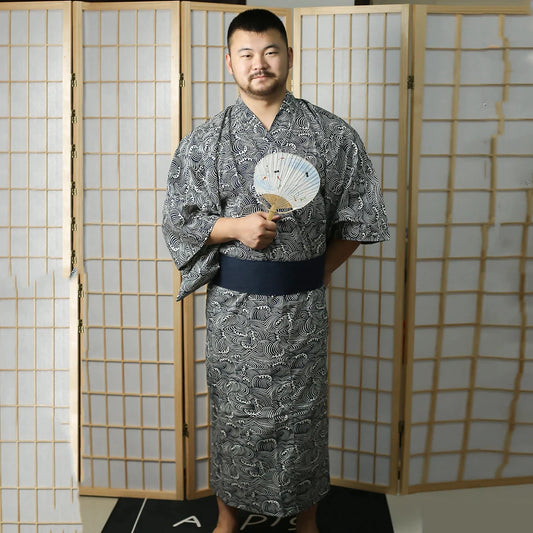
Yes, men's kimono styling also follows seasonal adaptations, though often with more subtle variations than women's. In summer, men often wear lightweight cotton yukata for festivals and casual wear, much like women. For cooler seasons, men's kimonos are typically made from heavier silks or wool. Colors tend to be more subdued, with deep blues, grays, and blacks being popular. Layering with haori jackets is common for warmth in fall and winter. Men's traditional patterns often include stripes, checks, or subtle nature motifs. Exploring Men's Kimono collections can reveal these seasonal differences in the United States.
Tags:
Previous
Kimono Price Guide: How Much Should You Spend on Quality Pieces
Next
Kimono Fabrics 101: Unraveling Silk, Cotton & Beyond for the Modern Wardrobe