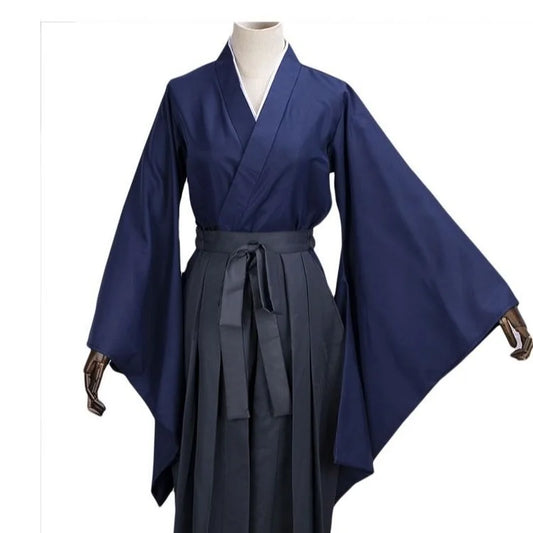
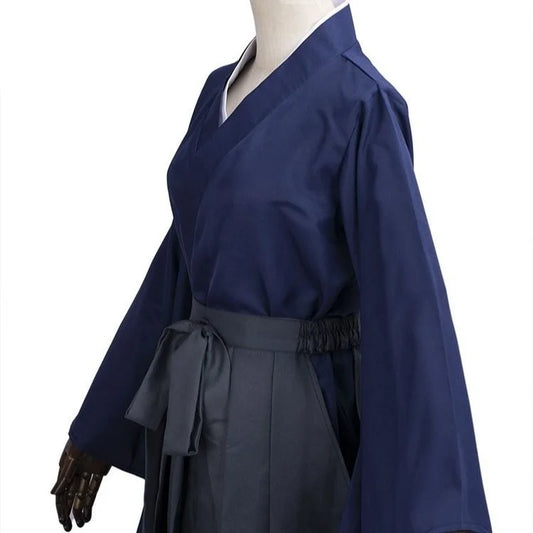
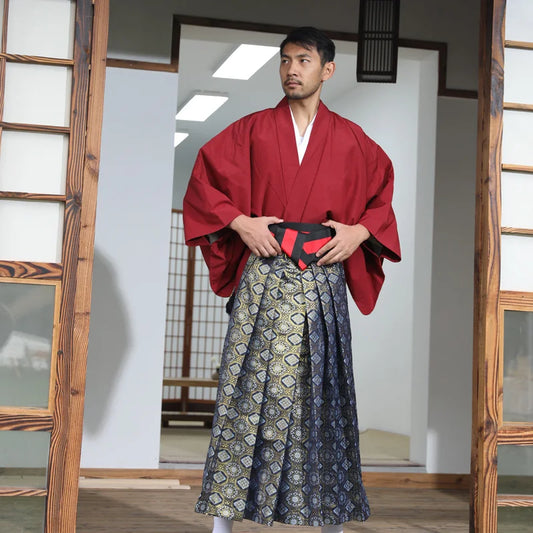
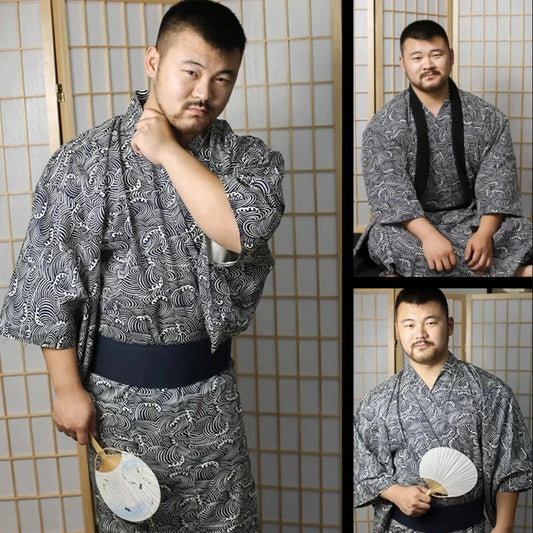
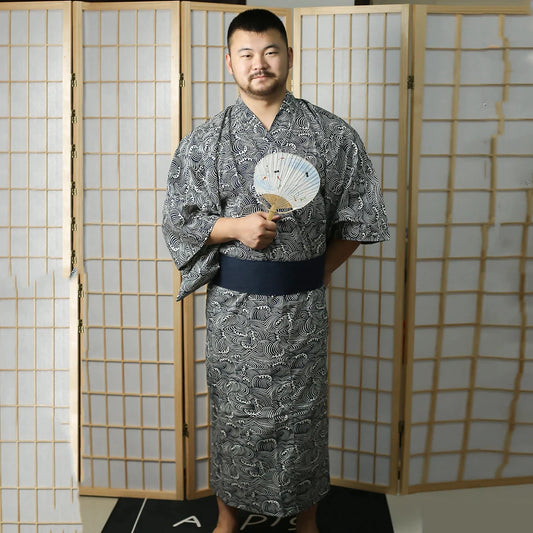
Kimono Fabrics 101: Unraveling Silk, Cotton & Beyond for the Modern Wardrobe

Modern Kimono Fashion & Styling
Kimono Fabrics 101: Unraveling Silk, Cotton & Beyond for the Modern Wardrobe
⚡ Réponse rapide
Kimono fabrics range from luxurious silk, prized for its drape and sheen, to breathable cotton, ideal for everyday wear and Yukata. Modern options include affordable synthetic blends like polyester and rayon, offering durability and diverse textures. The choice hinges on occasion, climate, budget, and desired feel, ensuring a perfect kimono for every style in the United States.
Unveiling the Soul of Kimono Fabrics: More Than Just Material
In the vibrant world of Japanese fashion, the kimono stands as an icon of grace, tradition, and artistry. But peel back its intricate layers, and you'll discover that the true soul of a kimono lies not just in its cut or pattern, but profoundly in its fabric. For enthusiasts and newcomers alike in the United States, understanding kimono fabrics is key to appreciating their beauty, comfort, and suitability for various occasions. From the rustling elegance of silk to the comforting embrace of cotton, each material tells a story, influencing how the garment drapes, feels, and endures.
Choosing the right fabric for your kimono is a decision that impacts everything from its aesthetic appeal to its practicality. Imagine wearing a heavy silk kimono on a sweltering summer day – perhaps not the most comfortable choice! Conversely, a lightweight cotton Yukata might lack the formal gravitas required for a special ceremony. This guide, Kimono Fabrics 101: Silk, Cotton & Affordable Materials Explained, is designed to demystify the vast array of textiles used in kimono making, helping you make informed choices, whether you're seeking a traditional masterpiece or a modern, casual piece for your wardrobe.
We'll delve into the distinct characteristics of silk, cotton, and other popular materials, exploring their historical significance, practical benefits, and care requirements. Our goal is to equip you with expert insights, enabling you to select a kimono that not only looks stunning but also feels right, fits your lifestyle, and lasts for years to come. Prepare to embark on a fascinating journey through textures, weaves, and fibers that define the timeless allure of the kimono.
“The fabric of a kimono is its first language. It speaks of its history, its purpose, and the care with which it was crafted, long before a single stitch is seen.”Traditional Japanese Artisan
The Regal Touch of Silk: A Legacy of Luxury and Elegance
When one thinks of traditional kimonos, silk is often the first fabric that comes to mind. Revered for centuries, silk kimonos embody luxury, sophistication, and unparalleled beauty. The natural sheen, smooth texture, and elegant drape of silk elevate any garment, making it the preferred choice for formal events, weddings, and ceremonial wear. In the United States, a Silk Kimono is often considered a valuable investment, a piece of wearable art.
There are several types of silk used in kimonos, each offering unique qualities:
- Chirimen Silk: Known for its crepe-like texture, achieved by twisting silk threads. This gives the fabric a slightly crinkled, resilient surface that resists wrinkles and provides a beautiful, subtle depth to patterns. It's excellent for formal kimonos.
- Rinzu Silk: A damask weave that incorporates patterns directly into the fabric, often featuring intricate floral or geometric motifs that shimmer as light catches them. Rinzu is smooth and glossy, making it highly desirable for elegant kimonos.
- Tsumugi Silk: Characterized by its slightly rougher, slubby texture, Tsumugi silk is spun from hand-reeled silk threads, often incorporating irregularities that give it a rustic, handcrafted charm. It's durable and often used for more casual, yet still luxurious, kimonos.
- Habutae Silk: A lightweight, smooth, and finely woven plain silk, often used for linings or less formal silk kimonos. It has a soft luster and excellent drape.
The benefits of silk are numerous: it's incredibly soft against the skin, naturally breathable, and possesses a unique ability to adapt to body temperature, keeping you warm in winter and cool in summer. However, silk requires delicate care, often necessitating dry cleaning to maintain its integrity and vibrant colors. Expect a genuine silk kimono to be a significant purchase, reflecting the meticulous craftsmanship and the cost of the raw material. Prices for authentic, hand-dyed silk kimonos can range from several hundreds to thousands of dollars, depending on the intricacy of the design and the quality of the silk.
Expert Tip for Silk Care
Always store your silk kimono in a cool, dry place, ideally in a breathable garment bag, away from direct sunlight to prevent fading. For minor wrinkles, a professional steamer on a low setting is preferable to ironing. Never use harsh chemicals or machine wash a traditional silk kimono; professional dry cleaning is highly recommended to preserve its delicate fibers and vibrant dyes.

Cotton's Embrace: Comfort, Versatility, and Everyday Charm
Moving from the opulent world of silk, we encounter cotton, the everyday hero of kimono fabrics. Cotton kimonos offer unparalleled comfort, breathability, and ease of care, making them incredibly popular for casual wear, loungewear, and especially for the summer festival garment known as the Yukata. For customers in the United States seeking a more relaxed and accessible entry into kimono fashion, cotton is an excellent starting point.
Cotton's versatility is remarkable. It can be woven into various textures and weights, from crisp poplin to soft gauze, and printed with an endless array of patterns. Key types of cotton used for kimonos include:
- Yukata Cotton: Typically a medium-weight cotton, often featuring bold, vibrant patterns. It's designed to be absorbent and breathable, perfect for hot summer evenings. Yukata are unlined, making them lighter than traditional kimonos.
- Chirimen Cotton: Similar to its silk counterpart, cotton chirimen has a crinkled texture, offering a tactile appeal and a bit more body than plain cotton. It's a great option for more structured casual kimonos or Kimono Cardigan styles.
- Double Gauze Cotton: Two layers of thin, breathable cotton loosely woven together, creating a super soft, airy fabric. This is ideal for very comfortable, lightweight kimonos, especially for lounging or warm weather.
Cotton kimonos are generally more affordable than silk, with prices for a good quality cotton Yukata or robe typically ranging from $50 to $200. They are also much easier to care for, often being machine washable (though gentle cycles and cold water are recommended to preserve colors and prevent shrinkage). This makes them a practical choice for daily wear, spa robes, or stylish loungewear. Their durability also means they can withstand more frequent use, making them a fantastic addition to any wardrobe in the United States looking for comfort and style.
10-25
Average Delivery Time (Business Days)
$80
Free Shipping Threshold (Orders Over)
75%
Customer Preference for Natural Fibers
Beyond Silk & Cotton: Exploring Modern & Affordable Kimono Materials
While silk and cotton hold traditional significance, the modern kimono market embraces a wider array of materials, catering to diverse budgets, styles, and practical needs. These alternative fabrics often offer excellent durability, ease of care, and innovative textures, expanding the accessibility and versatility of kimono fashion for contemporary lifestyles in the United States.
Key modern and affordable kimono materials include:
- Polyester: A highly durable synthetic fabric that is wrinkle-resistant, colorfast, and easy to care for. Polyester kimonos are often more affordable and can mimic the look and drape of silk or cotton. They are excellent for everyday wear, cosplay, or as stylish Kimono Jacket options where maintenance is a concern. While not as breathable as natural fibers, advances in textile technology have led to softer, more comfortable polyester blends.
- Rayon (Viscose): A semi-synthetic fiber made from regenerated cellulose, often derived from wood pulp. Rayon has a beautiful drape and a soft, luxurious feel akin to silk, making it a popular choice for flowy Kimono Dress or robes. It's breathable and absorbent, but can be prone to wrinkling and requires gentle washing to prevent shrinkage or damage.
- Linen: A natural fiber known for its strength, breathability, and distinctive texture. Linen kimonos are incredibly cool and comfortable in warm weather, making them a fantastic choice for summer or resort wear. While linen tends to wrinkle easily, this characteristic is often embraced as part of its relaxed charm.
- Blends: Many modern kimonos utilize fabric blends, combining the best qualities of different fibers. For instance, a cotton-polyester blend might offer the comfort of cotton with the durability and wrinkle resistance of polyester. Silk-rayon blends provide a luxurious feel at a more accessible price point. These blends are often found in casual Kimono Cardigan or fashionable Streetwear Kimono designs.
These materials have made the kimono more adaptable to contemporary fashion trends and functional demands. They allow for a broader range of styles, from the structured elegance of a Men's Kimono in a durable blend to a flowing Kimonos for Women in soft rayon, ensuring there's a kimono for every taste and budget.

The Rise of Sustainable Kimono Fabrics
As environmental consciousness grows, so does the demand for sustainable fashion. Look out for kimonos made from organic cotton, bamboo rayon, or recycled polyester. These eco-friendly options offer a guilt-free way to enjoy kimono style, combining traditional aesthetics with modern values. Supporting brands that prioritize sustainable practices helps the planet while enriching your wardrobe.
Choosing Your Kimono Fabric: Occasion, Climate, and Personal Style
With such a rich tapestry of fabrics available, how do you choose the perfect one for your kimono? It boils down to three key considerations: the occasion, the climate, and your personal style. Understanding these factors will guide you toward a kimono that not only looks good but also feels appropriate and comfortable, whether you're in New York or Los Angeles.
1. Occasion:
- Formal Events (Weddings, Ceremonies): Opt for luxurious silks like Rinzu or Chirimen. Their exquisite drape, subtle sheen, and intricate weaves exude formality and elegance. A traditional Wedding Kimono, for instance, is almost exclusively silk.
- Casual Wear (Lounging, Everyday Outings): Cotton is your best friend. A soft cotton Kimono Robe or a vibrant Yukata is perfect for relaxation or a stroll. Blends with rayon or linen are also excellent for a relaxed, chic look.
- Fashion Statements (Streetwear, Modern Ensembles): Polyester, rayon, and various blends offer a vast palette for contemporary styles. Think bold prints on polyester for a Kimono Dragon design or a flowing rayon for a unique Floral Kimono.
2. Climate:
- Warm Weather (Summer, Humid Climates): Prioritize breathability. Cotton (especially Yukata cotton or double gauze), linen, and lightweight rayon are ideal. They allow air circulation, keeping you cool and comfortable.
- Cooler Weather (Autumn, Spring): Medium-weight silks (like Tsumugi), heavier cottons, or wool blends (less common but available) provide warmth without excessive bulk. A Haori Jacket in a silk blend can add an extra layer of elegance and warmth.
- Layering: For fluctuating temperatures, consider thinner materials like silk or rayon that can be easily layered under or over other garments, such as a Kimono Cardigan.
3. Personal Style & Budget:
- Traditionalist: If you value authenticity and luxury, invest in a genuine silk kimono. Be prepared for a higher price point and specialized care.
- Comfort Seeker: Cotton is king. It's soft, breathable, and easy to maintain, perfect for a relaxed aesthetic.
- Trendsetter/Budget-Conscious: Explore polyester, rayon, and blends. These offer a wide range of styles, colors, and patterns at more accessible prices, allowing you to experiment with Modern Kimono Fashion without breaking the bank.
By considering these factors, you can confidently navigate the world of kimono fabrics and select a garment that truly resonates with your needs and aesthetic.
Beware of Misleading Labels
When shopping for kimonos online or in person, especially in the United States, always check the fabric composition label carefully. Some retailers might use terms like 'silk-like' or 'satin' to describe synthetic materials. While these can offer a similar look, they do not possess the natural properties or the value of genuine silk. Always confirm the exact fiber content to ensure you're getting what you expect.
Caring for Your Kimono: Fabric-Specific Preservation Tips
Proper care is paramount to preserving the beauty and longevity of your kimono, regardless of its fabric. Each material has specific requirements, and understanding them will ensure your cherished garment remains vibrant and well-maintained for years to come. Neglecting care instructions can lead to fading, shrinkage, or damage, especially with delicate traditional pieces.
Silk Kimonos: The Art of Gentle Preservation
- Dry Clean Only: For most traditional silk kimonos, professional dry cleaning is the safest and most recommended method. This prevents water stains, shrinkage, and damage to delicate dyes and weaves.
- Spot Cleaning (Caution!): For very minor, fresh stains, dab gently with a clean, white cloth and lukewarm water. Avoid rubbing. Test on an inconspicuous area first.
- Storage: Store silk kimonos flat in a clean, breathable garment bag (cotton or non-acidic paper) in a cool, dark, and dry place. Avoid hanging for extended periods if the kimono is heavy, as this can distort the shape. Use cedar blocks or lavender sachets as natural moth deterrents, but ensure they don't directly touch the silk.
- Ironing: If necessary, iron on the lowest silk setting with a pressing cloth, or preferably, use a garment steamer.
Cotton Kimonos: Everyday Practicality with a Touch of Care
- Machine Wash (Gentle Cycle): Most cotton kimonos and yukata can be machine washed. Use cold water and a gentle cycle with a mild detergent. Separate colors to prevent bleeding.
- Hand Wash for Delicates: For richly dyed or hand-printed cottons, hand washing in cold water is often safer.
- Drying: Air dry by hanging or laying flat to prevent shrinkage and preserve shape. If using a dryer, tumble dry on low heat and remove while slightly damp.
- Ironing: Cotton wrinkles easily. Iron on a medium-to-high setting while the fabric is still slightly damp, or use a steam iron.

Polyester & Rayon Kimonos: Modern Ease
- Polyester: Generally very easy to care for. Machine wash cold on a gentle cycle, and tumble dry low. It's often wrinkle-resistant, requiring minimal ironing.
- Rayon: More delicate than polyester. Hand wash or machine wash on a very gentle cycle in cold water. Hang to dry or lay flat, as rayon can stretch or shrink easily when wet. Iron on a low setting with steam.
Regardless of the fabric, always refer to the specific care label on your kimono. Investing a little time in proper care will significantly extend the life and beauty of your garment, allowing you to enjoy your Japanese Kimono for many years.
The Future of Kimono Fabrics: Sustainability and Innovation
As the fashion world evolves, so too does the art of kimono making. The future of kimono fabrics is increasingly focused on sustainability, ethical sourcing, and innovative textile technologies. This shift reflects a global consciousness that values both tradition and responsible production, resonating deeply with consumers in the United States who seek mindful consumption.
We are seeing a growing interest in:
- Organic and Recycled Fibers: Kimonos crafted from organic cotton, linen, or even recycled polyester reduce environmental impact. These materials maintain the aesthetic and comfort qualities while minimizing water usage, pesticide exposure, and landfill waste.
- Bamboo and Tencel/Lyocell: These plant-based fibers offer exceptional softness, breathability, and drape, often compared to silk or high-quality cotton, but with a more sustainable production footprint. They are excellent choices for modern, comfortable kimonos and robes.
- Innovative Weaves and Treatments: Textile innovations are leading to fabrics that are more durable, water-resistant, or even feature temperature-regulating properties, without compromising on the traditional kimono aesthetic. These advancements allow for kimonos that are not only beautiful but also highly functional for a variety of climates and activities.
The embrace of these new materials and practices signifies a dynamic evolution of kimono fashion, ensuring its relevance and beauty for generations to come. Whether you prefer the timeless elegance of silk, the comforting familiarity of cotton, or the practical innovation of modern blends, there's a kimono fabric out there that perfectly aligns with your values and style. Explore our diverse range of Japanese Kimonos to find your perfect match, confident in your newfound knowledge of their incredible fabrics.
| Fabric Type | Pros | Cons | Ideal Use | Care Level |
|---|---|---|---|---|
| Silk | Luxurious drape, natural sheen, breathable, temperature-regulating, elegant | Expensive, delicate, requires dry cleaning, prone to water stains | Formal events, weddings, ceremonial wear | High (Professional Dry Clean) |
| Cotton | Breathable, comfortable, durable, affordable, easy to wash, versatile | Wrinkles easily, can shrink if not cared for, less formal drape | Casual wear, loungewear, Yukata, summer festivals | Medium (Machine Wash Gentle) |
| Polyester | Durable, wrinkle-resistant, colorfast, affordable, easy care, diverse textures | Less breathable than natural fibers, can feel less luxurious | Everyday wear, fashion kimonos, themed events | Low (Machine Wash Cold) |
| Rayon | Soft, luxurious drape, breathable, good absorption, affordable alternative to silk | Prone to wrinkling, can stretch/shrink when wet, requires gentle washing | Fashion kimonos, robes, loungewear, flowing styles | Medium (Hand Wash / Gentle Machine) |
| Linen | Highly breathable, strong, moisture-wicking, cool, relaxed texture | Wrinkles easily, can be stiff initially, higher price than cotton | Summer wear, beach kimonos, casual relaxed styles | Medium (Machine Wash Gentle / Hand Wash) |
Ready to Discover Your Perfect Kimono Fabric?
Explore our exquisite collection of kimonos, crafted from a range of luxurious silks, comfortable cottons, and versatile modern blends. Find the ideal kimono that speaks to your style and occasion.
Voir la collection →FAQ
The most traditional kimono fabric is undoubtedly silk. For centuries, silk has been the material of choice for formal and ceremonial kimonos in Japan, prized for its exquisite beauty, luxurious drape, and natural luster. Different silk weaves, such as chirimen (crepe), rinzu (damask), and tsumugi (slubbed silk), each carry specific cultural significance and aesthetic qualities. While cotton yukata have a long history for casual wear, silk remains the benchmark for authentic, high-end traditional kimonos, representing artistry and heritage that resonates with collectors and enthusiasts in the United States.
Absolutely! Cotton kimonos are exceptionally well-suited for everyday wear, offering comfort, breathability, and ease of maintenance. They are particularly popular for casual outings, loungewear, and as summer garments like the yukata. Unlike delicate silk, cotton can often be machine washed, making it a practical choice for regular use. For those in the United States looking for a relaxed yet stylish garment, a cotton kimono or Kimono Robe provides an ideal blend of traditional aesthetic and modern functionality, perfect for a comfortable day at home or a casual social gathering.
Caring for a silk kimono requires particular attention to ensure its longevity. The primary recommendation is always professional dry cleaning to prevent water stains, shrinkage, and damage to its delicate fibers and dyes. Avoid machine washing or hand washing unless specifically indicated by the garment's care label. When storing, keep your silk kimono in a breathable garment bag in a cool, dark, and dry environment, away from direct sunlight. For minor wrinkles, a garment steamer on a low setting is preferable to ironing. Following these steps will help preserve the beauty and integrity of your luxurious silk kimono for years.
For those seeking the elegance of a kimono without the premium price tag of silk, several affordable alternatives offer excellent style and comfort. Polyester is a popular choice, known for its durability, wrinkle resistance, and ability to mimic silk's sheen and drape. Rayon (viscose) is another fantastic option, providing a soft, luxurious feel and beautiful flow, very similar to silk, at a more accessible cost. Additionally, cotton blends or even linen kimonos can provide a stylish yet budget-friendly option, especially for casual or warmer weather wear. These materials make kimono fashion accessible to a wider audience in the United States.
While traditional formal events in Japan typically call for genuine silk kimonos, the suitability of synthetic fabrics depends on the specific event and its level of formality. For very strict traditional ceremonies, silk is almost always preferred. However, for less formal cultural events, festivals, or contemporary gatherings, a well-made kimono from polyester or rayon, especially one that beautifully replicates traditional patterns and drape, can be perfectly acceptable. Many modern Japanese Kimono styles in the United States utilize synthetic blends for their practicality and aesthetic appeal, making them a viable option for a range of occasions where absolute adherence to silk isn't mandatory.
Yes, absolutely! Kimono fabrics are thoughtfully chosen to suit different seasons. For summer, lightweight and breathable fabrics like cotton (especially for Yukata), linen, and thin rayon are ideal to keep cool. In spring and autumn, medium-weight silk (like tsumugi or rinzu) and certain cotton blends offer comfortable warmth without being too heavy. For winter, heavier silks, wool blends, or lined kimonos are preferred for insulation. This seasonal consideration ensures comfort and aligns with traditional Japanese aesthetics, allowing wearers in the United States to choose appropriate attire year-round.
Tags:
Previous
Seasonal Kimono Styling: Spring, Summer, Fall & Winter Looks
Next
Kimono Color Symbolism & Meaning: What Each Color Represents