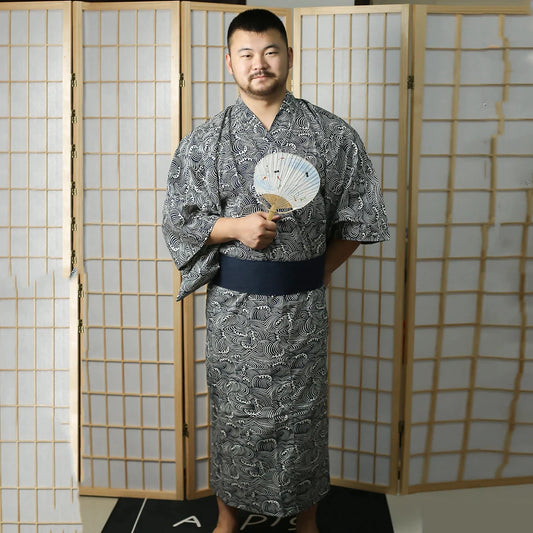
Kimono for Weddings & Ceremonies in the US: Modern vs. Traditional Etiquette

Occasions & Events
Kimono for Weddings & Ceremonies in the US: Modern vs. Traditional Etiquette
⚡ Quick Answer
Yes, wearing a kimono for a wedding or ceremony in the USA is a stunning choice that blends cultural elegance with personal style. While traditional Japanese etiquette offers a rich framework, modern adaptations prioritize comfort, venue, and individual preference, making the kimono a versatile garment for various formal occasions across America.
The Allure of Kimono for US Celebrations
In the vibrant tapestry of American weddings and ceremonies, a beautiful trend is emerging: the embrace of the traditional Japanese kimono. Far from being confined to its country of origin, the kimono is increasingly chosen by couples and guests across the United States seeking to infuse their special occasions with unparalleled elegance, cultural depth, and a touch of unique artistry. This isn't just about wearing a garment; it's about making a statement, honoring heritage, or simply celebrating personal style with a garment steeped in history and grace. Whether you're planning a full Japanese Kimono-themed wedding or simply wish to incorporate elements of its timeless beauty, understanding its place in both traditional and modern contexts is key.
The appeal of the kimono for a wedding ceremony in the USA lies in its ability to transform. Its intricate patterns, luxurious fabrics, and dignified silhouette instantly elevate any event, offering a visual feast that stands out from conventional Western attire. For many, it represents a connection to Japanese culture, a tribute to ancestry, or an appreciation for its aesthetic beauty. The versatility of the kimono also allows it to fit seamlessly into various types of ceremonies, from intimate backyard gatherings to grand ballroom affairs, provided the styling and etiquette are thoughtfully considered. It's a garment that promises not just beauty, but also a memorable experience for anyone who wears it.
Why Choose a Kimono for Your US Wedding?
A kimono offers a unique blend of sophistication and cultural richness, making your wedding or ceremony truly unforgettable. It provides stunning photographic opportunities, symbolizes deep cultural meaning, and allows for personal expression within a framework of timeless elegance. It’s an investment in a distinctive experience that guests will remember.
Understanding Traditional Japanese Wedding Kimono Etiquette
To truly appreciate the kimono's role in a wedding ceremony, it's essential to grasp its traditional roots. In Japan, wedding kimonos are not merely attire; they are profound symbols of status, purity, and new beginnings, worn with strict adherence to centuries-old etiquette. The most iconic bridal kimono styles include the Shiromuku, an all-white ensemble symbolizing purity and the bride's readiness to be dyed with her new family's colors, often paired with an elaborate white headdress like the wataboshi or tsunokakushi. The Irouchikake, on the other hand, is a vibrant, heavily embroidered outer kimono, typically red or gold, worn over the Shiromuku, showcasing the bride's new family prosperity and good fortune. For a slightly less formal but equally stunning choice, the Hiki Furisode, a long-sleeved kimono with an extended train, is also popular, especially for unmarried brides.
The dressing process for a traditional Japanese wedding kimono is an art form in itself, often requiring the expertise of a professional dresser (kitsuke-shi). It involves multiple layers of undergarments, precise folding, and the careful tying of an obi (sash), all designed to create a specific silhouette and convey elegance. Accessories like ornate hair ornaments (kanzashi), traditional footwear (zori), and white toe socks (tabi) complete the ensemble. Every element, from the fabric's pattern to the way the obi is tied, holds symbolic meaning, reflecting the bride's journey and hopes for the future. Understanding these traditions provides a rich context for how a Wedding Kimono can be adapted respectfully in a US setting.
“A kimono is more than just clothing; it's a narrative woven in silk, telling a story of heritage and intention. Each fold, each pattern carries meaning and a piece of history.”Artisan Seamstress
Modern Adaptations: Embracing Kimono in American Weddings
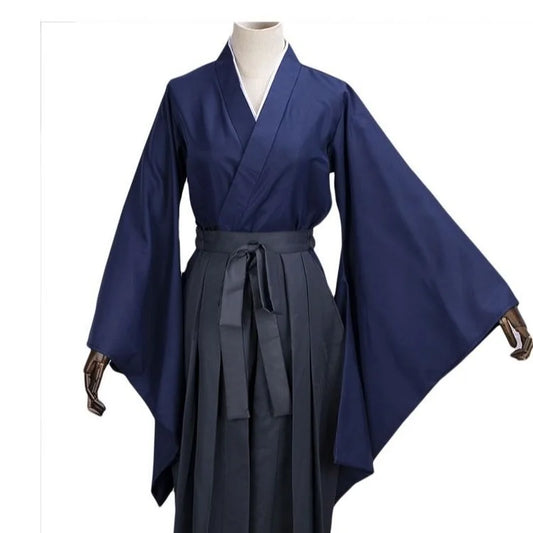
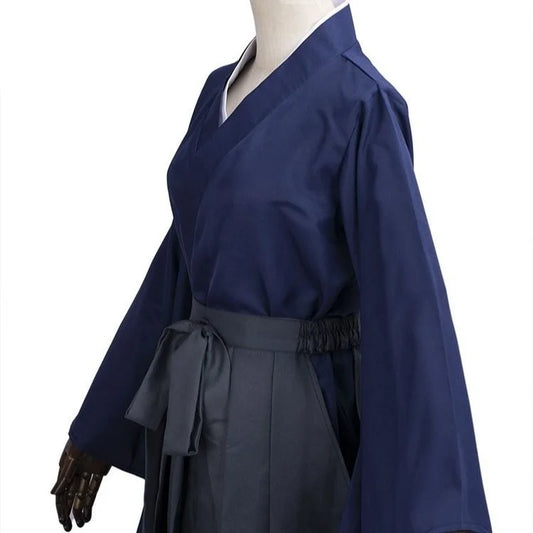
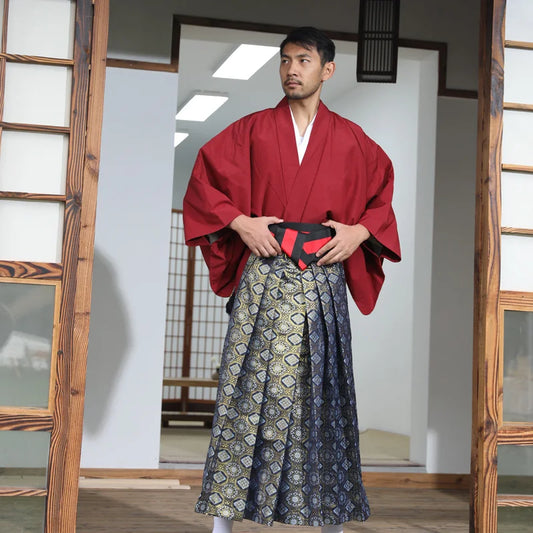
While the reverence for traditional Japanese wedding kimonos remains, their integration into American ceremonies often involves a beautiful blend of cultural homage and modern practicality. US couples are creatively incorporating kimonos, moving beyond strict historical rules to focus on aesthetics, comfort, and personal expression. This can manifest in various ways: a bride might wear a kimono for her pre-wedding photoshoot, as a stunning second outfit for the reception, or even as her primary attire for a fusion wedding that blends Japanese and Western customs. Grooms, too, are exploring options like formal montsuki haori hakama sets or more casual kimono-style jackets for their special day.
Modern adaptations often involve simplifying the elaborate traditional dressing process. Instead of multiple layers, some choose a single, beautifully tailored kimono. Fabrics might vary from traditional silk to more modern, breathable blends, especially for outdoor or warmer venues in the United States. The emphasis shifts from rigid etiquette to making the kimono feel personal and comfortable for the wearer, while still honoring its aesthetic appeal. This flexibility allows for a wider range of styles and colors, making the kimono accessible for diverse ceremonies, from intimate elopements to grand celebrations. The goal is to create a unique and memorable experience that reflects the couple's identity.

10-25 days
Estimated Delivery Time for US Orders
$80+
Free US Shipping Threshold
3 steps
Easy Ordering Process
Choosing Your Wedding Kimono: Styles, Colors, and Fabrics
Selecting the perfect Traditional Kimono for your US wedding involves considering several factors beyond just aesthetics. The choice of style often depends on your role and the desired level of formality. For brides, options range from the highly formal Shiromuku or Irouchikake (often rented due to their intricate nature and cost), to the elegant Furisode with its long, flowing sleeves, typically worn by unmarried women. For married women, a Tomesode (black with crests, or colored) offers formal elegance. For a more understated or modern look, a beautiful Houmongi (visiting kimono) with patterns flowing over the seams can be a superb choice.
Color plays a crucial symbolic role. While white symbolizes purity and new beginnings, red is associated with good luck and prosperity. Gold and silver threads often represent wealth and celebration. However, in modern American contexts, couples often choose colors that align with their wedding palette or personal preferences, including soft pastels, deep blues, or even a striking Black Kimono for a sophisticated, contemporary look. The fabric is another vital consideration; silk remains the most traditional and luxurious choice, offering unparalleled drape and sheen. For budget-conscious options or easier care, high-quality satin or polyester blends can mimic the look of silk beautifully. Consider the season and venue: lighter fabrics for summer outdoor weddings, heavier silks for indoor or cooler weather.
Key Considerations for Your Kimono Choice
When selecting your wedding kimono in the US, think about: 1) Venue & Season: Will it be comfortable outdoors in summer or warm enough indoors in winter? 2) Personal Style: Do you prefer traditional grandeur or modern simplicity? 3) Budget: Renting traditional bridal kimonos can be cost-effective, while buying a less formal style offers lasting value. 4) Logistics: How will it be worn and maintained?
Beyond the Bridal Couple: Kimonos for Guests and Attendants
The kimono's appeal extends beyond the wedding couple to guests and the bridal party, offering a unique opportunity to enhance the ceremony's visual splendor. For wedding guests in the US, wearing a kimono is a thoughtful gesture of cultural appreciation, but a few etiquette guidelines apply. Generally, guests should avoid wearing white or red kimonos, as these colors are traditionally reserved for the bride. Less formal styles like Komon (all-over pattern) or Iromuji (solid color) are appropriate. A Floral Kimono with a subtle pattern can be an elegant choice, or a chic Kimono Jacket worn over Western attire offers a stylish nod to tradition without full commitment.
For bridesmaids or groomsmen, kimonos can create a stunning, cohesive look. Bridesmaids might wear matching or coordinating kimonos in colors that complement the wedding theme, perhaps a set of elegant Womens Kimono robes for pre-ceremony photos. Groomsmen could opt for matching Men's Kimono or stylish Haori Jackets. The key is to discuss with the couple beforehand to ensure the attire aligns with their vision for the day. For younger attendees, a charming Children's Kimono can add an adorable touch, integrating the whole family into the celebration of Japanese culture.

Accessorizing Your Kimono for a US Wedding Ceremony
Accessorizing a kimono is an art form that significantly impacts the overall look and feel, whether you're aiming for traditional authenticity or modern interpretation in your US wedding. Traditionally, the primary accessory is the Obi, a wide sash intricately tied around the waist, often a masterpiece of weaving and embroidery itself. The Obi is secured with an Obi-jime (decorative cord) and softened with an Obi-age (scarf peeking above the obi). Other essential traditional accessories include Zori (formal sandals) or Geta (wooden clogs for more casual wear), and Tabi (white split-toe socks). Hair ornaments like elaborate Kanzashi add a final touch of traditional elegance for brides.
In a modern American wedding setting, you have more flexibility. While a beautiful Kimono Accessories set can complete a traditional look, you might also choose to simplify. For example, some may opt for a simpler obi or even a belt that complements the kimono's design. Western jewelry, delicate clutches, or even modern high heels can be paired with a kimono for a fusion aesthetic, as long as they don't clash with the garment's elegance. The key is balance: allow the kimono itself to be the star, with accessories enhancing rather than overpowering its beauty. For pre-wedding events or a more relaxed ceremony, even a stylish Kimono Robe can be elegantly accessorized.
- Kimono: The main garment, chosen for style, color, and fabric.
- Nagajuban: A lightweight undergarment worn beneath the kimono for comfort and hygiene.
- Obi: The essential decorative sash, often a focal point of the outfit.
- Obi-jime & Obi-age: Cord and scarf used to secure and decorate the obi.
- Zori / Geta: Traditional footwear, selected based on formality.
- Tabi: White split-toe socks, crucial for traditional footwear.
- Kanzashi / Hair Ornaments: Elaborate pins and combs for bridal hairstyles.
- Small Bag / Pouch: For carrying essentials, complementing the kimono.
Practical Considerations: Renting, Buying, and Styling Services in the US
Deciding whether to rent or buy a kimono for a wedding or ceremony in the US depends on several factors, including budget, desired style, and how often you anticipate wearing it. Traditional bridal kimonos like the Shiromuku or Irouchikake are often rented due to their high cost and the specialized expertise required for dressing. Rental services can be found in major US cities with Japanese communities or through online specialists. For guests or those seeking a less formal Kimono, buying offers the advantage of ownership and the ability to customize or wear it again for other occasions.
When buying, consider reputable online retailers that specialize in authentic Japanese garments. Look for detailed sizing charts and customer reviews, as kimono sizing can differ from Western clothing. For those in the United States, be mindful of shipping times; our products typically have an estimated delivery time of 10-25 business days, so planning well in advance is crucial. Styling a kimono, especially a formal one, can be complex. While many online tutorials exist for simpler styles, a professional kitsuke-shi (kimono dresser) ensures the garment is worn correctly and elegantly, giving you peace of mind on your special day. If a professional isn't available, practice extensively with a simpler Yukata or Womens Kimono before the event.

Making Your Kimono Wedding Uniquely Yours
Incorporating a kimono into your wedding or ceremony in the US is a powerful way to express individuality and cultural appreciation. Beyond the garment itself, think about how you can weave the kimono's essence into other aspects of your celebration. Consider Japanese-inspired décor, such as cherry blossoms or intricate paper lanterns, or perhaps serving traditional Japanese sweets alongside Western desserts. The kimono can also inspire your wedding stationery, favors, or even the choice of music, creating a cohesive and immersive experience for your guests.
One of the most enduring aspects of choosing a kimono for your special day is the unforgettable memories and stunning photographs it will create. The unique silhouette and vibrant patterns of a kimono lend themselves beautifully to wedding photography, offering timeless images that capture the fusion of cultures and your personal story. Embrace the opportunity to educate your guests about the kimono's significance, sharing its history and meaning. This fosters a deeper appreciation for your choices and makes your event truly distinctive. Ultimately, whether opting for strict tradition or a modern interpretation, wearing a kimono allows you to celebrate your love story with unparalleled grace and a profound connection to Japanese artistry.
Avoid Cultural Misappropriation
While embracing cultural elements, always do so with respect and understanding. Learn about the kimono's significance and traditions before incorporating it into your ceremony. If unsure, consult with cultural experts or individuals with Japanese heritage to ensure your choices are respectful and appreciative, rather than merely decorative or appropriative. Authenticity and respect enhance the beauty of your celebration.
Discover Your Dream Wedding Kimono
Explore our exquisite collection of kimonos perfect for your special day. Find authentic designs and modern styles to celebrate your love.
See the collection →FAQ
Absolutely! Wearing a kimono for a wedding or ceremony in the United States is a beautiful and increasingly popular choice. Many couples and guests embrace the kimono to add elegance, cultural significance, and a unique aesthetic to their special day. It's often seen as a respectful nod to Japanese culture and a way to stand out. The key is to consider the context of the wedding, the couple's wishes, and to choose a style that is appropriate for the formality of the event, whether fully traditional or a modern adaptation. It can truly make your celebration memorable.
Traditional Japanese wedding etiquette is highly structured, dictating specific kimono types (like Shiromuku or Irouchikake for brides), colors, and an elaborate dressing process. It's deeply symbolic, focusing on purity, family transition, and prosperity. In contrast, modern kimono wedding etiquette in the US is more flexible. It prioritizes personal style, comfort, and cultural fusion. Couples might choose less formal kimono styles, simplify the layering, or incorporate kimonos as part of a fusion outfit. The goal is often to honor the aesthetic and cultural beauty of the kimono while adapting it to suit contemporary American wedding customs and individual preferences.
Yes, guests can certainly wear kimonos to a US wedding, provided it aligns with the couple's overall wedding theme and expectations. It's always best to check with the couple beforehand. If you do wear one, avoid white or red kimonos, as these are typically reserved for the bride in traditional Japanese weddings. Opt for less formal styles like Komon or Iromuji, or even a chic kimono jacket over Western attire. The idea is to show respect for the occasion and culture without overshadowing the bridal party. A well-chosen kimono can make a guest's attire truly elegant and unique.
Choosing the right kimono involves considering several factors. First, define your role: are you the bride, groom, or a guest? For brides, consider traditional bridal kimonos or elegant Furisode. For guests, less formal styles are appropriate. Next, think about the wedding's formality and theme – traditional, modern, or fusion. Colors and patterns should align with your personal aesthetic and the overall event palette. Fabric choice (silk for luxury, blends for practicality) and seasonal comfort are also key. Finally, consider your budget and whether you prefer to rent a highly elaborate kimono or purchase a more versatile one you can wear again. Our Wedding Kimono collection offers various options.
For a traditional wedding kimono, essential accessories include the Nagajuban (undergarment), Obi (sash), Obi-jime (decorative cord), Obi-age (scarf), Tabi (split-toe socks), and Zori (formal sandals). Brides also traditionally wear elaborate Kanzashi (hair ornaments). For a modern interpretation in the US, you might simplify these. A beautiful kimono might be paired with a simpler obi, or even a contemporary belt. Hair and makeup can also be adapted to complement the kimono's style. The goal is to create a harmonious look where accessories enhance the kimono without overwhelming it, reflecting your personal style and the wedding's unique theme.
Finding a kimono for a wedding in the United States can be done through several channels. Specialized Japanese cultural centers or boutiques in major cities often offer rentals or sales of traditional kimonos. Online retailers like ours provide a wide selection of kimonos, from authentic traditional pieces to modern adaptations, including our dedicated Wedding Kimono collection. For bridal kimonos, some wedding planners specializing in cultural or fusion weddings may have resources. When ordering online, ensure you check sizing guides and allow ample time for shipping, as delivery to the US typically takes 10-25 business days. This ensures your kimono arrives perfectly in time for your celebration.
Tags:
Previous
Kimono Market Report: Growth Trends, Consumer Demographics & US Forecasts
Next
Yuzen Dyeing and Hand-Painted Silk Kimonos: The Pinnacle of Luxury Craftsmanship