Industry Insights
Kimono Market Report: Growth Trends, Consumer Demographics & US Forecasts
⚡ Quick Answer
The kimono market in the USA is experiencing robust growth, driven by increasing cultural appreciation, fashion integration, and diverse consumer demographics. Forecasts indicate continued expansion, especially in casual and modern interpretations, with significant opportunities for both traditional and contemporary styles across various price points.
Introduction: Unveiling the Dynamic US Kimono Market
The kimono, a garment steeped in centuries of Japanese tradition, is experiencing an unprecedented resurgence in popularity across the United States. Far from being confined to ceremonial wear or niche cultural events, the kimono has gracefully transitioned into a versatile fashion statement, a symbol of elegance, comfort, and cross-cultural appreciation. This comprehensive Kimono Market Report delves into the intricate dynamics of the kimono market USA 2025 2026, offering invaluable insights into its growth trajectory, the evolving consumer landscape, and strategic forecasts for the coming years. We aim to provide a detailed, data-driven analysis for retailers, designers, and enthusiasts eager to understand and capitalize on this vibrant market.
What was once a distant cultural artifact is now a tangible, desirable item in American wardrobes. The market is not merely expanding; it's diversifying, embracing both the reverence for authentic Japanese craftsmanship and the innovative spirit of modern fashion. From bustling urban centers like New York and Los Angeles to culturally conscious communities nationwide, the kimono's appeal is broadening, fueled by a blend of aesthetic beauty, comfort, and a growing global interconnectedness. This report will unpack the forces driving this transformation, examining how cultural understanding, social media trends, and a desire for unique self-expression are reshaping consumer demand.
Our analysis will go beyond surface-level observations, providing concrete examples and expert perspectives on what makes the US kimono market so unique. We’ll explore the nuances of consumer behavior, identifying key demographic shifts and purchasing motivations. Furthermore, we’ll pinpoint emerging trends in design, materials, and pricing that are defining the competitive landscape. For anyone involved in the business of Japanese fashion or exploring new retail ventures in the US, this report serves as an essential guide to navigating the opportunities and challenges within this exciting and rapidly evolving sector.
Key Growth Drivers Shaping the Kimono Landscape
The burgeoning interest in the kimono market USA 2025 2026 can be attributed to several powerful growth drivers that transcend simple fashion cycles. Firstly, the kimono's exceptional versatility has allowed it to seamlessly integrate into various American lifestyles. No longer just a formal garment, it's embraced as a chic layering piece, a comfortable robe, or even a statement jacket. Consumers are discovering the elegance of a Kimono Jacket over everyday attire, or the relaxed sophistication of a Short Kimono paired with jeans, demonstrating its adaptability far beyond traditional contexts.
Secondly, the pervasive influence of pop culture, particularly Japanese anime, manga, and video games, plays a significant role in introducing kimonos to younger demographics. Characters adorned in traditional or stylized kimonos spark curiosity and a desire to emulate these aesthetics. This exposure normalizes the garment and positions it as a cool, culturally rich fashion item. Social media platforms, with their visual-first approach, further amplify this trend, allowing influencers and everyday users to showcase creative kimono styling, reaching millions and inspiring new purchasing decisions.

Moreover, a growing appreciation for global cultures and artisanal craftsmanship is driving consumers towards authentic and ethically sourced products. Americans are increasingly seeking unique items that tell a story and reflect a commitment to quality over quantity. The allure of a meticulously crafted Japanese Kimono, with its rich history and intricate patterns, resonates deeply with this desire for meaningful consumption. This cultural awakening is supported by a rise in cultural festivals, exhibitions, and educational content that illuminate the kimono's heritage, fostering a deeper understanding and appreciation among US consumers.
Finally, the comfort revolution in fashion, accelerated by recent global shifts, has cemented the kimono’s place as a desirable item. Its loose, flowing silhouette offers unparalleled comfort, making it an ideal choice for loungewear or elegant home attire. The demand for Kimono Robes has surged, transforming them from utilitarian items into luxurious essentials that blend relaxation with sophisticated style. This blend of comfort, cultural depth, and fashion-forward adaptability positions the kimono for sustained growth in the US market.
Material Matters: Trends in Kimono Fabrics
While traditional silk remains a hallmark of luxury, the US market is seeing a rise in demand for kimonos made from sustainable and versatile materials. Organic cotton, linen blends, and recycled synthetic fabrics are gaining traction, appealing to eco-conscious consumers. For everyday wear, lightweight rayon and modal offer comfort and drape, making them popular choices for Yukata Women and casual kimonos.
Evolving Consumer Demographics in the USA
Understanding the diverse consumer base is paramount for success within the kimono market USA 2025 2026. The market is no longer solely driven by a narrow segment of enthusiasts; it now caters to a broad spectrum of individuals with varying motivations and purchasing powers. Younger generations, notably Gen Z and Millennials, represent a significant growth segment. They are drawn to kimonos for their unique aesthetic, versatility as a fashion piece, and their connection to pop culture and global trends. These consumers often seek out more contemporary designs, vibrant patterns, and accessible price points, viewing kimonos as a means of personal expression rather than strict adherence to tradition.
Conversely, older generations, including Gen X and Baby Boomers, often appreciate the kimono for its cultural authenticity, craftsmanship, and timeless elegance. This demographic is more likely to invest in higher-quality, traditional pieces, such as Silk Kimono or ceremonial garments like those seen in Wedding Kimono collections. They value the heritage and artistry behind each piece, often seeking out kimonos for special occasions, cultural events, or as cherished heirlooms. The market also sees a segment interested in vintage and antique kimonos, appreciating their history and unique patterns.

Geographically, demand for kimonos tends to be strongest in metropolitan areas with diverse populations and vibrant arts scenes, such as New York, Los Angeles, San Francisco, and Seattle. However, online retail has significantly broadened reach, allowing consumers in smaller towns and rural areas to access a wide array of styles. This digital accessibility is democratizing the kimono market, ensuring that cultural appreciation is not limited by location. Furthermore, there's a growing emphasis on inclusivity, with increasing demand for Plus Size Kimono options, ensuring that the beauty and comfort of kimonos are accessible to all body types.
Purchasing motivations are also diverse. Some consumers buy kimonos as a fashion statement, integrating them into their daily wardrobes. Others seek them for specific events, such as themed parties, cosplay conventions, or cultural celebrations. A significant portion also purchases kimonos for comfort and relaxation, utilizing them as stylish loungewear. The market for Children's Kimono is also showing steady growth, driven by parents who wish to introduce their children to Japanese culture or simply dress them in charming, comfortable attire for special occasions or daily wear.

Market Segmentation: Beyond the Traditional Kimono
The kimono market USA 2025 2026 is characterized by a rich and evolving segmentation that moves far beyond the classic image of a formal, floor-length garment. This diversification is crucial for understanding where growth opportunities lie. At its core, the market can be broadly divided into traditional, contemporary, and utility-focused segments, each catering to distinct consumer needs and preferences.
The **Traditional Kimono** segment remains foundational, appealing to purists, collectors, and those seeking authentic ceremonial wear. These are typically full-length, often crafted from silk, and feature classic motifs and dyeing techniques. They are purchased for weddings (Wedding Kimono), tea ceremonies, or as high-value cultural garments. Retailers specializing in this area focus on craftsmanship, historical accuracy, and premium materials, providing an experience that often includes educational context about the garment's significance.
The **Contemporary & Fashion-Forward Kimono** segment is arguably the largest growth area. This category includes a vast array of styles designed for everyday wear, fashion layering, and modern aesthetics. Examples include Womens Kimono that serve as stylish cardigans, lightweight Beach Kimono cover-ups, and Floral Kimono designs that integrate seamlessly into bohemian or casual chic wardrobes. The Streetwear Kimono sub-segment is particularly dynamic, blending traditional silhouettes with urban fashion elements, appealing to a younger, trend-conscious demographic.
Within the utility-focused segment, **Kimono Robes** have carved out a significant niche. These are primarily purchased for comfort and relaxation, serving as luxurious loungewear, bathrobes (Kimono Robe), or elegant dressing gowns. Materials in this segment range from soft cottons and bamboo blends to luxurious silks, prioritizing comfort and practical wearability over strict traditional adherence. Similarly, Haori Jackets, traditionally worn over kimonos, have become popular standalone outerwear, prized for their unique cut and versatility.
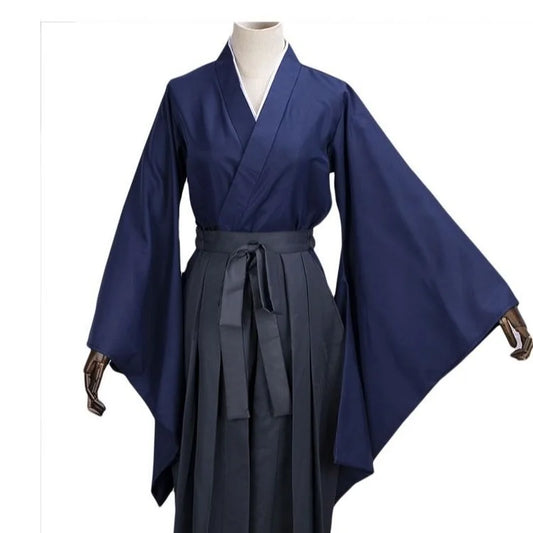
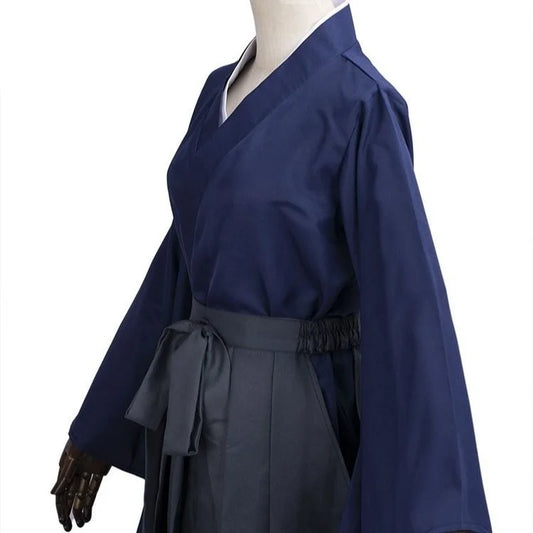
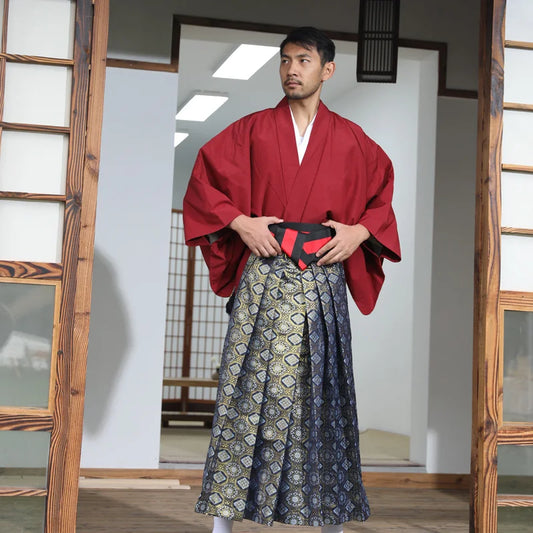
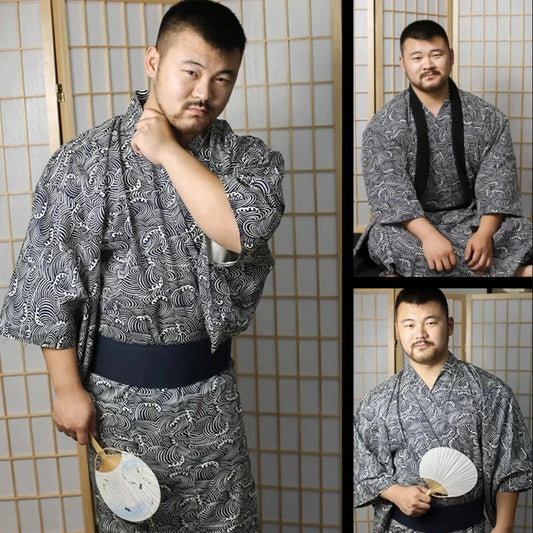
Finally, niche segments are emerging and growing. The market for Men's Kimono and Male Yukata is expanding, as men increasingly embrace the unique style and comfort these garments offer. Kimono accessories, such as sashes (Kimono Accessories) and footwear, also represent a complementary market, allowing consumers to complete their looks or personalize their kimonos further. This diverse segmentation underscores the kimono's remarkable adaptability and its capacity to appeal to a vast, multifaceted consumer base in the United States.
Pricing Strategies and Market Accessibility
Effective pricing strategies are critical for retailers navigating the competitive kimono market USA 2025 2026, balancing perceived value, production costs, and consumer affordability. The market exhibits a wide price spectrum, from budget-friendly options to high-end luxury pieces, catering to diverse income levels and purchasing intentions. Understanding this landscape is key to positioning products effectively and maximizing market reach.
At the entry level, mass-produced kimonos, often made from synthetic fabrics like polyester or basic cotton blends, are priced to be accessible to a broad consumer base. These items typically retail at prices that make them attractive as impulse buys, fashion experiments, or casual everyday wear. They are often found in fast-fashion outlets or online marketplaces, emphasizing trendiness and affordability. While they make kimonos accessible, their production often lacks the intricate detail and lasting quality of more traditional garments.
Mid-range kimonos, often crafted from higher-quality cotton, rayon, or linen, with more intricate prints or embroidery, represent the sweet spot for many consumers. These pieces offer a significant upgrade in material and design quality without reaching luxury price points. They are popular for those seeking durable, stylish options for regular wear, special occasions, or as thoughtful gifts. This segment often benefits from value-added propositions, such as unique designs, ethical sourcing claims, or a wider range of sizes, including Plus Size Kimono options.
The premium and luxury segments are dominated by kimonos made from exquisite materials like pure silk (Silk Kimono), hand-painted designs, or those crafted using traditional Japanese techniques by skilled artisans. These pieces are often unique, carry significant cultural value, and are priced accordingly, reflecting the labor, artistry, and material cost involved. Consumers in this segment are often collectors, connoisseurs, or individuals seeking a statement piece for a significant event like a wedding (Wedding Kimono), prioritizing unparalleled quality and authenticity.
$80+
Free Shipping Threshold in USA
10-25 Days
Typical Delivery Window to USA
Growing
Online Sales Share in Market
Market accessibility is also heavily influenced by retail channels. Online stores offer unparalleled reach, allowing retailers to connect with consumers across the entire United States, regardless of their proximity to physical Japanese cultural centers. E-commerce platforms provide extensive catalogs, detailed product descriptions, and customer reviews, helping consumers make informed decisions. Many online retailers, including our own, offer convenient services such as free tracked delivery for orders over $80, with a typical delivery window of 10-25 business days, making quality kimonos accessible nationwide.
Conversely, brick-and-mortar stores, particularly specialty boutiques in major cities, offer a tactile shopping experience, allowing customers to feel fabrics, try on garments, and receive personalized styling advice. These stores often cultivate a deeper connection with their customers, fostering loyalty through expert knowledge and a curated selection. Hybrid models, combining a strong online presence with occasional pop-up shops or collaborations, are proving increasingly effective in reaching a wider audience while maintaining a personalized touch. Ultimately, a multi-channel approach that addresses both affordability and accessibility will be key to thriving in the dynamic US kimono market.
Challenges and Opportunities for Kimono Retailers
The vibrant kimono market USA 2025 2026, while brimming with potential, also presents a unique set of challenges and opportunities for retailers. Navigating this landscape requires strategic foresight, cultural sensitivity, and a keen understanding of consumer expectations. One of the primary challenges lies in the delicate balance between cultural appreciation and potential cultural appropriation. Retailers must educate consumers on the kimono's rich history and significance, ensuring that its adoption into Western fashion is respectful and informed. This includes accurate product descriptions and potentially partnering with cultural experts.
Competition is another significant hurdle. The market is increasingly crowded with both authentic Japanese brands and fast-fashion imitators. Differentiating genuine, high-quality kimonos from cheaper, often poorly made alternatives requires transparent sourcing, quality assurance, and clear communication of value. Supply chain logistics, particularly for imported traditional kimonos, can also pose challenges, including longer shipping times (e.g., 10-25 business days) and customs complexities. Managing customer expectations regarding delivery schedules is crucial for maintaining satisfaction.
Beware of Imitations: Prioritizing Authenticity
The rise in kimono popularity has unfortunately led to a proliferation of low-quality imitations. Retailers and consumers should be vigilant. Always seek out sellers who clearly articulate their sourcing, material quality, and respect for Japanese craftsmanship. Authenticity and ethical production should be non-negotiable for a truly valuable purchase in the US kimono market.
However, these challenges open doors to significant opportunities. Retailers who prioritize authenticity, quality, and cultural education can build strong, loyal customer bases. Offering a diverse range of products, from traditional Japanese Kimono to modern Streetwear Kimono, caters to broader tastes. Collaborating with American designers to create fusion pieces can also introduce kimonos to new audiences while maintaining a respectful dialogue between cultures. Furthermore, leveraging sustainable practices and transparent production methods can resonate deeply with a growing segment of environmentally and socially conscious consumers.
The digital realm offers immense opportunities for growth. A robust online presence, optimized for SEO with keywords like "kimono market USA," allows retailers to reach a national audience. Engaging content marketing, including blog posts on kimono history, styling guides, and virtual cultural events, can build community and educate consumers. Personalized customer service, including clear communication about shipping and product care, can transform first-time buyers into lifelong advocates. By embracing these opportunities and addressing challenges proactively, retailers can secure a strong position in the evolving US kimono market.
Forecasting the Future: The Kimono Market Outlook
Looking ahead, the kimono market USA 2025 2026 is poised for continued expansion, driven by evolving consumer preferences, technological advancements, and a deepening global appreciation for Japanese culture. Our forecasts suggest a steady growth trajectory, particularly in segments that blend traditional aesthetics with modern functionality and ethical considerations. The kimono's adaptability ensures its relevance in an ever-changing fashion landscape.
We anticipate a sustained surge in demand for casual and versatile kimono styles. Consumers will continue to seek kimonos that seamlessly integrate into their daily wardrobes, functioning as elegant loungewear, stylish outerwear, or unique statement pieces. This trend will fuel innovation in fabric choices, favoring comfortable, breathable, and easy-care materials. The popularity of items like Kimono Robes and Haori Jackets is expected to climb, solidifying their status as wardrobe essentials rather than occasional garments.
The digital marketplace will continue to be the primary engine of growth and accessibility. E-commerce platforms will evolve to offer more immersive shopping experiences, potentially incorporating augmented reality to allow customers to virtually try on kimonos. Data analytics will enable retailers to better predict trends and personalize recommendations, enhancing the customer journey. Furthermore, social media will remain a powerful tool for discovery and inspiration, with micro-influencers and user-generated content driving purchasing decisions across diverse demographics.
“The true beauty of a kimono lies not just in its fabric and pattern, but in the story it tells and the reverence it inspires, connecting us to a rich cultural tapestry.”Artisan's Wisdom
Sustainability and ethical production will become increasingly important differentiators. Consumers are becoming more discerning about the environmental and social impact of their purchases. Retailers who can demonstrate transparent supply chains, use eco-friendly materials, and support fair labor practices will gain a significant competitive advantage. This includes a focus on natural dyes, organic fabrics, and durable construction that encourages longevity, moving away from fast-fashion consumption cycles. The market will reward brands that authentically embody these values.
Finally, cultural education and respectful representation will remain central to the kimono's enduring appeal. As the garment becomes more mainstream, the responsibility of retailers to share its history and significance grows. This includes offering resources on proper care, styling, and the cultural contexts of different kimono types, ensuring that its adoption is one of appreciation rather than appropriation. By embracing these trends, the US kimono market is set to flourish, offering beauty, comfort, and a deeper connection to Japanese heritage for years to come.
Expert Recommendations for US Kimono Businesses
To thrive in the dynamic kimono market USA 2025 2026, businesses must adopt a multi-faceted strategy that prioritizes authenticity, customer engagement, and market adaptability. Our expert recommendations are designed to help retailers not only survive but excel in this competitive yet rewarding landscape, turning challenges into opportunities for sustainable growth.
- Cultivate Cultural Authenticity: Emphasize the heritage and craftsmanship of kimonos. Provide educational content about their history, regional variations, and proper wear. Partner with Japanese artisans or cultural organizations to ensure respectful representation. This builds trust and adds significant value beyond mere aesthetics.
- Diversify Product Offerings Thoughtfully: While traditional kimonos have their place (Traditional Kimono), expand your range to include modern, accessible styles like Streetwear Kimono, Kimono Robes, and Haori Jackets. Crucially, offer inclusive sizing, such as Plus Size Kimono, to cater to a broader American demographic.
- Master Digital Marketing & E-commerce: Invest in a robust, user-friendly online store. Optimize for SEO using targeted keywords like "kimono market USA" and "Japanese kimono fashion." Utilize social media for visual storytelling, styling tips, and community building. Leverage email marketing to nurture customer relationships and announce new collections.
- Prioritize Customer Experience: Offer exceptional service, from detailed product descriptions and sizing guides to responsive support. Be transparent about shipping times (e.g., 10-25 business days) and return policies. Personalized recommendations and loyalty programs can significantly enhance customer retention and advocacy.
- Embrace Sustainability & Ethical Sourcing: Highlight any eco-friendly materials, fair labor practices, or traditional, slow-fashion production methods. Educate consumers on the longevity and intrinsic value of a well-made kimono, contrasting it with disposable fast fashion. This resonates with a growing segment of conscious consumers.
Beyond these core strategies, consider collaborations with local artists, fashion influencers, or even other small businesses to expand your reach and offer unique collections. Hosting virtual workshops on kimono styling or cultural significance can also create engaging experiences for your audience. By focusing on these areas, businesses can build a strong brand identity, foster a loyal community, and ensure sustained success in the evolving US kimono market.
Balancing Tradition with Innovation
The key to success in the US kimono market lies in respecting the garment's rich heritage while embracing modern design and functionality. Offer authentic traditional pieces for connoisseurs, but also innovate with contemporary cuts, versatile fabrics, and diverse styling options to appeal to a wider, fashion-forward audience. It's about evolution, not abandonment, of tradition.
FAQ
The growth of the kimono market in the USA is largely driven by a confluence of factors: increased cultural appreciation for Japanese aesthetics, its versatility as a fashion item (from loungewear to outerwear), significant influence from pop culture like anime, and a general consumer shift towards unique, comfortable, and often ethically sourced garments. Social media also plays a crucial role in showcasing diverse styling and expanding the kimono's appeal across various demographics, making it a desirable piece for self-expression and cultural connection.
The consumer base for kimonos in the US is remarkably diverse. Younger generations (Gen Z, Millennials) are attracted to modern, casual, and streetwear-inspired kimonos for fashion and pop culture connections. Older demographics appreciate traditional, high-quality pieces for their craftsmanship and cultural significance. Additionally, there's a growing market for comfort-focused consumers seeking kimono robes, and an increasing demand for inclusive sizing like Plus Size Kimono, ensuring the market caters to a broad spectrum of ages, styles, and body types across the country.
Yes, traditional kimonos maintain a strong, albeit specialized, popularity in the American market. While contemporary styles dominate everyday fashion, traditional Japanese Kimono are highly sought after by collectors, cultural enthusiasts, and those requiring authentic attire for ceremonies, cultural events, or special occasions like weddings. This segment values historical accuracy, artisan craftsmanship, and premium materials like silk. Retailers often provide educational context, emphasizing the heritage and intricate artistry behind each piece to cater to this discerning audience.
For casual wear in the US, trending kimono styles emphasize versatility, comfort, and modern aesthetics. Popular choices include lightweight Short Kimono and Kimono Jacket styles, often made from cotton, rayon, or linen blends, perfect for layering over everyday outfits. Beach Kimono serve as stylish cover-ups, while Kimono Robes are highly sought after as luxurious loungewear. Streetwear Kimono, which blend traditional silhouettes with urban fashion elements, are also gaining significant traction among younger, fashion-forward consumers looking for unique statement pieces.
Online sales have profoundly transformed the US kimono market, acting as a crucial driver of accessibility and growth. E-commerce platforms enable retailers to reach a nationwide audience, offering a wider selection than most physical stores. They provide detailed product information, customer reviews, and diverse pricing options, democratizing access to kimonos. Online stores often feature efficient delivery services, such as free shipping over $80 with typical delivery times of 10-25 business days. This digital reach makes kimonos readily available to consumers regardless of their geographic location, fostering market expansion and diversified consumption patterns.
The price range for a quality kimono in the USA varies significantly based on materials, craftsmanship, and design. Entry-level casual kimonos made from synthetic or basic cotton blends can be quite affordable. Mid-range options, typically featuring better quality cotton, rayon, or linen with unique prints, offer a balance of price and value. Premium and luxury kimonos, especially those crafted from pure Silk Kimono or hand-painted by artisans, represent a significant investment, reflecting their exceptional artistry and cultural value. The price directly correlates with authenticity, material quality, and the intricacy of the design.
Discover Your Perfect Kimono
Explore our curated collection of authentic and modern kimonos, crafted to bring elegance and comfort to your wardrobe. Find your unique style and embrace the beauty of Japanese fashion today.
Explore the Collection →
Tags:
Previous
Kimono with Midi Dress Styling: Transform Long Robes with Belting
Next
Kimono for Weddings & Ceremonies in the US: Modern vs. Traditional Etiquette