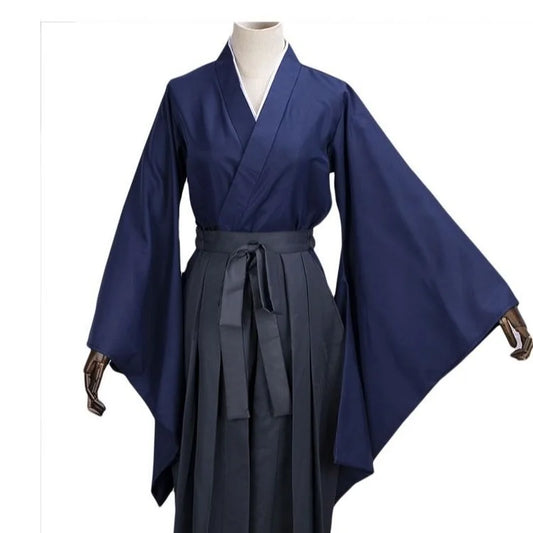
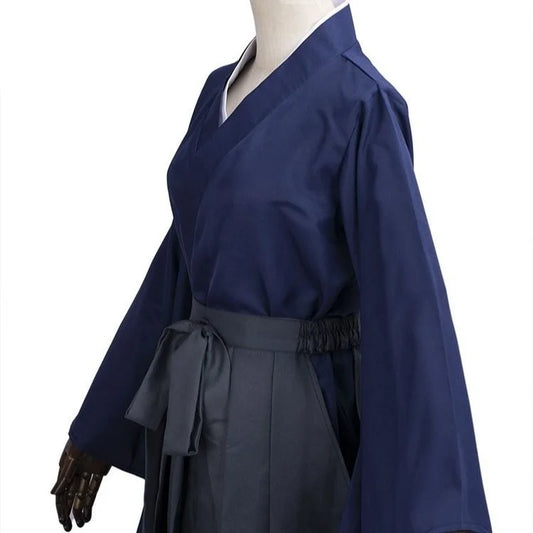
Modern Kimono Fashion
Sustainable and Eco-Friendly Kimono Brands: Your Conscious Shopping Guide
⚡ Réponse rapide
Sustainable kimono brands prioritize eco-friendly materials like organic cotton, recycled fibers, or vintage silks, coupled with ethical production, fair labor, and minimal waste. They offer beautiful, durable kimonos that respect both cultural heritage and the planet, providing conscious choices for fashion enthusiasts in the United States.
The Rise of Sustainable Kimono Fashion
In an era where conscious consumerism is no longer a niche but a necessity, the fashion world is undergoing a profound transformation. This shift extends even to traditional garments, with a growing demand for sustainable kimono brands. For enthusiasts in the United States, embracing eco-friendly kimonos means more than just wearing a beautiful piece of clothing; it signifies a commitment to environmental stewardship, ethical production, and preserving cultural heritage with integrity. The kimono, with its timeless elegance and rich history, is perfectly positioned to lead this sustainable revolution in fashion, blending ancient wisdom with modern responsibility.
As consumers become increasingly aware of the environmental and social costs of fast fashion, there's a collective yearning for products that tell a story of responsibility. Sustainable kimono brands answer this call by focusing on materials, craftsmanship, and business practices that minimize harm and maximize positive impact. This guide will illuminate the path to discovering and supporting brands that align with these values, helping you make informed choices that look good, feel good, and do good for the planet. We'll explore how these brands meticulously select materials and employ production methods that honor both tradition and ecological balance.
From the intricate patterns of a Japanese Kimono to the relaxed elegance of a Kimono Robe, every choice can be a step towards a more sustainable wardrobe. We'll delve into what truly defines sustainability in this unique fashion niche, explore the materials and methods that make a difference, and equip you with the knowledge to identify brands that walk the talk. Join us on this journey to discover how tradition and innovation can intertwine to create a more beautiful and responsible future for kimono fashion, ensuring its legacy for generations to come.

Why Conscious Choices Matter: The Impact of Fast Fashion
The fashion industry is notoriously one of the largest polluters globally, contributing significantly to water pollution, textile waste, and carbon emissions. Fast fashion, characterized by rapid production cycles and disposable garments, exacerbates these issues, often at the expense of ethical labor practices in developing countries. Choosing sustainable kimono brands is a direct counter-movement against this detrimental trend, offering a pathway to enjoy fashion without compromising our planet's health or human dignity. It's about making a deliberate choice for a better world, one stylish garment at a time.
By opting for kimonos made with sustainable practices, you're not just purchasing an item; you're investing in its longevity, the skilled artisans who created it, and the environmental processes that minimize its footprint. This conscious decision supports a circular economy, where resources are valued, waste is reduced, and garments are designed to last. It's about shifting from a throwaway culture to one of appreciation and preservation, aligning your wardrobe with your deepest values and contributing to a more respectful consumption model.
Consider the lifecycle of a traditional Traditional Kimono: designed for generations, passed down, and often repurposed. This inherent durability is a cornerstone of sustainability that modern brands are reviving. Contemporary sustainable brands are combining traditional techniques with innovative eco-friendly materials to create kimonos that are both luxurious and environmentally sound. Making these conscious choices helps drive demand for better practices across the entire industry, pushing for a future where fashion is both beautiful and responsible.
42%
Less water used by organic cotton
80%
Reduced carbon footprint with recycled materials
10-25
Days for tracked delivery in US
What Defines a Sustainable Kimono Brand?
Defining a truly sustainable kimono brand goes beyond a simple label. It encompasses a holistic approach to design, production, and business operations. At its core, it means prioritizing environmental protection, social equity, and economic viability. For brands marketing sustainable kimono brands in the United States, transparency is key, allowing consumers to understand their journey from raw material to finished garment. This commitment must be verifiable and integrated into every aspect of their business model, not just a marketing slogan.
Firstly, the choice of materials is paramount. Sustainable brands often opt for natural, organic, recycled, or upcycled fabrics that have a lower environmental impact. Secondly, production processes must be ethical and resource-efficient, minimizing water and energy consumption, and avoiding harmful chemicals. This often involves small-batch production, local sourcing where possible, and traditional artisanal techniques that are inherently less impactful than mass manufacturing, preserving ancient skills.
Finally, a truly sustainable brand considers the entire lifecycle of its products, from fair wages and safe working conditions for its craftspeople to responsible packaging and end-of-life solutions. They actively engage in initiatives that support their communities and protect ecosystems, contributing positively beyond their immediate operations. Look for certifications, detailed "about us" pages, and clear communication regarding their supply chain to discern genuine commitment from mere greenwashing, ensuring your purchase aligns with ethical values.
Understanding Certifications
Look for certifications like GOTS (Global Organic Textile Standard) for organic fibers, OEKO-TEX for harmful substance testing, or Fair Trade for ethical labor practices. While not all small sustainable kimono brands may have these, their commitment should be evident through their detailed sourcing and production transparency, often found on their website or product descriptions. These badges offer a quick way to verify claims.
Key Sustainable Materials and Production Methods
The foundation of any sustainable kimono lies in its materials. Forward-thinking sustainable kimono brands are innovating with traditional and modern textiles to create garments that are both beautiful and kind to the earth. Understanding these materials is crucial for making informed purchasing decisions and appreciating the true value of your kimono. Each material brings unique properties and environmental benefits to the table, making for diverse and conscious choices.
Organic Cotton: Grown without synthetic pesticides or fertilizers, organic cotton significantly reduces water pollution and energy consumption. It produces a soft, breathable fabric ideal for comfortable and casual kimonos, like a Yukata, perfect for warmer climates or lounging. Its cultivation promotes biodiversity and healthier soil, contributing to a more robust ecosystem.
Recycled Fibers: Utilizing recycled polyester (RPET) from plastic bottles or recycled cotton scraps diverts waste from landfills and conserves virgin resources. Brands using these materials contribute to a circular economy, transforming trash into treasure. While not traditional, these materials can create durable and versatile modern Kimono Jacket styles, proving that innovation can meet sustainability.
Tencel™ Lyocell & Modal: These semi-synthetic fibers are derived from sustainably sourced wood pulp, processed in a closed-loop system that recycles water and solvents, minimizing environmental impact. They offer exceptional softness, drape, and breathability, making them an excellent choice for luxurious yet eco-conscious Silk Kimono alternatives or blends, providing a smooth, silk-like feel without the traditional silk footprint.
Natural Dyes: Brands committed to sustainability often employ natural dyes derived from plants, minerals, or insects, avoiding the toxic chemicals found in synthetic dyes. This process is gentler on the environment, reduces water contamination, and creates unique, rich color variations that deepen with time. Choosing naturally dyed kimonos supports traditional artisanal skills and minimizes chemical runoff, contributing to cleaner waterways.
Vintage & Upcycled Fabrics: Reusing existing fabrics, especially vintage silk or cotton, is a cornerstone of sustainability. This practice not only minimizes waste but also reduces the demand for new resource-intensive production. Many brands meticulously source and repurpose antique textiles, bringing new life to exquisite materials and offering truly unique, one-of-a-kind kimonos.
"True craftsmanship isn't just about beauty; it's about respecting the materials, the process, and the hands that bring it to life. A well-made garment tells a story of care, designed to last and be cherished, not discarded."Anonymous Artisan

Navigating the Market: Identifying Truly Sustainable Brands
With "greenwashing" becoming increasingly prevalent, identifying genuinely sustainable kimono brands requires a discerning eye. It's not enough for a brand to simply use a buzzword; their commitment must be demonstrated through their actions and transparency. For consumers in the United States, a few key indicators can help you separate authentic sustainable efforts from marketing ploys, ensuring your purchases truly support ethical businesses.
- Transparency in Supply Chain: Does the brand openly share information about where their materials come from and who makes their kimonos? Look for details about their factories, artisans, and sourcing partners. A detailed "About Us" or "Sustainability" page is a good sign.
- Material Sourcing: Beyond just listing sustainable materials, do they provide context? Are the materials certified by recognized bodies (e.g., GOTS, OEKO-TEX)? Do they explain *why* they chose specific fibers and their environmental benefits in a clear, unambiguous way?
- Ethical Labor Practices: A truly sustainable brand prioritizes fair wages, safe working conditions, reasonable hours, and no child labor across its entire supply chain. Look for evidence of fair trade certifications or detailed accounts of their labor standards and how they ensure worker well-being.
- Waste Reduction & Circularity: Do they have initiatives for reducing textile waste in production? Do they offer repair services, take-back programs, or use recycled, recyclable, or compostable packaging? Brands focused on circularity aim to keep materials in use for as long as possible.
- Community Engagement: Many sustainable brands invest in the communities where their products are made, supporting local economies, education, or environmental projects. This holistic approach, demonstrating care beyond profit, is a strong indicator of genuine commitment.
- Longevity & Quality: Sustainable kimonos are designed to last. High-quality construction, durable fabrics, and timeless designs are hallmarks of brands that prioritize longevity over fleeting trends. A garment meant to be cherished for years is inherently more sustainable.
By asking these questions and seeking out detailed information, you can confidently support brands that are making a real difference. Remember, sustainability is a journey, and supporting brands that are continuously improving their practices is a powerful way to vote with your wallet, driving positive change across the fashion landscape.
The Beauty of Vintage and Upcycled Kimonos
Perhaps one of the most inherently sustainable choices when it comes to kimono fashion is embracing vintage and upcycled pieces. These garments embody circularity at its best, extending the life of exquisite textiles and preventing them from ending up in landfills. Many sustainable kimono brands and independent sellers specialize in curating and revitalizing these historical treasures, making them accessible to a modern audience in the United States, offering a unique blend of history and eco-consciousness.
Vintage kimonos often boast unparalleled craftsmanship and unique designs that are no longer mass-produced. They tell a story, carrying the legacy of previous owners and eras, imbued with a charm that only age can provide. By choosing a vintage kimono, you're not only making an eco-friendly statement but also acquiring a truly one-of-a-kind piece of art. These can range from elegant Womens Kimono from the early 20th century to more recent, beautifully preserved pieces, each with its own narrative.

Upcycled kimonos take sustainability a step further. Artisans and designers transform existing kimonos or kimono fabrics into new garments or accessories, giving them a second life. This might involve repairing minor damage, redesigning a traditional cut into a modern Haori Jacket, or creating entirely new items from remnants, minimizing fabric waste. This process not only reduces textile waste but also infuses contemporary creativity into traditional aesthetics, offering fresh and innovative ways to wear Japanese fashion sustainably, reflecting a fusion of past and present.
Beyond the Fabric: Ethical Labor and Community Impact
Sustainability in fashion extends far beyond eco-friendly materials; it crucially includes the people who make our clothes. Ethical labor practices are a cornerstone of genuinely sustainable kimono brands. This means ensuring fair wages, safe working conditions, reasonable hours, and the absence of forced or child labor throughout the entire supply chain. For consumers in the United States, supporting brands that prioritize human dignity is as important as supporting environmental protection, recognizing the human element in every garment.
Many traditional kimono-making techniques are highly skilled and labor-intensive, often passed down through generations. Sustainable brands recognize and value this expertise, compensating artisans fairly for their intricate work. This approach not only ensures a living wage for craftspeople but also helps preserve invaluable cultural heritage and artisanal skills that might otherwise be lost in the pursuit of cheaper, faster production. Transparency regarding labor practices, including factory audits and fair trade certifications, is a strong indicator of a brand's commitment to social responsibility.
Furthermore, the best sustainable brands often engage in broader community impact initiatives. This could involve supporting local economies, investing in educational programs for workers' families, or contributing to environmental conservation efforts in the regions where their materials are sourced or products are made. By choosing such brands, you become part of a positive cycle that uplifts communities and fosters a more equitable world. It’s about recognizing the interconnectedness of all aspects of production, from the raw material to the hands that shape it.
Beware of Greenwashing
Some brands use vague terms like "eco-conscious" or "natural" without providing concrete details or verifiable proof of their practices. Always look for specific information on materials, certifications, and production processes. If a brand is truly sustainable, they will be proud to share their efforts and data transparently, rather than just relying on ambiguous marketing.
Caring for Your Sustainable Kimono for Longevity
Investing in a sustainable kimono is a commitment to quality and longevity. To truly maximize its eco-friendly impact, proper care is essential. By extending the life of your garment, you reduce the need for new purchases, conserve resources, and honor the craftsmanship that went into its creation. For owners of sustainable kimono brands in the United States, understanding these care tips will help preserve their beauty for years to come, turning a purchase into a lasting treasure.
- Read the Care Label: Always start by checking the specific care instructions provided by the brand. Different materials (silk, organic cotton, Tencel) require different treatments. This is your primary guide to maintaining the garment's integrity.
- Gentle Washing: For most kimonos, especially those made from delicate fabrics or with intricate embellishments, hand washing in cold water with a mild, pH-neutral detergent is recommended. If machine washing, use a delicate cycle in a mesh laundry bag to protect the fabric.
- Avoid Harsh Chemicals: Steer clear of bleach and strong stain removers, which can damage fibers and colors, especially natural dyes. Spot treat stains gently with appropriate, eco-friendly solutions to preserve the fabric's quality and vibrancy.
- Air Dry: Tumble drying can cause shrinkage, damage delicate fabrics, and consume significant energy. Always air dry your kimono by laying it flat or hanging it on a padded hanger, away from direct sunlight to prevent fading and maintain its shape.
- Proper Storage: Store your kimono folded neatly or hung on a wide, padded hanger to prevent creases and stress on the fabric. Keep it in a cool, dry place, ideally in a breathable garment bag, to protect it from dust, moths, and humidity.
- Spot Cleaning Over Full Washes: Only wash your kimono when necessary. For minor refreshers, simply airing it out or spot cleaning specific areas can often suffice, saving water and energy and extending the garment's life.
By following these simple guidelines, your sustainable kimono will remain a cherished and beautiful part of your wardrobe for many years, continuing its journey as a testament to conscious fashion. This mindful approach to care is an integral part of sustainable living, reflecting respect for both the product and the planet.
Expert Tip: Embrace Natural Fibers
When shopping for sustainable kimonos, prioritize natural fibers like organic cotton, linen, hemp, or ethically sourced silk. These materials are biodegradable and generally have a lower environmental impact than synthetic alternatives, especially when combined with responsible cultivation and processing methods. They also tend to breathe better, feel more luxurious against the skin, and age gracefully, becoming even more beautiful over time.
Making a Difference: One Kimono at a Time
Choosing to support sustainable kimono brands is a powerful statement. It's a vote for a fashion industry that values people and the planet over profit, for craftsmanship over mass production, and for timeless beauty over fleeting trends. As consumers in the United States, our purchasing decisions have the collective power to drive significant change, encouraging more brands to adopt ethical and eco-friendly practices and pushing the entire industry towards a more responsible future.
The journey towards a fully sustainable wardrobe is continuous, and every conscious choice contributes to a larger movement. Whether you're investing in a new, ethically made Floral Kimono, discovering the charm of a vintage Yukata Women, or exploring innovative designs made from recycled materials, you're participating in a movement that redefines luxury and responsibility. Celebrate the artistry, the culture, and the positive impact of each sustainable kimono you choose, knowing you're making a difference.
We encourage you to explore the diverse offerings, ask questions, and become an advocate for sustainable fashion within your own community. Share your finds, discuss the importance of ethical choices, and inspire others to join this vital movement. Together, we can foster a future where beautiful kimonos and a healthy planet coexist harmoniously, creating a legacy of mindful fashion for generations to come. Your next kimono purchase can be more than just a fashion statement; it can be a step towards a better world.
Discover Our Sustainable & Ethical Kimono Collection
Explore beautiful, consciously crafted kimonos that blend traditional elegance with modern sustainability. Find your perfect piece and support a better future for fashion.
Voir la collection →FAQ
For a kimono brand, "sustainable" means committing to eco-friendly practices across its entire operation. This includes using environmentally responsible materials like organic cotton, recycled fibers, or vintage silk, employing ethical labor practices, minimizing waste in production, and ensuring transparency in their supply chain. It's about reducing environmental footprint and promoting social equity, creating kimonos that are both beautiful and beneficial for the planet and its people, ensuring a positive impact from design to disposal.
To identify genuinely sustainable kimono brands, look for transparency in their supply chain, clear information about their material sourcing (e.g., GOTS or OEKO-TEX certifications), and evidence of ethical labor practices (e.g., Fair Trade). Brands should also demonstrate efforts in waste reduction, circularity initiatives, and community engagement. Be wary of vague claims; authentic sustainable brands provide concrete details and are proud to share their journey and impact, offering verifiable proof of their commitments.
Yes, vintage kimonos are highly sustainable. By purchasing vintage, you are extending the life of an existing garment, preventing textile waste, and reducing the demand for new production, which conserves valuable resources. Vintage pieces often boast exceptional craftsmanship and unique designs, offering a unique, eco-conscious way to enjoy kimono fashion. It's a prime example of circular fashion, giving beautiful textiles a second life and reducing environmental impact significantly.
The best sustainable materials for kimonos include organic cotton, which is grown without harmful pesticides; recycled fibers like RPET, which repurpose plastic waste; Tencel™ Lyocell and Modal, derived from sustainably managed wood sources with closed-loop production; and ethically sourced or vintage silk. Natural dyes also contribute significantly to sustainability by avoiding toxic chemicals. These materials offer both environmental benefits and luxurious feel, aligning with modern eco-conscious values.
Proper care is crucial for maximizing your sustainable kimono's lifespan. Always follow the care label. Generally, hand wash or use a delicate machine cycle with cold water and a mild detergent. Avoid harsh chemicals and always air dry flat or on a padded hanger, away from direct sunlight. Store it properly folded or hung in a breathable garment bag. Spot clean when possible to reduce the frequency of full washes, conserving water and energy, thus enhancing its sustainability.
Ethical labor is paramount for sustainable kimono brands because true sustainability encompasses both environmental and social responsibility. It ensures that the artisans and workers involved in creating the kimono receive fair wages, work in safe conditions, and are treated with dignity. This commitment helps preserve traditional craftsmanship, supports local communities, and combats exploitation often seen in fast fashion, making your purchase truly conscious and impactful by valuing human well-being alongside ecological health.
Tags:
Previous
Kimono Rental Services: Experience Traditional Japanese Fashion Without Buying
Next
Kimono with Midi Dress Styling: Transform Long Robes with Belting