Traditional Kimono & Cultural Appreciation
Kimono Color Symbolism & Meaning: What Each Color Represents
⚡ Réponse rapide
Kimono color symbolism is deeply rooted in Japanese culture, where each hue conveys specific meanings related to emotions, seasons, virtues, and life stages. From red signifying passion and protection to white representing purity and new beginnings, understanding these colors enriches your appreciation of the kimono as a wearable art form and cultural statement.
The Silent Language of Kimono Colors
The kimono, more than just a garment, is a canvas of cultural expression, a wearable story woven from silk, cotton, or linen. In Japan, every element of a kimono, from its intricate patterns to its precise draping, carries significance. Among these, the choice of color is paramount, serving as a silent language that communicates status, emotion, season, and occasion. For centuries, Japanese artisans and wearers have understood that colors are not merely aesthetic choices but powerful conveyors of meaning, deeply embedded in Shinto beliefs, Buddhist philosophy, and historical traditions. Understanding Japanese Kimono color symbolism allows us to appreciate the depth of this cultural art form on a much deeper level, transforming a beautiful robe into a meaningful narrative.
This rich tradition of color symbolism dates back to ancient times, influenced by court etiquette, seasonal festivals, and even social hierarchies. Specific dyes were once reserved for royalty or high-ranking officials, making color a direct indicator of one's place in society. While modern times have relaxed many of these strictures, the underlying meanings persist, guiding choices for everything from a casual Yukata worn to a summer festival to an elaborate Wedding Kimono. Each color evokes a unique set of associations, drawing from nature, spirituality, and human experience, creating a tapestry of meaning that is both timeless and evolving.
When selecting a kimono, whether for a special event or simply to appreciate its beauty, being aware of these symbolic meanings adds an enriching layer to the experience. It allows you to not only connect with the garment's aesthetic but also with centuries of Japanese culture and wisdom. In the United States, as appreciation for traditional Japanese attire grows, understanding these nuances becomes a bridge to deeper cultural respect and personal connection with each piece. Let's delve into the spectrum of colors and uncover the stories each one tells.
42%
of online shoppers prioritize product visuals
10-25
business days for tracked delivery in the US
$80+
for free tracked shipping
Red: Passion, Protection, and Celebration
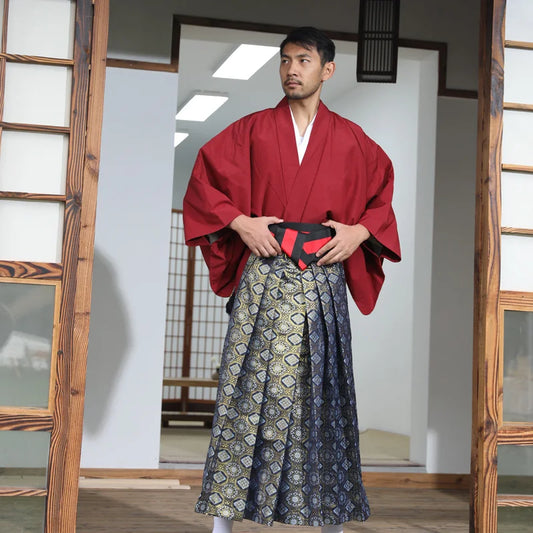
Red (Aka) is arguably one of the most vibrant and significant colors in Japanese culture, synonymous with passion, energy, and strong emotions. It’s a color that immediately commands attention and holds a prominent place in many ceremonial and festive occasions. Traditionally, red has been associated with protection against evil spirits and misfortune, making it a popular choice for garments worn during significant life events. You'll often see red in Children's Kimono, particularly for festivals like Shichi-Go-San, symbolizing health and vitality as children grow.
Beyond protection, red is the color of love, desire, and celebration. It’s a common choice for brides in their uchikake (wedding over-kimono), signifying happiness, good fortune, and a passionate new beginning. The vividness of red also links it to the sun and fire, embodying life, warmth, and prosperity. For those seeking to make a bold statement or to imbue their attire with a sense of joyous energy, a red kimono is an unparalleled choice. Its symbolism transcends mere aesthetics, offering a powerful emotional resonance that speaks to the heart.
In modern fashion, red kimonos remain a popular and striking option, often chosen for their visual impact and the positive feelings they evoke. Whether a deep crimson or a bright vermillion, red maintains its powerful allure. It's a color that crosses seasons, though it truly shines during celebrations and moments of joy, embodying the very spirit of festivity and good cheer. When you choose a red kimono, you're not just wearing a color; you're embracing a legacy of vibrancy and protection.
Expert Tip: Pairing Red
When wearing a vibrant red kimono, consider balancing its intensity with neutral accessories or complementary patterns. Gold accents enhance its celebratory feel, while black can add sophistication. For a more subtle approach, look for red in patterns on a lighter background, allowing its symbolism to shine without overpowering the wearer.
White: Purity, Sacredness, and New Beginnings
White (Shiro) holds a sacred and profound place in Japanese culture, representing purity, divinity, and cleanliness. It's the color of new beginnings and untainted potential, often associated with spiritual rites and ceremonies. In traditional Shinto ceremonies, white is the color worn by priests and shrine maidens, signifying their connection to the divine and their role in sacred rituals. This deep spiritual connection makes white a powerful choice for moments of transition and transformation.
For brides, white kimonos, particularly the shiromuku, are the epitome of purity and sincerity, symbolizing the bride's readiness to be dyed in the colors of her new husband's family. It's a poignant and beautiful tradition that underscores the profound symbolism of the color. Beyond weddings, white kimonos are also seen in certain martial arts, reflecting the purity of spirit and the discipline required. The simplicity of white allows the wearer's inner qualities to shine, making it a color of humble elegance.
While pristine white is often reserved for formal or ceremonial occasions, variations of off-white, cream, or white with subtle patterns are embraced for their calming and sophisticated qualities in more casual settings. A White Kimono can offer a serene and elegant look, suitable for those who appreciate understated beauty and profound meaning. It speaks of a clear mind, a fresh start, and an unwavering spirit.
Black: Sophistication, Mystery, and Power
Black (Kuro) in Japanese culture is a color of deep significance, often associated with sophistication, mystery, and formality. Far from being a color of mourning in all contexts (though it does play a role in funeral attire), black kimonos are frequently worn for highly formal events, denoting dignity and respect. The kurotomesode, a black kimono adorned with patterns only below the waistline, is the most formal kimono for married women, worn for significant family gatherings and weddings where the family crests (kamon) are prominently displayed.
Black also embodies strength and resilience. In martial arts, a black belt signifies mastery and discipline, echoing the color's association with profound skill and power. For men, black kimonos are a staple for formal occasions, conveying authority and a timeless elegance. The stark beauty of a Black Kimono, especially when crafted from lustrous silk, is undeniably striking, making a powerful statement without needing overt embellishment.
In contemporary fashion, black kimonos and Kimono Cardigan styles offer a versatile and chic option. They can be dressed up or down, providing a canvas for personal expression while retaining an air of understated luxury. The mystery of black allows for dramatic contrasts with vibrant obi sashes or subtle embroidery, making it a favorite for those who appreciate classic beauty with a powerful edge. It's a color that speaks of quiet confidence and profound depth.
Blue: Serenity, Stability, and Freshness
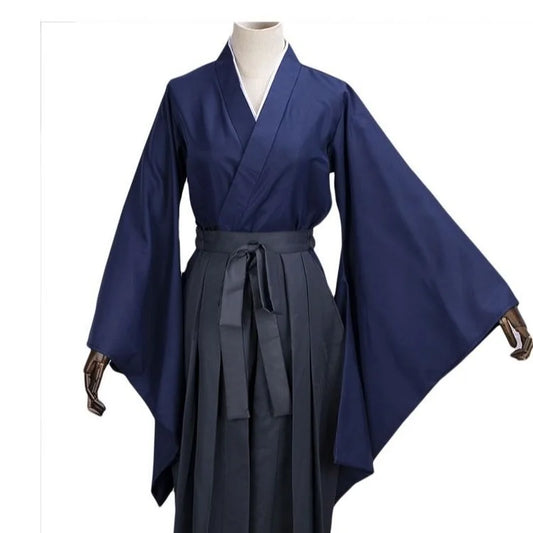
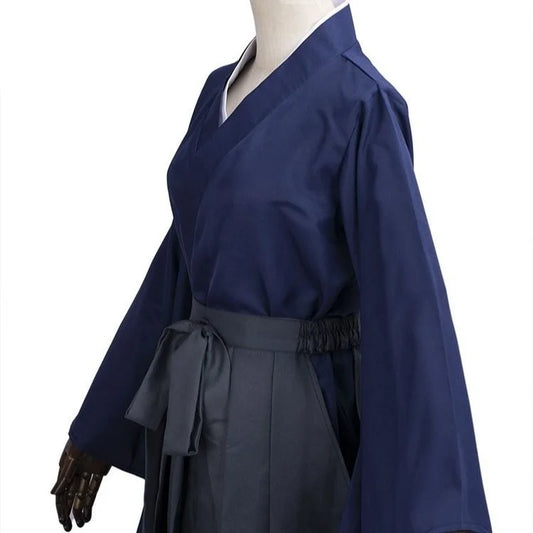
Blue (Ao) holds a pervasive presence in Japanese culture, often associated with the vastness of the ocean, the clarity of the sky, and the tranquility of nature. It symbolizes serenity, stability, and reliability, making it a comforting and universally appealing color. Historically, indigo dyeing was a prevalent craft in Japan, and various shades of blue were commonly used for everyday clothing, particularly for farmers and craftsmen, due to its practical durability and perceived cooling properties.
From deep navy to vibrant sky blue, each shade carries subtle nuances. Lighter blues evoke freshness and youth, often seen in summer Japanese Yukata, ideal for riverside strolls or evening festivals. Darker blues, such as indigo, convey wisdom, depth, and tradition, frequently appearing in more formal kimonos or Men's Kimono. The enduring popularity of blue also ties into its association with growth and renewal, reflecting the endless cycle of water and sky.
In modern Japanese fashion, blue remains a versatile and beloved color. Its calming influence makes it suitable for a wide range of occasions, from casual wear to more sophisticated ensembles. A blue kimono offers a sense of peace and groundedness, connecting the wearer to the natural elements. It's a color that can be both subtle and striking, always exuding an aura of calm elegance.
Indigo Dyeing Legacy
Indigo dyeing, known as 'aizome', is a traditional Japanese craft producing beautiful, durable blues. The depth of color and its natural insect-repelling qualities made it highly prized. This legacy ensures blue remains a cornerstone of traditional Japanese textiles and influences modern kimono design, embodying both practical and symbolic value.
Green: Nature, Longevity, and Renewal
Green (Midori) is deeply intertwined with nature, mirroring Japan's lush landscapes and the reverence for its natural environment. Symbolizing growth, vitality, longevity, and renewal, green kimonos evoke a sense of peace and harmony. It's a color that speaks of the spring, of new life emerging, and of enduring health. Green is also associated with wisdom and eternal youth, reflecting the evergreen trees that stand tall through all seasons.
Various shades of green are utilized, from the vibrant greens of fresh bamboo to the deep, muted tones of ancient moss. Lighter greens often appear in kimonos suitable for spring and summer, embodying freshness and vibrancy. Darker, richer greens can be seen in more formal or autumnal kimonos, conveying a sense of grounded elegance and tradition. Green is a particularly popular choice for those who wish to express a connection to the earth and a calm, balanced disposition.
In contemporary collections, green kimonos, including Kimono Jacket styles, offer a refreshing alternative to more conventional colors. They are versatile and can be paired with a variety of patterns, from delicate florals to bold geometric designs. Wearing a green kimono is an invitation to embrace tranquility and the enduring beauty of the natural world, a gentle reminder of life's continuous cycle of growth and rejuvenation. It's a color that brings a sense of serenity to the wearer and observer alike.

Purple: Nobility, Spirituality, and Elegance
Purple (Murasaki) has a long and distinguished history in Japan, traditionally associated with nobility, royalty, and high status. In ancient times, the dyes required to produce purple were rare and expensive, making it a color reserved exclusively for the imperial court and high-ranking samurai. This exclusivity imbued purple with an aura of luxury, power, and refined elegance. It's a color that commands respect and signifies a profound sense of dignity and spiritual depth.
Beyond its regal associations, purple is also linked to spirituality and wisdom. It's a color that encourages introspection and creativity, often found in artistic expressions and garments designed for more contemplative occasions. The various shades of purple, from light lavender to deep aubergine, offer a spectrum of moods, each retaining an inherent sophistication. A lighter purple might suggest grace and femininity, while a darker hue speaks of profound wisdom and authority.
Today, purple kimonos are chosen by those who appreciate its rich history and luxurious appeal. They are perfect for formal events, cultural gatherings, or simply for anyone wishing to embody an air of refined elegance. Wearing a purple kimono is a subtle nod to tradition and an expression of discerning taste, a beautiful blend of ancient grandeur and modern style. It's a color that truly stands apart, embodying a quiet majesty.
"The true beauty of a kimono lies not just in its fabric or pattern, but in the story its colors tell – a whisper of tradition and a vibrant expression of spirit."Traditional Japanese Artisan
Yellow & Gold: Prosperity, Joy, and Imperial Grandeur
Yellow (Kiiro) and gold (Kin) are colors of immense positivity and significance in Japanese culture, universally associated with prosperity, wealth, and good fortune. Gold, in particular, has long been a symbol of imperial grandeur and divinity, extensively used in temples, shrines, and the garments of emperors. It signifies the sun's radiance, bringing light, joy, and optimism to those who wear it or behold it.
Yellow embodies the warmth of sunlight and the ripeness of harvest, representing growth, abundance, and cheerfulness. Lighter yellows are often seen in spring kimonos, evoking the freshness of new blossoms and the gentle warmth of the season. Deeper yellows and golds are reserved for more formal or celebratory occasions, signifying opulence and celebration. These colors are frequently incorporated into patterns for weddings and other auspicious events, wishing good luck and a bright future upon the wearer.
In contemporary designs, kimonos featuring yellow and gold accents bring a touch of radiance and luxury. They are often chosen for their ability to uplift spirits and add a festive sparkle to any ensemble. Whether it's a subtle gold thread woven into a fabric or a vibrant yellow motif, these colors consistently convey a message of happiness, success, and enduring prosperity. Choosing a kimono with yellow or gold elements is an embrace of joy and an affirmation of life's boundless possibilities.
Choosing Your Kimono: Personal Expression Through Color & Pattern
While traditional symbolism provides a rich framework for understanding kimono colors, modern interpretations also allow for personal expression. Today, choosing a kimono often involves a blend of cultural appreciation and individual taste. Beyond the primary colors, hues like Pink (Sakura-iro) symbolize femininity, youth, and the fleeting beauty of cherry blossoms; Orange (Daidai-iro) represents happiness, courage, and good harvest; and Grey (Nezumi-iro) conveys sophistication, humility, and modesty. Often, the true art lies in the combination of colors and the patterns they form, creating a unique narrative.
When selecting your kimono, consider the occasion, the season, and your personal style. For instance, a Floral Kimono might feature a riot of colors, each contributing to the overall symbolism of growth and beauty. A Silk Kimono will often display colors with an unparalleled depth and sheen, enhancing their symbolic impact. Don't be afraid to mix and match; a bold obi sash can transform the meaning and feel of an entire outfit. The beauty of the kimono lies in its versatility and its ability to tell a story that is both ancient and deeply personal.
Ultimately, the kimono you choose should resonate with you. While understanding the historical Kimono Color Symbolism & Meaning: What Each Color Represents enriches your choice, your personal connection to the garment is paramount. Whether you're drawn to the protective red, the serene blue, or the regal purple, your kimono becomes an extension of your identity, a beautiful fusion of tradition and contemporary style. Explore our diverse range to find the colors and patterns that speak to your soul, allowing you to carry a piece of Japanese artistry with you.
Signature Kimono Style
Consider how different colors can create a 'signature look'. A vibrant yellow might be perfect for summer events, while a deep indigo could become your go-to for sophisticated evenings. Building a collection with diverse colors allows you to express different facets of your personality and adapt to various cultural occasions throughout the year.
- Understand Basic Symbolism: Familiarize yourself with the core meanings of common colors.
- Consider the Occasion: Formal events might call for black or white, while festivals invite vibrant hues.
- Factor in the Season: Light, cool colors for spring/summer; rich, warm colors for autumn/winter.
- Personal Preference: Choose colors that genuinely appeal to you and reflect your personality.
- Look at Patterns: Colors often work in harmony with motifs (flowers, animals) to convey deeper messages.
- Accessorize Wisely: Obi sashes and other accessories can complement or contrast your kimono's main color.

Find Your Perfect Kimono
Discover our exquisite collection of Japanese kimonos, meticulously crafted to bring elegance and tradition to your wardrobe. Embrace the rich symbolism of colors and patterns.
Voir la collection →FAQ
While many colors hold significance, red is often considered one of the most important due to its strong associations with passion, protection, and celebration. It's widely used in auspicious events like weddings and for children's garments. White is also profoundly significant, especially for purity and sacred rituals, making it crucial for bridal wear. The importance can vary depending on the context and the specific occasion, but both red and white carry immense cultural weight, embodying core aspects of Japanese life and spirituality.
While modern fashion allows for more flexibility, traditionally, kimono colors are chosen with specific occasions and seasons in mind. For very formal events like weddings or funerals, there are strict color codes (e.g., white for brides, black for formal women's wear). For casual wear, like a yukata for a summer festival, you have much more freedom. Understanding the symbolism helps you make respectful and appropriate choices, but for everyday wear or fashion statements, personal preference often takes precedence, especially outside of Japan.
Patterns and colors work in tandem to convey a kimono's full meaning. For example, cherry blossom patterns (sakura) combined with pink hues symbolize fleeting beauty and spring, while pine trees (matsu) in green and gold signify longevity and prosperity. The choice of pattern can reinforce, complement, or even add new layers of meaning to the base color. A kimono with a vibrant red background and cranes flying might emphasize protection and good fortune, creating a richer narrative than color alone. It's a holistic art form.
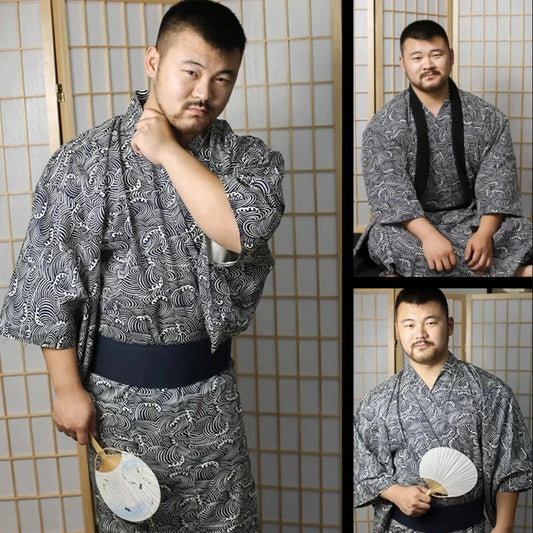
Generally, the core symbolism of colors (e.g., red for passion, white for purity) remains consistent across genders. However, the prevalence and styling of certain colors can differ. Men's kimonos often lean towards more subdued and darker tones like black, deep blue, or grey, emphasizing formality and understated strength. Women's kimonos tend to showcase a wider spectrum of vibrant colors and intricate patterns. While a man might wear a black kimono for ceremony, a woman would wear a kurotomesode, which is black but richly patterned, showcasing distinct applications of the same color.
Kimono color symbolism has evolved significantly, reflecting societal changes and artistic trends. Ancient courtly traditions dictated strict color hierarchies based on dye availability and rank. Over centuries, while core meanings persisted, new interpretations emerged. For example, while black initially denoted formality, its use in contemporary fashion now also signifies chic sophistication. Modern wearers in the United States often blend traditional respect with personal expression, choosing colors for their aesthetic appeal as much as their symbolic depth. The evolution highlights the kimono's enduring adaptability as a living cultural art form.
Tags:
Previous
Kimono Fabrics 101: Unraveling Silk, Cotton & Beyond for the Modern Wardrobe
Next
Kimono Symbolism: Colors, Patterns & Motifs Explained