Traditional Kimono & Cultural Appreciation
Kimono Symbolism: Colors, Patterns & Motifs Explained
⚡ Réponse rapide
Kimono symbolism is a rich language expressed through colors, patterns, and motifs, each conveying specific meanings related to nature, seasons, virtues, and life events. From the longevity of cranes to the fleeting beauty of cherry blossoms, understanding these elements enriches the appreciation of this traditional Japanese garment, reflecting cultural values and personal aspirations.
The Language of Kimono: A Cultural Tapestry
The Japanese kimono is far more than just a garment; it is a profound artistic expression, a wearable canvas steeped in centuries of history, culture, and symbolism. Every fold, every stitch, and particularly every color, pattern, and motif, tells a story, conveys a message, and reflects the wearer's status, occasion, and even hopes for the future. For centuries, before written language was widespread, visual cues were paramount, and the kimono evolved into a sophisticated medium for non-verbal communication. Understanding this intricate language allows us to appreciate the depth and beauty of these garments on an entirely new level.
From the subtle shift in a shade of blue to the elaborate depiction of a mythical creature, the choices made in a kimono's design are deliberate and meaningful. This tradition of symbolic design is deeply rooted in Japan's reverence for nature, its rich mythology, and its philosophical outlook on life. When you wear or admire a Traditional Kimono, you're not just engaging with fashion; you're participating in a living cultural dialogue that spans generations. Each element, whether it's a vibrant hue or a delicate cherry blossom, holds a specific significance, turning the garment into a personal narrative.
In the United States, as appreciation for Japanese culture grows, so does the desire to understand these nuances. Whether you're seeking a Wedding Kimono, a Japanese Yukata for summer festivals, or simply a beautiful piece for your wardrobe, knowing the underlying symbolism transforms the experience. It allows for a more authentic connection to the garment and the rich heritage it represents. Let's embark on a journey to decode this fascinating visual language, exploring the vibrant world of kimono colors, patterns, and motifs.
The Power of Color: More Than Just Aesthetics
In kimono tradition, colors are never chosen arbitrarily. They carry significant weight, reflecting seasons, social status, age, and even specific virtues or desires. The dyes used in traditional kimono production, often derived from natural sources, also played a role in the symbolism, as certain plants were associated with specific properties. Understanding these color meanings adds another layer of appreciation to the garment.
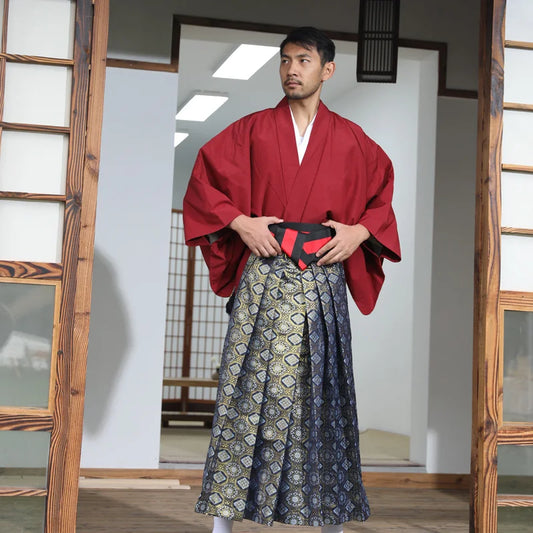
Red (Aka): Often associated with passion, energy, and protection, red is a vibrant and auspicious color. It's frequently seen in Children's Kimono to ward off evil, and prominently in wedding attire, symbolizing love and good fortune. Its intensity makes it a popular choice for celebrations and festive occasions.
White (Shiro): Symbolizing purity, divinity, and new beginnings, white is paramount in formal and sacred contexts, most notably in traditional wedding ceremonies. It suggests a blank slate, ready for new experiences and blessings. A White Kimono can also represent spiritual cleanliness and reverence.
Black (Kuro): While often associated with mourning in Western cultures, black in kimono symbolism is complex. It can signify formality, authority, and strength, especially in men's ceremonial attire. A Black Kimono with family crests (kamon) is the most formal garment for men, exuding solemnity and dignity. For women, black can also represent sophistication and timeless elegance, though it is used differently depending on the context.
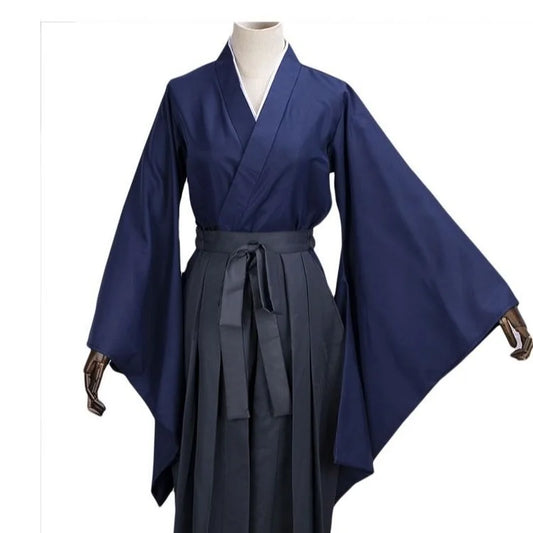
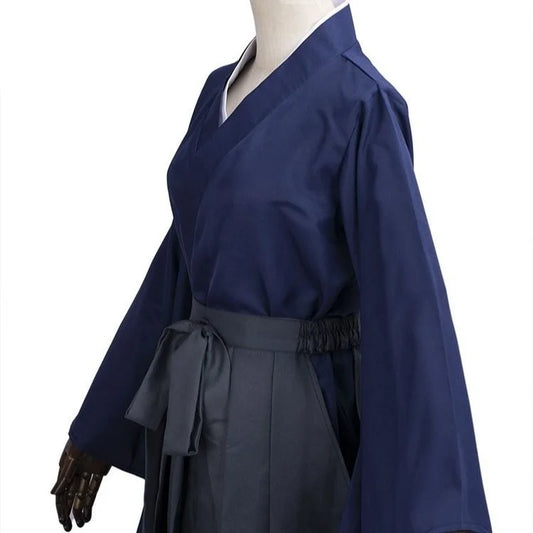
Blue (Ao): Representing calm, stability, and everyday life, blue is one of the most common colors in traditional Japanese textiles. Indigo dyeing, known as 'ai-zome,' has a long history and is deeply cherished. Darker blues often signify a practical, resilient spirit, while lighter blues can evoke the vastness of the sky or ocean, symbolizing depth and serenity. Many casual Japanese Kimono and yukata feature various shades of blue.
Expert Tip: Layering Colors
Historically, the art of 'kasane no irome' involved layering multiple kimonos to create specific color combinations, each with its own poetic and seasonal meaning. While less common today, understanding this tradition highlights the profound depth of color symbolism in Japanese culture.
Purple (Murasaki): Historically, purple was a color reserved for the imperial family and high-ranking officials due to the difficulty and expense of producing its dye. It signifies nobility, luxury, wisdom, and spiritual awareness. Wearing purple suggests a refined taste and an appreciation for tradition.
Green (Midori): Evoking nature, vitality, and growth, green is a refreshing and calming color. It often represents youth, prosperity, and good health. Shades of green are popular in spring and summer kimonos, harmonizing with botanical motifs.
Nature's Canvas: Floral & Botanical Motifs
Nature is the greatest muse for kimono designers, with countless flowers, trees, and plants adorning these garments, each carrying specific symbolism. These motifs are not merely decorative; they are narratives, blessings, and reflections of the changing seasons.
Cherry Blossoms (Sakura): Perhaps the most iconic Japanese motif, sakura symbolize the beauty and transience of life. Their brief, spectacular bloom reminds us to appreciate every moment. They are universally loved and appear on kimonos worn for spring celebrations, representing new beginnings and the ephemeral nature of existence. You'll find them frequently on Floral Kimono designs.
Chrysanthemum (Kiku): As the symbol of the Imperial House of Japan, the chrysanthemum represents longevity, rejuvenation, and nobility. It blooms in autumn, making it a popular motif for kimonos worn during that season. Its intricate petals signify perfection and a long, happy life.
Peony (Botan): Known as the 'King of Flowers,' the peony symbolizes good fortune, bravery, and nobility. Its lush, full blooms are associated with wealth and prosperity, often appearing on kimonos for festive and celebratory occasions in spring and early summer.
Pine (Matsu): An evergreen, the pine tree symbolizes longevity, resilience, and steadfastness. It endures harsh winters, representing strength in adversity. Often paired with bamboo and plum (the 'Three Friends of Winter'), pine is a common motif for celebratory kimonos, especially those worn in winter or for formal events.
10-25
Days for tracked delivery
Free
Shipping over $80
90%
Customer satisfaction
Bamboo (Take): Symbolizing flexibility, strength, and prosperity, bamboo grows quickly and bends without breaking. It represents resilience and good luck, often seen on kimonos for various occasions, particularly alongside pine and plum. Its simple elegance is highly valued.
Plum Blossom (Ume): Blooming in late winter, the plum blossom is a harbinger of spring, symbolizing perseverance, hope, and renewal. It is revered for its ability to bloom in the cold, representing strength and beauty in the face of hardship. It's an auspicious motif for early spring events.
Creatures of Myth & Grace: Animal Symbolism
Animals, both real and mythical, hold powerful symbolic meanings in Japanese culture and are frequently depicted on kimonos. They represent virtues, wishes, and protective qualities, adding a layer of depth to the garment's narrative.
Crane (Tsuru): The crane is perhaps the most beloved and significant animal motif, symbolizing longevity, good fortune, and fidelity. Japanese folklore says cranes live for a thousand years. Often depicted in pairs, they represent a happy marriage and are therefore a quintessential motif for Wedding Kimono. Their elegant form is a wish for a long and prosperous life.

Dragon (Ryu): A powerful mythical creature, the dragon symbolizes wisdom, strength, courage, and good luck. Unlike Western dragons, Japanese dragons are benevolent forces, often associated with water and rain. They signify imperial power and protection, making a Kimono Dragon a striking and auspicious choice, particularly for men or those seeking a bold statement.
Phoenix (Ho-oh): The phoenix is a mythical bird that symbolizes immortality, rebirth, and good fortune. It is said to appear only during peaceful and prosperous reigns, making it an imperial symbol. Often depicted with vibrant, flowing tails, the phoenix motif conveys hope, renewal, and a bright future, frequently gracing formal kimonos.
Butterfly (Chō): Symbolizing joy, beauty, and transformation, butterflies are often seen on kimonos for young women and girls. Their metamorphosis from caterpillar to butterfly represents growth and coming of age. Two butterflies together can also symbolize a happy marriage, making them a popular motif for celebratory occasions.
Turtle (Kame): Like the crane, the turtle is a powerful symbol of longevity, wisdom, and good luck. Its long lifespan and hard shell represent steadfastness and protection. It's a less common but deeply auspicious motif, often found on formal or traditional garments, conveying wishes for a long and healthy life.
"Every thread woven into a kimono is a whisper of history, a silent prayer for the future, and a celebration of the present moment."Traditional Kimono Artisan
Geometric Elegance & Auspicious Patterns
Beyond natural motifs, kimonos also feature a rich array of geometric and abstract patterns, many of which have deep symbolic roots. These patterns often derive from ancient weaving techniques or stylized representations of natural elements, offering a different kind of visual storytelling.
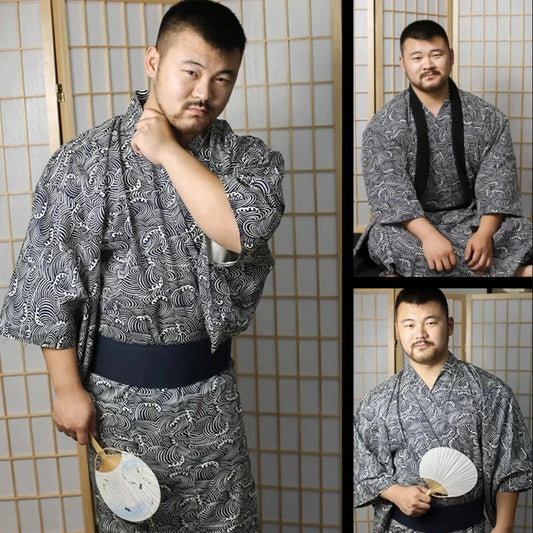
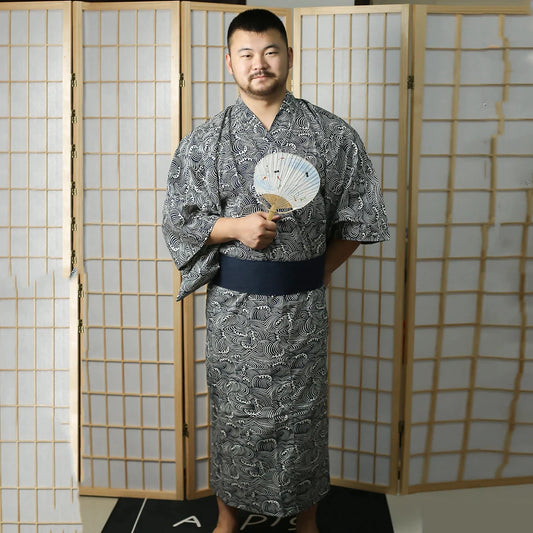
Seigaiha (Waves): This beautiful pattern of overlapping concentric circles resembles ocean waves. It symbolizes power, resilience, and good fortune, evoking the vastness and ever-flowing nature of the sea. It's a timeless motif, often seen on Japanese Kimono and Japanese Yukata, particularly those worn in summer.
Asanoha (Hemp Leaf): The asanoha pattern, resembling a star or snowflake, is a stylized hemp leaf. Hemp grows quickly and strongly, so this pattern symbolizes growth, health, and warding off evil. It is a very common and traditional motif for Children's Kimono, wishing them robust development and protection.

Shippō (Seven Treasures): This pattern consists of interlocking circles, representing the seven treasures of Buddhism: gold, silver, lapis lazuli, crystal, coral, agate, and pearls. It symbolizes good fortune, prosperity, and endless blessings. Its intricate design is often found on more formal or luxurious kimonos.
Kikko (Tortoise Shell): A hexagonal pattern resembling a tortoise shell, kikko is another powerful symbol of longevity and good luck. Often combined with other auspicious motifs like cranes, it is a classic choice for formal and celebratory kimonos, conveying wishes for a long and protected life.
Ichimatsu (Checkerboard): This simple yet striking checkerboard pattern gained popularity in the Edo period. It symbolizes prosperity and continuity, as the pattern extends infinitely. It's a versatile design found on various kimonos, from casual Male Yukata to more stylized contemporary pieces.
Seasonal Storytelling: Kimono for Every Time of Year
One of the most elegant aspects of kimono symbolism is its deep connection to the seasons. A truly traditional kimono is chosen not just for its beauty, but for how its motifs harmonize with the time of year it's worn. This practice reflects the Japanese reverence for nature's cycles and the appreciation of seasonal beauty.
Spring Kimono: As winter gives way to new life, spring kimonos burst with motifs like cherry blossoms (sakura), plum blossoms (ume), peonies (botan), and butterflies. These designs celebrate renewal, growth, and the fleeting beauty of spring. Colors tend to be lighter and brighter—pinks, light greens, and soft blues—mirroring the fresh vibrancy of the season.
Summer Kimono: For the warmer months, kimonos feature motifs that evoke coolness and freshness. Fans (sensu), water motifs like streams and waves (seigaiha), morning glories (asagao), and fireflies are common. Materials like linen or cotton are used for Yukata, a lighter, more casual summer kimono, often in cooler blues and greens to combat the heat. Geometric patterns that suggest lightness are also popular.

Autumn Kimono: As leaves change color, autumn kimonos reflect the richness of the season. Motifs include chrysanthemums (kiku), maple leaves (momiji), pampas grass (susuki), and gourds. The color palette shifts to deeper, warmer tones—burgundies, deep purples, golden yellows, and rich browns—mirroring the harvest and the changing foliage. These designs celebrate maturity and abundance.
Winter Kimono: Kimonos for winter often feature motifs that symbolize resilience and longevity, enduring the cold. Pine (matsu), bamboo (take), and plum blossoms (ume, as they bloom in late winter) are prominent. Snowflakes, camellias, and cranes are also seen. Colors tend to be darker and more subdued, such as deep blues, blacks, grays, and rich reds, providing a sense of warmth and protection against the chill. Formal kimonos are often worn in winter due to the number of traditional events.
Decoding the Occasion: Symbolism in Context
The choice of kimono and its symbolism is also heavily influenced by the occasion. What is appropriate for a wedding would be entirely different from what one might wear to a casual summer festival or a formal ceremony. Context is key to truly appreciating the kimono's symbolic language.
Understanding Kimono Types
Different kimono types inherently carry their own symbolic weight. For instance, a 'furisode' (long-sleeved kimono) is for unmarried women and symbolizes coming of age and readiness for marriage, often adorned with vibrant, auspicious patterns. A 'tomesode' (short-sleeved, formal kimono) for married women features elegant motifs below the waist, signaling maturity and grace.
Weddings & Celebrations: For auspicious events like weddings, motifs symbolizing longevity (cranes, pines, turtles), good fortune (peonies, phoenixes), and marital bliss (paired motifs) are paramount. White and red are dominant colors. A Wedding Kimono is a prime example of heavily symbolic design, often intricate and luxurious.
Coming-of-Age Ceremonies (Seijin-shiki): Young women often wear vibrant furisode kimonos adorned with bold floral patterns like cherry blossoms and peonies, symbolizing beauty, youth, and new beginnings as they transition into adulthood. The colors are typically bright and cheerful.
Festivals & Casual Wear: For summer festivals (matsuri) or relaxed gatherings, Yukata are preferred. These lighter garments often feature seasonal motifs like fireworks, goldfish, waves, or simpler floral patterns, reflecting the festive and laid-back atmosphere. Colors are often cool blues, whites, and greens.
Formal & Ceremonial Events: Darker, more subdued colors like black, deep blue, or rich purple are chosen for formal events, often with subtle, auspicious motifs like pine, bamboo, or chrysanthemums. Men's Kimono for formal occasions, such as a kurotomesode, will feature family crests (kamon) as the primary symbolic element, emphasizing lineage and tradition rather than overt patterns.
Modern Kimono: Bridging Tradition and Contemporary Style
While deeply rooted in tradition, kimono symbolism isn't static. Contemporary designers and wearers in the United States and globally are finding innovative ways to interpret and incorporate these meanings into modern fashion. This bridge between the past and present keeps the kimono a vibrant and relevant garment.
Today, you'll find kimonos that blend traditional motifs with contemporary aesthetics. A Kimono Cardigan or a Kimono Jacket might feature a classic wave pattern (seigaiha) or a stylized cherry blossom, but in a fabric, cut, or color palette that feels distinctly modern. This allows individuals to carry the rich symbolism into their everyday lives without adhering to the strict rules of traditional kimono wearing.
Fashion-forward pieces like a Kimono Dress or a Streetwear Kimono often take a single, powerful motif—a dragon, a crane, or a bold floral print—and make it the focal point, allowing its symbolism to shine in a new context. This approach democratizes the symbolism, making it accessible and personally expressive for a wider audience. It's about taking the essence of the meaning and reinterpreting it for a new generation.
The beauty of modern kimono lies in its versatility. You can choose a Silk Kimono with a subtle pine motif for an elegant evening, or a Short Kimono with playful geometric patterns for a casual outing. The core meanings remain, but the application evolves, proving that the language of kimono symbolism is enduring and adaptable, continuing to inspire and communicate across cultures and generations.
Embracing the Legacy: Choosing Your Symbolic Kimono
Now that you've journeyed through the intricate world of kimono symbolism, you're better equipped to choose a piece that resonates deeply with you. Selecting a kimono is a personal statement, an embrace of cultural heritage, and an opportunity to wear a story. Whether you're drawn to the vibrant energy of red, the serene stability of blue, or the protective wisdom of a dragon, your choice reflects your appreciation for this magnificent art form.
Consider the occasion for which you plan to wear the kimono. Is it for a special event, a cultural celebration, or simply to add a touch of elegance to your everyday? Let the symbolism guide your decision, allowing the garment to express your aspirations or honor a particular sentiment. For instance, if you're gifting a kimono, selecting one with a crane motif sends a powerful wish for longevity and happiness.
Your Personal Kimono Story
Don't be afraid to let your personal connection to a symbol guide your choice. While traditional meanings are important, the most meaningful kimono is one that speaks to your heart and tells a story that is uniquely yours. It's about cultural appreciation combined with personal expression.
Remember that the beauty of kimono symbolism lies in its depth and versatility. There's a kimono for every season, every occasion, and every story. By understanding the language of colors, patterns, and motifs, you not only choose a beautiful garment but also connect with a profound cultural legacy. Explore our diverse collections, from Kimonos for Women to Plus Size Kimono, and find the perfect piece that tells your unique story.
- Identify the Occasion: Is it formal, casual, seasonal, or celebratory?
- Consider the Desired Message: What virtues or wishes do you want to convey (e.g., longevity, prosperity, love)?
- Choose Relevant Colors: Align colors with mood, season, or traditional meanings.
- Select Meaningful Motifs: Pick patterns like cranes for weddings, cherry blossoms for spring, or dragons for strength.
- Research Kimono Types: Understand if a Yukata, Furisode, or Robe is most appropriate.
- Prioritize Personal Connection: Ultimately, choose a design that resonates with you.
Discover Your Perfect Symbolic Kimono
Unravel stories woven in silk and cotton. Explore our exquisite collection of Japanese kimonos, each a masterpiece of tradition and meaning.
Voir la collection →FAQ
While many symbols are popular, the Cherry Blossom (Sakura) is arguably the most common and universally recognized motif on a kimono. It symbolizes the fleeting beauty of life, new beginnings, and spring. Its delicate petals and widespread appeal make it a favorite for various occasions, particularly during the spring season. However, for formal or wedding kimonos, the crane is an equally prevalent and significant symbol of longevity and marital happiness.
Absolutely, kimono colors carry profound specific meanings deeply rooted in Japanese culture and history. For instance, red often symbolizes passion, protection, and good fortune, frequently seen in children's and wedding kimonos. White represents purity and new beginnings, while black denotes formality and authority, especially for men. Blue signifies calmness and everyday wear, and purple historically represented nobility. These colors are chosen deliberately to reflect the occasion, season, and desired message.
A crane (Tsuru) on a kimono is a highly auspicious and beloved symbol. It primarily represents longevity, good fortune, and fidelity. Japanese legend says cranes live for a thousand years, making them a powerful wish for a long and prosperous life. When depicted in pairs, cranes also symbolize a harmonious and happy marriage, which is why they are an essential motif for traditional wedding kimonos. Their graceful form is a timeless emblem of peace and good health.
While modern fashion allows for greater freedom, traditionally, kimono patterns were chosen with careful consideration of the season, occasion, and wearer's age or status. Wearing an autumn motif in spring, for example, would be considered slightly out of place. However, for casual wear or contemporary kimonos, these rules are often relaxed. For formal events, it's best to adhere to traditional guidelines to show respect for the culture. For personal enjoyment, choosing a pattern that resonates with you is perfectly fine.
Geometric patterns on kimonos, such as Seigaiha (waves), Asanoha (hemp leaf), and Shippō (seven treasures), carry significant symbolism. Seigaiha represents power, resilience, and good fortune, akin to the vast ocean. Asanoha symbolizes rapid growth, health, and warding off evil, making it popular for children's kimonos. Shippō signifies good fortune and prosperity through its interlocking circles. These patterns often derive from ancient traditions and convey blessings for the wearer, blending elegance with deep cultural meaning.
Kimono symbolism has adapted by being interpreted in new, accessible ways. While traditional rules for formal wear remain, casual and contemporary kimonos, such as kimono cardigans or streetwear kimonos, often feature traditional motifs in modern fabrics, cuts, or color palettes. Designers might isolate a single powerful symbol like a dragon or cherry blossom as a focal point. This allows individuals in the United States and globally to appreciate and wear these symbols in their daily lives, bridging cultural heritage with personal style, and keeping the rich language of kimono alive and relevant.
Tags:
Previous
Kimono Color Symbolism & Meaning: What Each Color Represents
Next
Kimono Care & Maintenance: How to Clean, Store & Preserve Your Collection