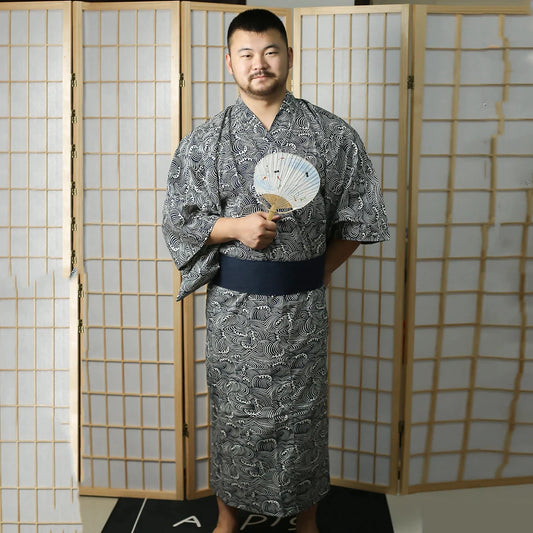
Modern Kimono Fashion & Styling
Kimono Price Guide: How Much Should You Spend on Quality Pieces
⚡ Réponse rapide
Investing in a quality kimono typically ranges from entry-level pieces starting around the value of our free shipping threshold for a well-made modern Yukata to premium traditional, hand-crafted silk kimonos that can represent a significant investment. Factors like material (cotton, polyester, silk), craftsmanship (machine-made vs. hand-dyed), and design complexity significantly impact the price. Your ideal spend depends on your purpose, whether it's casual wear, a fashion statement, or a cherished heirloom that embodies true value and cultural heritage.
Navigating the World of Kimono Prices
The kimono, a garment steeped in centuries of Japanese tradition and artistry, has captivated hearts worldwide, becoming a coveted piece in modern fashion across the United States. But for newcomers and seasoned enthusiasts alike, a common question arises: "How much should I truly spend on a quality kimono?" This isn't just about a price tag; it's about understanding the intricate dance between material, craftsmanship, cultural significance, and the sheer joy of owning a piece of wearable art. From a breezy summer Yukata perfect for a festival to an exquisite silk heirloom, the price spectrum is as vast and varied as the patterns they bear.
In this comprehensive Kimono Price Guide, we'll peel back the layers to reveal what truly influences a kimono's cost. We aim to equip you with the knowledge to make an informed decision, ensuring your investment brings lasting joy and satisfaction. Whether you're seeking an affordable everyday piece or a luxurious statement garment, understanding the value behind the fabric and stitch will empower your choice. We believe that everyone in the United States deserves to experience the elegance and comfort of a well-chosen kimono, tailored to their style and budget.
Join us as we explore the nuances of kimono pricing, offering expert insights and practical advice to help you discover the perfect piece that aligns with your expectations of quality and investment. Let's demystify the numbers and focus on finding genuine value in the world of Japanese kimonos.
What Drives Kimono Prices? Understanding Key Factors
The price of a kimono isn't arbitrary; it's a reflection of several critical factors that contribute to its overall quality, beauty, and longevity. Understanding these elements is the first step toward appreciating the value of your potential purchase. First and foremost is the material. Natural fibers like silk and high-quality cotton command higher prices due to their luxurious feel, durability, and the intricate processes involved in their production and dyeing. Synthetic blends, while more affordable and often easier to care for, typically sit at a lower price point.
Secondly, craftsmanship and construction play an immense role. A machine-made kimono, mass-produced for accessibility, will naturally be less expensive than a hand-sewn garment, meticulously crafted by skilled artisans. Traditional dyeing techniques, such as Yuzen, which involve multiple steps and artistic expertise, significantly add to the cost. Details like hand-embroidery, intricate weaving patterns, and specialized finishes all contribute to a higher price tag, reflecting the time, skill, and artistry invested in each piece. The distinction between a casual Kimono Cardigan and a formal ceremonial Traditional Kimono is stark in terms of labor and expertise.
Finally, the origin and authenticity also impact pricing. Kimonos produced in Japan, especially those from renowned textile regions or by established family businesses, often come with a premium. This is due to adherence to traditional methods, superior material sourcing, and the cultural heritage embedded in their creation. Vintage or antique kimonos, particularly those in excellent condition and with historical significance, can also fetch high prices, appreciated by collectors and fashion connoisseurs in the United States.
Understanding Material Impact
Always consider the fabric composition. While silk is luxurious and often more expensive, high-quality cotton or linen blends offer breathable comfort and durability for everyday wear. Polyester can provide vibrant colors and easy care at a more accessible price point, making it ideal for modern fashion or specific themed events.
Kimono Types and Their Price Points: From Casual to Ceremonial
The world of kimonos is incredibly diverse, with each type designed for specific occasions, seasons, and styles. This diversity directly translates into a broad range of price points. At the more accessible end are Yukata, lightweight cotton or synthetic kimonos primarily worn during summer festivals or as bathrobes. A good quality Japanese Yukata can be an excellent entry point for those new to kimono fashion, often found at budget-friendly prices. They are perfect for casual wear, lounging, or as a stylish cover-up.
Moving up the scale, we find modern fashion kimonos and cardigans, often made from cotton, rayon, or polyester blends. These pieces are designed for everyday wear, offering a contemporary twist on traditional styles. They are versatile, comfortable, and typically fall into a mid-range price bracket, making them popular choices for those looking to integrate kimono aesthetics into their daily wardrobe in the United States. Think of stylish Floral Kimono jackets or Short Kimono options that pair beautifully with Western attire.

At the higher end are traditional formal kimonos, such as Furisode (for unmarried women) or Tomesode (for married women), often made of exquisite silk and adorned with elaborate hand-painted or embroidered designs. These are ceremonial garments, sometimes passed down through generations, and represent a significant investment due to the labor-intensive craftsmanship and premium materials. Wedding kimonos, or Wedding Kimono, fall into this category, embodying peak artistry and cultural value. Vintage and antique kimonos also occupy this premium space, their value appreciating with rarity and condition.
| Kimono Type | Typical Material | Craftsmanship | Primary Use | Price Point (Qualitative) |
|---|---|---|---|---|
| Yukata | Cotton, Polyester | Machine-made, some hand finishing | Casual, summer festivals, loungewear | Entry-level to Mid-range |
| Modern Kimono Jacket/Cardigan | Cotton, Rayon, Polyester blends | Machine-made, fashion-focused | Everyday fashion, layering | Mid-range |
| Traditional (e.g., Komon, Haori) | Silk, high-quality cotton | Machine-sewn, some hand-dyeing/embroidery | Semi-formal, cultural events | Mid-range to Premium |
| Ceremonial (e.g., Furisode, Tomesode) | Premium Silk | Extensive hand-dyeing, embroidery, bespoke | Formal ceremonies, weddings | Premium to Investment-grade |
The Material Difference: Cotton, Polyester, Silk, and Beyond
The fabric choice is arguably the most significant determinant of a kimono's price and feel. Each material offers distinct advantages and contributes uniquely to the garment's overall character. Cotton kimonos, especially high-quality weaves, are beloved for their breathability, comfort, and ease of care. They are a fantastic option for everyday wear, loungewear, or as Kimono Bathrobe. While generally more affordable than silk, premium cottons with intricate prints or specialized weaves can still command a respectable price, offering excellent value for their durability and comfort.
Polyester kimonos often represent the most budget-friendly option. Modern polyester fabrics have come a long way, offering vibrant colors, wrinkle resistance, and good drape. They are practical for themed events, costumes, or for those who desire the kimono aesthetic without the higher investment or specific care requirements of natural fibers. Many contemporary and Streetwear Kimono styles utilize polyester blends for their versatility and durability.
"The true spirit of a kimono lies not just in its pattern, but in the whisper of its fabric against the skin. Choose a material that tells your story and feels like a second skin."Master Weaver, Kyoto
Then there is silk, the undisputed king of kimono fabrics. Silk Kimono pieces are synonymous with luxury, elegance, and tradition. The intricate process of silk production, coupled with its natural sheen, strength, and exquisite drape, makes it the most expensive material. Hand-woven, hand-dyed, and hand-embroidered silk kimonos are true works of art, often becoming cherished family heirlooms. Their price reflects not just the material cost, but the extensive labor and skill involved in transforming raw silk into a masterpiece. When considering a silk kimono, you're not just buying clothing; you're investing in a legacy.

Craftsmanship & Authenticity: The True Value of a Kimono
Beyond the fabric, the true soul and therefore, a significant portion of the price of a kimono, lies in its craftsmanship. A genuine quality kimono, especially a Japanese Kimono, is often a testament to generations of skill and dedication. Hand-sewing is a hallmark of traditional kimonos, allowing for precise pattern matching across seams and a perfect drape that machine stitching often struggles to replicate. The way the fabric moves, the strength of the seams, and the overall fit are all enhanced by the artisan's touch.
Dyeing techniques are another critical aspect. Methods like Yuzen, Shibori, and Katazome are incredibly labor-intensive, involving multiple stages of resist dyeing, hand-painting, and meticulous rinsing. Each color application can be a separate process, requiring immense patience and artistic vision. The depth of color, the sharpness of the patterns, and the intricate details achieved through these traditional methods are unparalleled and directly contribute to a higher valuation. A kimono featuring complex, hand-dyed designs is not merely a garment; it's a canvas of cultural expression.
Embroidery and embellishments further elevate a kimono's value. Delicate silk threads, often dyed specifically for the garment, are used to create stunning three-dimensional patterns that catch the light and add texture. Whether it's a subtle motif or an elaborate scene, hand-embroidered details signify a superior level of craftsmanship and artistry. When you encounter a kimono with such intricate details, you're witnessing the culmination of countless hours of dedicated work, a significant factor in determining its premium price in the United States market.
Spotting Quality Craftsmanship
Look for clean, even stitching, especially along the hems and collar. On patterned kimonos, check for precise pattern matching at the seams. For hand-dyed pieces, examine the depth and clarity of colors. Authentic craftsmanship often reveals subtle imperfections that are a testament to human touch, not flaws, adding to its unique charm.
Buying Your Kimono in the United States: Online vs. Boutiques
When you're ready to purchase a kimono in the United States, you have several avenues, each with its own advantages and price implications. Online retailers, like our store, offer an unparalleled selection, often at competitive prices. We can source directly from Japan or work with skilled manufacturers, providing a diverse range from affordable Kimonos to exquisite silk pieces. Online shopping allows for easy comparison, detailed product descriptions, and customer reviews, empowering you to make an informed decision from the comfort of your home. Plus, with services like tracked delivery (10-25 business days) and free shipping on orders over 80 units, online is often the most convenient and cost-effective option.
10-25
Days for tracked delivery
80
Units for free shipping
Most
Customers satisfied with quality
Specialized boutiques and Japanese cultural centers in major US cities like New York, Los Angeles, or San Francisco offer a more tactile shopping experience. Here, you can feel the fabrics, try on different styles, and receive personalized advice from knowledgeable staff. While prices might be slightly higher due to overheads, the ability to physically inspect the garment and get expert fitting advice can be invaluable, especially for a significant purchase like a traditional kimono. These venues often carry unique, artisan-crafted pieces that might not be available online.
Finally, vintage stores and antique markets can be treasure troves for unique and often more affordable kimonos. You might find beautifully preserved Children's Kimono or adult pieces with historical charm. The prices here can vary wildly depending on the condition, age, and rarity of the piece. While you might score an incredible deal, be prepared to meticulously inspect for wear and tear, and possibly invest in cleaning or minor repairs. This route requires a keen eye and a bit of patience but can lead to truly unique finds.

Is a Quality Kimono an Investment? Longevity and Cultural Value
For many, a quality kimono is more than just a piece of clothing; it's an investment. This investment isn't solely financial, though certain vintage or artisan-crafted silk kimonos can appreciate in monetary value over time. It's primarily an investment in longevity, cultural heritage, and personal style. A well-made kimono, cared for properly, can last for decades, even centuries, becoming a cherished heirloom passed down through families. This durability stands in stark contrast to fast fashion, offering a sustainable alternative that celebrates enduring beauty and craftsmanship.
The cultural value of a kimono is immeasurable. Each pattern, color, and design element often carries symbolic meaning, reflecting aspects of nature, history, or good fortune. Owning a traditional Men's Kimono or a vibrant Kimonos for Women is to embrace a piece of Japanese art and tradition, connecting you to a rich cultural narrative. This cultural significance enhances its value far beyond its material cost, making it a meaningful addition to any wardrobe or collection in the United States.
The Enduring Appeal of Kimono
A quality kimono transcends fleeting trends. Its timeless elegance, cultural depth, and the story woven into its fabric ensure it remains a significant and beautiful garment. Investing in such a piece is an investment in art, history, and personal expression that will enrich your life for years to come.
Furthermore, the versatility of a kimono as a fashion statement makes it a valuable addition to your wardrobe. It can be dressed up for formal events, styled casually for everyday wear, or even used as a unique piece of home decor. Its adaptability ensures it remains relevant and functional, providing continuous enjoyment and reaffirming its status as a worthwhile investment in both aesthetics and practicality. Whether it's a simple Black Kimono or an elaborate Kimono Dragon design, its presence makes a statement.
Making an Informed Purchase: Tips for Your Kimono Journey
Navigating the vast world of kimonos can be exciting, but an informed approach ensures you get the best value for your investment. Here are a few expert tips for buying a quality kimono in the United States. First, define your purpose. Are you looking for a casual Beach Kimono, a statement piece for special occasions, or a traditional garment for cultural events? Your intended use will guide your choices in material, style, and ultimately, price point. Don't overspend on a formal silk kimono if you only need a comfortable loungewear piece, and conversely, don't expect a budget polyester kimono to serve as a ceremonial garment.
Next, research the seller and read reviews. Reputable online stores and established boutiques will provide detailed product descriptions, clear images, and transparent information about materials and craftsmanship. Customer reviews offer valuable insights into the quality of the product and the reliability of the seller. For vintage kimonos, inquire about their history, any imperfections, and care instructions to ensure you understand what you're buying. A transparent seller is a sign of a trustworthy source.
Finally, understand sizing and care requirements. Kimono sizing can differ from Western clothing, often being more about height and arm span than bust or waist measurements. Take your measurements and consult sizing charts carefully. Furthermore, delicate materials like silk require specific care, often professional dry cleaning, which adds to the long-term cost of ownership. Cotton and polyester are generally easier to maintain. Being aware of these details before you buy will prevent surprises and ensure your kimono remains a cherished item for years to come.
Budgeting for Beauty: Finding Your Perfect Kimono Match
Determining your budget is a crucial step in finding your ideal kimono. While the range of prices can be intimidating, remember that quality can be found at various price points. For those just starting their kimono journey or seeking a comfortable everyday piece, consider entry-level options like cotton Yukata or modern kimono cardigans made from blends. These pieces offer beautiful designs and the unmistakable kimono aesthetic without requiring a significant financial outlay. You can often find stylish and durable options that are perfect for daily wear or casual gatherings, proving that beauty doesn't always have to come with a hefty price tag.
If you're looking for something with a bit more sophistication, perhaps for semi-formal events or as a more substantial fashion statement, explore the mid-range market. This segment often features kimonos made from higher-quality cottons, linens, or even elegant polyester with more intricate prints and better finishing. You might also find Haori Jacket or Kimono Jacket styles that blend traditional elements with modern wearability. These pieces strike a wonderful balance between quality, design, and affordability, offering excellent value for their enhanced craftsmanship and material quality.
For the connoisseur, the collector, or anyone desiring a truly authentic and luxurious experience, the premium and investment-grade kimonos are where exquisite silk, masterful hand-dyeing, and bespoke craftsmanship converge. While these pieces represent a significant investment, they offer unparalleled beauty, cultural depth, and the potential to become cherished family heirlooms. Regardless of your budget, the key is to prioritize what matters most to you: material, craftsmanship, authenticity, or a blend of all three. With this guide, you're now well-equipped to embark on your kimono journey with confidence in the United States.
Discover Your Dream Kimono Today
Explore our curated collection of authentic and modern kimonos, crafted with passion and precision. Find the perfect piece that reflects your style and celebrates Japanese heritage.
Voir la collection →FAQ
Yukata are generally more affordable, ranging from entry-level to mid-range price points. They are typically made from cotton or synthetic blends, designed for casual wear in summer. Traditional kimonos, especially those made of silk with intricate hand-dyeing and embroidery, represent a much higher investment, often reaching premium price points due to superior materials, extensive craftsmanship, and ceremonial use. The cost difference reflects the labor, fabric quality, and specific cultural purpose of each garment.
The price of vintage kimonos varies widely. Some can be found at very accessible prices, especially if they are in well-worn condition or from less sought-after periods. However, rare, well-preserved, or historically significant vintage kimonos, particularly those made of high-quality silk with unique patterns or known provenance, can be considerably more expensive than new, mass-produced kimonos. Their value depends on their age, condition, material, craftsmanship, and rarity in the United States market.
Silk kimonos command higher prices due to several factors. Silk itself is a luxurious natural fiber, requiring delicate and labor-intensive production. The dyeing processes for silk kimonos, especially traditional methods like Yuzen, are often hand-done and incredibly time-consuming, involving multiple layers and artistic skill. Additionally, silk's unique sheen, drape, and durability contribute to its premium status. The combination of high-quality raw material and artisanal craftsmanship makes silk kimonos a significant investment in the United States.
Yes, it's absolutely possible to find a quality kimono for under our free shipping threshold (which is 80 units). Many modern kimonos, lightweight Yukata, or kimono cardigans made from cotton or polyester blends offer excellent quality and style at more accessible price points. These pieces are often perfect for casual wear, layering, or as stylish loungewear. While they might not be traditional silk ceremonial garments, they still embody the beauty and comfort of kimono fashion, offering great value for money.
When buying a kimono online, prioritize detailed product descriptions, high-resolution images, and transparent information about materials and craftsmanship. Look for clear indications of the fabric type (e.g., "100% silk," "premium cotton"), origin, and any specific dyeing or sewing techniques used. Read customer reviews for insights into actual product quality and sizing accuracy. A reputable seller will also have clear return policies and responsive customer service. These details help ensure you're making a confident and quality purchase in the United States.
Yes, children's kimonos generally follow similar price factors, though on a smaller scale. Material quality, craftsmanship (e.g., hand-sewn vs. machine-made), and the intricacy of patterns all influence the price. While casual children's Yukata are quite affordable, traditional ceremonial kimonos for children, often used for rites of passage like Shichi-Go-San, can be made from high-quality silk with elaborate designs and hand-embroidery, making them significant investments, much like their adult counterparts, in the United States.
Tags:
Previous
Kimono for Different Body Types: Petite, Tall & Curvy Fits – Your Ultimate Style Guide
Next
Seasonal Kimono Styling: Spring, Summer, Fall & Winter Looks