Kimono for Different Body Types: Petite, Tall & Curvy Fits – Your Ultimate Style Guide

Modern Kimono Fashion & Styling
Kimono for Different Body Types: Petite, Tall & Curvy Fits – Your Ultimate Style Guide
⚡ Réponse rapide
Finding the perfect kimono for any body type – petite, tall, or curvy – is about understanding proportions, fabric drape, and styling techniques. While kimonos are often one-size, tailoring adjustments, obi placement, and choosing the right length and sleeve style can create a beautifully flattering silhouette for everyone, embracing your unique shape with timeless elegance.
The Universal Appeal of Kimono: Why Fit Matters for Every Body
The kimono, a garment steeped in centuries of Japanese tradition, has transcended its origins to become a global fashion statement. From luxurious silk robes worn at home to stylish outerwear for a night out, its versatility is undeniable. But as with any cherished piece of clothing, the magic truly unfolds when it fits you just right. Far from being a rigid, one-size-fits-all garment, modern kimonos offer a surprising degree of adaptability, making them accessible and flattering for every unique physique – whether you're petite, tall, or beautifully curvy. The key is understanding how to select and style your kimono to celebrate your individual shape.
Many people assume that kimonos, particularly traditional ones, are designed only for a specific body type. This couldn't be further from the truth. While classical kimonos do follow strict sizing conventions, contemporary designers and retailers in the United States have embraced a more inclusive approach, offering a wider range of cuts, lengths, and fabrics. This evolution means that the perfect kimono is out there for everyone, ready to enhance your personal style and comfort. It's about finding that balance between the garment's flowing elegance and your body's natural lines, creating a harmonious and confident look that feels authentically you.
Ultimately, a well-fitting kimono doesn't just look good; it makes you feel incredible. It drapes gracefully, moves with you, and highlights your best features without constricting. This guide will take you through expert tips and practical advice, transforming any initial doubts about kimono sizing into an exciting journey of discovery. We'll explore how to navigate lengths, fabrics, and styling techniques to ensure your kimono experience is nothing short of spectacular, proving that this timeless piece can truly be a wardrobe staple for all.
Kimono Origins: A Garment for All
Historically, the kimono's straight-line cut was designed to fit various body shapes by adjusting the way it was folded and tied. This inherent adaptability is still present in modern designs, allowing for a versatile fit that can be personalized for comfort and style.
Decoding Kimono Sizing: Understanding Modern Adaptations
Traditional Japanese kimonos feature intricate sizing based on measurements like mitake (total length), yuki (sleeve-end to center-back length), and sode丈 (sleeve length). These were often custom-made to ensure a precise fit. However, the world of modern kimonos, particularly those popular in the Western market, has largely simplified this approach. Many contemporary kimonos are marketed as 'one-size-fits-most,' offering a more relaxed, universal fit. This doesn't mean sizing is irrelevant; rather, it shifts the focus to how the garment drapes and how you choose to style it.
When selecting a kimono, key measurements to consider are the overall length, sleeve length, and the width across the back and shoulders. For a 'one-size' piece, the width is often generous, allowing for a comfortable wrap. The length, however, will vary significantly based on your height and desired look – a full-length kimono on a petite person might become an ankle-length piece on someone taller. It's crucial to check the product descriptions for specific dimensions, even for 'one-size' items, and compare them to your own measurements or existing garments you love.
Understanding the common ranges for modern kimonos can help you make an informed choice. Many are designed to be open-front, flowing garments, making the 'fit' more about desired aesthetic than strict tailoring. Think about whether you want a snug wrap, a relaxed drape, or something that layers easily over other clothing. Our collection of kimonos for women often includes detailed sizing charts, empowering you to visualize how a particular style will look on your unique body. Don't be afraid to experiment with how you wear it – sometimes, a slight adjustment in how you tie an obi or even the angle of your shoulders can transform the fit entirely.

10-25 days
Average shipping time to the US
$80+
Free shipping on orders above
3 steps
Simple ordering process
Petite Perfection: Styling Kimonos for Shorter Figures
For those with a petite frame, finding clothing that doesn't overwhelm can be a challenge, and kimonos are no exception. The key to petite perfection lies in choosing styles and applying styling techniques that create a sense of verticality and balance. Opt for short kimonos or kimono cardigans that hit at the hip or mid-thigh. These lengths help to elongate the leg line and prevent the garment from looking too bulky or consuming your frame. Avoid overly long or voluminous styles that can make you appear shorter.
When it comes to patterns and fabrics, smaller, more delicate prints work beautifully on petite individuals. Large, bold patterns can sometimes overpower a smaller frame. Consider vertical stripes or subtle, repeating motifs that draw the eye upwards. Lighter fabrics like chiffon, rayon, or a thinner cotton will drape more smoothly without adding unnecessary bulk. Heavy silks or very thick weaves, while luxurious, might create a boxy silhouette that can shorten your appearance. The goal is to maintain fluidity and a streamlined look.
Styling is paramount for petites. If you're wearing an obi or a belt, position it slightly higher than your natural waist. This creates the illusion of longer legs and a higher waistline, adding to the vertical emphasis. Wearing your kimono open over a monochrome outfit can also create a strong vertical line. Pair your kimono with heels or wedges to further enhance height. Don't be afraid to try modern kimono dresses that are tailored to hit at more flattering lengths, providing a chic and cohesive look without the need for extensive layering.
Petite Pattern & Print Tip
For petite frames, choose kimonos with smaller, delicate patterns or vertical designs. These prints help to elongate your silhouette and prevent the garment from overwhelming your figure, maintaining an elegant and balanced look.
Tall & Striking: Embracing Length with Kimono Elegance
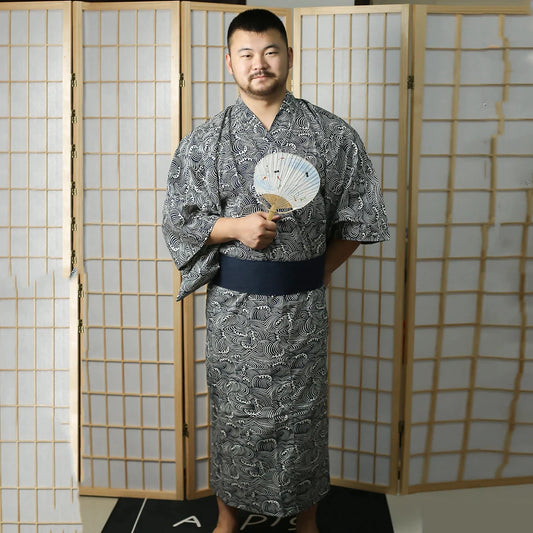
Tall individuals have a natural advantage when it comes to rocking a kimono, as the garment's inherent length and elegant drape often perfectly complement a longer silhouette. Embrace full-length kimonos and Japanese yukatas that extend to the ankles or even the floor. These styles will flow beautifully with your height, creating a majestic and graceful presence. Unlike petite frames, you can confidently wear longer pieces without fear of being swamped; instead, they will enhance your statuesque figure.
For tall women, bold patterns and larger motifs can be incredibly striking. Don't shy away from vibrant floral designs or intricate dragon patterns, as your height allows these prints to be fully appreciated without overwhelming your frame. Consider kimonos with wider sleeves (hiro-sode) or a more generous cut, which can provide a balanced proportion to your longer limbs. Fabrics with a good weight and drape, like heavier silks or structured cottons, will fall elegantly and maintain their shape, further enhancing your sophisticated look.
Styling for tall figures offers a wide range of possibilities. You can wear your obi at your natural waist or even slightly lower, depending on the desired effect, to emphasize your long torso. Layering a kimono over a long dress or wide-leg pants can create a cohesive and elongated ensemble. Experiment with different shoe choices, from flats to heels, as your height allows for versatility. The key is to leverage your natural height to showcase the kimono's full splendor, turning it into a powerful statement piece that exudes confidence and refined taste.

“A kimono is like a canvas; it reveals its true beauty when it drapes in harmony with the wearer’s natural form, celebrating every curve and line.”Traditional Kimono Artisan
Curvy & Confident: Flattering Silhouettes for Every Curve
For curvy body types, the kimono is a fantastic garment that can beautifully highlight and celebrate your shape, offering both comfort and elegance. The key is to choose styles that drape rather than cling, and to use styling techniques that define your waist and create a flattering silhouette. Look for kimonos made from flowing fabrics such as rayon, soft cotton blends, or silk kimono, which will glide over your curves gracefully. Avoid stiff, rigid materials that might add unwanted bulk or create a boxy appearance.
Wrap-style kimonos or those with adjustable sashes are particularly excellent for curvy figures, as they allow you to customize the fit and emphasize your natural waistline. Our plus size kimono collection is specifically designed with these considerations in mind, offering more generous cuts and thoughtfully chosen fabrics. When using an obi or belt, place it at the narrowest part of your waist, or slightly above, to create an hourglass effect. This draws attention to your natural curves and provides structure to the flowing fabric.
Consider kimonos with V-necklines or those that can be worn open to create vertical lines, which are inherently flattering. Darker colors or solid hues can be very elegant, but don't shy away from patterns. Medium-sized, well-spaced prints can work beautifully, as long as they don't appear overwhelming. The goal is to embrace the kimono's inherent ability to flow and adapt, allowing it to accentuate your shape in the most beautiful and confident way possible. Remember, confidence is your best accessory, and a well-chosen kimono will amplify it.
Fabric is Your Friend for Curves
For curvy figures, prioritize kimonos made from fabrics with excellent drape, such as silk, rayon, or soft modal. These materials flow beautifully over your body, enhancing your natural curves without adding bulk or stiffness, ensuring both comfort and elegance.
- Do: Choose flowing fabrics like silk or rayon for graceful drape.
- Do: Opt for adjustable wrap styles or kimonos with sashes.
- Do: Place your obi at your natural waist or slightly above to define shape.
- Don't: Select overly stiff or bulky materials.
- Don't: Overlook V-necklines or wearing it open for vertical lines.
The Magic of Fabric & Obi: Crafting Your Ideal Kimono Look
The choice of fabric significantly impacts how a kimono drapes and fits different body types. Lighter fabrics like chiffon, satin, or delicate cotton blends offer a more flowing, ethereal look, ideal for warmer climates or for those who prefer less volume. These are excellent for petite frames or those seeking a more understated elegance. Conversely, heavier fabrics such as traditional silk brocade, structured cotton, or wool blends provide a more substantial, architectural silhouette. These can be wonderfully grounding for tall individuals or add a luxurious weight to any ensemble.
Beyond the fabric, the obi (kimono sash) is perhaps the most transformative element in styling a kimono to suit your body type. It acts as a powerful tool to define your waist, adjust proportions, and add a touch of personal flair. For petite individuals, positioning the kimono sash higher on the waist creates the illusion of longer legs. Tall individuals can wear the obi at their natural waist or slightly lower to emphasize a long torso. Curvy figures can use the obi to cinch the narrowest part of their waist, creating a beautiful hourglass shape and adding structure to a flowing garment.
Experiment with different obi styles and tying methods. A wide, structured obi provides strong definition, while a narrower, softer sash allows for a more relaxed and fluid look. The color and pattern of your obi can also complement or contrast with your kimono, adding another layer of personalization. Remember, the obi isn't just a functional component; it's an integral part of the aesthetic, offering endless possibilities to tailor your kimono's fit and express your unique style.

Beyond Body Type: Personal Expression and Modern Kimono Styling
While understanding how to flatter your body type is invaluable, the true joy of wearing a kimono lies in personal expression. Modern kimono fashion is incredibly diverse, moving beyond traditional boundaries to embrace contemporary styling. Think of your kimono as a versatile wardrobe staple that can be dressed up or down, layered or worn as a standalone piece. It's about how you feel when you wear it and the unique statement you want to make, regardless of specific body measurements.
Layering is a fantastic way to adapt a kimono to your personal style and create a dynamic look. A kimono cardigan can be draped over a simple tank top and jeans for a casual bohemian vibe, or over a sleek dress for an elevated ensemble. Experiment with different textures and lengths in your underlayers to add depth. For a bold, fashion-forward approach, integrate your kimono into streetwear kimono outfits, pairing it with sneakers, graphic tees, or even leather pants. The contrast between traditional elegance and urban edge is undeniably chic.
Ultimately, the most important aspect of wearing a kimono is confidence. When you choose a kimono that resonates with your personal aesthetic and makes you feel good, its fit becomes secondary to the aura you project. Don't be afraid to break conventional rules, mix and match, and make the kimono truly your own. Whether you're drawn to vibrant prints or minimalist designs, flowing robes or structured jackets, there's a world of kimono fashion waiting for you to explore and personalize. Embrace the journey and let your individuality shine.
Find Your Perfect Fit Today
Explore our diverse collection of kimonos, designed to celebrate every body type. Discover styles that flatter, inspire, and elevate your personal wardrobe.
Voir la collection →FAQ
While many modern kimonos are indeed marketed as 'one-size-fits-most,' this typically refers to a generous, open-front design that drapes loosely. For different body types, this versatility means the 'fit' is more about styling. Petite individuals might find them longer, requiring a higher obi placement. Tall figures will appreciate the full length, while curvy individuals can use a sash to define their waist. The straight cut inherently accommodates various shapes, making them adaptable rather than strictly fitted, allowing personal adjustments to create the ideal silhouette.
For petite individuals, focus on shorter kimono lengths like hip or mid-thigh styles, or consider short kimono cardigans. Opt for lighter fabrics such as rayon or chiffon that drape without adding bulk. Choose kimonos with smaller patterns or vertical designs to create a sense of height. When styling, wear your obi or belt slightly higher than your natural waist to elongate your legs. Wearing the kimono open over a monochrome outfit also creates a flattering vertical line, ensuring your frame isn't overwhelmed.
Tall individuals can beautifully showcase full-length kimonos and Japanese yukatas that extend to the ankles or floor, enhancing their statuesque presence. Embrace bold, larger patterns and vibrant designs, as your height allows these prints to be fully appreciated without overwhelming your frame. Kimonos with wider sleeves can also provide a balanced proportion. Styling options include wearing the obi at your natural waist or slightly lower to emphasize your long torso, leveraging your height to carry dramatic and flowing styles with grace.
Absolutely, kimonos can be incredibly flattering for curvy women! The key is to choose kimonos made from flowing fabrics like silk or soft rayon that drape gracefully over your curves rather than clinging. Look for wrap-style kimonos or those with adjustable sashes that allow you to define your waist. Place your obi or belt at the narrowest part of your waist, or slightly above, to create a beautiful hourglass silhouette. V-necklines and wearing the kimono open can also create vertical lines that are universally flattering for curvy body types.
The obi, or kimono sash, is a crucial styling tool for customizing a kimono's fit for various body types. For petite frames, tying the kimono sash higher on the waist can visually elongate the legs. Tall individuals can use the obi at their natural waist or slightly lower to emphasize their torso. For curvy figures, cinching the obi at the narrowest part of the waist creates definition and an hourglass shape. The obi provides structure, adjusts proportions, and adds a personalized touch, making it indispensable for achieving a flattering silhouette.
Traditional kimonos, typically made of silk and worn for formal occasions, have more intricate sizing and require specific undergarments and tying techniques (like the ohashori fold) that can be adjusted for height. Yukatas, usually cotton and worn in warmer weather, are generally simpler in construction and often come in more adaptable 'one-size' options. For body types, yukatas tend to be less structured and more forgiving, making them an excellent choice for a relaxed fit, while traditional kimonos offer more precise, tailored elegance if correctly fitted or adjusted.
Tags:
Previous
Unveiling Kimono Fabric Types & Quality: Silk, Cotton, and Synthetics Explained for US Enthusiasts
Next
Kimono Price Guide: How Much Should You Spend on Quality Pieces