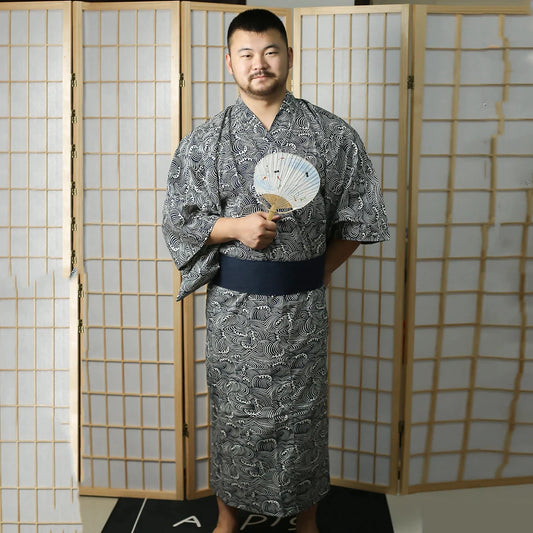
Unveiling Kimono Fabric Types & Quality: Silk, Cotton, and Synthetics Explained for US Enthusiasts

Modern Kimono Fashion & Styling
Kimono Fabric Types & Quality: Silk, Cotton & Synthetics Explained
⚡ Réponse rapide
Kimono fabrics range from luxurious silk, prized for its drape and sheen, to comfortable cotton ideal for daily wear and yukata. Modern innovations include versatile synthetic materials like polyester, offering durability and affordability. Understanding these fabric types, their quality, and care is crucial for appreciating the kimono's beauty and ensuring its longevity.
The Soul of a Kimono: Why Fabric Matters
Stepping into the world of Japanese kimonos is an experience that transcends mere fashion; it’s an embrace of culture, artistry, and timeless elegance. For enthusiasts and collectors in the United States, understanding the intricacies of kimono construction is key, and at its heart lies the fabric. The choice of material dictates not only the garment's appearance and drape but also its comfort, seasonality, historical significance, and even its price point. From the whisper-soft rustle of silk to the breathable comfort of cotton, each fabric tells a story and serves a unique purpose in the kimono tradition.
When we talk about Kimono Fabric Types & Quality: Silk, Cotton & Synthetic Materials Explained, we're delving into the very essence of what makes each kimono unique. The fabric's texture, weight, sheen, and how it feels against the skin are paramount. A summer Yukata in crisp cotton offers a completely different experience than a formal silk Furisode. This guide aims to demystify these choices, helping you appreciate the craftsmanship and make informed decisions, whether you're seeking a traditional piece, a modern fashion statement, or a comfortable robe for home.
Beyond the aesthetic, the fabric choice profoundly impacts the longevity and care requirements of your kimono. A well-chosen and properly cared-for kimono can last for generations, becoming a cherished heirloom. Conversely, misunderstanding the fabric can lead to disappointment or damage. Let's embark on a journey through the most common and revered kimono fabrics, uncovering their characteristics, quality indicators, and what makes each material special in the rich tapestry of Japanese textile arts.
Silk: The Unrivaled Elegance and Luxury of Kimono Fabric
For centuries, silk has been the quintessential fabric for traditional Japanese kimonos, synonymous with luxury, ceremony, and refined beauty. Its natural sheen, incredible drape, and ability to hold vibrant dyes make it unparalleled. Japanese silk kimonos are not just garments; they are wearable art, often hand-painted, embroidered, or woven with intricate patterns that showcase astonishing skill. The quality of silk can vary dramatically, from smooth habutae and rinzu to richly textured crepe (chirimen) and lustrous satin. Higher quality silk typically means a finer weave, a more lustrous finish, and a heavier, more substantial drape.
The Allure of Japanese Silk
Japanese silk is renowned globally for its superior quality. The silk produced in regions like Kyoto is often considered among the finest, used for heirloom kimonos and intricate designs. Expect to find a wide range of pricing, from several hundred dollars for a simple, pre-owned silk kimono to thousands for a new, hand-dyed, or exquisitely embroidered ceremonial piece. Its natural fibers are breathable in summer and insulating in winter, making it surprisingly versatile.
When evaluating silk kimono fabric in the US market, look for indicators of quality such as the tightness of the weave, the consistency of the dye, and the integrity of any patterns. Hand-painted yuzen silk, for instance, involves a multi-step process that can take weeks or months, resulting in breathtakingly detailed designs. The feel of the fabric is also key: a good quality silk will feel smooth, cool, and fluid to the touch. It should drape beautifully, conforming to the body's movements with grace. Be aware that vintage silk kimonos may have minor imperfections, which are often part of their charm and history.
The price of a silk kimono reflects the labor, artistry, and material quality. A simple, machine-dyed silk kimono might start around $300-$500, while a traditional, hand-finished formal kimono could easily exceed $2,000, and antique collector's pieces can reach five figures. This investment is for a garment that is not only stunning but also culturally significant and durable if cared for properly. Many modern kimono fashion brands now offer silk blends or more accessible silk options, making this luxurious fabric available to a wider audience in the United States.
Cotton: The Comfort and Versatility of Everyday Kimonos
While silk reigns supreme for formal wear, cotton is the beloved fabric for casual, everyday kimonos and especially for Yukata. Its breathability, absorbency, and ease of care make it incredibly practical, particularly in the warm, humid summers of Japan and suitable for similar climates in the US. Cotton kimonos offer a relaxed elegance, perfect for lounging at home, attending summer festivals, or as a stylish cover-up. The fabric comes in various weaves and weights, from light gauze to sturdy twill, each offering a different texture and drape.
One of the most popular cotton kimono types is the Yukata, specifically designed for summer wear. These typically feature vibrant prints and are unlined, making them exceptionally light and comfortable. High-quality cotton yukata fabric feels soft yet crisp, with dyes that resist fading. Look for mercerized cotton for added strength and luster, or traditional indigo-dyed cotton for a classic, timeless appeal. Prices for cotton kimonos and Yukata are generally much more accessible than silk, often ranging from $50 to $250, making them an excellent entry point for those new to kimono fashion.

The versatility of cotton extends beyond traditional Yukata. Many contemporary kimono bathrobes and lightweight fashion kimonos are made from cotton blends, offering comfort and modern styling. When choosing a cotton kimono, consider the weave: a coarser weave might be more durable for daily wear, while a finer weave offers a softer hand and more elegant drape. Always check for pre-shrunk cotton to avoid surprises after washing. Cotton's ability to hold diverse patterns, from intricate florals to bold geometric designs, ensures there's a style for every taste, bringing the relaxed charm of Japanese summer traditions to homes across America.
Synthetic Materials: Modern Innovation and Affordability
In the modern era, synthetic materials have become an increasingly popular choice for kimonos, offering a compelling blend of affordability, durability, and ease of care. Polyester, rayon, and various blends are widely used, especially for fashion kimonos, themed event wear, and more practical, everyday styles. These materials have come a long way, with advanced textile technologies creating synthetics that can mimic the look and feel of silk or cotton, often at a fraction of the cost.
Polyester kimonos are highly resistant to wrinkles, fading, and shrinking, making them ideal for travel or for those who prefer low-maintenance garments. They are particularly popular for cosplay, Halloween, or themed parties, where intricate designs and vibrant colors are desired without the delicate care requirements of natural fibers. Rayon, a semi-synthetic fiber derived from wood pulp, offers a beautiful drape and a soft, silk-like feel, often used for more flowy, fashion-forward kimonos for women.

The Synthetic Advantage
Synthetic kimonos typically range from $30 to $150, making them highly accessible. While they may lack the breathability of natural fibers, their resilience and vibrant print capabilities make them excellent for specific uses. Always check the fabric composition if you are sensitive to materials or have specific care preferences. Modern blends can offer the best of both worlds, combining natural fiber comfort with synthetic durability.
When assessing the quality of synthetic kimono fabrics, look at the weave's tightness and the print's clarity. Higher-quality synthetics will have a smoother finish, better drape, and more vibrant, long-lasting colors. Avoid overly thin or flimsy synthetic materials, which can feel cheap and not hold their shape well. While they might not carry the same historical gravitas as silk, synthetic kimonos play a vital role in making kimono fashion accessible and adaptable to contemporary lifestyles in the United States, offering a vast array of styles, from casual kimono cardigans to elaborate statement pieces.
Beyond the Big Three: Other Natural Fibers for Kimonos
While silk, cotton, and synthetics dominate the kimono landscape, other natural fibers occasionally make an appearance, particularly in specialized or vintage pieces. Linen and wool are two notable examples, each bringing unique characteristics to kimono design.
Linen, known for its exceptional breathability and strength, is sometimes used for summer kimonos, especially in regions with very hot and humid climates. Its distinctive crisp texture and slightly rustic look offer a different aesthetic compared to cotton. Linen kimonos are incredibly absorbent and dry quickly, making them comfortable for outdoor events. However, linen is also prone to wrinkling, which can be part of its charm or a drawback depending on personal preference. These are rarer finds in the US market but are appreciated for their unique qualities.
Wool kimonos, on the other hand, are designed for warmth, making them suitable for cooler seasons. Historically, wool was used for everyday wear during autumn and winter, offering practical insulation. Wool kimonos can range from soft, fine weaves to more robust, textured fabrics. They are often dyed in muted, earthy tones, reflecting their utilitarian purpose. While less common than silk or cotton kimonos, wool pieces offer a cozy alternative for those seeking warmth without sacrificing traditional style. Finding these in the US might require searching for vintage or specialized imports.
Decoding Kimono Fabric Quality: More Than Just the Material
Understanding Kimono Fabric Types & Quality goes far beyond simply identifying silk, cotton, or synthetic. True quality is a multifaceted concept, encompassing weave, dye, pattern, and the overall craftsmanship that transforms raw material into a magnificent garment. For collectors and enthusiasts in the US, discerning these nuances can elevate your appreciation and ensure you invest in pieces that truly stand out.
The weave of the fabric is foundational. A tighter, more consistent weave generally indicates higher quality and durability, whether it's the smooth surface of habutae silk or the crispness of a high-thread-count cotton. Irregularities in the weave can point to lower quality. The way the fabric drapes is a direct result of its weave and weight; a quality fabric will fall gracefully, without stiffness or excessive clinging. For instance, authentic chirimen silk has a distinct crimped texture, giving it a unique elasticity and drape.
10-25
Days for tracked delivery to US
80+
USD for free shipping
42%
Of our kimonos are silk or cotton based
Dyeing techniques and pattern application are where much of the artistry lies. Traditional methods like Yuzen dyeing (for silk) or indigo dyeing (for cotton) are complex and labor-intensive, resulting in rich, deep colors and intricate patterns that are deeply embedded in the fibers. Machine prints, while often beautiful, lack the depth and subtle variations of hand-dyed pieces. Look for clarity in the pattern, crisp lines, and consistent color saturation without bleeding. The back of a hand-dyed fabric will often show some dye penetration, whereas a machine-printed fabric might look starkly different on the reverse.

Finally, the overall craftsmanship, from cutting and sewing to finishing details, contributes significantly to quality. Well-made kimonos will have precise seams, neatly finished edges, and patterns that align perfectly across seams. Even if the fabric is exquisite, poor construction can detract from its beauty and longevity. A kimono is a symphony of elements, and the fabric is just one, albeit crucial, instrument in that grand composition. By looking beyond the surface, you can truly understand the value and artistry of these magnificent garments.
"The true beauty of a kimono isn't just in its pattern, but in how the fabric breathes, moves, and tells a story. Choose a fabric that resonates with your spirit, and it will become an extension of yourself."Master Textile Artisan
Choosing the Perfect Kimono Fabric for Your Needs
With a deeper understanding of Kimono Fabric Types & Quality, you're now better equipped to choose the ideal kimono for your specific needs, whether for fashion, comfort, or a special occasion in the United States. The decision ultimately boils down to a few key considerations: occasion, season, budget, and personal style.
For formal events, weddings, or traditional ceremonies, a traditional kimono in high-quality silk is almost always the preferred choice. Its luxurious drape and intricate designs convey respect and elegance. Consider the weight of the silk for the season – lighter silk for warmer months, heavier for cooler. For a more modern take on elegance, a high-quality rayon blend might offer a similar drape with less maintenance.
For casual wear, lounging, or summer festivals, cotton or cotton blends are unbeatable. A Japanese Yukata in crisp, breathable cotton is perfect for warm weather. These are also excellent for use as stylish loungewear or a unique kimono bathrobe. Synthetic materials, particularly lighter polyesters, can also serve well for casual, fashion-forward pieces like a kimono cardigan, offering easy care and vibrant patterns.
| Feature | Silk Kimono | Cotton Kimono | Synthetic Kimono |
|---|---|---|---|
| Feel & Drape | Luxurious, smooth, fluid, excellent drape | Soft, breathable, crisp, comfortable, good drape for casual wear | Varies (can mimic silk/cotton), durable, often less breathable |
| Durability | Strong, but delicate (prone to snags), can last generations with care | Durable, strong, resilient to wear and tear | Very durable, wrinkle-resistant, colorfast |
| Care | Dry clean only, delicate handling, susceptible to water stains | Machine washable (check label), easy care, colorfast | Machine washable (check label), low maintenance, quick-drying |
| Cost | High to very high (from $300 to $thousands) | Low to moderate (from $50 to $250) | Very low to moderate (from $30 to $150) |
| Best Use | Formal events, ceremonies, luxury wear, heirlooms | Casual wear, summer festivals, loungewear, everyday fashion | Fashion statements, cosplay, travel, low-maintenance daily wear |
Finally, budget is always a consideration. Silk represents a significant investment, but its timeless beauty and longevity can justify the cost. Cotton and synthetics offer more affordable options, allowing you to explore different styles and patterns without a large financial commitment. By weighing these factors, you can confidently select a kimono whose fabric not only looks beautiful but also perfectly suits its intended purpose and your lifestyle.
Caring for Your Kimono: Fabric-Specific Tips
Proper care is essential to preserve the beauty and extend the life of your kimono, especially when dealing with various Kimono Fabric Types & Quality. Each material demands specific attention, and understanding these nuances will ensure your cherished garment remains pristine for years to come. Neglecting care instructions, particularly for delicate fabrics, can lead to irreversible damage.
Silk kimonos require the most delicate handling. Traditional silk kimonos are almost always dry-cleaned by specialists experienced with delicate textiles. Avoid machine washing or even hand washing, as water can cause silk to shrink, lose its luster, or create irreversible water spots, especially on hand-dyed pieces. Store silk kimonos flat or hung on padded hangers in a cool, dry place, away from direct sunlight, to prevent fading and creasing. Use acid-free tissue paper to protect intricate patterns or embroidery. For minor wrinkles, a steamer held at a distance is preferable to direct ironing, which can flatten the silk's texture.
Spot Cleaning & Odor Removal
For minor spots on silk, consult a professional. For general freshness, airing out a kimono outdoors (but not in direct sun) on a dry, breezy day can work wonders. For cotton and synthetics, spot cleaning with a mild detergent and water is often effective, followed by gentle dabbing.
Cotton kimonos and Yukata are significantly easier to care for. Most can be machine washed on a gentle cycle with cold water, ideally in a mesh laundry bag to protect embellishments. Use a mild detergent and avoid harsh bleaches, which can damage fibers and fade colors. Hang to dry, or tumble dry on low heat. Ironing cotton kimonos is generally safe, using a medium-hot iron with steam. Always check the care label provided by the manufacturer, as some cotton blends or traditionally dyed pieces may have specific instructions.

Synthetic kimonos are the most forgiving. Polyester and rayon kimonos are typically machine washable on a gentle cycle with cold water. They are often quick-drying and resistant to wrinkles, sometimes requiring no ironing at all. If ironing is needed, use a low-heat setting to avoid melting or damaging the synthetic fibers. Always refer to the garment's specific care tag, as blends can have unique requirements. By following these fabric-specific care guidelines, you can ensure your kimono maintains its beauty and structural integrity, allowing you to enjoy it for many years to come.
The Future of Kimono Fabrics: Sustainability and Innovation
As the world becomes increasingly conscious of environmental impact, the future of Kimono Fabric Types & Quality is also evolving towards sustainability and innovation. For the US market, where eco-friendly practices are highly valued, this shift is particularly relevant. Designers and manufacturers are exploring new ways to create beautiful, high-quality kimono fabrics that are also kind to the planet.
One major area of innovation is the development of eco-friendly synthetic fibers. This includes recycled polyester made from plastic bottles, or bio-based synthetics derived from renewable resources, reducing reliance on fossil fuels. These materials offer the durability and ease of care of traditional synthetics but with a significantly smaller environmental footprint. We're also seeing an increase in the use of sustainably sourced natural fibers, such as organic cotton, hemp, and even bamboo, for more casual and comfortable kimono styles.
Furthermore, traditional Japanese textile artisans are also looking into more sustainable dyeing practices, using natural dyes or closed-loop systems that minimize water waste and chemical runoff. The emphasis is on preserving the heritage of kimono craftsmanship while adapting to modern ecological demands. For consumers in the United States, this means an exciting future where you can enjoy the beauty and cultural richness of kimonos with the added satisfaction of supporting ethical and sustainable production. Keep an eye out for brands that highlight their commitment to these practices, offering not just a garment, but a story of conscious creation.
Discover Your Perfect Kimono
Explore our exquisite collection of kimonos, crafted from the finest silks, breathable cottons, and durable synthetics. Find the ideal fabric and style that speaks to you.
Voir la collection →FAQ
For a traditional Japanese kimono, silk is overwhelmingly considered the best fabric. Its exquisite drape, natural sheen, and ability to hold intricate dyes and patterns make it the preferred choice for formal events, ceremonies, and heirloom pieces. Silk kimonos, often hand-dyed and embroidered, embody the pinnacle of Japanese textile artistry. While cotton is excellent for casual Yukata, silk signifies luxury and historical authenticity in the world of traditional kimonos. For buyers in the US seeking an authentic experience, a silk kimono is an unparalleled investment in cultural elegance.
The quality of synthetic kimonos can vary significantly. While they may not possess the luxurious feel or historical significance of silk, modern synthetic fabrics like high-grade polyester or rayon can offer excellent quality in terms of durability, wrinkle resistance, and colorfastness. They are particularly good for everyday wear, travel, or fashion-forward styles where ease of care and affordability are priorities. For specific purposes such as a streetwear kimono or themed events in the US, good quality synthetics are perfectly suitable and offer practical advantages over natural fibers.
Distinguishing real silk from synthetic can be done by several methods. Real silk feels smooth and cool to the touch, and when rubbed, it produces a slight warmth due to friction. It has a unique luster that shimmers and changes with light. A classic test is the burn test: real silk, when burned, smells like burning hair and turns to ash, while synthetic silk (like polyester) will melt into a hard bead and smell like burning plastic. Additionally, real silk drapes very fluidly, whereas synthetics might feel stiffer or have a less natural flow. For premium silk kimonos in the US, always check product descriptions carefully.
While cotton kimonos, particularly unlined Yukata, are indeed popular for summer due to their breathability and comfort, not all cotton kimonos are exclusively for summer wear. Heavier weight cotton or lined cotton kimonos can be suitable for transitional seasons like spring and autumn. Some traditional Japanese cotton weaves are quite substantial and offer more warmth than a typical summer Yukata. For those in the US seeking a comfortable, versatile kimono that's easy to care for, cotton remains an excellent choice for a wide range of casual uses beyond just the hottest months.
Caring for a silk kimono requires utmost care to preserve its delicate fibers and vibrant colors. It is highly recommended to have traditional silk kimonos professionally dry-cleaned by a specialist experienced with fine silks. Avoid machine washing, hand washing, or tumble drying, as water can cause shrinkage, water spots, and damage the fabric's luster and texture. Store your silk kimono in a cool, dry place, away from direct sunlight, preferably hung on a padded hanger or folded carefully with acid-free tissue. For minor wrinkles, a garment steamer can be used gently from a distance.
For daily wear or loungewear, cotton and high-quality synthetic blends are generally the best choices. Cotton kimonos and Yukata Women offer exceptional comfort, breathability, and are usually machine washable, making them practical for regular use. Synthetic materials like polyester or rayon blends provide durability, wrinkle resistance, and ease of care, perfect for a busy lifestyle. They are also more affordable, allowing for a wider selection of styles for relaxing at home or running errands. Look for soft, comfortable weaves that feel good against the skin for optimal lounging experience in your US home.
Tags:
Previous
Embracing Sustainable Kimono Fashion: Eco-Friendly Brands & Thrifting in the US
Next
Kimono for Different Body Types: Petite, Tall & Curvy Fits – Your Ultimate Style Guide