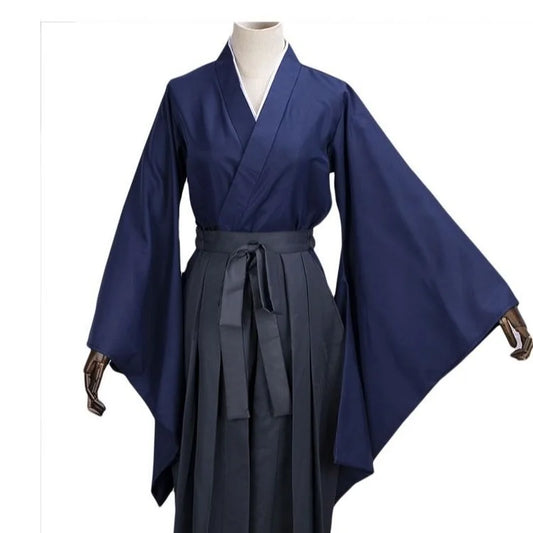
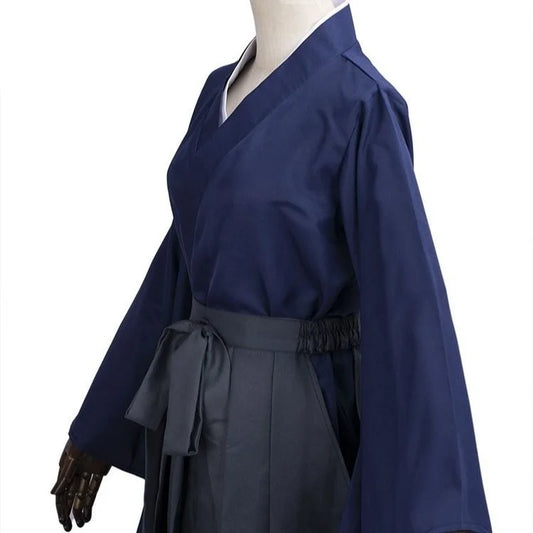
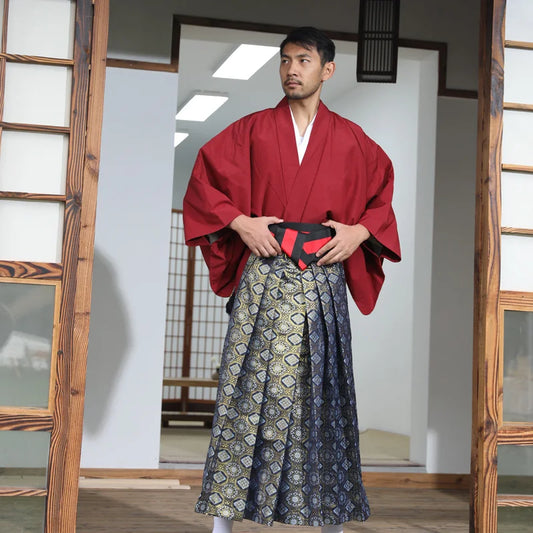
Embracing Sustainable Kimono Fashion: Eco-Friendly Brands & Thrifting in the US

NOUVEAU : Kimono Shopping & Sustainability
Embracing Sustainable Kimono Fashion: Eco-Friendly Brands & Thrifting in the US
⚡ Réponse rapide
Sustainable kimono fashion in the US involves supporting eco-friendly brands committed to ethical production, utilizing sustainable materials like organic cotton or recycled fabrics, and actively engaging in thrifting or second-hand purchases. This approach extends the lifespan of beautiful garments, reduces waste, and honors the traditional craft with an environmentally conscious mindset, offering stylish and responsible choices for consumers.
The Allure of Sustainable Kimono Fashion
In a world increasingly conscious of its environmental footprint, the fashion industry faces immense pressure to adopt more sustainable practices. For enthusiasts of Japanese culture and style, this shift presents a unique opportunity to explore sustainable kimono fashion in the US. The kimono, with its rich history, intricate craftsmanship, and timeless elegance, is inherently suited to a sustainable lifestyle. Unlike fast fashion trends that come and go, a well-made kimono is an investment designed to last generations, embodying durability, versatility, and cultural significance. Embracing sustainable practices within kimono fashion means not only preserving the planet but also honoring the artisan traditions that have shaped these garments for centuries.
The journey into sustainable kimono fashion begins with understanding what sustainability truly entails in this context. It’s about more than just eco-friendly materials; it encompasses the entire lifecycle of the garment. From the ethical sourcing of fabrics and dyes to fair labor practices in production, and from minimizing waste to promoting longevity through thoughtful care and repair, every step contributes to a more responsible fashion ecosystem. In the United States, a growing community of designers, retailers, and consumers are championing this cause, making it easier than ever to integrate beautiful, ethically produced, or pre-loved kimonos into your wardrobe. This movement encourages us to move away from disposable fashion towards pieces that tell a story, hold value, and respect both people and the planet.
Imagine owning a kimono that carries the whispers of past generations, or a newly crafted piece made with innovative, earth-kind materials. This is the essence of sustainable kimono fashion. It’s about making choices that align with your values, whether that means seeking out brands dedicated to transparency and ecological responsibility, or embarking on a thrilling treasure hunt through vintage shops and online marketplaces for unique, pre-owned treasures. The beauty of the kimono lies not only in its aesthetic appeal but also in its potential to be a powerful statement for conscious consumption. By prioritizing quality over quantity, and heritage over fleeting trends, we can ensure that this iconic garment continues to inspire and adorn us for many years to come, leaving a positive legacy for future generations.
Why Choose Sustainable Kimono Fashion?
The decision to embrace sustainable kimono fashion is driven by a confluence of ethical, environmental, and personal values. The conventional fashion industry is one of the largest polluters globally, contributing significantly to water pollution, textile waste, and carbon emissions. By choosing sustainable options, you actively participate in mitigating these harms. For instance, opting for kimonos made from natural, organic fibers like organic cotton or peace silk (sericulture where silkworms complete their metamorphosis) drastically reduces the use of harmful pesticides and chemicals in cultivation. Similarly, dyes derived from natural sources or low-impact synthetic dyes minimize water contamination, a critical concern given the vast amounts of water used in textile manufacturing.
Understanding Sustainable Materials
When seeking sustainable kimonos, look for materials like organic cotton, hemp, linen, Tencel™ (lyocell), or recycled polyester. Traditional silk, while luxurious, has varying sustainability profiles; 'peace silk' is a more ethical choice. These materials often require less water, fewer chemicals, and are biodegradable or recyclable, reducing their environmental impact significantly.
Beyond the environmental impact, ethical considerations play a crucial role. Many traditional and eco-conscious kimono brands prioritize fair labor practices, ensuring that artisans and workers involved in the production process receive fair wages and work in safe conditions. This stands in stark contrast to the often exploitative practices found in fast fashion supply chains. When you purchase a sustainable kimono, you're not just buying a piece of clothing; you're supporting a system that values human dignity and craftsmanship. This transparency in the supply chain builds trust and allows consumers to make informed decisions that resonate with their moral compass.
Furthermore, the inherent longevity of a well-crafted kimono makes it a fundamentally sustainable choice. Unlike garments designed for fleeting trends, kimonos are built to last, often becoming cherished heirlooms passed down through families. This durability reduces the need for frequent replacements, directly combating the throwaway culture of modern fashion. Investing in a high-quality, sustainable kimono means you’re acquiring a versatile piece that can be styled in numerous ways – from elegant formal wear to a chic robe or a distinctive outer layer like a Kimono Cardigan or Haori Jacket. This adaptability maximizes its utility and value over time, proving that style and sustainability can coexist beautifully. By choosing fewer, better-made items, you contribute to a more mindful approach to your wardrobe.
Spotlight on Eco-Friendly Kimono Brands in the US
While the concept of "eco-friendly kimono brands" might seem niche in the US, a growing number of designers and retailers are incorporating sustainable practices into their collections, offering beautiful and ethically produced options. These brands often focus on several key areas: material innovation, ethical production, and timeless design. Look for companies that are transparent about their supply chain, from the origin of their fabrics to the conditions under which their garments are sewn. They might specialize in using recycled materials, upcycled vintage textiles, or natural fibers that are organically grown and processed with minimal environmental impact. For instance, some smaller ateliers in the US are repurposing vintage silk kimonos into modern, wearable art pieces, giving new life to exquisite fabrics that might otherwise go unused. This innovative approach perfectly encapsulates the spirit of circular fashion.
10-25
Delivery Days (approx.)
$80+
Free Shipping Threshold
50+
Years of Kimono Lifespan
When searching for eco-friendly kimono brands, consider their commitment to craftsmanship. Brands that emphasize handmade quality, artisanal techniques, and small-batch production often have a lower environmental footprint than mass producers. These artisans often invest more time and care into each piece, ensuring durability and a unique aesthetic. For example, some designers are reinterpreting traditional Japanese patterns and silhouettes using locally sourced, sustainable fabrics, creating unique Japanese Kimono styles that blend heritage with contemporary eco-consciousness. While specific brand names can fluctuate, a quick search for "sustainable kimono US" or "ethical Japanese fashion US" will reveal dedicated businesses prioritizing these values. Many will highlight their certifications (e.g., GOTS for organic textiles) or their partnerships with ethical workshops.
Another aspect of eco-friendly brands is their focus on versatile design. Kimonos, by nature, are incredibly adaptable garments. Sustainable brands often highlight this versatility, encouraging consumers to view their kimono as a multi-functional piece – a luxurious robe at home, a stylish outer layer for an evening out, or even a unique Kimono Dress. This emphasis on diverse styling options extends the garment's perceived value and reduces the temptation to purchase new items for different occasions. When you invest in a sustainably made kimono, you're not just buying a trend; you're acquiring a timeless piece that integrates seamlessly into various aspects of your life, reducing overall consumption and promoting a more thoughtful approach to personal style.
The Art of Thrifting Kimonos: A Treasure Hunt for Sustainability
Thrifting is arguably one of the most impactful ways to engage in sustainable kimono fashion in the US. It offers a direct pathway to circular fashion, extending the life of existing garments and preventing them from ending up in landfills. The beauty of thrifting kimonos lies in the discovery: each piece often carries a unique history, a distinctive pattern, or a specific dye technique that might be rare in new productions. From vintage silk beauties to sturdy cotton yukata, second-hand markets, antique stores, consignment shops, and online platforms like Etsy or eBay are teeming with potential treasures. This approach not only supports the environment but also provides access to authentic, often hand-crafted pieces at a fraction of the cost of new traditional kimonos.

To successfully thrift kimonos, a keen eye and a bit of patience are essential. When examining a pre-loved kimono, pay close attention to the fabric quality. Traditional kimonos are often made from silk, cotton, linen, or wool. Check for tears, stains, and signs of wear, especially around the collar, cuffs, and hem. However, remember that minor imperfections can often be repaired or embraced as part of the garment's unique character. Look at the stitching; traditional kimonos are often hand-stitched, indicating superior craftsmanship. Also, consider the authenticity – a true Traditional Kimono will often have specific construction details and fabric patterns that distinguish it from modern imitations. Don't be afraid to ask sellers about the garment's history or origin; reputable vintage dealers will often have detailed information.
Thrifting Kimono Checklist
- Inspect Fabric: Check for tears, holes, significant discoloration, or weak spots.
- Examine Stitching: Look for even, strong seams; hand-stitching often indicates quality.
- Check for Odors: Mustiness can indicate improper storage and might be hard to remove.
- Verify Size & Fit: Kimonos are often one-size, but length and sleeve width vary.
- Research Patterns: Understand traditional motifs to appreciate authenticity and history.
- Consider Repairs: Small flaws can be charming or easily mended; major damage might be costly.
Online platforms have become invaluable resources for thrifting kimonos in the US. Websites dedicated to vintage clothing, specialized antique textile dealers, and even general marketplaces host a wide array of options. Filters for material, age, and style can help narrow your search. When buying online, always request detailed photos of any potential flaws and inquire about measurements. A seller's reputation and reviews are crucial indicators of reliability. Thrifting a kimono is more than just a purchase; it's an act of cultural appreciation and environmental stewardship, allowing you to connect with the past while dressing for a sustainable future. It's a truly rewarding experience for anyone interested in unique and responsible fashion choices.
Caring for Your Kimono: Longevity and Eco-Conscious Maintenance
Proper care is paramount to ensuring the longevity of your kimono, whether it's a new sustainable purchase or a cherished thrifted find. Eco-conscious maintenance not only preserves the garment's beauty but also reduces its environmental impact by extending its lifespan and minimizing the need for replacement. Traditional kimonos, especially those made of delicate Silk Kimono, require specific care to maintain their integrity. Generally, kimonos should be cleaned as infrequently as possible. Spot cleaning is often preferred over full washing to address small marks, using gentle, pH-neutral detergents specifically designed for delicate fabrics. For more significant cleaning, professional dry cleaning by a specialist experienced with delicate textiles is recommended, as improper washing can damage the fabric, dyes, and intricate embellishments.

When storing your kimono, protection from dust, direct sunlight, and humidity is crucial. Traditional methods involve folding the kimono flat and storing it in a breathable cloth bag, such as cotton or linen, often within a wooden box (kiribako) that naturally regulates moisture. If you don't have access to traditional storage, a clean, dry closet with good air circulation will suffice. Avoid plastic garment bags, as they can trap moisture and lead to mildew or fabric degradation over time. Unfold and air out your kimono periodically, especially after wearing it, to refresh the fabric and prevent odors from setting in. This careful storage routine prevents damage and ensures your kimono remains in pristine condition for decades, ready to be enjoyed or passed down.
“A truly well-made garment is not simply worn; it is cared for, cherished, and becomes a part of your story. Its longevity is a testament to both its craftsmanship and your dedication.”Traditional Textile Artisan
Embracing repair and repurposing is another cornerstone of eco-conscious kimono maintenance. Small tears, loose threads, or fading can often be mended by hand, preserving the garment's original form. For more extensive damage, seeking out a skilled textile repair specialist can breathe new life into an aged kimono. If a kimono is beyond repair as a full garment, consider repurposing its beautiful fabric into smaller items like decorative cushions, unique accessories, or even framed art. This creative approach ensures that the exquisite textiles and craftsmanship do not go to waste, continuing its sustainable journey. By actively participating in the care and potential transformation of your kimono, you deepen your connection to its history and contribute positively to a circular fashion economy.
Beyond Buying: Embracing a Sustainable Kimono Lifestyle
Sustainable kimono fashion extends far beyond the initial purchase, encompassing a holistic lifestyle that prioritizes mindful consumption, appreciation for craftsmanship, and community engagement. One key aspect is the concept of versatility and styling. A single kimono can serve multiple functions: a luxurious bathrobe, a stylish jacket for an outing, a unique statement piece over a dress, or even an elegant wrap. By exploring different ways to wear and integrate your kimono into your existing wardrobe, you maximize its utility and reduce the perceived need for more new clothes. This creativity not only makes your style distinctive but also reinforces the principle of "less is more," a core tenet of sustainable living. Consider how a Floral Kimono can transition from a casual beach cover-up to a chic evening overlay with just a change of accessories.
Another crucial element of a sustainable kimono lifestyle is education and advocacy. Learning about the origins of kimono, the significance of its patterns, and the traditional methods of its creation fosters a deeper appreciation for the garment. Sharing this knowledge with others helps raise awareness about sustainable fashion choices and the cultural importance of preserving traditional crafts. Engaging in discussions about ethical production, environmental impact, and the value of slow fashion contributes to a broader movement towards responsible consumption. This isn't just about what you wear; it's about the stories you tell and the values you promote through your choices. Supporting educational initiatives or workshops on kimono history and care also plays a vital role in this advocacy.

Furthermore, fostering a community around sustainable kimono fashion in the US can amplify impact. This could involve joining online forums, local textile groups, or even organizing kimono swap events where enthusiasts can exchange garments, share styling tips, and discuss sustainable practices. These communities provide a platform for sharing resources, discovering hidden gems, and supporting small, ethical businesses. They also create a sense of belonging among individuals who share a passion for kimonos and a commitment to sustainability. By actively participating in such networks, you contribute to building a stronger, more resilient sustainable fashion ecosystem, demonstrating that collective action can lead to significant positive change. This collaborative spirit transforms individual efforts into a powerful movement for good.
Making an Impact: Your Role in Ethical Fashion
Your choices as a consumer hold immense power in shaping the future of fashion. By consciously opting for sustainable kimono fashion in the US, you send a clear message to the industry: sustainability matters. Every purchase from an eco-friendly brand, every thrifted kimono, and every effort to properly care for your garments contributes to a more ethical and environmentally sound textile landscape. This collective action encourages more brands to adopt sustainable practices, invest in greener technologies, and prioritize fair labor. It’s a ripple effect, where individual decisions cumulatively drive systemic change. Think of your wardrobe as an extension of your values, reflecting a commitment to a better world rather than merely chasing fleeting trends.
Discover Our Sustainable Kimono Collection
Explore beautiful, high-quality kimonos designed for longevity and timeless style. Make a conscious choice for your wardrobe today.
Voir la collection →To deepen your impact, consider becoming an informed advocate. This involves doing your research, asking questions, and supporting brands that demonstrate genuine transparency and commitment to sustainability. Look for certifications, read impact reports, and engage with companies about their practices. Share your finds and knowledge with friends and family, inspiring them to make similar choices. The more consumers demand sustainable options, the more the market will respond. Your voice, combined with your purchasing power, can significantly influence what kind of products are available and how they are made. This journey is not just about personal style; it's about being an active participant in a global movement towards a more responsible and equitable fashion industry.
Ultimately, embracing sustainable kimono fashion is about connecting with the rich heritage of the kimono in a way that respects both its cultural origins and our planet’s future. It's a testament to the idea that true beauty is enduring, thoughtfully created, and leaves a positive legacy. Whether you're drawn to the intricate artistry of a vintage silk piece or the modern appeal of an ethically produced cotton kimono, your choices contribute to a fashion narrative that values quality over quantity, longevity over disposability, and people over profit. Join the movement and wear your values proudly, one beautiful kimono at a time, making a tangible difference in the landscape of American fashion.
FAQ
A kimono is considered sustainable if its production minimizes environmental harm and promotes ethical practices. This includes using eco-friendly materials like organic cotton, hemp, or recycled fabrics, employing natural or low-impact dyes, ensuring fair labor conditions for artisans, and designing for durability and longevity. Thrifting or purchasing pre-owned kimonos also significantly contributes to sustainability by extending the garment's life cycle and reducing waste. The entire lifecycle, from raw material to end-of-life, is considered, aiming for minimal ecological and social impact.
Eco-friendly kimono brands in the US can be found through online searches for "sustainable kimono US" or "ethical Japanese fashion." Many smaller boutiques and independent designers focus on these values. Look for brands that are transparent about their sourcing, materials (e.g., GOTS certified organic cotton, Tencel), and production practices. Specialty vintage textile dealers also often offer repurposed kimonos, giving new life to existing fabrics. Social media and ethical fashion directories can also be great resources for discovering these conscious brands committed to sustainability.
Thrifting kimonos offers numerous benefits, both environmental and personal. Environmentally, it reduces textile waste, conserves resources needed for new production, and decreases the carbon footprint associated with manufacturing. Personally, thrifting allows you to acquire unique, often vintage or antique pieces with rich histories that are unavailable new. It's also a more affordable way to own authentic kimonos, making high-quality traditional garments accessible. Each thrifted kimono tells a story, offering a distinctive style while supporting a circular economy and conscious consumption. It’s a rewarding treasure hunt for fashion with a past.
Caring for vintage or Silk Kimono sustainably focuses on preservation and minimal intervention. Avoid frequent washing; spot clean minor marks with a gentle, pH-neutral detergent and cold water. For full cleaning, consult a professional dry cleaner specializing in delicate fabrics. Store your kimono folded flat in a breathable cloth bag, away from direct sunlight, humidity, and pests. Air it out periodically to prevent odors. Promptly mend small tears or loose threads to extend its life. This careful maintenance reduces the need for replacements and honors the garment's longevity, aligning with sustainable practices.
Absolutely! Wearing a kimono for everyday fashion is a fantastic way to embrace sustainability. Kimonos are incredibly versatile and can be styled in numerous ways: as a light jacket over jeans, a chic robe at home, an elegant overlay for an evening dress, or even belted as a unique top. By integrating your kimono into various outfits, you maximize its wear and reduce the need for other garments, promoting a minimalist wardrobe. Choosing a durable, well-made kimono, whether new or thrifted, ensures it withstands regular use, making it a truly sustainable and stylish addition to your daily attire in the US.
Community plays a vital role in fostering sustainable kimono fashion by facilitating knowledge sharing, resource exchange, and collective action. Online forums, local textile groups, and organized kimono swap events allow enthusiasts to connect, share styling tips, discuss ethical brands, and even exchange pre-loved garments. These networks support small, sustainable businesses and provide platforms for education on proper care and cultural appreciation. By engaging with a community, individuals amplify their impact, contribute to a stronger sustainable fashion ecosystem, and inspire others to make conscious choices, demonstrating the power of collective passion for kimonos and the planet.
Tags:
Previous
Best Kimono Brands in the US: Where to Buy Authentic & Affordable Kimonos
Next
Unveiling Kimono Fabric Types & Quality: Silk, Cotton, and Synthetics Explained for US Enthusiasts