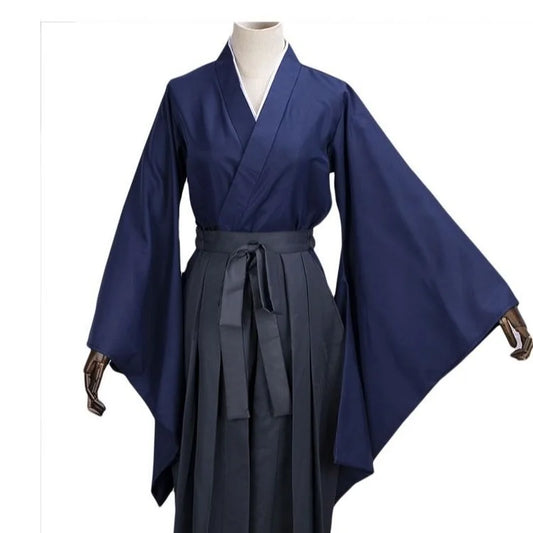
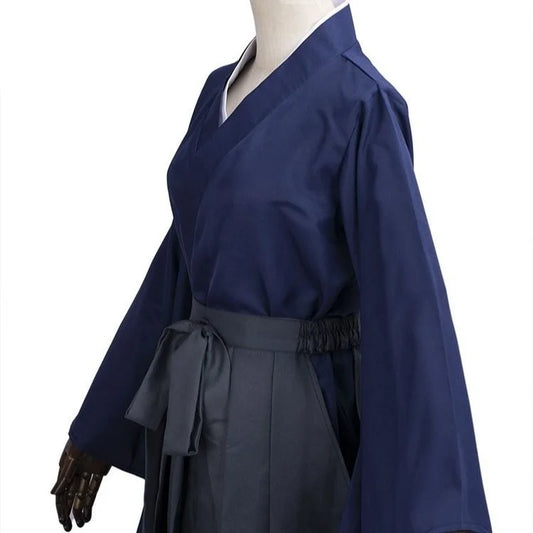
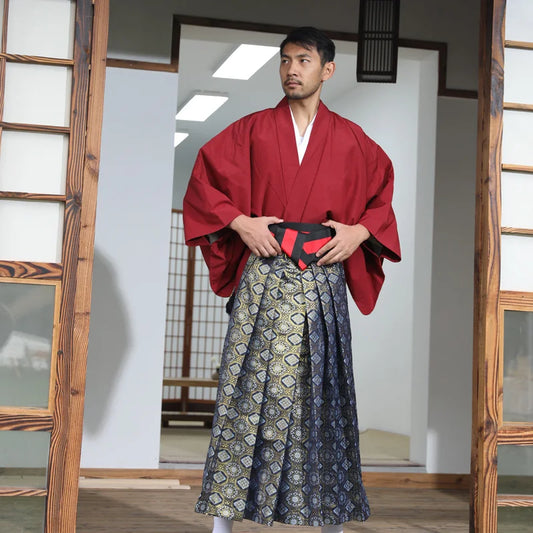
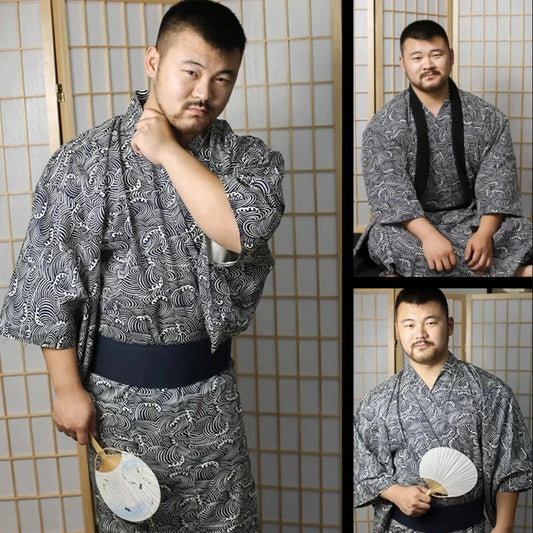
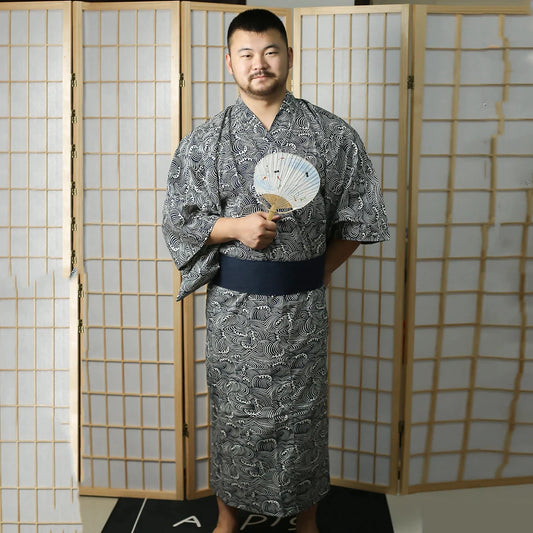
Linen and Lightweight Fabric Kimonos: Embrace Eco-Friendly Summer Styles in the United States

Modern Kimono Fashion
Linen and Lightweight Fabric Kimonos: Embrace Eco-Friendly Summer Styles in the United States
⚡ Quick Answer
Linen kimonos are ideal for summer, offering unparalleled breathability, natural cooling, and a chic, eco-friendly aesthetic. Their lightweight, absorbent fabric makes them perfect for staying comfortable and stylish in warm weather, championing sustainability while providing versatile fashion for any summer occasion across the United States.
The Irresistible Charm of Linen Kimonos for Summer
As the temperatures rise and summer beckons, our wardrobes naturally shift towards lighter, more breathable fabrics. In the bustling fashion landscape of the United States, a timeless piece is making a significant comeback for its effortless style and comfort: the kimono. But not just any kimono – we're talking about the exquisite appeal of linen kimonos for summer. Imagine a garment that drapes beautifully, feels incredibly soft against your skin, and keeps you cool even on the warmest days. That's the magic of linen.
Linen, derived from the flax plant, is celebrated for its exceptional strength and natural luster, making it a luxurious yet practical choice. When crafted into a kimono, it transforms into a versatile fashion statement, perfect for anyone seeking both elegance and ease. This article will guide you through the myriad benefits of embracing linen and other lightweight fabric kimonos, highlighting their eco-friendly credentials and offering expert tips on how to incorporate these stunning pieces into your summer style.
From a casual stroll through a farmers market in California to a chic evening gathering in New York, a linen kimono offers unparalleled adaptability. It's more than just a piece of clothing; it's an investment in sustainable fashion that champions comfort without compromising on style. Dive in to discover why a linen kimono should be your go-to summer essential.
Why Linen Reigns Supreme for Summer Comfort
When the sun is blazing and humidity is high, the fabric you choose can make all the difference between feeling refreshed and feeling stifled. Linen stands out as a champion among summer fabrics, and for good reason. Its unique fiber structure allows for maximum airflow, making it incredibly breathable. This means air can circulate freely, helping your body regulate its temperature naturally.
Beyond breathability, linen boasts impressive moisture-wicking properties. It can absorb a significant amount of perspiration without feeling damp, quickly releasing it into the air. This natural ability to manage moisture keeps you feeling dry and comfortable, a crucial factor during humid summer days in regions like the Southern United States. Unlike synthetic fabrics that trap heat and moisture, linen acts as a natural cooling system.
Furthermore, linen's relaxed drape and slightly textured feel contribute to its appeal. It doesn't cling to the body, offering a comfortable, airy fit that is both flattering and functional. This natural stiffness also means it holds its shape beautifully while still moving with you, creating an elegant silhouette whether you're relaxing at home or out for an evening. The intrinsic strength of linen also ensures your kimono will withstand countless washes and wears, softening beautifully with age to become a cherished item in your collection.

Linen Kimonos: A Statement in Eco-Friendly Fashion
In an era where conscious consumerism is more important than ever, choosing fabrics that minimize environmental impact is a powerful statement. Linen is a shining example of sustainable fashion, making linen kimonos an excellent choice for the eco-aware shopper in the United States and beyond. The flax plant, from which linen is derived, is remarkably resilient and requires significantly less water and fewer pesticides to grow compared to other natural fibers like cotton. This means a smaller ecological footprint from cultivation to harvest.
Moreover, almost every part of the flax plant can be used, leaving minimal waste. Linen production itself is less energy-intensive than many other textile manufacturing processes. Once your linen kimono has served its long and stylish life, it is also 100% biodegradable, returning naturally to the earth without contributing to landfill waste. This full lifecycle sustainability makes linen a truly circular fiber, aligning perfectly with modern values of environmental responsibility.
“True elegance isn't just about what you wear, but how it's made and how it makes you feel – inside and out.”Artisan Textile Maker
By investing in a linen kimono, you're not just acquiring a beautiful garment; you're supporting sustainable agricultural practices and reducing your personal environmental impact. It's a choice that reflects a commitment to both personal style and planetary well-being, proving that fashion can indeed be both chic and conscientious. This commitment to sustainability is what elevates linen kimonos beyond mere trendiness into a timeless staple.
Linen's Sustainable Superpowers
Linen is a renewable resource, biodegradable, requires less water and pesticides to grow, and its production process is less energy-intensive. Choosing linen means supporting a greener planet while enjoying exceptional comfort.
Styling Your Linen Kimono: From Beach to Bistro
One of the greatest attributes of the kimono for women, especially in linen, is its incredible versatility. It effortlessly transitions from a casual cover-up to a sophisticated layering piece, making it a true workhorse in your summer wardrobe. For a relaxed beach day or poolside lounging, a vibrant linen kimono can be draped over your swimsuit, offering elegant coverage and protection from the sun. Pair it with sandals and a wide-brimmed hat for an instantly chic beach kimono look.
For a casual daytime outfit, wear your linen kimono open over a simple tank top and denim shorts or capris. The flowing silhouette adds an element of relaxed sophistication to an otherwise basic ensemble. Cinch it with a belt for a more defined waistline, or let it hang loose for an airy, bohemian vibe. In the evening, elevate your look by layering a patterned or solid-colored linen kimono over a slip dress or tailored trousers and a camisole. Add some delicate jewelry and heels, and you're ready for a dinner date or a summer evening out.

Don't shy away from experimenting with different lengths and patterns. A short kimono in a bold floral print can add a pop of color and personality, while a longer, flowing style in a neutral tone offers understated elegance. Consider the texture of linen itself as part of your styling – its natural slub and subtle sheen add depth and interest to any outfit. The beauty of a linen kimono lies in its ability to adapt to your personal style and the occasion, making it a truly indispensable piece for summer fashion in the United States.
Styling Tip: Belt It Up!
To give your loose linen kimono more structure and definition, try cinching it at the waist with a stylish belt. A wide leather belt can add a bohemian touch, while a thin fabric sash (perhaps from a kimono sash collection) can create a more elegant, traditional silhouette. This simple trick instantly transforms the look, making it suitable for dressier occasions.
Beyond Linen: Exploring Other Lightweight Summer Kimono Fabrics
While linen holds a special place for its unparalleled summer comfort and eco-friendly attributes, it's worth exploring other lightweight fabrics that also shine during warmer months. These alternatives offer different textures, drapes, and price points, expanding your options for the perfect summer kimono. Cotton, particularly in its lighter weaves like gauze or voile, is another natural fiber renowned for its breathability and softness. Many traditional Japanese Yukata, designed specifically for summer festivals and casual wear, are made from cotton, offering a crisp yet comfortable feel.
Rayon, a semi-synthetic fabric derived from wood pulp, is celebrated for its silky drape and excellent breathability. It often mimics the feel of silk but at a more accessible price point, making it a popular choice for flowy, lightweight kimonos. While not as environmentally benign as organic linen or cotton, advancements in sustainable rayon production (like Tencel or Modal) are making it a more eco-conscious option. Blends incorporating linen with cotton or rayon can also offer the best of both worlds – combining linen's strength and texture with cotton's softness or rayon's fluid drape.
Understanding the characteristics of each fabric helps you choose the kimono that best suits your needs, whether it's for maximum airflow, a specific aesthetic, or ease of care. For instance, a cotton yukata might be perfect for a casual backyard barbecue, while a linen-rayon blend could offer the ideal elegance for a summer wedding guest outfit. Exploring these options ensures you find a lightweight kimono that perfectly complements your personal style and summer activities across the diverse climates of the United States.
| Fabric Type | Key Benefits for Summer Kimonos | Considerations |
|---|---|---|
| Linen | Superior breathability, moisture-wicking, eco-friendly, durable, softens with age. | Prone to wrinkling (part of its charm), can be slightly stiffer initially. |
| Cotton | Soft, highly breathable, absorbent, comfortable, widely available, often more affordable. | Can retain moisture longer than linen, may wrinkle easily depending on weave. |
| Rayon (Viscose) | Excellent drape, smooth feel, good breathability, vibrant color retention, often mimics silk. | Less durable when wet, can shrink if not cared for properly, environmental concerns for some types. |
Choosing Your Perfect Summer Kimono: A Practical Guide
Selecting the ideal summer kimono involves more than just picking a pretty pattern; it's about considering how the garment will perform and integrate into your lifestyle. First, think about the weave of the fabric. An open, looser weave will offer maximum airflow, making it perfect for the hottest days, while a slightly denser weave might provide more structure and be suitable for cooler summer evenings or air-conditioned environments. The length is another crucial factor: a short kimono provides a modern, playful feel, while a longer, flowing style offers dramatic elegance and more coverage.
Consider the occasion. Are you seeking a casual cover-up for the pool, a stylish layering piece for urban outings, or something more refined for evening events? Patterns and colors play a significant role here. Light, bright hues and floral kimono prints are quintessential for summer, evoking a sense of joy and freshness. Deeper jewel tones or classic black kimono styles can offer sophistication for dressier occasions. While we don't list specific prices, remember that quality linen and thoughtful craftsmanship represent an investment in a durable, timeless piece.
10-25
Days for tracked delivery
$80
Free shipping threshold
~30%
Less water for linen cultivation
Finally, consider the fit. Kimonos are traditionally designed for a relaxed fit, but some modern iterations might offer a slightly more tailored silhouette. Always check sizing guides, especially if shopping online. A well-chosen linen kimono will not only keep you comfortable but also elevate your summer style with its unique blend of tradition and contemporary fashion, becoming a beloved staple for many summers to come in your United States wardrobe.
Care and Longevity: Keeping Your Linen Kimono Beautiful
One of the beauties of linen is its durability and how it softens and improves with age. Proper care is key to ensuring your linen kimono remains a treasured part of your wardrobe for years. Fortunately, caring for linen is relatively straightforward. Most linen garments can be machine washed on a gentle cycle with cold or lukewarm water. Always use a mild detergent and avoid harsh bleaches, which can damage the fibers and fade colors. For delicate pieces or those with intricate embellishments, hand washing might be a safer option.
When it comes to drying, air drying is highly recommended for linen. Hang your kimono on a padded hanger or lay it flat to dry. This not only conserves energy but also helps maintain the fabric's integrity and prevents excessive shrinking. If you prefer to use a dryer, opt for a low heat setting and remove the kimono while it's still slightly damp to minimize wrinkles and prevent over-drying. Linen naturally has a beautiful, lived-in crinkle, which many find charming, but if you prefer a crisper look, iron your kimono while it's still damp using a medium-hot iron.

Storing your linen kimono properly will also contribute to its longevity. Ensure it's clean and completely dry before storing to prevent mildew. Hang it in a cool, dry place away from direct sunlight, which can cause fading. With just a little care, your linen kimono will not only last but also develop a unique character and softness that only comes with time and love, embodying true sustainable fashion that resists the fast-fashion cycle prevalent in many parts of the United States.
Embrace the Wrinkles!
Linen's natural tendency to wrinkle is part of its charm and adds to its relaxed, elegant appeal. Instead of fighting it, embrace the subtle creases that form as you wear it. They tell a story and give your kimono a unique, organic texture that cannot be replicated by perfectly smooth fabrics.
The Cultural Echoes: Summer Kimonos in Japanese Tradition
While modern linen kimonos are adapted for contemporary fashion and comfort in the United States, they carry echoes of a rich cultural heritage. In Japan, the Yukata is the traditional summer kimono, specifically designed to be lightweight and breathable for hot and humid weather. Made typically from cotton, yukata are worn for summer festivals, fireworks displays, and relaxing at ryokans (traditional inns). They are a symbol of summer, embodying elegance, comfort, and a connection to nature.
The design principles of the yukata – its relaxed fit, wide sleeves, and open front – are what make it so adaptable to modern interpretations, including those crafted from linen. These elements allow for maximum airflow and ease of movement, making them ideal for any summer activity. When you wear a linen kimono, you're not just choosing a stylish garment; you're also appreciating a design philosophy that values comfort, beauty, and harmony with the seasons, a philosophy that has been perfected over centuries in Japan.
This cultural resonance adds another layer of depth to your linen kimono. It's a garment that bridges worlds – ancient tradition and modern sustainability, Eastern aesthetics and Western wearability. Whether you opt for a vibrant floral kimono reminiscent of Japanese summer prints or a minimalist solid-colored linen piece, you're participating in a fashion dialogue that celebrates both heritage and innovation. This connection to a broader cultural narrative enriches the experience of wearing a lightweight summer kimono, making it even more special for individuals in the United States.
Discover Your Perfect Summer Kimono
Ready to embrace sustainable style and unparalleled comfort this summer? Explore our curated collection of lightweight kimonos and Japanese yukata.
Shop Summer Styles →Frequently Asked Questions
Absolutely! Linen is renowned for its exceptional breathability and moisture-wicking properties, making it one of the best fabrics for hot and humid climates like those found in many parts of the United States. Its natural fibers allow air to circulate freely, preventing heat buildup and keeping you feeling cool and dry. Unlike synthetic materials that can trap sweat, linen absorbs moisture effectively and releases it quickly, ensuring maximum comfort even on the warmest summer days.
Caring for your linen kimono is simple and crucial for its durability. Most linen kimonos can be machine washed on a gentle cycle with cold water using a mild detergent. Avoid harsh chemicals like bleach. For drying, air drying is highly recommended; hang it on a hanger or lay it flat to prevent shrinking and maintain the fabric's integrity. If you prefer to iron, do so while the kimono is still slightly damp for best results. Proper care allows linen to soften and become even more beautiful over time.
Linen is celebrated as an eco-friendly fabric due to its sustainable origins. It's derived from the flax plant, which requires significantly less water and fewer pesticides to grow compared to other common textile crops. The flax plant is also highly versatile, with almost every part of it being used, leading to minimal waste. Furthermore, linen is a durable material, meaning your kimono will last longer, reducing the need for frequent replacements. At the end of its life, linen is 100% biodegradable, making it a truly sustainable choice for conscious consumers in the United States.
Absolutely! While linen kimonos exude a relaxed elegance, they are incredibly versatile and can certainly be dressed up for formal summer events. Opt for a kimono in a sophisticated solid color or a subtle print. Pair it over a sleek slip dress or tailored wide-leg trousers and a silk camisole. Cinch it at the waist with a chic belt to create a more defined silhouette. Add elegant accessories like statement jewelry, high heels, and a clutch. The natural drape and luxurious texture of linen lend themselves beautifully to refined styling, making it perfect for summer weddings or upscale garden parties across the United States.
For customers within the United States, our standard tracked delivery typically takes between 10 to 25 business days. We strive to process and dispatch orders as efficiently as possible, ensuring your beautiful kimono reaches you in a timely manner. We offer free shipping on all orders over $80, making it easier to receive your eco-friendly summer styles without additional cost. Please note that exact delivery times can vary slightly depending on your specific location and current shipping volumes, but we always provide tracking information for your peace of mind.
A linen kimono and a traditional Japanese Yukata both excel as summer wear, but they differ primarily in fabric and context. Yukata are typically made from cotton, designed specifically for casual summer occasions like festivals and bathhouses in Japan. They are unlined and focus on breathability. A linen kimono, while sharing the lightweight, breathable qualities, offers a modern interpretation with the added benefits of linen's unique texture, durability, and eco-friendly attributes. While a yukata is culturally specific, a linen kimono often blends this traditional form with contemporary fashion sensibilities for broader wearability in the United States and globally, offering a softer drape and luxurious feel.
Tags:
Previous
Kimono Festivals & Events in the US: Where to Celebrate Japanese Culture
Next
Kimono Color Guide: Choosing the Right Shade for Your Skin Tone