Kimono Festivals & Events in the US: Where to Celebrate Japanese Culture
NOUVEAU SILO: Kimono Events & Community
Kimono Festivals & Events in the US: Where to Celebrate Japanese Culture
⚡ Réponse rapide
Across the United States, numerous festivals and events celebrate Japanese culture, offering unique opportunities to experience the beauty of kimonos. From iconic Cherry Blossom festivals to dedicated Japan Matsuri, pop culture conventions, and museum exhibitions, these gatherings provide vibrant platforms to wear, admire, and learn about traditional and modern Japanese attire.
The Enduring Charm of Kimono Culture in the US
The kimono, an iconic symbol of Japanese heritage, has woven its way into the cultural fabric of the United States, captivating hearts with its intricate beauty and profound historical significance. Far from being confined to Japan, the appreciation for this traditional garment has blossomed across American cities, leading to a vibrant calendar of festivals and events where Japanese culture is celebrated with enthusiasm and authenticity. These gatherings are more than just spectacles; they are living bridges connecting diverse communities, fostering understanding, and allowing enthusiasts to immerse themselves in the elegance of Japan.
For many, the allure of the kimono lies not just in its visual splendor but in the story it tells—a narrative of craftsmanship, seasonality, and personal expression. From the vibrant patterns of a summer Yukata worn at an outdoor festival to the sophisticated silks of a formal Traditional Kimono donned for a special occasion, each garment is a work of art. The growing interest in these events reflects a broader trend: a deep admiration for Japanese aesthetics, philosophy, and the meticulous attention to detail embedded in every aspect of its culture. Whether you're a seasoned kimono enthusiast or a curious newcomer, the US offers a myriad of opportunities to engage with this beautiful tradition.
These festivals and events serve as vital platforms for cultural exchange, bringing together Japanese expatriates, Japanese-Americans, and a diverse American public eager to explore and participate. They range from large-scale, city-wide celebrations attracting hundreds of thousands, to intimate local workshops focusing on specific aspects of kimono wearing or design. The common thread among them all is a shared passion for preserving and promoting Japanese artistry. Understanding where and how these celebrations unfold is key to unlocking a deeper appreciation for the kimono and its place in contemporary American society.
Cherry Blossom Festivals: A Springtime Spectacle
Spring in the United States heralds the arrival of the breathtaking cherry blossoms, a fleeting yet magnificent spectacle that symbolizes renewal and the delicate beauty of life. These blossoms, often gifted from Japan, have inspired some of the most popular and visually stunning Japanese cultural festivals across the nation. The National Cherry Blossom Festival in Washington D.C., for instance, is a prime example, attracting over a million visitors annually. While the exact dates vary with nature's bloom, the festival typically spans several weeks in late March and early April, transforming the capital into a sea of pink and white.
At these festivals, the kimono takes center stage, with many attendees choosing to wear traditional attire to enhance their experience and honor the cultural significance of the blossoms. Imagine strolling beneath a canopy of sakura, adorned in a beautifully patterned kimono, participating in cultural performances, enjoying Japanese street food, or simply capturing stunning photographs. Cities like Seattle, San Francisco, and New York City also host significant Cherry Blossom celebrations, each featuring unique programming that often includes traditional music, dance, martial arts demonstrations, and craft fairs. These events are perfect opportunities to wear a light, floral-patterned kimono or a comfortable Yukata Women, ideal for springtime outdoor enjoyment.
Tip for Cherry Blossom Festivals
When selecting a kimono for an outdoor springtime event, opt for lighter fabrics like cotton or linen, often found in Yukata. Floral patterns, especially cherry blossoms, are highly appropriate and add to the festive atmosphere. Remember to check the weather and bring a light Kimono Cardigan or shawl if evenings might be cool. Comfortable footwear, like traditional geta or zori, is essential for walking.
Beyond the visual appeal, Cherry Blossom Festivals often serve as educational hubs, offering workshops on Japanese arts such as origami, calligraphy, and even basic kimono dressing. Local Japanese cultural centers and community groups play a crucial role in organizing these activities, ensuring that visitors gain a deeper understanding of the traditions behind the beauty. The experience of wearing a kimono amidst the blossoms is profoundly immersive, allowing individuals to connect with centuries of Japanese aesthetic and cultural practice in a truly memorable way.
Japan Matsuri & Cultural Fairs: A Deep Dive into Tradition
Beyond the seasonal spectacle of cherry blossoms, numerous Japan Matsuri (festivals) and broader cultural fairs dedicated solely to Japanese heritage are held throughout the year across the US. These events are often more comprehensive in their cultural offerings, showcasing a wider array of traditional arts, crafts, and performances. Major cities like Los Angeles, Houston, Chicago, and Boston frequently host such festivals, drawing large crowds eager to explore the diverse facets of Japanese culture.
At a typical Japan Matsuri, you can expect to find a bustling marketplace filled with authentic Japanese food stalls, offering everything from takoyaki to ramen. Stages often feature continuous performances of traditional music, such as koto and taiko drumming, classical dance, and martial arts demonstrations like kendo and judo. Workshops on subjects ranging from ikebana (flower arrangement) to tea ceremony etiquette are common, providing hands-on opportunities for engagement. These fairs are excellent places to see a wide variety of kimonos, from intricate formal wear to more casual, everyday styles, and even historical reproductions.
80+
Free Shipping Threshold (USD)
10-25
Standard Delivery (Business Days)
Thousands
Happy Customers Annually
For kimono enthusiasts, these events are a goldmine. Many festivals feature kimono dressing demonstrations, allowing visitors to learn the intricate steps involved in properly wearing these garments. Some even offer kimono rental services or have vendors specializing in Japanese Kimono, obi, and accessories. It's not uncommon to see groups of friends and families attending in matching or coordinated kimonos, adding to the vibrant atmosphere. The deep cultural immersion offered by these Matsuri makes them essential destinations for anyone wishing to experience the heart of Japan in America.
These cultural fairs are often organized by local Japanese American community centers, consulates, and cultural organizations, ensuring a high level of authenticity and community involvement. They are designed to be family-friendly, offering activities for all ages, from children's games to artisan craft booths. Attending a Japan Matsuri provides an unparalleled opportunity to engage directly with living traditions, fostering a deeper understanding and appreciation for the rich tapestry of Japanese heritage. It's a chance to not only witness but to participate in the celebration of a culture that continues to inspire and enchant worldwide.
Anime, Manga & Pop Culture Conventions: Modern Kimono Expression
While traditional festivals celebrate historical aspects of Japanese culture, anime, manga, and broader Japanese pop culture conventions offer a fascinating contemporary lens through which to view the evolution and adaptation of the kimono. Events like Anime Expo in Los Angeles, Otakon in Washington D.C., and numerous smaller cons across the country draw hundreds of thousands of fans who showcase their creativity through cosplay, including innovative takes on traditional Japanese attire. Here, the kimono transforms from a purely historical garment into a dynamic canvas for modern expression.
At these conventions, you'll witness an incredible diversity of kimono styles. While some cosplayers opt for historically accurate reproductions of characters' kimonos, many others put a modern twist on the garment, incorporating elements of streetwear, fantasy, or even punk rock. You might see a Kimono Dragon design reimagined for a gaming character, or a traditional pattern paired with bold, contemporary accessories. This fusion of old and new highlights the kimono's enduring versatility and its ability to inspire new generations of designers and enthusiasts.
“The kimono is not just fabric; it's a conversation across generations, a canvas where tradition meets personal spirit. Each fold, each pattern, tells a story waiting to be worn and shared.”Master Kimono Artisan (Generic Advice)
These events are not just about visual spectacle; they are vibrant communities where fans gather to celebrate their shared passions. Panels, workshops, and artist alleys often delve into the cultural origins of anime and manga, sometimes touching upon the historical significance of kimonos and yukata. For those interested in acquiring a more contemporary or stylized kimono, many vendors at these conventions offer unique designs that blend traditional aesthetics with modern sensibilities, perfect for those exploring a Streetwear Kimono look.
Embracing the kimono at an anime convention is a statement of cultural appreciation and personal style. It's an opportunity to experiment with different forms of self-expression, whether through a subtle nod to a favorite character or a bold, original design. These conventions demonstrate that the kimono is far from a relic of the past; it is a living, evolving art form that continues to captivate and inspire, finding new relevance in unexpected cultural landscapes and proving its timeless appeal across diverse audiences and creative interpretations.
Museum Exhibitions & Educational Workshops: Understanding Kimono Artistry
Beyond the festive atmosphere, many cultural institutions across the US offer a deeper, more academic exploration of the kimono through museum exhibitions and educational workshops. These settings provide invaluable opportunities to understand the historical context, intricate craftsmanship, and evolving artistry of these garments. Major art museums, ethnographic collections, and even university galleries frequently host exhibitions dedicated to Japanese textiles, fashion, and specifically, the kimono.
Institutions such as the Metropolitan Museum of Art in New York, the Museum of Fine Arts Boston, and the Los Angeles County Museum of Art (LACMA) have housed significant collections of Japanese art, including stunning kimonos that span centuries. These exhibitions often delve into the techniques of dyeing, weaving, and embroidery, showcasing the incredible skill and artistry involved in their creation. Visitors can learn about different types of kimonos, their social significance, and how they reflect the changing tastes and technologies of various historical periods. It's a chance to see rare and priceless pieces, providing a profound appreciation for the kimono as a high art form.
Complementing these exhibitions are workshops and lectures that offer hands-on learning and expert insights. These might include demonstrations on how to properly wear a kimono, discussions on the symbolism of various patterns, or even beginner courses on Japanese textile arts. Such educational programs are crucial for anyone seeking to move beyond mere admiration to a genuine understanding of the kimono's cultural depth. They are often led by kimono experts, curators, or Japanese cultural practitioners, providing authentic and detailed knowledge.
Dive Deeper into Kimono History
Look for museum exhibition catalogs or academic resources if you can't attend in person. Many institutions digitize their collections and provide online access to scholarly articles about Japanese textiles. This allows for a deeper understanding of the craftsmanship, historical context, and cultural significance of various Silk Kimono and other traditional garments, enriching your appreciation for their artistry.
Participating in these educational opportunities enriches the overall experience of engaging with kimono culture. It transforms a beautiful garment into a living piece of history, connecting the wearer or admirer to a lineage of artisans and traditions. For those passionate about authenticity and cultural fidelity, these museum and workshop experiences are indispensable, offering a bridge to the profound stories and skilled hands that have shaped the kimono into the timeless icon it remains today. They underscore the fact that the kimono is not just fashion, but a profound cultural artifact.
Dressing for the Occasion: Your Guide to Kimono Etiquette
Attending a Japanese festival or cultural event in a kimono is a wonderful way to show respect and immerse yourself in the experience. However, understanding the nuances of kimono etiquette can significantly enhance your comfort and confidence. Choosing the right type of kimono for the occasion is the first step. For casual outdoor events like Cherry Blossom Festivals or summer Matsuri, a Yukata is generally the most appropriate choice. Made of lighter cotton, it's easier to wear and more comfortable in warmer weather. For more formal occasions, indoor events, or if you wish to make a stronger traditional statement, a full Japanese Kimono with an elaborate Kimono Sash (obi) would be suitable.
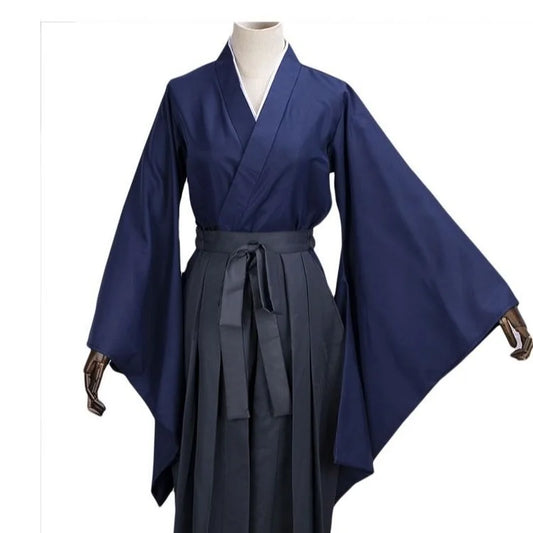
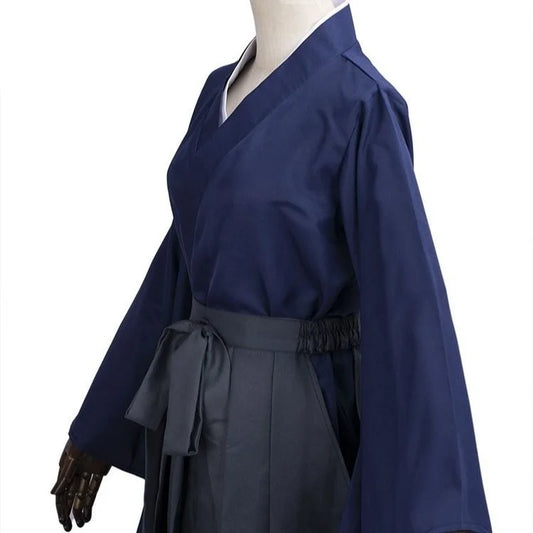
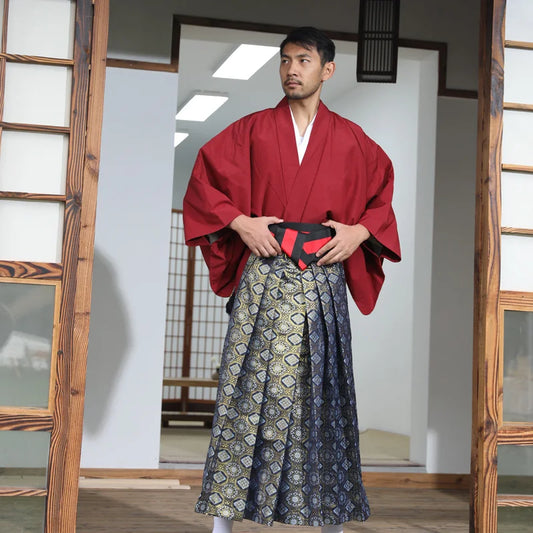
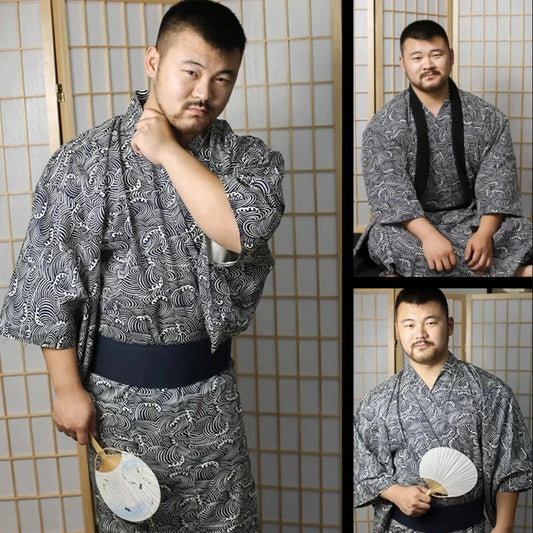
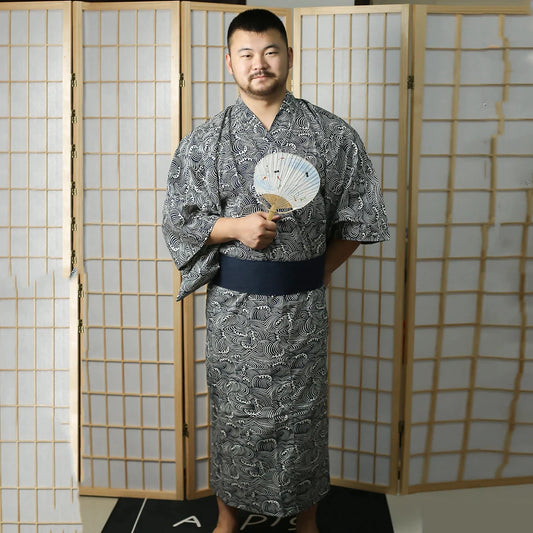
Proper wearing is key. The fundamental rule for wearing a kimono or yukata is to wrap the left side over the right side. Wrapping the right over the left is traditionally reserved for burial, so it's a crucial detail to get right. Ensure the collar is neat and the overall drape is smooth. While perfect traditional dressing can be complex, especially with a full kimono and obi, a well-wrapped yukata shows respect. For men, a Men's Kimono or Male Yukata typically features simpler patterns and a more subdued obi, focusing on dignity and comfort.
- Choose Appropriately: Yukata for casual summer events; Kimono for more formal cultural festivals or indoor exhibits.
- Left Over Right: Always wrap the left panel of the kimono over the right panel.
- Obi Placement: Ensure your obi (sash) is tied securely and positioned correctly, usually around the waist.
- Footwear: Traditional geta (wooden sandals) or zori (flat sandals) are ideal, but comfortable, flat shoes are acceptable if you're not used to traditional footwear.
- Hair & Accessories: Simple updos or elegant hair ornaments (kanzashi) for women, minimal accessories for men.
- Movement: Take smaller steps, avoid overly wide arm movements, and maintain a graceful posture.
- Respectful Interaction: When interacting with performers or cultural practitioners, remember to bow slightly as a sign of respect.
Accessories also play a vital role. For women, hair ornaments (kanzashi), a traditional bag, and appropriate footwear like geta or zori complete the ensemble. For men, a simple fan or a traditional drawstring bag might be carried. Comfort is paramount, especially if you plan to spend hours exploring a festival. Practice walking in your chosen footwear beforehand. Remember, while embracing tradition, your comfort and ability to enjoy the event should always be a priority. Dressing respectfully is a beautiful way to honor the culture you are celebrating, and by following these guidelines, you'll feel confident and look appropriate at any Japanese cultural event.
Beyond the Festival: Embracing Kimono in Everyday Life
The allure of the kimono doesn't have to be limited to annual festivals and special events. Its versatility and timeless elegance mean it can seamlessly integrate into various aspects of contemporary life, allowing you to carry a piece of Japanese culture with you every day. From stylish outerwear to luxurious loungewear, the kimono's adaptable nature makes it a cherished garment for a multitude of purposes, extending its celebration far beyond the confines of a cultural fair.
For many, the kimono serves as a sophisticated fashion statement. A Kimono Jacket or Kimono Cardigan can elevate a simple outfit, adding a touch of exotic elegance to casual wear. These modern interpretations often feature contemporary fabrics, shorter lengths, or unique patterns, making them accessible and fashionable for everyday use. You might wear a Floral Kimono over jeans and a t-shirt for a chic, relaxed look, or a Black Kimono as a sleek cover-up for an evening out. The adaptability of these pieces allows for personal expression while still nodding to traditional aesthetics.
The Enduring Value of a Quality Kimono
Investing in a well-made kimono, whether traditional or modern, offers lasting value. Beyond its aesthetic appeal, it connects you to a rich cultural heritage, promotes mindful dressing, and can be a versatile addition to your wardrobe. With proper care, a quality kimono from our Kimonos for Women or Men's Kimono collection can be a cherished item for years, perhaps even a family heirloom.
Beyond fashion, kimonos also excel as luxurious and comfortable loungewear. A soft Kimono Bathrobe or a Silk Kimono provides an unparalleled sense of comfort and elegance for relaxing at home. The breathable fabrics and flowing silhouettes are perfect for unwinding after a long day, adding a touch of sophistication to your personal space. This allows for a private, intimate celebration of kimono culture, transforming everyday routines into moments of indulgence and connection with an ancient tradition.
Ultimately, embracing the kimono in everyday life is about finding personal resonance with its beauty and history. Whether you incorporate a modern kimono into your daily wardrobe, enjoy the comfort of a kimono robe at home, or actively seek out local Japanese cultural communities, the journey with the kimono is one of continuous discovery and appreciation. It’s a testament to the garment's enduring appeal that it continues to inspire and adapt, proving that its elegance is truly timeless and universally cherished. Explore our full range of Kimono to find the perfect piece for your personal style and journey.
Ready to Embrace Kimono Culture?
Discover our exquisite collection of authentic and modern kimonos, perfect for festivals, events, or everyday elegance. Find your unique style and celebrate Japanese heritage with us.
Voir la collection →FAQ
The most popular kimono-centric events in the US are often integrated within larger Japanese cultural celebrations. Cherry Blossom Festivals in cities like Washington D.C., Seattle, and San Francisco are prime examples, where many attendees wear kimonos. Major Japan Matsuri (Japanese cultural festivals) in cities like Los Angeles, Houston, and Chicago also feature extensive kimono displays, workshops, and opportunities to wear traditional attire. Additionally, anime and pop culture conventions frequently showcase modern interpretations of kimonos through cosplay, drawing large, enthusiastic crowds.
While wearing an authentic Japanese kimono or yukata is highly encouraged and appreciated at cultural events, it is certainly not a strict requirement. Many attendees choose to wear modern kimono-style jackets, cardigans, or even regular clothing. The most important aspect is to show respect for the culture being celebrated. If you wish to wear a kimono, a comfortable Yukata is an excellent starting point for beginners, especially for outdoor summer events. Many festivals also offer rental services or have vendors selling accessible options.
The main difference lies in formality, fabric, and seasonality. A Yukata is a casual, unlined cotton garment, traditionally worn in summer or as a bathrobe. It's lighter, easier to wear, and perfect for warm-weather festivals. A Japanese Kimono is more formal, typically made of silk or synthetic fibers, often lined, and worn for more significant occasions throughout the year. For most general public festivals in the US, especially outdoor ones, a yukata is the more comfortable and appropriate choice, while a full kimono is reserved for more specific, often indoor, cultural demonstrations or highly formal events.
Yes, there are a few key etiquette rules to observe. The most crucial is to always wrap the left side of the kimono over the right side. The opposite is traditionally reserved for dressing the deceased. Ensure your obi (sash) is tied neatly and your collar sits properly. Walk with smaller, graceful steps and avoid overly expansive arm movements, as the kimono is designed to encourage elegant posture. While perfect traditional dressing can be complex, showing an effort to wear it respectfully demonstrates your appreciation for Japanese culture.
Our online store offers a wide selection of kimonos and yukata perfect for various Japanese festivals and events in the US. We provide both Traditional Kimono and more modern, versatile styles like Kimono Cardigan and Streetwear Kimono. You can explore options for Kimonos for Women, Men's Kimono, and even Children's Kimono. Buying from a reputable online retailer ensures access to quality garments and a broad selection that might not be available locally. Consider the event's formality and your comfort when making your choice.
Absolutely! The kimono's versatility extends far beyond festivals. Many modern interpretations, such as Kimono Jacket or Kimono Dress, are popular fashion items for everyday wear, adding a unique and elegant touch to outfits. A Kimono Bathrobe made from soft fabrics like silk or cotton is also a luxurious choice for loungewear at home. Incorporating kimono-inspired pieces into your daily wardrobe is a wonderful way to express personal style while celebrating the garment's timeless beauty and cultural heritage.
Tags:
Previous
Where to Buy Authentic Kimonos in the US: Your Ultimate Online & In-Store Guide
Next
Linen and Lightweight Fabric Kimonos: Embrace Eco-Friendly Summer Styles in the United States