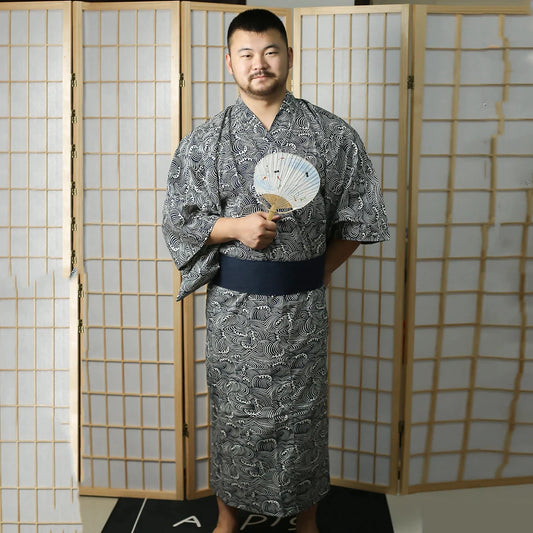
Where to Buy Authentic Kimonos in the US: Your Ultimate Online & In-Store Guide

NOUVEAU SILO: Kimono Shopping & Care
Where to Buy Authentic Kimonos in the US: Your Ultimate Online & In-Store Guide
⚡ Réponse rapide
To buy authentic kimonos in the US, explore specialized online retailers, Japanese cultural centers, and dedicated import stores. Key factors include verifying fabric, craftsmanship, and seller reputation. Online platforms offer convenience and broader selection, while in-store experiences provide tactile appreciation and expert advice for a truly genuine purchase.
The Allure of Authentic Kimonos in the Modern US
The timeless elegance and profound cultural significance of the Japanese kimono have captivated hearts worldwide for centuries. In the United States, a growing appreciation for traditional Japanese artistry has sparked a vibrant demand for authentic kimonos, moving beyond mere costume to cherished garment. Whether you're a seasoned collector, a cultural enthusiast, or simply seeking a unique piece of wearable art, finding a truly authentic kimono can be a deeply rewarding journey. These garments are more than just clothing; they are a narrative woven in silk, cotton, or linen, reflecting Japan's rich history, seasonal beauty, and intricate craftsmanship.
From the formal grandeur of a wedding furisode to the casual comfort of a summer yukata, each kimono tells a story. The desire for authenticity stems from a recognition of this heritage—the meticulous hand-stitching, the symbolic patterns, and the quality of materials that define a genuine piece. As interest in Japanese culture continues to flourish across American cities and digital spaces, understanding where to source these treasures becomes paramount. This comprehensive guide is designed to navigate the diverse landscape of kimono shopping in the US, empowering you to make an informed and confident purchase that honors tradition.
We understand that for many, the term "kimono" might conjure images of simple robes. However, the world of Japanese kimonos is incredibly diverse, encompassing a wide array of styles, purposes, and levels of formality. From the elaborately embroidered Wedding Kimonos to the practical Kimono Bathrobes, and even modern interpretations like the Streetwear Kimono, the spectrum is vast. Our focus here, however, remains on helping you identify and acquire garments that truly embody the spirit of traditional Japanese craftsmanship, whether they are heirlooms or newly made pieces adhering to authentic methods.
Understanding Kimono Authenticity: What to Look For
Before embarking on your shopping quest, it's crucial to understand what defines an authentic kimono. Authenticity isn't just about origin; it's about the materials, construction, and design principles that have been refined over generations. A true Japanese kimono is characterized by its distinct T-shape, straight seams, and the way it wraps around the body. Key indicators of authenticity include the fabric – traditionally silk for formal wear, cotton for casual yukata, and sometimes linen or wool. The quality of the fabric, its drape, and the richness of its dyes are often immediate giveaways.
Beyond material, examine the craftsmanship. Authentic kimonos, especially vintage or high-end pieces, often feature hand-stitching, intricate embroidery, or specialized dyeing techniques like Yuzen. Look for consistent seams, carefully matched patterns across panels, and the absence of shortcuts in construction. The patterns themselves are deeply symbolic, often depicting elements of nature, seasons, or auspicious motifs. A genuine kimono pattern will typically feel cohesive and intentional, rather than mass-produced. Be wary of overly simplistic designs or synthetic fabrics marketed as "authentic" without further context.
Understanding different kimono types also aids in verifying authenticity. A Yukata, for instance, is a casual, unlined cotton kimono typically worn in summer or for festivals, making it a popular and accessible entry point. In contrast, a Furisode, with its long, flowing sleeves, is a highly formal garment for unmarried women, often featuring elaborate designs and made from exquisite silk. A Haori Jacket is a short, jacket-like kimono worn over a longer kimono. Knowing these distinctions helps you assess if what's being sold aligns with traditional forms and purposes. Always prioritize sellers who can clearly articulate the garment's history, material, and origin.
Tip for Spotting Quality
When examining a kimono, pay close attention to the fabric's feel and sheen. Genuine silk will have a soft, luxurious drape and a subtle luster that synthetic materials often lack. For cotton, look for a tight weave and vibrant, colorfast dyes. Hand-stitched areas, especially around collars and hems, are a strong indicator of traditional craftsmanship and higher quality.
Top Online Destinations for Authentic Kimonos
The digital age has revolutionized access to global markets, making it easier than ever to find authentic kimonos from the comfort of your home in the US. Online retailers often boast a broader selection than brick-and-mortar stores, ranging from newly made pieces by contemporary Japanese artisans to exquisite vintage finds. When searching online, prioritize websites that specialize exclusively in Japanese textiles or cultural items. These platforms typically have curators with deep knowledge of kimonos, ensuring the authenticity and quality of their offerings.
Look for stores that provide detailed product descriptions, including information about the kimono's material (e.g., Silk Kimono), origin, approximate age (for vintage pieces), and any unique features or historical context. High-resolution images from multiple angles are essential, allowing you to scrutinize patterns, colors, and condition. Reputable online sellers will also have clear return policies and readily available customer service to address any questions about authenticity or sizing. Always check customer reviews and testimonials to gauge a seller's reliability and product satisfaction.
While direct-from-Japan sellers are an option, many US-based online boutiques cater specifically to the American market, often streamlining shipping and customs processes. Some even offer virtual consultations to help you choose the perfect kimono for your needs, whether it's a formal piece or a more casual Yukata for everyday wear. These curated online experiences bridge the geographical gap, bringing the beauty of authentic Japanese kimonos directly to your doorstep with confidence. Remember, a trusted online vendor is often transparent about their sourcing and commitment to genuine products.

10-25
Business Days Shipping
$80+
Free Shipping Threshold
90%
Customer Satisfaction Rate (Estimated)
Finding Traditional Japanese Kimono Stores in the US
For those who prefer a tactile shopping experience, visiting a physical store offers an invaluable opportunity to see, touch, and even try on kimonos before purchasing. Traditional Japanese kimono stores in the US are often concentrated in areas with significant Japanese-American communities, such as Los Angeles (Little Tokyo), San Francisco (Japantown), New York City, and Honolulu. These stores are more than just retail spaces; they are cultural hubs where you can learn directly from knowledgeable staff, often Japanese natives or experts, who can share insights into the kimono's history, proper wear, and care.
These specialized boutiques often carry a meticulously curated selection of kimonos, from everyday cotton garments to exquisite silk pieces. The advantage of in-store shopping lies in the ability to physically inspect the fabric, appreciate the intricate details of embroidery or dyeing, and gauge the garment's true colors and drape under natural light. Furthermore, expert staff can provide personalized fitting advice, explain the nuances of different kimono types, and even demonstrate how to tie an obi (sash), which is a complex art in itself. This direct interaction enhances the buying experience, ensuring you leave with a kimono that fits perfectly and is truly authentic.
Beyond dedicated kimono shops, look for larger Japanese department stores or cultural centers that may have a textile section. These venues sometimes host special events, exhibitions, or pop-up sales featuring kimonos directly from Japan or from local collectors. Engaging with the community, attending Japanese festivals, or visiting museums with textile collections can also reveal hidden gems and connect you with local experts or sellers. The personal connection and immediate gratification of taking home a kimono you've personally selected cannot be replicated by online shopping alone, making the in-store experience a cherished part of the journey for many enthusiasts.
Specialty Boutiques & Vintage Finds
Beyond the mainstream online and traditional brick-and-mortar stores, a world of unique kimono finds awaits in specialty boutiques and vintage shops across the US. These establishments often specialize in curated collections, offering pieces that tell a distinctive story. Boutique owners frequently travel to Japan to hand-pick their inventory, bringing back one-of-a-kind kimonos that are rare and historically significant. You might discover beautifully preserved antique kimonos, unique regional styles, or pieces from lesser-known artisans. These shops are ideal for those seeking something truly special and exclusive, often providing a more personalized shopping experience.
Vintage markets and antique stores, particularly those with a focus on Asian textiles or clothing, can also be treasure troves for authentic kimonos. While the selection might be more eclectic and require a keen eye, the thrill of discovering a well-preserved, historically rich kimono at a surprising value is unparalleled. When exploring vintage options, it’s crucial to inspect the garment carefully for any damage, fading, or wear that might affect its longevity or aesthetic appeal. A knowledgeable seller will be transparent about the kimono's condition, age, and any necessary restoration. Don't be afraid to ask detailed questions about its provenance.
Online marketplaces like Etsy, while sometimes a mixed bag, can also connect you with individual sellers and small businesses specializing in vintage Japanese textiles. Many of these sellers are passionate collectors who meticulously restore and document their kimonos. Always review seller ratings, read product descriptions thoroughly, and communicate directly with the seller if you have questions about the authenticity or condition. Whether it's a vibrant Floral Kimono from the Showa era or a simple, elegant Short Kimono from a bygone decade, these specialty avenues offer an exciting path to owning a piece of genuine Japanese history.

Beware of Mislabeling
Some retailers may market robes or garments with Japanese-inspired prints as "kimonos" when they do not adhere to traditional Japanese construction or materials. Always verify the seller's claim of authenticity, especially if the price seems unusually low for what is described as a genuine piece. Look for details on fabric, origin, and traditional styling to avoid mislabeled items.
Navigating Prices and Budgeting for Your Kimono
The price of an authentic kimono can vary dramatically, ranging from under a hundred dollars for a basic yukata to thousands for a formal, hand-embroidered silk masterpiece. Understanding what influences these prices is key to budgeting effectively and ensuring you're getting fair value. The primary factors include the type of kimono, its material, the craftsmanship involved, its age (for vintage pieces), and its condition. A simple cotton yukata, perfect for summer festivals or casual home wear, will naturally be far less expensive than a formal silk furisode intended for weddings or coming-of-age ceremonies.
Silk kimonos, especially those with intricate dyeing (like Yuzen) or elaborate embroidery, represent the higher end of the spectrum due to the cost of raw materials and the labor-intensive artistic processes. Vintage kimonos can also command high prices, particularly if they are in excellent condition, rare, or associated with a significant historical period or artisan. However, many beautiful, authentic vintage kimonos are available at more accessible price points, offering an eco-friendly and historically rich option. Always factor in the cost of an obi (sash) and other accessories like zori sandals and tabi socks, as these are often sold separately and are essential for proper wear.
When budgeting, consider your intended use for the kimono. Are you looking for a display piece, a special occasion garment, or something for casual wear? This will help you narrow down the type and material, thereby guiding your price expectations. Don't be afraid to compare prices across different reputable sellers, both online and in-store. While a higher price often correlates with higher quality and authenticity, it's possible to find exceptional value if you're patient and do your research. Remember, an authentic kimono is an investment in art and culture, and its value extends far beyond its monetary cost.
Essential Tips for Buying Your First Authentic Kimono
Purchasing your first authentic kimono is an exciting milestone, but it can also feel daunting given the nuances of traditional Japanese garments. Here are some expert tips to guide you. Firstly, know your measurements. While kimonos are generally designed to fit a range of body types due to their wrap-around style, key measurements like height, sleeve length (yuki), and overall length (mitake) are crucial for an optimal fit. Reputable sellers will provide these dimensions, and understanding how they relate to your body will prevent disappointment. Remember, kimonos are typically longer than you think, as they are meant to be folded and tucked (ohashori) at the waist.
Secondly, consider the occasion and season. A heavy silk kimono is unsuitable for summer, just as a light cotton yukata might be out of place at a formal event. If you're starting, a versatile Japanese Yukata is often recommended due to its comfort and ease of wear in various casual settings. For a more formal but still accessible option, a Komon (everyday patterned kimono) or even a stylish Haori Jacket can be a great addition to your wardrobe. Think about where and when you envision wearing your kimono to ensure it's a practical and cherished purchase.
Finally, don't overlook the importance of accessories. An obi is paramount for wearing a kimono correctly, and its style, material, and tying method can significantly alter the overall look. Other accessories include zori (sandals), tabi (split-toe socks), and various undergarments. Some sellers offer complete sets, which can be a convenient option for first-time buyers. Investing in a good quality obi and essential accessories will ensure you can wear your kimono authentically and comfortably. Seek advice from sellers on how to properly wear and care for your chosen pieces.
“A kimono is not merely fabric; it is a canvas of culture, each thread a whisper of tradition. Choose with your heart, and wear it with respect for the artistry it embodies.”Traditional Japanese Artisan
Beyond the Purchase: Kimono Care and Preservation
Acquiring an authentic kimono is just the beginning; proper care and preservation are essential to maintain its beauty and longevity for generations. The care instructions will largely depend on the kimono's material. Silk kimonos, especially vintage or intricately embellished ones, require specialized cleaning. Dry cleaning by a professional experienced in delicate textiles is usually recommended. Never machine wash a silk kimono, as it can damage the fabric, dyes, and intricate stitching. For minor spots, gentle spot cleaning with a specialized silk cleaner may be possible, but always test on an inconspicuous area first.
Cotton yukatas, being more robust, can often be hand-washed in cold water with a mild detergent, or machine-washed on a delicate cycle with similar precautions. Always check the care label provided by the seller. After washing, hang kimonos on a padded hanger to air dry, away from direct sunlight, to prevent fading and distortion. Ironing should be done on a low setting, preferably with a pressing cloth, and always on the reverse side for silk to protect its sheen and any embroidery.
Proper storage is equally vital. Kimonos should be stored folded in a cool, dry place, ideally wrapped in acid-free paper or a breathable cotton cover (tatōshi). Avoid plastic covers, which can trap moisture and cause mildew. Traditional Japanese storage involves specific folding techniques that minimize stress on the fabric and maintain the garment's shape. Regular airing out, especially for silk kimonos, helps prevent odors and keeps the fabric fresh. By following these care guidelines, your authentic Japanese kimono will remain a cherished piece of art and tradition for many years to come.

Making an Informed Choice: Online vs. In-Store Buying
Deciding whether to purchase your authentic kimono online or from a physical store involves weighing several factors, each offering distinct advantages. Online shopping provides unparalleled convenience and selection. You can browse thousands of kimonos from various sellers across the US and even directly from Japan, compare prices, and read detailed reviews without leaving your home. This is particularly beneficial for those in areas without local Japanese cultural centers or specialty stores. The sheer breadth of styles, sizes, and price points available online can be overwhelming but also incredibly rewarding for finding that perfect, unique piece, from a casual Men's Kimono to a stunning Kimonos for Women.
However, the in-store experience offers an irreplaceable tactile and personal connection. The ability to feel the fabric, see the true colors, and try on the kimono provides a level of assurance that photos cannot replicate. Expert staff can offer personalized advice, help with sizing, demonstrate proper wearing techniques, and share cultural insights that enrich your understanding of the garment. This hands-on guidance is invaluable, especially for first-time buyers who might be unsure about fit or traditional styling. For an investment piece, the confidence gained from an in-person purchase can be significant.
Ultimately, the best approach might be a hybrid one. Research online to understand different styles, price ranges, and reputable sellers. Then, if possible, visit a physical store to gain a tactile understanding of quality and fit, or at least leverage online retailers that offer comprehensive product details and excellent customer support. Both avenues have their merits, and the choice depends on your priorities: convenience and vast selection versus personal interaction and immediate gratification. Regardless of your chosen path, an informed approach will lead you to an authentic kimono that you'll cherish.
Ready to Discover Your Perfect Kimono?
Explore our exquisite collection of authentic Japanese kimonos, from traditional silk to comfortable yukatas. Find your unique piece of Japanese heritage today!
Voir la collection →- Material Authenticity: Verify the kimono's fabric (e.g., silk, cotton, linen) aligns with traditional Japanese standards.
- Craftsmanship & Construction: Look for hand-stitching, consistent seams, and traditional dyeing techniques.
- Seller Reputation: Choose retailers with positive reviews, clear policies, and expertise in Japanese textiles.
- Kimono Type & Purpose: Match the kimono's style (e.g., yukata, furisode, haori) to your intended use and formality.
- Sizing & Fit: Understand traditional kimono measurements and how they translate to your body.
- Accessories & Completeness: Factor in the cost and necessity of obi, zori, and tabi for a complete look.
- Care Instructions: Ensure you understand the specific cleaning and storage requirements for your chosen kimono.
- Budget Alignment: Compare prices for similar authentic pieces to ensure fair value for your investment.
FAQ
An authentic kimono in the US market is typically one that adheres to traditional Japanese design principles, materials, and construction methods. This includes using genuine fabrics like silk or high-quality cotton, featuring traditional patterns and dyeing techniques, and being sewn with attention to detail that reflects Japanese craftsmanship. It should not be a cheaply made garment simply inspired by Japanese aesthetics but lacking the genuine quality and cultural integrity. Sellers should be transparent about the kimono's origin, materials, and any historical context, ensuring it represents true Japanese artistry.
Yes, vintage kimonos are an excellent option for authenticity and can often offer exceptional value. Many vintage pieces were made with exquisite craftsmanship and high-quality materials that are sometimes harder to find in modern mass-produced garments. They carry historical significance and unique designs. When buying vintage, it’s crucial to inspect the condition thoroughly, checking for stains, tears, or fading. Reputable vintage sellers will provide detailed descriptions and photos of any imperfections, allowing you to make an informed decision on these beautiful, often one-of-a-kind, authentic garments.
To identify a reputable online seller for authentic kimonos, look for several key indicators. They should have a dedicated focus on Japanese textiles, offer detailed product descriptions including material, origin, and condition, and provide high-resolution images. Transparent return policies and responsive customer service are also crucial. Check for customer reviews and testimonials on their website or independent platforms. A strong online presence, active social media, and participation in cultural events can also signal a commitment to authenticity and customer satisfaction, ensuring a trustworthy buying experience for your Japanese kimono.
A kimono is a formal, often lined, silk or synthetic garment worn year-round for various occasions, requiring specific undergarments and complex tying. A yukata, on the other hand, is a much lighter, unlined cotton or synthetic garment, primarily worn casually in summer, for festivals, or as a bathrobe. It's simpler to wear and often more affordable. For those new to Japanese traditional wear, a yukata is generally more accessible due to its ease of wear, lower price point, and versatility in casual settings, making it an excellent starting point for an authentic Japanese garment.
Yes, wearing an authentic kimono traditionally requires specific accessories to ensure proper fit and appearance. The most essential accessory is the obi, a decorative sash that holds the kimono closed and adds to its aesthetic. Depending on the formality and type of kimono, you might also need undergarments like a nagajuban, tabi (split-toe socks), zori (formal sandals) or geta (wooden clogs for yukata), and various ties and cords to secure the garment. While some modern wearers adapt, using these traditional accessories enhances the authenticity and comfort of your kimono experience.
Finding plus-size authentic kimonos in the US is certainly possible, though it may require a bit more searching. Traditional kimonos are designed to be adjustable, wrapping around the body, which offers some flexibility in sizing. Many online retailers and specialty shops that import directly from Japan or specialize in vintage pieces often carry a wider range of sizes, including those that can accommodate larger frames. Look for sellers who provide detailed measurements of the kimono's width and length, and don't hesitate to ask for specific dimensions. Some modern kimono makers also cater to diverse body types, ensuring everyone can find a beautifully fitting authentic piece.
Tags:
Previous
Kimono Occasions in Japan: When & Where to Wear Each Type
Next
Kimono Occasions in Japan: When & Where to Wear Each Type