Kimono Occasions in Japan: When & Where to Wear Each Type
Traditional Kimono & Cultural Appreciation
Kimono Occasions in Japan: When & Where to Wear Each Type
⚡ Quick Answer
In Japan, the choice of kimono is deeply entwined with the occasion, reflecting cultural respect and aesthetic principles. Formal events like weddings and Coming-of-Age ceremonies call for elaborate Furisode or dignified Tomesode. Semi-formal gatherings such as tea ceremonies often feature Iromuji or Homongi. For casual outings and summer festivals, the lighter Yukata is preferred, embodying seasonal comfort and traditional charm. Understanding these distinctions is key to appreciating the profound cultural significance of each kimono type.
Introduction: The Kimono as a Cultural Narrative
The Japanese kimono is far more than just a garment; it is a living tapestry woven with centuries of history, artistry, and social nuance. Each stitch, pattern, and fabric choice tells a story, conveying messages about the wearer's age, marital status, and the very nature of the occasion. For those new to the world of traditional Japanese attire, navigating the various types of kimonos and their appropriate uses can seem daunting. However, understanding these distinctions unlocks a deeper appreciation for Japanese culture and the profound respect embedded in its traditions.
In Japan, wearing a kimono isn't merely about donning beautiful clothes; it's about participating in a ritual, honoring heritage, and expressing a deep connection to aesthetic principles. From solemn ceremonies to vibrant festivals, the right kimono ensures harmony with the event's significance. This guide will demystify the rich etiquette surrounding kimono wear, helping you understand when and where each specific type is traditionally worn, ensuring your journey into this elegant world is both informed and respectful.
Whether you're planning a trip to Japan, attending a cultural event, or simply wish to deepen your knowledge of Traditional Kimono, grasping these nuances is essential. It’s about recognizing that every fold and every motif holds meaning, making each kimono an exquisite piece of wearable art, designed for a specific moment in time.
The Pinnacle of Formality: Furisode & Tomesode
When it comes to the most formal occasions in Japan, two kimono types reign supreme: the Furisode and the Tomesode. These garments are reserved for life's most significant milestones, each with its own distinct characteristics and symbolism. The Furisode, meaning "swinging sleeves," is instantly recognizable by its long, flowing sleeves, which can reach up to 45 inches (114 cm) in length. This vibrant and often elaborately decorated kimono is exclusively worn by unmarried women. It symbolizes youth, purity, and readiness for marriage, making it the quintessential attire for events like Seijin-shiki (Coming-of-Age ceremonies), graduation ceremonies, and as a guest at weddings.
In stark contrast, the Tomesode is the formal wear for married women. It is characterized by its shorter sleeves and a more subdued color palette, typically black (Kurotomesode) or a single, solid color (Irotomesode). The most striking feature of a Kurotomesode is the five crests (kamon) of the wearer's family, dyed onto the fabric, usually at the back of the neck, sleeves, and chest. The elaborate patterns on a Tomesode are typically found only below the waistline, often featuring auspicious motifs like cranes, pines, or cherry blossoms, symbolizing good fortune and longevity. It is the garment of choice for mothers of the bride or groom at Wedding Kimono ceremonies, or for attending other highly formal family events, signifying maturity and elegance.
The cost of these exquisite kimonos can be substantial, reflecting the intricate craftsmanship and luxurious materials. A high-quality Furisode or Tomesode, especially one made of pure silk, can easily cost several thousand dollars to purchase, with rental options also being popular for their accessibility. The process of dressing in these formal kimonos is an art in itself, often requiring the assistance of a professional dresser (kitsuke-shi) to achieve the perfect, elegant silhouette. The time and effort invested underscore the profound respect for the occasion.
Did You Know?
The length of a Furisode's sleeves was historically linked to courtship. A woman would "swing" her sleeves to indicate her interest or disinterest in a suitor. While this tradition is no longer practiced, the long sleeves remain a powerful symbol of youthful femininity and eligibility.
Elegant Versatility: Homongi & Iromuji for Semi-Formal Events
Stepping down slightly in formality from the Furisode and Tomesode, we find the Homongi and Iromuji, which offer greater versatility for a wide range of semi-formal occasions. The Homongi, meaning "visiting wear," is a beautiful and adaptable kimono suitable for both married and unmarried women. Its distinguishing feature is a continuous pattern that flows seamlessly across the shoulders, sleeves, and body, creating a striking visual narrative. These patterns are typically elegant and artistic, often depicting natural scenes, flowers, or abstract designs. Homongi are perfect for attending tea ceremonies, formal parties, graduations (for guests), and even semi-formal dinners, where one wishes to make a refined and tasteful impression without the full grandeur of a Tomesode.
The Iromuji, or "solid-color kimono," is a monochrome garment, often made from silk, dyed in a single, unpatterned color (excluding black, which is reserved for mourning or formal wear). Its simplicity is its strength, offering a canvas for the wearer's personality through accessories. An Iromuji can be dressed up or down depending on the number of family crests (kamon) it bears – typically one, three, or five – and the choice of obi and accessories. A single-crested Iromuji is suitable for casual outings, while a five-crested one can approach the formality of a Homongi, making it appropriate for tea ceremonies, school entrance/graduation ceremonies, or even as elegant everyday wear. This adaptability makes it a popular choice for many Kimonos for Women who appreciate understated elegance.
The choice between Homongi and Iromuji often comes down to the desired level of visual impact and personal style. While a Homongi makes a bolder statement with its intricate designs, an Iromuji offers a sophisticated minimalism that can be incredibly chic. Both require careful attention to the obi (sash), which plays a crucial role in defining the overall look and formality. These types of kimonos represent a significant investment in cultural appreciation and personal style.
10-25
Delivery Days (Estimated)
80+
Free Shipping (USD)
3
Main Kimono Categories (Formal, Semi-Formal, Casual)
Everyday Grace: Komon & Tsumugi for Casual Wear
While many associate kimonos with grand ceremonies, there's a vibrant world of casual kimono wear designed for daily life, social gatherings, and relaxed outings. The Komon, meaning "small pattern," is perhaps the most common type of everyday kimono. True to its name, it features repeating patterns that are evenly distributed over the entire fabric. These patterns can range from subtle geometric designs to playful floral motifs, and they are typically dyed using stenciling techniques. Komon are worn by both married and unmarried women and are suitable for a wide array of informal activities: shopping, visiting friends, attending casual parties, or simply enjoying a stroll through the city. Their versatility and comfort make them a beloved choice for those who wish to incorporate traditional aesthetics into their contemporary lifestyle.
The Tsumugi kimono, on the other hand, holds a special place in the realm of casual wear due to its unique texture and history. Tsumugi kimonos are made from hand-spun silk threads, often with slight imperfections or slubs that give the fabric a distinctive, rustic feel. Historically, Tsumugi was considered a practical, durable fabric for farmers and merchants, but its artisanal quality and comfort have elevated its status. It's often characterized by simple, woven patterns, such as stripes or plaids, rather than dyed designs. Tsumugi is perfect for everyday wear, casual gatherings, and cultural classes, offering a sophisticated yet unpretentious look. It embodies a philosophy of understated beauty and enduring craftsmanship, making it a cherished item for many who appreciate authentic Japanese Kimono.
Both Komon and Tsumugi offer a wonderful entry point for those looking to explore kimono wear without the strict formality of other types. They allow for more personal expression through obi and accessory choices, making them adaptable to individual tastes and varying levels of casualness. These kimonos are not only beautiful but also practical, designed to be worn and enjoyed regularly, bridging the gap between historical tradition and modern living.
Expert Tip for Komon & Tsumugi
When choosing a Komon or Tsumugi, consider the season and your personal style. Lighter fabrics and brighter patterns are ideal for spring and summer, while darker, richer hues and heavier silks suit autumn and winter. Don't be afraid to experiment with different obi styles and accessories like obijime (cord) and obidome (clasp) to personalize your look, as these casual kimonos offer more freedom for creative expression.
Seasonal Splendor: Yukata for Summer Celebrations
As summer arrives in Japan, the heavy silk kimonos are often set aside in favor of a lighter, airier alternative: the Yukata. Originally worn as bathrobes after bathing (hence its name, meaning "bathing clothes"), the Yukata has evolved into the quintessential casual summer garment, beloved for its comfort and vibrant designs. Made typically from cotton or synthetic fabrics, Yukata are much simpler to wear than traditional kimonos, requiring fewer layers and accessories. This makes them incredibly popular for summer festivals (Matsuri), fireworks displays (Hanabi Taikai), and leisurely strolls at hot spring resorts (Onsen).
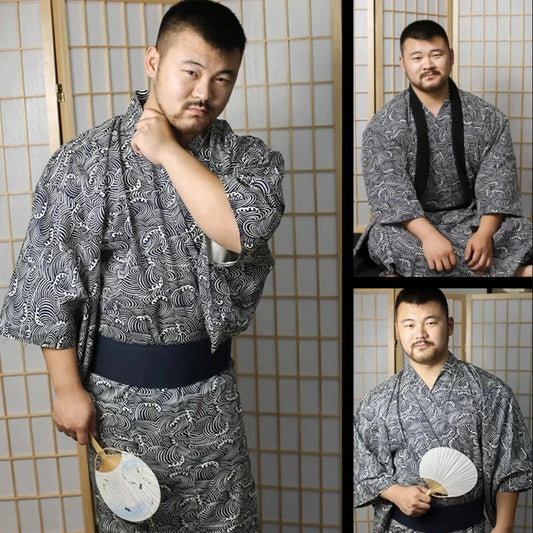
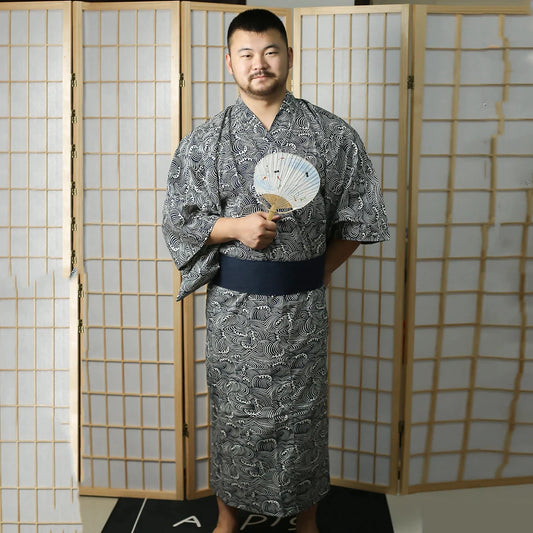
Yukata are characterized by their bright colors and bold patterns, often featuring seasonal motifs like fireworks, goldfish, dragonflies, or cherry blossoms, designed to evoke the joy and vibrancy of Japanese summer. Unlike formal kimonos, which are worn with multiple undergarments, a Yukata is usually worn directly over underwear or a thin slip, making it ideal for warm weather. Both men and women enjoy wearing Yukata, with distinct styles available for each. Women's Yukata often feature more elaborate patterns and brighter colors, while men's Yukata tend to be more subdued, with geometric patterns or solid colors.
The simplicity of the Yukata makes it an accessible entry point for those wishing to experience Japanese traditional wear. It's common to see streets adorned with people in colorful Yukata during summer evenings, creating a picturesque scene that captures the essence of Japanese summer culture. Pairing a Japanese Yukata with simple geta sandals and a small kinchaku bag completes the iconic summer look. It's a garment that perfectly blends comfort, tradition, and seasonal festivity.
"The Yukata is summer's embrace – light, vibrant, and filled with the spirit of celebration. It reminds us that tradition can be both beautiful and delightfully comfortable."A Kyoto Textile Artisan
Special Occasions & Beyond: Mofuku, Montsuki & Children's Kimono
Beyond the common categories, there are several specialized kimono types designed for very specific, often profound, occasions. The Mofuku is the formal kimono for mourning. It is always entirely black, with five family crests, and made of plain, unpatterned silk. This stark simplicity reflects the solemnity of funerals and memorial services. Both men and women wear Mofuku, though the women's version is typically worn with a black obi and accessories, while men wear a Montsuki Kimono with a matching haori and hakama in black.
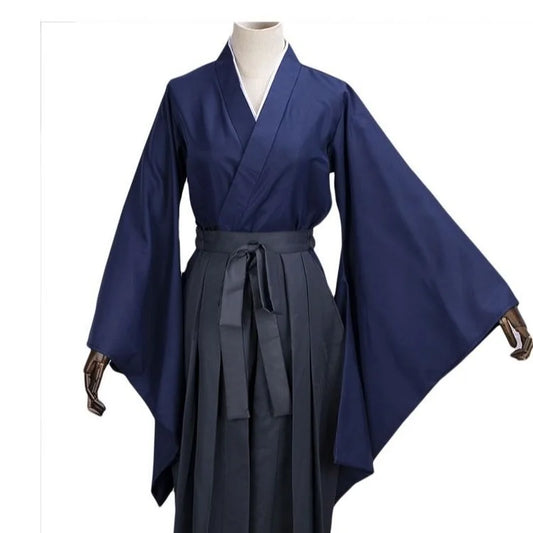
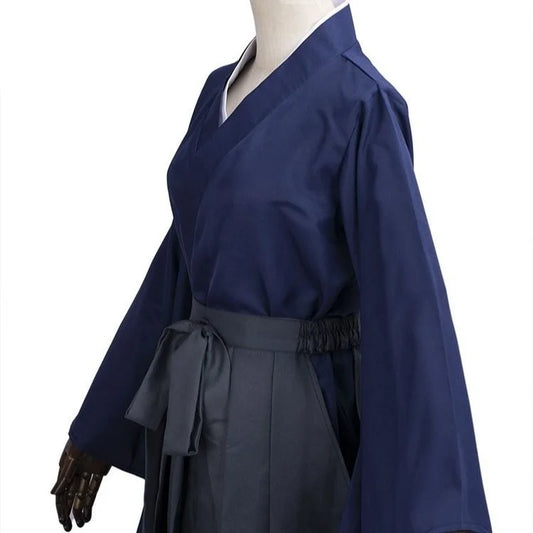
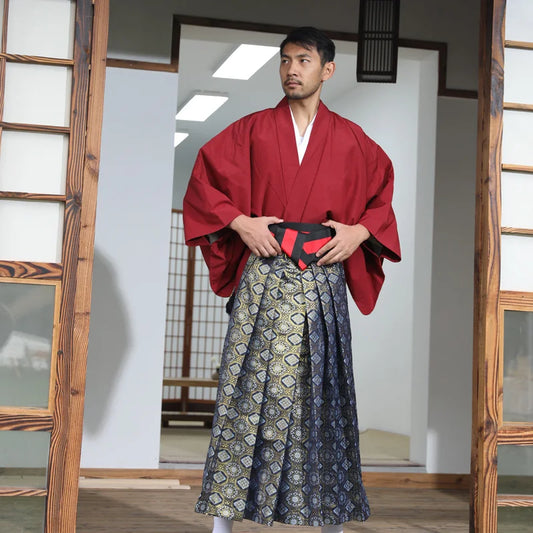
The Montsuki Kimono itself is a formal men's kimono, characterized by its solid color (often black, but also navy or grey for less formal settings) and up to five family crests. It is usually worn with a haori jacket and hakama pants, forming a traditional Japanese suit. This ensemble is donned for highly formal events such as weddings (by the groom or close male relatives), graduation ceremonies, and traditional New Year's celebrations. The choice of color and number of crests dictates the level of formality, providing a dignified and distinguished appearance for men.
Finally, we must not overlook the charming world of Children's Kimono. Just as adults have specific attire for various stages of life, so do children. For milestones like Shichi-Go-San (Seven-Five-Three festival, when children aged seven, five, and three are celebrated), elaborate kimonos are worn. Girls wear vibrant, often embroidered kimonos with various patterns, while boys wear smaller versions of Montsuki or distinctive patterned kimonos. These garments are not just miniature versions of adult wear; they are specially designed to fit children comfortably and beautifully, marking their growth and celebrating their place within the family and community. These kimonos are cherished family heirlooms, passed down through generations. You can find lovely options in our Children's Kimono collection.
Respecting Mourning Attire
The Mofuku kimono is strictly reserved for funerals and memorial services. Wearing a black kimono with family crests outside of these contexts would be highly inappropriate and disrespectful. Always ensure you understand the specific cultural context before choosing such attire.
| Kimono Type | Wearer | Key Features | Typical Occasions |
|---|---|---|---|
| Furisode | Unmarried Women | Long, swinging sleeves (up to 45"), elaborate patterns. | Coming-of-Age, Graduations, Weddings (guest). |
| Tomesode | Married Women | Shorter sleeves, patterns below waist, family crests. | Weddings (mother of bride/groom), Formal family events. |
| Homongi | All Women | Continuous patterns over shoulders/sleeves. | Tea ceremonies, Formal parties, Graduations (guest). |
| Iromuji | All Women | Solid color (non-black), crests determine formality. | Tea ceremonies, School events, Semi-formal gatherings. |
| Komon | All Women | Small, repeating patterns all over. | Daily wear, Casual outings, Informal parties. |
| Tsumugi | All Women | Hand-spun silk, rustic texture, woven patterns. | Everyday wear, Casual gatherings, Cultural classes. |
| Yukata | All Adults | Cotton/synthetic, light, bold patterns. | Summer festivals, Fireworks, Onsen resorts. |
| Mofuku | All Adults | Plain black, 5 family crests. | Funerals, Memorial services. |
| Montsuki | Men | Solid color, 1-5 family crests, often with haori/hakama. | Weddings (groom/relatives), Formal ceremonies. |
Essential Kimono Etiquette and Accessories
Wearing a kimono correctly involves more than just selecting the right type for the occasion; it also encompasses a nuanced understanding of etiquette and the appropriate accompanying accessories. The fundamental rule is to always wrap the left side over the right. Wrapping right over left is reserved for dressing the deceased, so adhering to this is a crucial sign of respect. When walking, take small, graceful steps, as the kimono's narrow opening makes large strides difficult. Sitting and standing should be done with care to maintain the garment's elegance and prevent creases. Always consider the season when selecting fabrics and patterns – lighter, brighter for spring/summer, and deeper, heavier for autumn/winter.
Accessories are integral to a complete kimono ensemble. The obi, or sash, is perhaps the most prominent. Its intricate tying styles can vary in formality and complexity, from the simple hanhaba obi for Yukata to the elaborate fukuro obi for formal kimonos. Other essential items include the nagajuban (an under-kimono worn for hygiene and to add structure), tabi (split-toe socks), and zori or geta (traditional footwear). For men, a haori jacket, worn over the kimono, often completes the formal or semi-formal look. Choosing the right accessories, like a beautiful Kimono Sash, can elevate the entire outfit and further convey the formality and purpose of your attire.
Understanding these elements not only enhances the visual appeal of the kimono but also demonstrates a deep respect for Japanese traditions. It’s about appreciating the holistic experience of wearing a kimono, where every detail contributes to its profound cultural significance and timeless beauty.
Embracing Kimono Culture in the Modern World
While traditional kimono occasions remain deeply cherished in Japan, the garment's influence extends far beyond its ceremonial roots. In contemporary Japan and globally, there's a growing movement to integrate kimono aesthetics into modern fashion. Many designers are reinterpreting traditional patterns and silhouettes, creating stylish adaptations that can be worn in everyday settings. This evolution allows for a broader appreciation of kimono artistry, making it accessible to a new generation and diverse cultural contexts. From casual kimono jackets to vibrant Streetwear Kimono, these modern interpretations offer a way to celebrate Japanese heritage with a contemporary twist.
For those outside Japan, wearing a kimono or yukata is a wonderful way to engage with Japanese culture, whether attending a cultural event, a themed party, or simply enjoying the garment for its beauty at home. The key is to approach it with sincerity and respect, understanding the basic etiquette and the meaning behind the different types. Choosing an authentic kimono, even a casual one, supports traditional artisans and helps preserve this precious cultural heritage. It’s a bridge connecting past and present, tradition and innovation.
Ultimately, the kimono is a testament to timeless elegance and cultural depth. By understanding when and where to wear each type, we not only pay homage to centuries of Japanese tradition but also open ourselves to a world of exquisite beauty and profound meaning. Whether for a formal ceremony or a relaxed summer evening, there is a kimono designed to perfectly suit the occasion, inviting us all to partake in its enduring legacy.
Discover Your Perfect Kimono
Explore our curated collection of authentic kimonos, yukatas, and traditional Japanese attire. Find the ideal garment for any occasion, from elegant formal wear to comfortable everyday styles.
Shop Japanese Kimono →FAQ
Absolutely! Wearing a kimono as a non-Japanese person is widely accepted and often seen as a sign of appreciation for Japanese culture. The most important aspect is to wear it respectfully and appropriately for the occasion. Avoid treating it as a costume and instead, view it as an opportunity to engage with and honor a rich tradition. Familiarize yourself with basic etiquette, such as wrapping the left side over the right and understanding the formality of different types. Many tourists in Japan enjoy renting kimonos or yukatas for sightseeing, and it’s a beautiful way to immerse yourself in the local culture. Our collection of Kimonos for Women and Men's Kimono offers authentic styles suitable for various experiences.
The primary differences between a kimono and a yukata lie in their formality, fabric, and occasions for wear. Kimonos are typically made from silk, wool, or synthetic blends, are multi-layered, and are worn year-round for formal, semi-formal, or casual events depending on the type (e.g., Furisode, Tomesode, Komon). They require specific undergarments like a nagajuban and tabi socks. Yukatas, on the other hand, are much lighter, usually made of cotton or linen, and are designed for summer wear. They are inherently casual, worn often after bathing or for summer festivals, and require fewer undergarments. Think of a kimono as a traditional dress and a yukata as a traditional summer gown or robe, perfect for warm weather. Explore our Yukata collection for summer styles.
Choosing the right kimono depends entirely on the event's formality and your relationship to it. For highly formal events like weddings (as a close relative) or Coming-of-Age ceremonies, a Furisode (unmarried women) or Tomesode (married women) is appropriate. Semi-formal gatherings like tea ceremonies or parties might call for a Homongi or Iromuji. For casual outings, daily wear, or informal cultural events, a Komon or Tsumugi is suitable. During summer festivals, a Yukata is the perfect choice for its comfort and seasonal appeal. Always consider the season, the time of day, and the specific customs of the event. When in doubt, it’s best to err on the side of slightly more formal attire rather than less. Our guide above offers detailed distinctions.
Yes, kimonos are an important part of traditional Japanese menswear! Men's kimonos, primarily the Montsuki kimono, are worn for formal occasions such as weddings (especially by the groom or family members), traditional ceremonies, and New Year's celebrations. These are usually solid-colored, often black, with family crests (kamon) and are typically worn with a matching haori jacket and hakama (pleated trousers). For more casual settings or summer events, men also wear Yukata, similar to women, for comfort and style. The choice of pattern and fabric for casual men's kimonos can vary widely, offering versatility. Discover elegant options in our Men's Kimono and Male Yukata collections.
The cost of a traditional kimono varies dramatically based on its type, fabric, craftsmanship, and whether it's new, used, or rented. A simple, new cotton Yukata might range from $50-$200. A ready-to-wear Komon or Tsumugi in synthetic or simpler silk could be $200-$800. However, a meticulously hand-dyed or embroidered silk Furisode or Tomesode, especially vintage or custom-made, can easily cost several thousand dollars, sometimes reaching tens of thousands. Accessories like obi, zori, and nagajuban add to the total. Many choose to rent expensive formal kimonos for specific events, which can range from $100-$1000 per rental, offering a more accessible way to experience these magnificent garments. Our Silk Kimono collection showcases premium options.
Dressing in a traditional, full-formal kimono ensemble is an intricate art that requires time and skill. For a formal kimono like a Furisode or Tomesode, it can take anywhere from 30 minutes to over an hour, especially if you're not experienced. This process often involves multiple layers (underwear, nagajuban, kimono), padding to create the desired silhouette, and complex obi tying. Professional dressers (kitsuke-shi) are frequently hired for important events to ensure the kimono is perfectly fitted and beautifully presented. Casual kimonos like Komon or Yukata are much simpler, often taking only 10-20 minutes to put on yourself, making them more practical for everyday enjoyment. Our Traditional Kimono selection requires careful dressing.
Tags:
Previous
Where to Buy Authentic Kimonos in the US: Your Ultimate Online & In-Store Guide
Next
Where to Buy Authentic Kimonos in the US: Your Ultimate Online & In-Store Guide