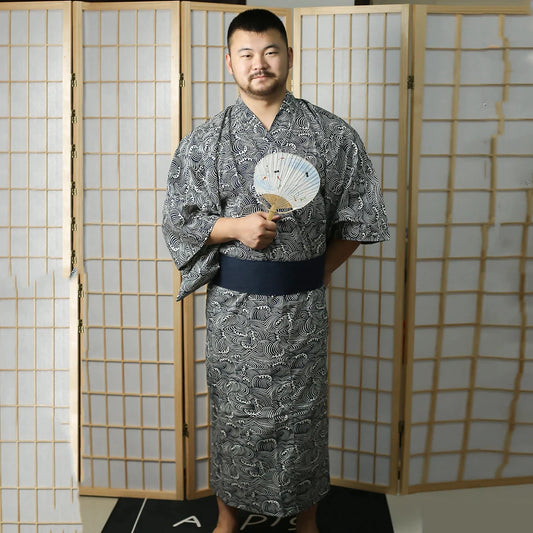
Kimono Color Guide: Choosing the Right Shade for Your Skin Tone
Modern Kimono Fashion & Styling
Kimono Color Guide: Choosing the Right Shade for Your Skin Tone
⚡ Réponse rapide
Choosing the right kimono color for your skin tone involves identifying your undertone (warm, cool, or neutral) and selecting shades that complement it. Warm undertones shine in earthy hues and rich golds, cool undertones glow with jewel tones and icy blues, while neutral complexions enjoy versatility across a broader spectrum of colors.
The Art of Color and Complexion: Your Kimono Journey Begins
Stepping into the world of Japanese kimonos is like opening a treasure chest of culture, artistry, and timeless elegance. Each kimono tells a story, not just through its intricate patterns and luxurious fabrics, but profoundly through its colors. The right color can illuminate your features, enhance your natural glow, and truly make a kimono feel like it was made just for you. But with such a vast spectrum of shades, how do you choose the one that resonates most beautifully with your unique self?
This comprehensive Kimono Color Guide is your personal compass, designed to navigate the exciting journey of selecting the perfect shade for your skin tone. We'll demystify the art of color matching, moving beyond simple preferences to reveal how certain hues can either wash you out or make you truly shine. Understanding your skin's undertone is the secret weapon here, a foundational step that will transform your kimono selection process from a guess into a confident, joyful choice. Whether you're drawn to the vibrant energy of a modern design or the serene grace of a traditional piece, we're here to help you find your ideal match.
Choosing a kimono is more than just picking an outfit; it's an embrace of a rich heritage and a personal expression of beauty. In the United States, where Japanese fashion continues to captivate, finding a kimono that harmonizes with your complexion allows you to wear this iconic garment with unparalleled confidence and authenticity. Get ready to discover the colors that celebrate you, ensuring your kimono experience is nothing short of breathtaking.
Unveiling Your Undertone: The Foundation of Kimono Color Harmony
Before diving into a kaleidoscope of kimono colors, the first and most crucial step is to understand your skin's undertone. This isn't about your skin's surface color (which can change with sun exposure), but rather the subtle hue beneath the surface that dictates which colors truly flatter you. There are three main categories: warm, cool, and neutral. Identifying yours is simpler than you might think!
Quick Undertone Test
Look at the veins on your wrist in natural light. If they appear mostly blue or purple, you likely have a cool undertone. If they look green, you probably have a warm undertone. If you can't quite tell, or they seem to be a mix of both, you're likely neutral.
Another helpful test involves jewelry. Do you tend to look better in silver jewelry or gold jewelry? People with cool undertones often find silver enhances their complexion, while those with warm undertones glow in gold. Neutral undertones can pull off both with ease. Finally, consider how your skin reacts to the sun. If you tend to tan easily and rarely burn, you might have a warm undertone. If you burn easily and tan minimally, a cool undertone is more probable.
Once you've pinpointed your undertone, you've unlocked the secret to a world of colors that will make your skin look more vibrant, your eyes brighter, and your overall appearance more harmonious. This knowledge isn't just for kimonos; it's a valuable tool for all your wardrobe choices, makeup, and even hair color. For example, a person with a cool undertone choosing a warm-toned kimono might find their skin appears sallow, whereas the perfect cool-toned kimono would bring out their natural radiance.
Radiant Hues: Kimono Colors for Warm Skin Tones
If your skin has a beautiful warm undertone, you're in luck! Your complexion is beautifully complemented by colors that reflect the warmth of the sun, earth, and autumn leaves. Think about shades that have a yellow, golden, or peach base. These colors will enhance your natural glow and make your skin look rich and healthy.
Ideal colors for warm undertones include:
- Earthy Tones: Rich browns, olive greens, moss greens, and deep forest greens. These colors create a natural, grounded look.
- Warm Reds & Oranges: Tomato red, coral, rust, terracotta, and vibrant orange. These lively shades will bring out the warmth in your skin.
- Golden Yellows & Creams: Mustard yellow, goldenrod, buttercup, and creamy ivory or off-white. Avoid stark, bright whites which can sometimes feel too cool.
- Peach & Apricot: Soft, warm pinks and oranges that lend a gentle flush to your complexion.
- Warm Purples: Amethyst, plum, and deep eggplant with a red base rather than blue.
When selecting a Japanese kimono, consider patterns that incorporate these hues. For instance, a traditional kimono with motifs of chrysanthemums in gold and orange, or a modern piece featuring rich botanical prints in olive and terracotta, would be stunning. These colors create a harmonious balance, making your skin appear more luminous and your features more defined. Don't shy away from mixing and matching these warm tones within a single garment or with your accessories, like a beautiful obi sash in a complementary shade.
“Color is not just seen, it's felt. The right shade can transform a garment from mere cloth into a second skin, reflecting the wearer's inner light.”Master Kimono Artisan
For a day out, a Yukata in a vibrant coral or a sunny yellow could be perfect. For more formal occasions, a silk kimono in a deep rust or a shimmering gold would exude sophistication. The key is to embrace the warmth and richness that naturally suits your complexion, allowing the kimono to become an extension of your own vibrant energy.
Cool Elegance: Kimono Colors for Cool Skin Tones
If your veins appear blue or purple and silver jewelry makes you sparkle, you possess a captivating cool undertone. Your skin is beautifully enhanced by colors that evoke the depths of the ocean, the coolness of winter, and the brilliance of precious jewels. These shades typically have a blue, pink, or purple base, bringing out the natural rosiness and clarity in your complexion.
Favorable colors for cool undertones include:
- Jewel Tones: Emerald green, sapphire blue, ruby red (with a blue base), and amethyst purple. These rich, saturated colors are incredibly flattering.
- Blues & Greens: Royal blue, navy, sky blue, turquoise, teal, mint green, and true emerald. Think about the serene shades of nature.
- Cool Reds & Pinks: Berry red, crimson, fuchsia, rose pink, and delicate pastels like lavender. These colors will add a healthy flush.
- Crisp Whites & Greys: Pure white, charcoal grey, and slate grey. These provide a sharp contrast that makes cool skin tones pop.
- Cool Purples: Lavender, periwinkle, and deep indigo with a strong blue component.
Imagine a silk kimono in a stunning sapphire blue, perhaps adorned with silver or white crane motifs. Or a summer Yukata Women in a delicate periwinkle with cherry blossom patterns. These choices will not only complement your skin but also highlight your eyes and hair. When considering patterns, look for designs that feature these cool tones prominently, creating a sophisticated and refreshing aesthetic. Avoid overly warm, yellow-based colors, as they can sometimes make cool skin tones appear a bit washed out or dull.
For an elegant statement, a Traditional Kimono in deep indigo or a lush emerald green would be perfect. Even for more casual wear, a Kimono Cardigan in a soft grey or a pale sky blue can elevate your everyday look. The key is to lean into the cool spectrum, allowing these harmonious colors to bring out the best in your natural beauty.
The Versatility of Neutral Skin Tones: Your Kimono Color Palette
If you have a neutral undertone, congratulations! You possess a wonderful versatility that allows you to wear a wider range of colors with confidence. Your skin doesn't lean distinctly warm or cool, meaning you can often pull off shades from both palettes without clashing. However, there are certain colors that will particularly make a neutral complexion sing.
Excellent choices for neutral undertones include:
- True Red & Blue: Classic, balanced reds and blues (not too orange, not too purple) are incredibly flattering.
- Mid-range Greens & Purples: Jade green, medium teal, true violet, and plum. These balanced shades avoid extremes.
- Soft Pinks & Peaches: Rose pinks, dusty rose, and muted peach. These add a gentle warmth or coolness without overpowering.
- Greys & Taupes: These sophisticated neutrals are perfect for a balanced complexion, offering a chic backdrop for any pattern.
- Off-White & Cream: Softer than stark white, these provide a gentle contrast that complements rather than competes.
The beauty of a neutral undertone is your ability to experiment. You can lean into warmer tones for a sun-kissed look or embrace cooler shades for a crisp, fresh appearance. When choosing a kimono, consider colors that are not too overtly saturated with strong yellow or blue bases. Instead, opt for balanced hues that sit comfortably in the middle of the spectrum. For example, a kimono featuring balanced floral patterns in rose and sage green would be incredibly harmonious.
Embrace Your Inner Chameleon
Neutral undertones offer incredible flexibility. If you want to lean warm, pair your kimono with gold accessories. If you prefer a cooler vibe, opt for silver. You can even mix and match, creating truly unique and personalized looks with any Kimonos for Women in our collection.
A Short Kimono in a versatile charcoal grey or a beautiful sage green could become a staple in your wardrobe. For more formal events, a kimono in a deep, true navy or a rich plum would be equally stunning. Your advantage lies in your adaptability, allowing you to explore a vast array of colors and patterns without fear of missteps. Don't be afraid to trust your intuition; if a color feels right, it probably is.
Beyond the Basics: Season, Occasion, and Personal Flair
While your skin tone is a fantastic guide, it's just one piece of the puzzle. The ultimate kimono choice also factors in the season, the occasion, and, most importantly, your personal style. These elements add layers of depth and meaning to your selection, transforming a simple garment into a statement of identity and purpose.
10-25 Jours
Livraison Suivie
$80+
Livraison Offerte
3 Étapes
Trouvez Votre Teint
Seasonal Considerations:
- Spring: Embrace pastels, light florals, and fresh, vibrant colors. Think soft pinks, sky blues, and gentle greens.
- Summer: Opt for bright, bold, and airy colors. White, turquoise, and coral are perfect for staying cool and chic. Japanese Yukata are especially popular for summer festivals.
- Autumn: Rich, earthy tones come to life. Deep reds, burnt oranges, golden yellows, and forest greens mirror the changing leaves.
- Winter: Luxurious jewel tones, deep blues, emeralds, and sophisticated blacks and whites. Rich fabrics like silk enhance these colors.
Occasion Matters:
The formality of an event heavily influences color choice. For grander occasions like weddings or formal ceremonies, deep, rich colors often adorned with intricate embroidery are preferred. Wedding Kimono are typically white, symbolizing purity, or vibrant red, for good fortune. For casual outings or relaxing at home, lighter, more playful colors and patterns are ideal. A Kimono Bathrobe, for instance, often features softer, more comforting hues.
Your Personal Flair:
Ultimately, a kimono should make you feel beautiful and confident. While guides like this provide excellent frameworks, your personal preference and comfort are paramount. If you adore a color that technically doesn't align with your skin tone, don't shy away from it! You can always balance it with accessories that do flatter your complexion, or choose a kimono with a pattern that incorporates both your favorite color and a complementary shade. Fashion is about self-expression, and the kimono is a magnificent canvas for that.
The Language of Color: Traditional Kimono Symbolism
In Japanese culture, colors carry deep symbolic meanings, adding another fascinating layer to your kimono choice. Understanding these traditional associations can enrich your appreciation and connection to the garment, especially if you're selecting a Traditional Kimono for a special event or simply for its cultural significance.
- Red (Aka): Often associated with passion, energy, protection, and good fortune. It's a vibrant color frequently seen in wedding kimonos and celebratory garments.
- White (Shiro): Symbolizes purity, innocence, and sacredness. It's a fundamental color, particularly for bridal wear and formal ceremonies.
- Black (Kuro): Represents formality, sophistication, and mystery. Black kimonos, especially with family crests (kurotomesode), are among the most formal attire.
- Blue (Ao): Denotes tranquility, serenity, stability, and often, wisdom. Indigo blues are historically significant, derived from natural dyes.
- Green (Midori): Signifies vitality, growth, nature, and youth. It brings a sense of calm and freshness.
- Purple (Murasaki): Historically a color reserved for the imperial family and high-ranking officials, symbolizing nobility, luxury, and spiritual wisdom.
- Gold (Kin) & Silver (Gin): Represent wealth, prosperity, divinity, and elegance. Often used in embroidery and metallic accents for special occasion kimonos.
When you choose a kimono, you're not just picking a color; you're engaging with centuries of cultural narrative. A Black Kimono, for instance, might be chosen for its striking elegance and formality, while a kimono with delicate floral kimono patterns against a soft green background could evoke a sense of peaceful spring renewal. This interplay of color and meaning makes each kimono a wearable piece of art.
Patterns and Prints: When Color Meets Artistry
While solid colors offer a powerful statement, the true magic of many kimonos lies in their exquisite patterns and prints. These designs, often rich with symbolism and intricate detail, interact with the base colors to create a cohesive and captivating visual story. Understanding this interplay is vital when making your selection.
- Harmonious Patterns: Often, patterns will feature colors that naturally complement the base color of the kimono. For a blue base, you might see lighter blues, whites, and greens. For a red base, gold, orange, and cream are common. This creates a balanced and visually pleasing effect.
- Contrasting Accents: Sometimes, a pattern will introduce a contrasting color to create a focal point or add dynamism. For example, a predominantly cool-toned kimono might have small, vibrant red accents to provide a pop of warmth. This can be particularly effective for neutral skin tones, allowing them to bridge both color families.
- Symbolic Motifs: Japanese kimono patterns are deeply symbolic. Cranes (longevity), cherry blossoms (fleeting beauty), dragons (power) – each carries meaning. The colors used within these motifs further enhance their significance. A Kimono Dragon, for instance, might use bold golds and reds to emphasize strength and good fortune.
- Fabric and Texture: The material of the kimono also plays a role. Silk kimonos will reflect light differently than cotton yukatas, influencing how colors are perceived. Embroidery, often in metallic threads, adds texture and a shimmering effect, making colors appear even richer.
When evaluating a patterned kimono, don't just look at the dominant color. Take a moment to appreciate the entire composition. Do the colors in the pattern enhance or detract from your chosen primary shade? Does the overall effect flatter your skin tone? Sometimes, a kimono with a less-than-ideal base color can still be perfect if its dominant pattern uses colors that are highly complementary to your complexion. It's about the total impression, the symphony of colors and designs working together to create beauty.
Styling Your Chosen Kimono: Making It Uniquely Yours
Once you've found the kimono with the perfect color and pattern for you, the journey doesn't end there! Styling your kimono allows you to personalize it further and adapt it to various modern contexts. Whether it's a traditional ensemble or a contemporary fusion, accessories and layering can make all the difference.
3 Steps to Your Perfect Kimono Color Match:
- Identify Your Undertone: Use the vein and jewelry tests to determine if you're warm, cool, or neutral.
- Consult Your Color Palette: Refer to the recommended colors for your undertone, focusing on shades that make your skin glow.
- Consider Occasion & Personal Style: Factor in where and when you'll wear it, and always choose a color that makes you feel confident and joyful.
For a traditional look, an obi sash is paramount. The color of your obi can either complement or contrast with your kimono, adding another layer of visual interest. A vibrant obi can inject a pop of color into a more subdued kimono, or a neutral obi can soften an intensely patterned one. Explore our Kimono Sash collection for inspiration.
In modern styling, kimonos are incredibly versatile. You can layer a Kimono Jacket over jeans and a plain top, using its color and pattern to elevate a casual outfit. For a beach day, a Beach Kimono in a light, airy fabric and a bright color can serve as a stylish cover-up. Don't be afraid to experiment with accessories like scarves, statement jewelry, or even belts that cinch the waist, creating a different silhouette.
Confidence is Your Best Accessory
While guidelines are helpful, the most flattering color is ultimately the one that makes you feel confident and radiant. Trust your intuition and choose a kimono that brings you joy. It's your unique style that truly makes a statement.
Remember, the goal is to create a harmonious look that reflects your personality and makes you feel fantastic. The right color choice, guided by your skin tone and personal preference, is the first step towards creating a memorable and beautiful kimono ensemble. Browse our full range of All our products to find your perfect match.
Find Your Perfect Kimono Today!
Discover an exquisite selection of kimonos, yukatas, and accessories tailored for every style and occasion. Unleash your inner radiance with a color that truly speaks to you.
Voir la collection →FAQ
Absolutely! While this guide offers recommendations for optimal flattery, personal preference and confidence are paramount. If you love a particular color, wear it! You can mitigate any potential clashes by choosing a kimono with patterns that incorporate more flattering shades, or by accessorizing with colors that complement your skin tone. Fashion is about self-expression, and the joy a color brings you often outweighs strict adherence to rules.
Neutral skin tones are indeed incredibly versatile, offering the luxury of choosing from both warm and cool palettes. While you can wear a wider range of colors, you might find that certain shades still feel more 'right' than others. Experiment with balanced hues like true reds, deep greens, and mid-range blues. You can also lean into warm tones by pairing your kimono with gold accents or cool tones with silver, depending on the look you want to achieve for the day. Embrace your flexibility!
There aren't strict 'avoid' colors, but some might be less flattering. For warm undertones, very icy blues or stark, pure whites can sometimes make the skin look sallow. For cool undertones, overly yellow or orange-based colors might appear dull. However, a pattern with a less ideal base color but strong, flattering accent colors can still work beautifully. It's about finding harmony in the overall composition rather than absolute avoidance of any single shade.
Occasion plays a significant role. For formal events like weddings or traditional ceremonies, deeper, richer colors (like black, deep red, purple, or pure white for brides) and intricate patterns are common. Casual settings, like summer festivals or daily wear, often call for lighter fabrics and brighter, more playful colors, such as those found in a yukata. The formality of the event should guide your choice, ensuring your kimono is appropriate and respectful of the context.
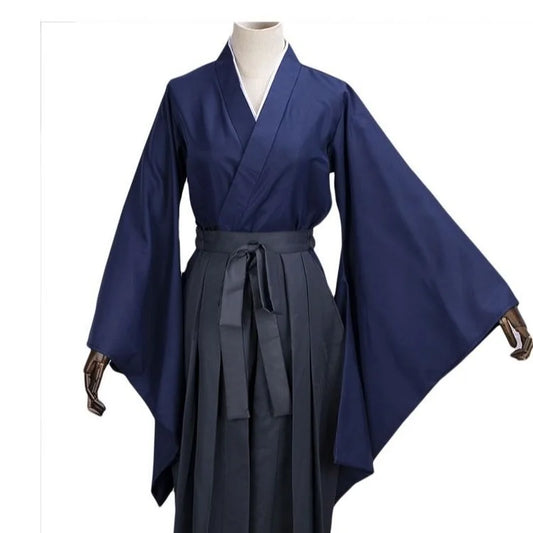
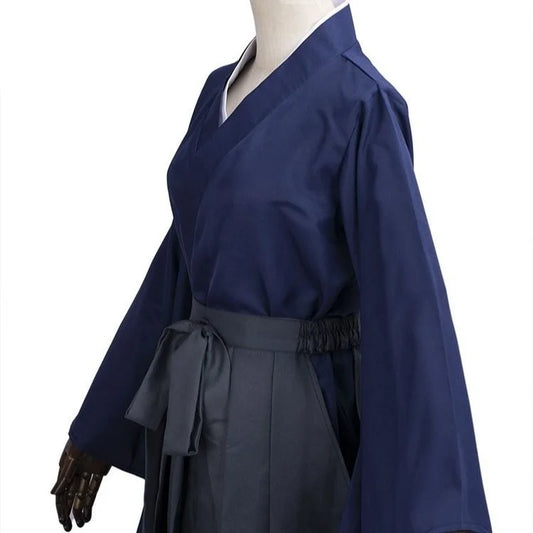
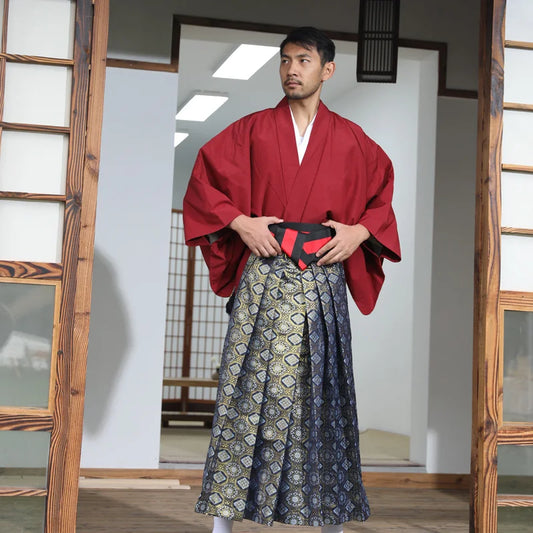
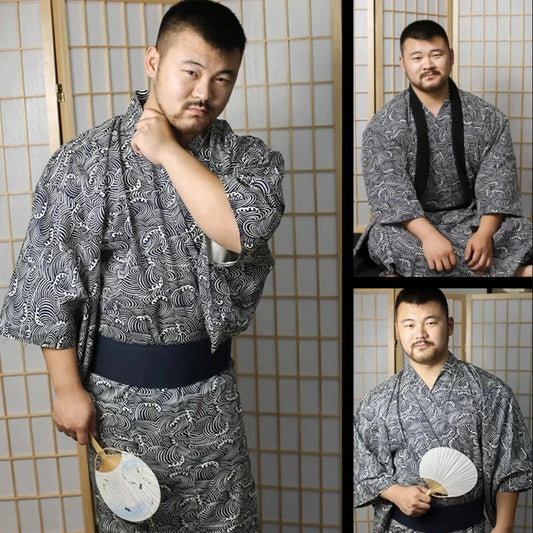
Yes, absolutely! The principles of identifying warm, cool, or neutral undertones and matching them with complementary colors apply universally, regardless of gender. While men's kimonos typically feature more subdued palettes like blues, greys, browns, and blacks, understanding which of these shades best complements a man's skin tone can significantly enhance his appearance. For example, a man with a cool undertone might prefer a deep navy, while a warm undertone might shine in an earthy brown. Explore our Men's Kimono and Male Yukata collections with these tips in mind.
Both the main color and the pattern are crucial. The main color sets the overall tone and impact, directly interacting with your skin. However, the pattern adds complexity, detail, and often, symbolic meaning. A pattern can introduce accent colors that either reinforce or subtly counteract the main color's effect on your complexion. A kimono with a less ideal base color might still be perfect if its pattern features a high density of colors that flatter your skin tone. Always consider the kimono as a complete artistic composition.
Tags:
Previous
Linen and Lightweight Fabric Kimonos: Embrace Eco-Friendly Summer Styles in the United States
Next
Linen Kimono Summer Styles: Embrace Eco-Friendly Elegance in the US