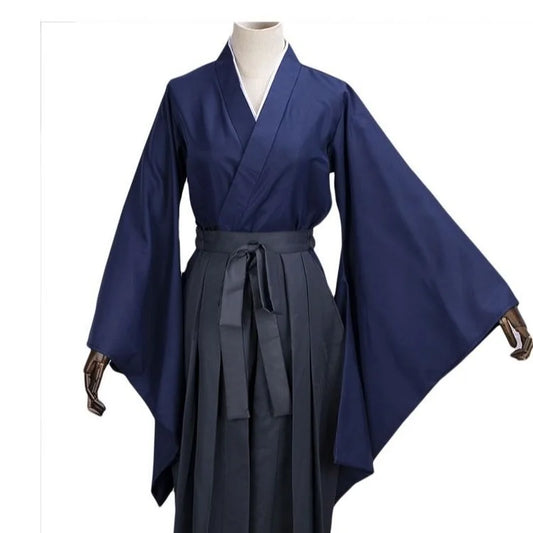
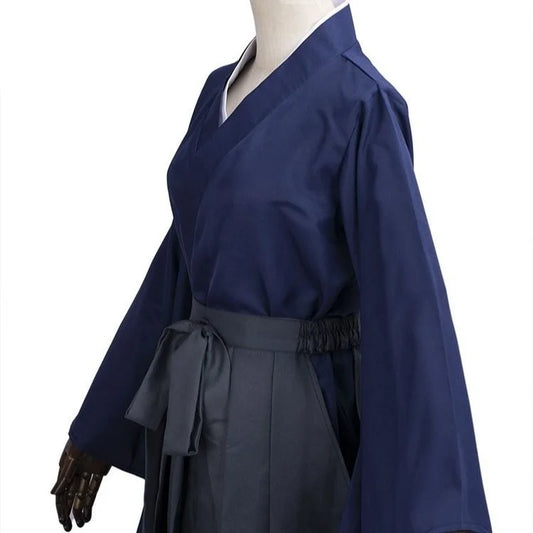
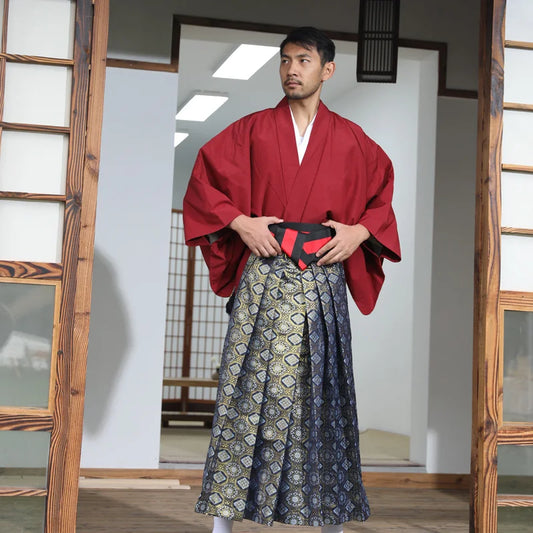
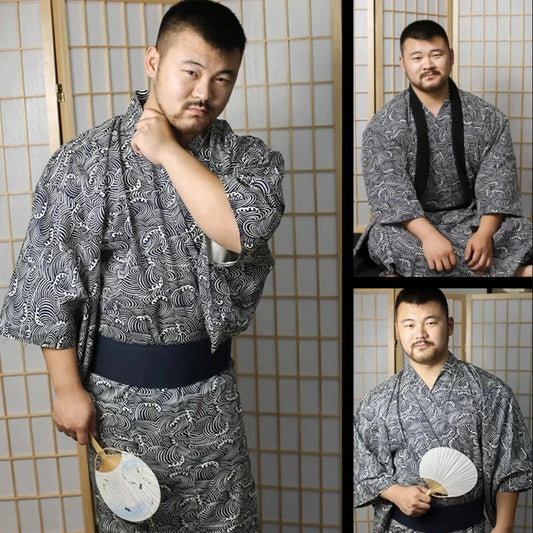
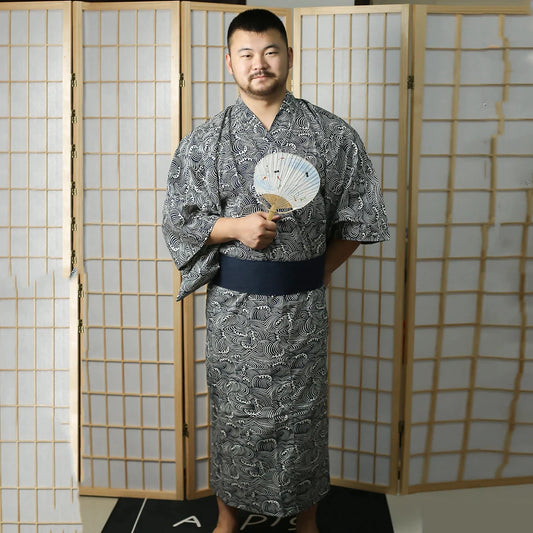
Traditional Kimono & Cultural Appreciation
Kimono Etiquette for Non-Japanese: When & Where It's Appropriate to Wear
⚡ Réponse rapide
Wearing a kimono as a non-Japanese person is appropriate for specific cultural events, private celebrations, or within the context of respectful artistic expression. Key is understanding the garment's significance, ensuring correct styling, and prioritizing cultural appreciation over appropriation, always with respect for its origins and traditions.
The Kimono's Enduring Legacy: More Than Just a Garment
The kimono, a garment steeped in centuries of Japanese history and artistry, captivates hearts worldwide with its elegance and profound cultural significance. For many outside Japan, the desire to wear a kimono stems from a place of admiration for its beauty and the rich traditions it represents. However, as with any cultural attire, wearing a kimono comes with an inherent responsibility to understand and respect its origins. As a non-Japanese individual in the United States, navigating the complexities of kimono etiquette is paramount to ensuring your appreciation is genuine and not perceived as appropriation.
This isn't merely about fashion; it's about honoring a living tradition. The kimono has evolved from everyday wear to a symbol of national identity, worn for special occasions, ceremonies, and celebrations. Each fold, pattern, and fabric choice tells a story, reflecting seasons, social status, and personal aspirations. Approaching the kimono with this deep understanding transforms the act of wearing it from a simple fashion statement into a meaningful gesture of respect and cultural engagement.
Our goal is to empower you with the knowledge to make informed, respectful choices. We believe that cultural exchange enriches us all, and wearing a kimono can be a beautiful way to connect with Japanese culture, provided it's done thoughtfully and appropriately. Let's explore together when and where it's appropriate to wear this magnificent garment, ensuring your experience is one of genuine appreciation.
Appreciation vs. Appropriation
Cultural appreciation involves learning about, engaging with, and showing respect for a culture, often giving credit where it's due. Cultural appropriation, conversely, typically involves taking elements from a culture (especially a minority or marginalized one) without understanding or respecting their original meaning, often for personal gain or fashion trends, and without giving proper acknowledgment. The line can be subtle, but intent, context, and impact are key.
Decoding the Kimono: Types and Occasions
Before you even consider when to wear a kimono, it's crucial to understand that "kimono" is a broad term. Just as Western attire ranges from jeans to ball gowns, Japanese traditional wear encompasses a variety of styles, each with its own specific use and formality level. Misunderstanding these distinctions can inadvertently lead to cultural faux pas.
For instance, a furisode, with its long, swinging sleeves, is the most formal kimono for unmarried women, typically worn for coming-of-age ceremonies (Seijin-shiki) or weddings. A tomesode, on the other hand, is formal wear for married women, characterized by patterns only below the waistline. These are exquisite, often expensive garments reserved for the most significant life events. Wearing a furisode to a casual gathering would be akin to wearing a wedding dress to a backyard BBQ – beautiful, but entirely out of place.
More accessible and often suitable for non-Japanese wearers in appropriate contexts are garments like the Japanese Yukata. This lighter, often cotton, unlined garment is traditionally worn during summer festivals, after bathing at an onsen, or simply for relaxing. Its less formal nature makes it a popular choice for beginners and those attending summer events. Understanding these differences is the first step towards respectful wear.

Then there's the komon, a casual kimono with a repeating pattern all over, suitable for daily outings or informal gatherings. Even within these categories, the fabric, pattern, and color can dictate formality. Silk kimonos are generally more formal than cotton or synthetic ones. The key takeaway here is that not all kimonos are created equal, and their intended purpose is deeply embedded in their design. Researching the specific type of kimono you wish to wear and its traditional context will guide your choices.
When & Where It's Appropriate: Embracing the Kimono Respectfully
The good news is that there are indeed many appropriate and even celebrated occasions for non-Japanese individuals to wear a kimono, particularly in the United States, where cultural exchange is valued. The overarching principle is context and intent. Here are some of the most suitable scenarios for kimono etiquette for non-Japanese:
- Japanese Cultural Festivals and Events: This is perhaps the most common and widely accepted context. Events like Obon festivals, Cherry Blossom festivals, Japan Day celebrations, or local anime conventions (where cosplay is encouraged) are perfect opportunities. Many Japanese communities in the U.S. welcome and even encourage non-Japanese participants to wear traditional attire as a sign of respect and participation.
- Private Japanese-Themed Gatherings or Celebrations: If you're invited to a private event, such as a Japanese wedding, a tea ceremony, or a themed party, and the host encourages or suggests traditional attire, then it's appropriate. Always confirm with your host if you're unsure.
- Artistic Performances or Educational Demonstrations: If you are participating in a Japanese dance performance, martial arts demonstration, a tea ceremony demonstration, or an educational event about Japanese culture, wearing a kimono as part of the act or presentation is entirely appropriate and often expected.
- Photo Shoots Focused on Cultural Appreciation: For photography projects aimed at respectfully showcasing the beauty of the kimono and Japanese culture, wearing one can be suitable. Ensure the project's intent is clear, respectful, and avoids exoticism or sexualization.
- Personal Enjoyment at Home: There's absolutely nothing wrong with wearing a kimono or Kimono Robe in the privacy of your own home, for personal enjoyment or relaxation. This is a safe space to appreciate the garment without public scrutiny.
10-25
days for tracked delivery to the US
$80+
for free shipping on your order
3
simple steps to respectful kimono wear
In all these cases, the key is to ensure your intention is to honor and appreciate the culture, not to appropriate or mock it. When in doubt, err on the side of caution or seek advice from Japanese friends or cultural experts.
Seek Local Guidance
When attending a Japanese cultural event in your area (e.g., a local Obon festival in California or a Japan Society event in New York), don't hesitate to reach out to the organizers. They are often the best resource for specific guidance on dress codes and cultural expectations, and they typically welcome inquiries from those genuinely interested in participating respectfully.
Navigating the Nuances: Situations to Reconsider Kimono Wear
While opportunities for respectful kimono wear exist, there are also times and places where it is generally ill-advised or potentially offensive. Being aware of these situations is just as important as knowing the appropriate ones for kimono etiquette for non-Japanese.
First and foremost, avoid treating a kimono as a mere costume for Halloween or novelty parties. Reducing a culturally significant garment to a caricature trivializes its heritage and can be deeply hurtful to those for whom it holds meaning. Similarly, wearing a kimono in a highly sexualized context, such as for fetishistic purposes or inappropriate social media content, is disrespectful and exploitative.
Everyday casual wear without specific context, especially a formal kimono, can also be problematic. While a Kimono Cardigan or modern kimono-inspired jacket might be perfectly acceptable as part of a contemporary outfit, donning a full, traditional kimono for a trip to the grocery store or a casual lunch is generally not appropriate. It suggests a lack of understanding of its formality and significance, making it appear out of place and potentially disrespectful. The distinction between a traditional garment and a fashion piece is crucial here.
Finally, always consider the setting. If you're in a formal or solemn environment unrelated to Japanese culture, wearing a kimono might draw undue attention and detract from the occasion itself. The goal is to blend in respectfully when participating in cultural events, not to stand out for the wrong reasons. Being mindful of these nuances ensures your choice to wear a kimono is always a positive one.
- DO research the specific type of kimono and its formality.
- DO ensure you wear it correctly (especially left over right).
- DO wear it for Japanese cultural festivals or themed events (if appropriate).
- DO seek guidance from Japanese friends or cultural experts if unsure.
- DON'T wear it as a Halloween costume.
- DON'T sexualize or trivialize the garment.
- DON'T wear a full traditional kimono for everyday errands.
- DON'T misrepresent its cultural significance.
The Art of Wearing: Basic Etiquette & Styling for Non-Japanese
Once you've determined that an occasion is appropriate for kimono wear, the next step is to ensure you wear it correctly and gracefully. This isn't just about aesthetics; it's a fundamental part of showing respect. The most critical rule, often reiterated, is to always wear the left side over the right side. The only exception to this is for burial kimonos, where the right side is worn over the left. Getting this wrong is a serious faux pas and must be avoided at all costs.
Beyond the overlap, consider the overall presentation. A traditional kimono is typically worn with an obi (sash), which is not just decorative but essential for holding the garment in place. While intricate obi tying can be complex, pre-tied obis or simpler styles are available and perfectly acceptable for many occasions. Pairing your kimono with appropriate footwear, such as zori (formal sandals) or geta (wooden clogs, often with yukata), completes the traditional look. Avoid pairing a traditional kimono with Western shoes or overly modern accessories that clash with its aesthetic. For additional styling options and traditional pairings, exploring our Kimono Accessories can provide inspiration and authenticity.

Posture and movement also play a significant role. Kimonos are designed to encourage a certain grace and modesty. Small, deliberate steps, keeping your knees close together, and maintaining a gentle demeanor are all part of the etiquette. Avoid large, sweeping movements or overly casual stances. It's about embodying the elegance that the garment itself exudes.
"Wearing a kimono is an act of storytelling. Each layer, each fold, each gesture, contributes to a narrative of beauty and tradition. Approach it with respect, and you become a part of that story."Traditional Textile Artisan
Remember, the goal is not to perfectly imitate a Japanese person, but to wear the kimono with genuine appreciation and a commitment to learning its traditions. Small efforts, like learning a few basic Japanese phrases or understanding the symbolism of your chosen pattern, can greatly enhance your experience and convey your sincere respect.
Beyond Tradition: Modern Kimono-Inspired Fashion
It's important to differentiate between a traditional Japanese kimono and modern, kimono-inspired fashion pieces. The global fashion industry has long drawn inspiration from the kimono's distinctive silhouette and aesthetic, leading to a wide array of garments like Kimono Cardigan, Kimono Robe, and Kimono Jacket. These items, while visually referencing the kimono, are generally designed as contemporary clothing and fall outside the strict rules of kimono etiquette for non-Japanese.
These modern interpretations are typically made from a variety of fabrics, feature different cuts and lengths, and are intended for casual or semi-formal Western wear. You can comfortably wear a kimono-style cardigan over jeans and a t-shirt, or a silk kimono robe as luxurious loungewear, without concerns about traditional etiquette. They are fashion items, not cultural garments in the same strict sense. The key is recognizing the difference: if it doesn't require an obi, specific undergarments, or careful layering, it's likely a modern, inspired piece.
This distinction is vital for avoiding unintentional disrespect. While a traditional kimono demands careful consideration of context and styling, its fashion-forward counterparts offer versatility and comfort for everyday life in the United States. They allow individuals to appreciate the kimono's aesthetic influence in a casual setting, without the pressure of adhering to centuries-old traditions. Our diverse collection includes both traditional garments and modern adaptations, ensuring there's a respectful option for every occasion and style preference.
Ethical Fashion & Cultural Impact
When choosing any kimono-inspired fashion, consider supporting brands that are transparent about their sourcing and production. Opting for quality pieces from reputable retailers not only ensures a better product but also supports ethical practices in the global textile industry, including those that respect cultural origins.
Sourcing Your Kimono: A Path to Authentic Appreciation
Where you acquire your kimono can also be part of your journey of appreciation. For a truly authentic experience, seeking out traditional or vintage kimonos is highly recommended. These garments often carry a history of their own, crafted with techniques passed down through generations. In the United States, you can find authentic kimonos through several reputable channels:
- Specialized Japanese Boutiques: Many major cities have stores that import traditional Japanese clothing directly. These shops often have knowledgeable staff who can guide you on types, care, and appropriate wear.
- Vintage and Antique Dealers: Online and brick-and-mortar vintage shops often carry beautiful, pre-owned kimonos. This is a sustainable and often more affordable way to acquire a high-quality piece. Always check the condition and ask for details about its origin.
- Online Retailers Focused on Japanese Culture: Websites dedicated to Japanese goods, like ours, often offer a curated selection of Traditional Kimono and Japanese Kimono, along with detailed descriptions and cultural insights. Look for retailers who emphasize authenticity and cultural respect.

Avoid mass-produced, low-quality imitations that might misrepresent the garment. A well-made kimono, whether new or vintage, is an investment in artistry and tradition. It's not just about the garment itself, but the story it tells and the hands that crafted it. By choosing wisely, you contribute to the preservation of these cherished cultural arts and ensure your connection to the kimono is respectful and informed.
Fostering Genuine Cultural Connection
Wearing a kimono, particularly a traditional one, should be seen as just one facet of a broader engagement with Japanese culture. True appreciation extends far beyond the garment itself. It involves a commitment to learning, understanding, and respecting the people and traditions from which the kimono originates. This deeper connection can manifest in many ways:
- Educate Yourself: Read books, watch documentaries, and explore academic resources about Japanese history, art, and societal customs. Understand the philosophies that underpin Japanese aesthetics and daily life.
- Engage with Japanese Communities: Seek out opportunities to interact with Japanese cultural centers, participate in language exchange programs, or attend local Japanese community events. These direct interactions offer invaluable insights and foster cross-cultural understanding.
- Support Japanese Arts and Crafts: Beyond kimonos, explore other traditional Japanese art forms like pottery, calligraphy, ikebana (flower arranging), or traditional music. Supporting these artisans helps sustain vital cultural heritage.
- Visit Japan (If Possible): Experiencing Japan firsthand offers an unparalleled opportunity to immerse yourself in the culture, observe kimonos in their native context, and deepen your understanding.
By engaging in these broader forms of cultural connection, your decision to wear a kimono becomes an informed and meaningful expression of respect, rather than a superficial trend. It demonstrates that your interest is genuine and rooted in a desire to learn and honor, which is the very essence of true cultural appreciation.
Conclusion and Your Next Step
Wearing a kimono as a non-Japanese individual in the United States is a beautiful way to engage with a rich and vibrant culture, provided it's done with profound respect and understanding. Remember that context is king: choose appropriate occasions like cultural festivals or private themed events, ensure correct styling (left over right!), and differentiate between traditional kimonos and modern fashion-inspired pieces. Your intention to appreciate, learn, and honor the culture will always be your best guide for proper kimono etiquette for non-Japanese.
By following these guidelines, you can confidently and respectfully embrace the elegance of the kimono, celebrating its heritage while fostering meaningful cross-cultural connections. It's a journey of continuous learning, and each step you take with awareness contributes to a more respectful and appreciative global community.
Discover Your Authentic Kimono
Ready to explore the timeless beauty of traditional Japanese attire? Our curated collection offers authentic kimonos and yukatas, perfect for respectful cultural engagement.
Voir la collection →FAQ
It can be, but not necessarily. The distinction lies in intent and context. If worn with genuine respect, understanding, and for appropriate cultural events, it's generally considered appreciation. If worn as a costume, without understanding, or in a disrespectful manner, it leans towards appropriation. Learning the etiquette and significance of the garment is key to ensuring your wear is respectful and well-received in the United States.
No, it is generally considered disrespectful to wear a traditional kimono as a Halloween costume. The kimono is a significant cultural garment, not a costume. Reducing it to a novelty outfit trivializes its rich history and meaning, which can be offensive to Japanese people. If you wish to dress up in a Japanese-inspired way, opt for clearly fictional or fantasy elements that don't directly mimic traditional attire.
The most important rule is to always wear the left side of the kimono over the right side. This applies to both men and women. The only exception is for burial kimonos, where the right side is worn over the left. Incorrectly wearing it right over left is a significant cultural faux pas that should be avoided at all costs, as it carries funerary connotations in Japan and for wearers in the United States.
Generally, no. Modern kimono-inspired robes, cardigans, or jackets are fashion items that draw aesthetic inspiration from the traditional kimono but are not considered traditional garments themselves. They are designed for casual Western wear or loungewear and do not carry the same strict etiquette rules regarding specific occasions or styling. The key is to recognize the difference between a traditional kimono and a contemporary fashion piece.
You can find authentic kimonos from reputable sources such as specialized Japanese boutiques in major cities, vintage clothing stores that deal in genuine Japanese textiles, or online retailers like ours that focus on traditional Japanese cultural items. Look for sellers who provide details on the kimono's origin, fabric, and type. Avoid cheap, mass-produced imitations, as investing in a quality piece shows greater respect for the craftsmanship.
Absolutely! Kimonos are for everyone, regardless of gender, provided the same principles of respect, understanding, and appropriate context are followed. There are specific styles of kimonos for men, often more subdued in color and pattern, like the Men's Kimono or Male Yukata. The etiquette for men also includes wearing the left side over the right and understanding the occasion's formality, making it appropriate for non-Japanese men in the United States.
Tags:
Previous
How to Respectfully Buy & Wear Vintage Kimonos: Ethical Sourcing in the US
Next
Vintage & Secondhand Kimonos: Your Ultimate Guide to Finding, Authenticating & Buying Online