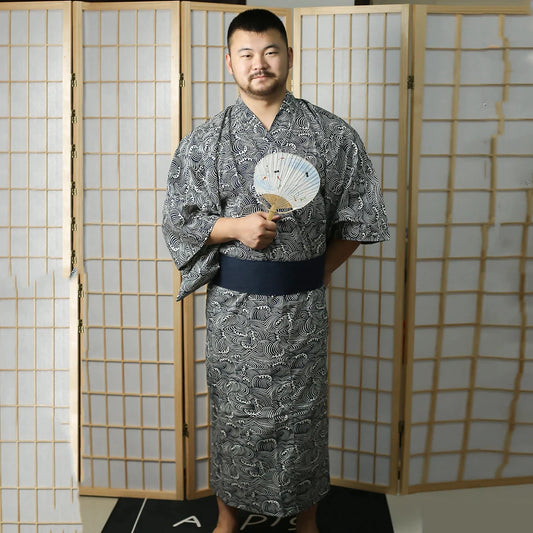
Traditional Kimono & Cultural Appreciation
How to Respectfully Buy & Wear Vintage Kimonos: Ethical Sourcing in the US
⚡ Réponse rapide
To respectfully buy and wear vintage kimonos in the US, prioritize ethical sourcing from reputable dealers who understand Japanese culture. Choose pieces for their artistry, care for them diligently, and wear them thoughtfully, appreciating their heritage without appropriation. Focus on supporting preservation and learning the garment's significance.
The Allure of Vintage Kimonos and the Ethical Imperative
Vintage kimonos hold an undeniable charm, captivating fashion enthusiasts and cultural connoisseurs across the United States. Each exquisite garment tells a story, carrying the whispers of generations, the artistry of skilled weavers, and the rich tapestry of Japanese tradition. From the intricate silk patterns to the timeless silhouettes, a vintage kimono is more than just clothing; it's a wearable piece of history. However, embracing this beauty comes with a crucial responsibility: understanding and practicing ethical sourcing and respectful wearing.
In a globalized world, the accessibility of traditional garments like the Japanese kimono has increased dramatically. While this opens doors for wider appreciation, it also raises important questions about cultural sensitivity, authenticity, and sustainability. Our goal isn't just to help you find a beautiful vintage kimono, but to empower you to do so with integrity and respect. This comprehensive guide will equip you with the knowledge to navigate the vintage kimono market ethically, ensuring your purchase contributes positively to cultural exchange rather than inadvertently causing harm.
We believe that true appreciation stems from understanding. By learning about the origins, significance, and proper care of these garments, you transform from a mere consumer into a custodian of cultural heritage. This journey is about more than just fashion; it's about connecting with a deeply rooted tradition and honoring the hands that crafted these magnificent works of art. Let's embark on this journey together, exploring how to respectfully buy and wear vintage kimonos, ensuring your ethical sourcing practices shine through every fold and stitch.
Tip for US Buyers
When searching for vintage kimonos in the US, always consider the seller's transparency regarding the item's origin and history. Look for clear descriptions and high-quality images that confirm authenticity, helping you make an informed and ethical purchase decision.
Understanding the Soul of the Kimono: Types and Cultural Significance
Before diving into the buying process, it's essential to grasp the fundamental aspects of kimonos themselves. The term "kimono" (着物), literally meaning "thing to wear," encompasses a vast array of traditional Japanese garments, each with its own specific use, season, and cultural significance. Understanding these nuances is the first step towards respectful engagement. For instance, a formal furisode, with its long, flowing sleeves, is traditionally worn by unmarried women for coming-of-age ceremonies, while a casual yukata is a simpler cotton garment for summer festivals and relaxing. Recognizing these distinctions helps you appreciate the context and avoid misrepresenting the garment.
Vintage kimonos often come in various materials, including silk, cotton, hemp, and synthetic blends. Silk kimonos, known for their luxurious feel and intricate dyes, are often the most sought-after vintage pieces. However, cotton yukatas also make wonderful, more casual vintage finds. The patterns and motifs on a kimono are rarely arbitrary; they often carry symbolic meanings related to nature, seasons, longevity, or good fortune. For example, cranes symbolize long life, cherry blossoms ephemeral beauty, and pine trees resilience. Learning to identify these motifs deepens your connection to the garment and enhances your appreciation for its artistic and cultural depth.
Beyond their aesthetic appeal, kimonos are deeply interwoven with Japanese social customs and history. They reflect societal changes, artistic trends, and technological advancements in textile production over centuries. When you acquire a vintage kimono, you're not just buying a piece of clothing; you're preserving a fragment of this rich cultural narrative. This understanding forms the bedrock of ethical sourcing and respectful wearing, ensuring your interactions with these garments are always informed and appreciative. For those interested in exploring modern interpretations or specific styles, our Japanese Kimono collection offers a diverse range of options, while our Traditional Kimono selection provides authentic designs.
Ethical Sourcing Your Vintage Kimono: Where and How to Buy Smart
Ethical sourcing for vintage kimonos in the US begins with knowing where to look and what questions to ask. The goal is to acquire a piece that has been genuinely loved and cared for, ideally from sources that respect its cultural origins and ensure fair practices. Online marketplaces like specialized vintage clothing sites, Etsy, and eBay can be good starting points, but require diligence. Look for sellers with excellent reviews, detailed descriptions, and transparent return policies. Prioritize those who explicitly mention the kimono's origin (e.g., directly from Japan, from a collector, etc.) and its condition.
Physical locations also offer unique opportunities. Reputable antique dealers, specialist kimono shops, and Japanese cultural centers in major US cities (like Los Angeles, New York, or San Francisco) often carry carefully curated vintage selections. These venues typically have knowledgeable staff who can provide historical context, care instructions, and insights into the specific garment you're interested in. Buying in person allows you to inspect the kimono's fabric, stitching, and overall condition firsthand, which is invaluable for vintage items. Engaging with these experts enriches your buying experience and helps ensure you're making an ethical choice.
Avoid sources that seem overly cheap or lack any background information on the items. While a bargain is tempting, it often comes at the cost of authenticity or ethical provenance. Prioritize sellers who are transparent about their sourcing methods, perhaps even sharing stories of how they acquired their vintage pieces. This level of transparency not only builds trust but also adds to the rich narrative of your future kimono. Remember, ethical sourcing means supporting a supply chain that respects both the cultural heritage and the labor involved, even if it's a vintage item changing hands.

80 USD+
Free US Shipping
10-25
Business Days Delivery
3
Steps to Ethical Sourcing
What to Look For: Quality, Authenticity, and Condition
When buying a vintage kimono, a critical eye is your best tool. The quality of a traditional Japanese kimono is often evident in its craftsmanship. Look for fine stitching, evenly dyed fabrics, and intricate patterns that show attention to detail. Authenticity is paramount: differentiate between genuine vintage Japanese kimonos and modern imitations or garments merely inspired by kimono aesthetics. A reputable seller will provide clear information about the kimono's age, material, and origin. Don't hesitate to ask for more photos or details if anything seems unclear, especially when buying online.
The condition of a vintage kimono is another key factor. While minor imperfections are often expected and even part of the charm of a pre-loved garment, significant damage can impact its wearability and value. Check for tears, stains, fading, or moth damage. Pay close attention to the hem, collar, and sleeve edges, as these areas often show the most wear. A well-preserved vintage kimono, even if decades old, should still feel substantial and look vibrant. Some sellers specialize in expertly repaired or restored vintage pieces, which can be an excellent option for acquiring a beautiful garment in good condition.
Consider the material: is it silk, cotton, linen, or a synthetic blend? Silk kimonos, such as those found in our Silk Kimono collection, are prized for their drape and luster, but require delicate care. Cotton yukatas are more robust and easier to maintain. Understanding the fabric will help you assess the item's durability and ensure you're prepared for its specific care requirements. Always factor in potential cleaning or restoration costs when budgeting for a vintage piece, as these can add to the overall investment. A truly authentic and well-maintained vintage kimono can be a significant addition to any wardrobe, offering timeless elegance and a connection to cultural artistry.
Beware of Mislabeling
Be cautious of items vaguely labeled as "kimono" that might actually be Chinese Hanfu, Korean Hanbok, or modern robes. Always verify the garment's specific cultural origin and traditional features to ensure you're buying an authentic Japanese kimono.
Wearing a Vintage Kimono with Respect and Style
Once you've acquired your vintage kimono, the next step is to wear it with the respect it deserves. The traditional way of wearing a kimono involves specific undergarments, folding techniques (left over right, never right over left unless for burial), and accessories like the obi (sash). While you might not replicate every traditional aspect for modern wear, understanding these customs is vital. For casual, everyday wear in the US, many choose to style vintage kimonos as open jackets or robes over contemporary clothing. This approach allows for cultural appreciation without attempting to mimic a full traditional ensemble, which requires specific knowledge and context.
When styling, think about the occasion. A formal silk kimono with elaborate embroidery is best reserved for special events, perhaps as a stunning jacket over an evening dress. A simpler cotton or synthetic kimono, or a Haori Jacket (a shorter, more casual kimono-style jacket), can be integrated into daily streetwear. The key is to avoid situations where your outfit might be perceived as a costume or caricature. The goal is to celebrate the artistry of the kimono, not to appropriate a cultural identity. Pair your vintage kimono with modern pieces that complement its aesthetic rather than attempting to create a full "Japanese look" without proper understanding.
Consider the complete look. Accessorizing can enhance your outfit, but choose thoughtfully. While a traditional obi is beautiful, a simple belt can also work for a more relaxed style. Our Kimono Accessories can provide inspiration for modern styling. Footwear can range from elegant flats to understated heels. The overall impression should be one of elegance and thoughtfulness, reflecting a genuine appreciation for the garment's heritage. Remember, wearing a kimono, even in a modernized way, is a public statement. Make it a statement of respect, beauty, and mindful cultural engagement.

"A vintage kimono is a bridge to the past. Handle it with care, wear it with thought, and let its story continue through your respectful appreciation."Traditional Textile Artisan
Caring for Your Treasured Vintage Kimono: Preservation Tips
Proper care is paramount for preserving the beauty and longevity of your vintage kimono. These garments, often made from delicate silk or fine cotton, require specific handling to prevent damage. The first rule of thumb: avoid machine washing at all costs. For silk kimonos, professional dry cleaning by a specialist experienced with delicate fabrics is usually the safest option. If minor spot cleaning is needed for cotton or synthetic blends, use a gentle, pH-neutral detergent and test on an inconspicuous area first.
Storage is another critical aspect of preservation. Kimonos should ideally be stored flat or hung on padded hangers to prevent creasing and stress on the fabric. If hanging, use a wide, padded hanger that supports the shoulders evenly. Store your kimono in a breathable garment bag, preferably cotton, to protect it from dust, light, and pests. Avoid plastic bags, which can trap moisture and cause mildew. Keep your kimono in a cool, dry place away from direct sunlight, which can cause fading and fabric degradation. Regular airing out can also help keep the fabric fresh.
Humidity control is particularly important in many parts of the US. High humidity can encourage mold and mildew, while extreme dryness can make silk brittle. Consider using silica gel packets in storage if humidity is an issue, but ensure they don't directly touch the fabric. If your vintage kimono has elaborate embroidery or gold leaf, handle it with extra care to prevent snagging or flaking. By following these meticulous care instructions, you ensure that your vintage kimono remains a cherished heirloom, ready to be admired and worn for years to come, truly embodying the spirit of preservation.
Understanding Kimono Sizes
Vintage kimonos are often designed for traditional Japanese body types. When buying in the US, pay close attention to measurements (length, sleeve span) rather than relying solely on modern sizing. A kimono's length can be adjusted by folding at the waist (ohashori), but sleeve length and width are fixed.
The Impact of Your Choice: Sustainability and Cultural Exchange
Choosing to buy a vintage kimono is inherently an act of sustainability. In an era of fast fashion and disposable clothing, opting for pre-loved garments reduces demand for new production, conserves resources, and minimizes waste. You're giving a beautiful piece of textile art a second life, extending its usefulness and reducing its environmental footprint. This conscious consumption aligns perfectly with ethical values, making your fashion choices both stylish and environmentally responsible. It's a tangible way to participate in circular fashion, bringing unique pieces into your wardrobe without contributing to overproduction.
Beyond environmental benefits, your purchase contributes to meaningful cultural exchange. When you buy from reputable dealers, especially those with direct ties to Japan or who support cultural preservation efforts, you're indirectly supporting the ecosystem of traditional Japanese arts and crafts. Many vintage kimonos are sourced from families or collectors in Japan, and their sale helps maintain the interest and value in these traditional garments. By wearing and appreciating a kimono, you become an ambassador of its beauty and story, sparking curiosity and fostering a broader understanding of Japanese culture among your peers in the United States.
This cultural exchange is a two-way street. Your respectful engagement encourages dialogue and appreciation, moving beyond superficial trends towards a deeper understanding of heritage. It demonstrates that traditional garments can transcend their original context and find new life in diverse cultural settings, provided they are treated with reverence. Embrace the opportunity to learn more about Japan, its customs, and its artistic legacy through your kimono. This thoughtful approach transforms a simple purchase into a rich, educational, and impactful experience, celebrating the enduring beauty of traditional Japanese attire.
Cultural Appreciation vs. Appropriation: Drawing the Line
The distinction between cultural appreciation and appropriation is crucial when engaging with traditional garments like the kimono. Cultural appreciation involves learning about, understanding, and respecting a culture and its traditions, often leading to a deeper connection and support for that culture. It's about honoring the source, acknowledging context, and engaging thoughtfully. Cultural appropriation, conversely, typically involves taking elements from a culture (often a marginalized one) without understanding or respecting their original meaning, often for personal gain, fashion, or novelty, thereby stripping them of their significance.
For kimonos, drawing this line means acknowledging that it's a deeply meaningful garment with specific protocols and history in Japan. Wearing a kimono respectfully involves avoiding parody, stereotype, or using it as a "costume" for an event where it would be out of place or trivialized. For example, wearing a kimono to a themed party without understanding its cultural weight could be seen as appropriation, whereas wearing a beautiful vintage kimono as a stylish outer layer for an art gallery opening, with an understanding of its heritage, is closer to appreciation.
The key is intention and education. Before wearing your vintage kimono, take the time to research its history, its traditional significance, and contemporary Japanese perspectives on its use by non-Japanese individuals. If you're unsure, err on the side of caution or seek advice from knowledgeable sources. The goal is to celebrate the kimono's beauty and artistry in a way that is sensitive and honorable, fostering positive cultural dialogue rather than perpetuating misunderstanding. Your journey with a vintage kimono should be one of continuous learning and respectful engagement, embodying the true spirit of kimonos for women who value tradition and elegance.

Discover Your Unique Vintage Kimono
Explore our curated selection of authentic traditional Japanese kimonos. Find a piece of history that speaks to you and supports cultural appreciation.
Voir la collection →FAQ
Yes, it is generally acceptable for non-Japanese people to wear kimonos in the US, provided it's done with respect and understanding. The key is to avoid cultural appropriation by learning about the kimono's significance, understanding appropriate contexts, and wearing it in a way that honors its heritage rather than trivializing it. Many Japanese people appreciate when others engage with their culture respectfully. Focus on appreciation, not imitation, and treat the kimono as a beautiful piece of art and history.
Authenticity is crucial when buying vintage kimonos. Look for reputable sellers who specialize in Japanese textiles and can provide details about the kimono's origin, age, and material. Genuine kimonos often feature hand-stitched elements, specific fabric types like silk, and traditional dyeing techniques. Be wary of mass-produced items or those with vague descriptions. Research traditional patterns, construction, and common kimono types (e.g., furisode, yukata) to help you identify authentic pieces, and don't hesitate to ask for expert verification if uncertain.
While both are traditional Japanese garments, kimonos and yukatas have distinct differences. A kimono is typically made of silk, wool, or synthetic fabric, often lined, and worn year-round for formal or semi-formal occasions, requiring specific undergarments and an obi. A yukata, on the other hand, is a much lighter, unlined cotton garment worn primarily in summer for casual events like festivals or relaxing at a ryokan. Yukatas are simpler to wear, often with a simpler obi and no undergarments, making them a more accessible entry point for those new to Japanese traditional wear. You can explore both in our Yukata and Kimono collections.
Absolutely! Many people in the US wear vintage kimonos casually as fashion statements. The most common way is to style them as an open jacket or robe over contemporary clothing like jeans, dresses, or skirts. This modern interpretation allows you to appreciate the kimono's artistry without adhering to strict traditional rules. The key is to ensure your styling remains respectful and doesn't trivialize the garment. Simpler kimonos or kimono cardigans are excellent choices for casual wear, blending cultural heritage with modern comfort.
Caring for a vintage silk kimono requires extreme gentleness to preserve its delicate fabric and dyes. Never machine wash. Professional dry cleaning by a specialist experienced with vintage silk or traditional textiles is highly recommended. For storage, fold it carefully or hang it on a wide, padded hanger to prevent creases, and always use a breathable cotton garment bag. Store it in a cool, dry place away from direct sunlight and humidity to prevent fading, mildew, or insect damage. Proper care ensures your silk kimono remains a beautiful heirloom.
When buying vintage kimonos online, ethical considerations include verifying the seller's reputation and transparency regarding the item's origin and condition. Prioritize sellers who provide detailed descriptions, high-quality images, and clear return policies. Look for indications that the kimono was ethically sourced, perhaps from a collector or through channels that support Japanese cultural heritage. Avoid sellers with vague product information or unusually low prices that might suggest a lack of authenticity or proper provenance. Your diligence ensures a respectful and informed purchase.
Tags:
Previous
Kimono Care & Maintenance: How to Clean, Store & Preserve Your Collection
Next
Kimono Etiquette for Non-Japanese: When & Where It's Appropriate to Wear