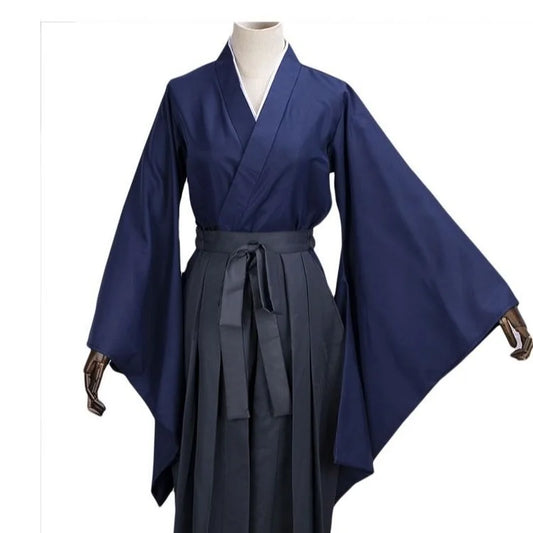
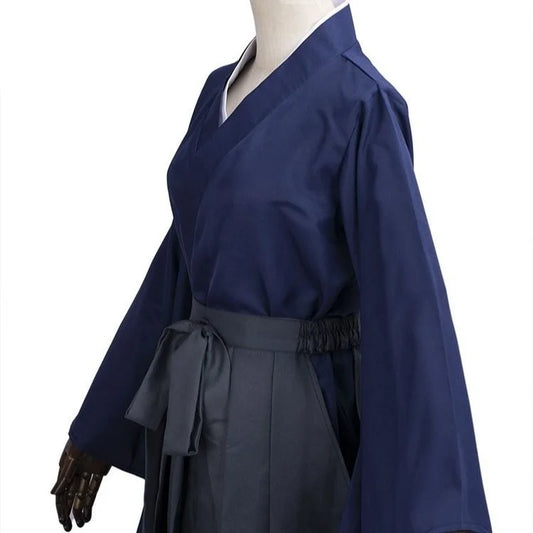
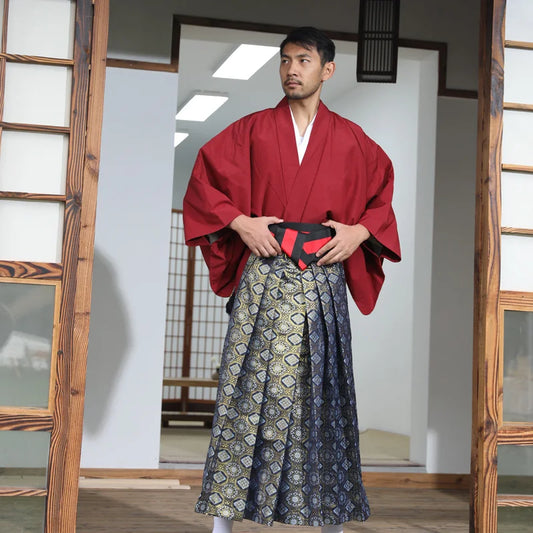
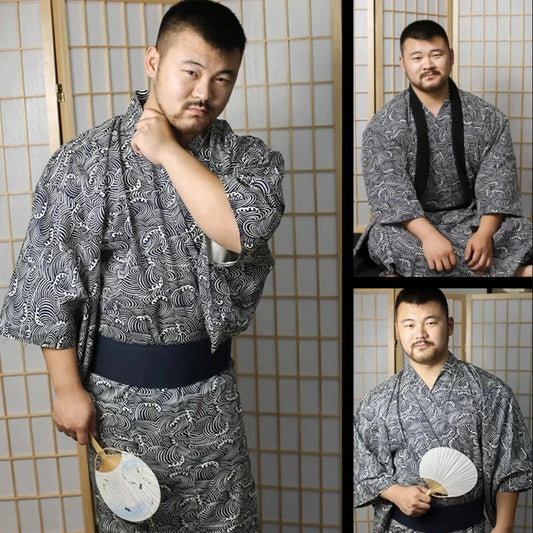
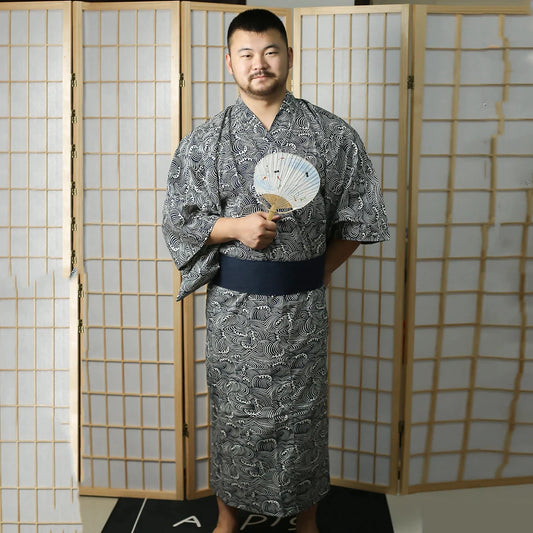
Vintage & Secondhand Kimonos: Your Ultimate Guide to Finding, Authenticating & Buying Online

NOUVEAU : Kimono Shopping & Sustainability
Vintage & Secondhand Kimonos: Your Ultimate Guide to Finding, Authenticating & Buying Online
⚡ Quick Answer
To find, authenticate, and buy vintage & secondhand kimonos online in the United States, focus on reputable platforms like Etsy, eBay, and specialized boutiques. Authenticate by examining fabric, stitching, patterns, and historical context. Prioritize sellers with detailed descriptions, clear photos, and transparent return policies to ensure a confident and sustainable purchase.
The Allure of Vintage & Secondhand Kimonos
In a world increasingly conscious of sustainability and individuality, the appeal of vintage & secondhand kimonos has soared, especially across the United States. These aren't just garments; they are wearable art, each telling a story of Japanese heritage, craftsmanship, and a bygone era. Opting for a vintage piece means embracing a unique aesthetic that mass-produced fashion simply cannot replicate, all while making an environmentally responsible choice.
From the intricate hand-dyed patterns of a mid-century silk kimono to the robust weaves of a Taisho-era cotton yukata, every vintage piece offers a glimpse into Japan's rich textile history. Beyond their beauty, secondhand kimonos contribute to a circular economy, reducing waste and extending the life cycle of exquisitely made clothing. For collectors, fashion enthusiasts, or anyone seeking a distinctive wardrobe addition, the hunt for the perfect vintage kimono is a rewarding journey.
Whether you're drawn to the vibrant hues of a celebratory furisode, the subtle elegance of a formal tomesode, or the everyday comfort of a komon, understanding how to navigate the online marketplace is crucial. This guide will equip you with the knowledge to confidently find, authenticate, and purchase your next cherished vintage & secondhand Japanese kimono, ensuring its beauty and history continue to thrive in your hands.
Where to Hunt for Vintage Kimonos Online in the US
The digital landscape has revolutionized how we access global treasures, making it easier than ever to acquire authentic Japanese kimonos from sellers around the world, right here in the United States. However, not all platforms are created equal, and knowing where to look can save you time, money, and potential disappointment. Here are the primary avenues for your vintage kimono quest:
Specialized Online Boutiques
Many US-based online stores, like our own, specialize exclusively in Japanese fashion, including vintage kimonos. These boutiques often have curators with deep knowledge of kimono history, fabrics, and styles. They typically offer a more curated selection, detailed descriptions, and often professionally cleaned and repaired items. While prices might be slightly higher, you're paying for expertise, quality assurance, and often easier returns. Look for shops that provide extensive product photos, condition reports, and transparent sizing information.
Etsy: A Treasure Trove of Independent Sellers
Etsy is a fantastic platform for vintage & secondhand kimonos due to its global community of independent sellers. You'll find everything from antique silk pieces to more modern, casual styles. The key here is to use very specific search terms (e.g., "Japanese vintage silk kimono," "Haori jacket women United States"). Pay close attention to seller reviews, shop policies, and the number of sales. Many reputable US-based sellers source directly from Japan and offer excellent customer service.
eBay: The Auction House Experience
eBay remains a powerhouse for vintage finds, including kimonos. It offers a vast inventory, often at competitive prices, especially if you're comfortable with bidding. The challenge is sifting through listings and accurately assessing condition from photos. Look for sellers with high positive feedback, clear communication, and a history of selling similar items. Always read the full description, paying attention to measurements, flaws, and shipping costs to the United States.

Pro Tip: Leverage Filters!
When searching on any platform, use filters for origin (Japan), material (silk, cotton), condition (vintage, used), and even price range. This narrows down your options significantly and helps you discover exactly what you're looking for, whether it's a Silk Kimono or a casual Japanese Yukata.
Decoding Authenticity: Key Elements to Look For
Authenticating a vintage kimono involves a blend of visual inspection, material knowledge, and an understanding of Japanese textile history. While you can't physically touch the garment when buying online, detailed photos and descriptions are your best friends. Here’s what to scrutinize:
Fabric and Dyeing Techniques
The fabric is often the first giveaway. Traditional kimonos are predominantly made from silk, cotton, linen, or wool. Modern, mass-produced kimonos might use synthetic blends. Silk kimonos often have a unique drape, subtle sheen, and intricate weaves (e.g., chirimen crepe, smooth rinzu). Look for evidence of traditional dyeing methods like Yuzen (hand-painted designs), shibori (tie-dye), or kasuri (ikat weaving), which indicate quality and age.
Stitching and Construction
Vintage kimonos are typically hand-sewn or a combination of hand and machine stitching. Examine the seams: are they neat and even? Are there signs of hand-finishing, especially around the collar, sleeve openings, and hem? Older kimonos were often sewn with long, loose stitches, allowing for easy deconstruction for cleaning or alteration. The overall construction should feel robust yet fluid, reflecting generations of garment-making expertise.
Patterns and Motifs
Japanese kimono motifs are rich with symbolism and often reflect the season or specific occasions. Floral patterns like cherry blossoms (spring), chrysanthemums (autumn), or pine trees (longevity) are common. Geometrical patterns, waves, cranes, or specific family crests (kamon) also provide clues to authenticity and era. Researching common motifs from different periods can help you identify a genuine vintage piece from a modern reproduction. A truly authentic Traditional Kimono will often feature these culturally significant designs.
Era Identification and Provenance
While challenging online, some sellers provide information about the kimono's era (Meiji, Taisho, Showa, Heisei). This helps contextualize the style, fabric, and patterns. Look for clues like broader sleeves (sode) on older kimonos, specific collar styles, or lining choices. If a seller mentions provenance (e.g., "from an estate sale in Kyoto," "passed down through generations"), it adds to the credibility, though always verify with visual evidence.

Beware of "Kimono-Style" Items!
Many garments are marketed as "kimono-style" but are not authentic Japanese kimonos. These are often modern robes or jackets inspired by the silhouette. Always look for full, traditional construction (straight seams, T-shape, specific collar, full sleeves) and explicit mention of "Japanese Kimono" or "Vintage Kimono" in the description, especially when looking for a genuine Japanese Kimono.
Navigating Online Purchases: A Buyer's Checklist
Buying a vintage kimono online requires diligence and a keen eye. With no physical interaction, you rely entirely on the seller's presentation. Here’s a checklist to ensure a smooth and satisfying purchase:
- High-Quality Photos: Are there multiple images from different angles? Are details like fabric texture, stitching, and any flaws clearly visible? Insist on photos of the lining and any hidden areas.
- Detailed Descriptions: Does the seller provide specifics on fabric type, dimensions (length, sleeve span, width), estimated age, and condition? A vague description is a red flag.
- Condition Report: Is every flaw, no matter how minor (stains, tears, fading, moth holes), explicitly mentioned and ideally photographed? Transparency is key.
- Accurate Measurements: Kimono sizing is different from Western clothing. Always check the exact measurements provided against your own or a garment you own.
- Seller Reputation: Check reviews and ratings. What do previous buyers say about accuracy of description, shipping, and communication?
- Shipping & Returns: Understand the shipping costs and estimated delivery times to the United States (typically 10-25 business days for international orders). Familiarize yourself with the return policy – is it generous or restrictive?
- Price vs. Value: Does the price reflect the kimono's condition, age, material, and rarity? Be wary of prices that seem too good to be true, but also don't overpay for a heavily flawed piece.
70%
of vintage kimonos require minor care upon arrival.
85%
of buyers seek unique patterns not found in modern fashion.
42%
choose vintage for sustainability reasons.
Understanding Condition and Fair Pricing
Vintage kimonos, by definition, have lived a life before reaching you. It's rare to find a truly "mint" condition piece. Most will have minor imperfections, which often add to their charm and story. Understanding condition grades and what influences pricing is essential for making an informed purchase.
Common Condition Grades
- Excellent/Near Mint: Very few, if any, discernible flaws. Colors are vibrant, fabric is strong. These are rare and command premium prices.
- Very Good: Minor, superficial flaws such as faint spots, slight fading, or small, repairable snags. Still highly wearable and displayable.
- Good: More noticeable flaws like several small stains, slight discoloration, or minor wear in specific areas. Often suitable for casual wear, display, or upcycling projects like a Kimono Dress.
- Fair/Poor: Significant damage, large stains, tears, or extensive fading. Usually bought for fabric salvage, costume, or as a project piece for an experienced restorer.
What Influences Price?
Several factors determine a vintage kimono's value in the US market:
- Material: Silk is generally more expensive than cotton or wool. Rare weaves or elaborate embroidery increase value.
- Age & Rarity: Older, rarer kimonos (e.g., pre-WWII) in good condition are more valuable.
- Artistry: Hand-painted Yuzen, intricate shibori, or unique artisan work significantly boosts the price.
- Condition: The better the condition, the higher the price. A spotless, vibrant piece will always fetch more.
- Type: Formal kimonos (furisode, tomesode) are often more valuable than casual ones (komon, yukata) due to their elaborate design and craftsmanship.
- Provenance: Known history or association with a famous maker can add value.
“Every stitch tells a story, and every imperfection is a whisper from the past. A truly loved kimono is never flawless, only richer for its journey.”Traditional Japanese Textile Artisan
Caring for Your Timeless Treasure
Once you've found and purchased your perfect vintage & secondhand Japanese kimono, proper care is paramount to preserving its beauty and longevity. Many vintage kimonos, especially those made of silk, require delicate handling. Improper cleaning or storage can lead to irreversible damage.
Cleaning Vintage Kimonos
For most silk or delicate vintage kimonos, professional dry cleaning by a specialist experienced in delicate textiles is highly recommended. Never machine wash or tumble dry a silk kimono. For cotton or linen yukata, hand washing in cold water with a mild, pH-neutral detergent can be possible, but always test a small, inconspicuous area first. If in doubt, consult a professional. Address any stains promptly, but avoid harsh chemicals that could damage the fabric or dyes.
Storage Solutions
Correct storage is crucial to prevent damage from light, dust, and pests. Store your kimono folded flat in acid-free tissue paper within a breathable storage box or drawer. If hanging, use a padded hanger to avoid stress on the shoulders and ensure it's in a garment bag made of breathable fabric (not plastic, which traps moisture). Keep your kimono in a cool, dry, dark place away from direct sunlight and extreme temperature fluctuations. Regular airing out can also help keep it fresh.

Preserving the Colors
To prevent fading, always store your vintage kimono away from direct sunlight and artificial light. If displaying, ensure it's in a location with minimal light exposure. For long-term storage, consider wrapping it in unbleached cotton or acid-free paper to protect the delicate dyes and fabric integrity.
Styling Your Vintage Kimono for the Modern US Lifestyle
One of the most exciting aspects of owning a vintage & secondhand Japanese kimono is the endless possibilities for modern styling. These versatile garments can transcend traditional boundaries and integrate beautifully into contemporary fashion in the United States, offering a unique blend of heritage and personal expression.
Casual Chic and Everyday Elegance
Don't reserve your kimono for special occasions. A vintage Short Kimono or a Haori Jacket can be effortlessly draped over jeans and a simple tee for an elevated casual look. Wear a longer Kimono Cardigan over a slip dress or with tailored trousers for a sophisticated ensemble. The flowing silhouette adds an instant touch of elegance and visual interest to any outfit. Think of it as a unique, artistic outerwear piece.
Layering and Accessorizing
Layering is key to modern kimono styling. For cooler weather, wear a vintage silk kimono over a fitted turtleneck or light sweater. Belt it with a wide leather belt for a cinched waist silhouette, or let it hang open for a relaxed vibe. Accessorize with contemporary jewelry, scarves, or even a statement bag to bridge the gap between traditional and modern. Remember, a kimono doesn't always need a traditional obi; a simple sash or even a decorative cord can redefine its look.
Home Comfort and Unique Decor
Beyond fashion, many vintage kimonos make exquisite home decor pieces. Hang a beautiful, intricately patterned kimono as wall art to create a striking focal point in your living space. Use a less-than-perfect condition kimono for its fabric in creative upcycling projects, or even as a luxurious Kimono Robe for lounging at home. Their rich textures and vibrant colors bring warmth and character to any interior.
Ready to Discover Your Vintage Kimono?
Explore our curated collection of authentic Japanese kimonos. Find your perfect piece of wearable history today.
See Our Traditional Kimono Collection →Frequently Asked Questions
Generally, an item is considered vintage if it's at least 20 years old but less than 100 years old. Antique items are typically 100 years or older. So, a kimono from the 1950s or 60s would be vintage, while one from the early 1900s or late 1800s would be antique. Antique kimonos are often rarer, might use different dyes or weaving techniques, and usually command higher prices due to their historical significance and scarcity in the United States market.
While difficult online, look for tell-tale signs in high-resolution photos: silk has a natural sheen, a soft drape, and often a subtle texture (like chirimen crepe). If a seller provides a burn test video (a small fiber burns to a fine ash and smells like burnt hair), that's a definitive sign. Otherwise, trust reputable sellers who explicitly state "100% silk" and provide clear photos of the fabric. Synthetic fibers often look shinier, feel stiffer, and don't drape as naturally.
Yes, vintage kimonos can be altered, but it requires a skilled hand and knowledge of kimono construction. Because kimonos are made from straight panels, they have significant seam allowances, making them relatively easy to adjust in length and width. However, altering the sleeves or complex patterns might be more challenging. For delicate silks, it's best to consult a professional tailor specializing in vintage or ethnic garments to avoid damage, especially in the US where such specialists might be rare.
Common flaws include yellowing or faint brown spots, especially on white or light-colored areas, often due to age or improper storage. Fading of colors, particularly on the shoulders or areas exposed to light, is also frequent. Minor snags, small holes (sometimes from insects), and general wear along the hem or collar are also typical. Reputable sellers will always disclose these in detail, often with close-up photos, allowing you to make an informed decision on your vintage & secondhand kimono purchase.
Absolutely! Buying vintage & secondhand kimonos is an excellent sustainable fashion choice. It reduces demand for new textile production, conserves resources like water and energy, and prevents beautiful garments from ending up in landfills. By giving a vintage kimono a new life, you contribute to a circular economy, celebrate enduring craftsmanship, and acquire a unique piece of cultural heritage without the environmental impact of fast fashion. It's a conscious decision for both style and planet.
Mustiness is common in vintage textiles. First, air the kimono out in a well-ventilated area, away from direct sunlight, for several days or even weeks. You can also try placing it in a sealed container with odor absorbers like baking soda (in an open container, not directly on the fabric) or activated charcoal. For persistent smells or delicate fabrics, professional dry cleaning by a specialist familiar with vintage garments is the safest and most effective option to refresh your vintage & secondhand Japanese kimono without damage.
Tags:
Previous
Kimono Etiquette for Non-Japanese: When & Where It's Appropriate to Wear
Next
Kimono Quality Markers: How to Identify Authentic vs. Affordable Pieces