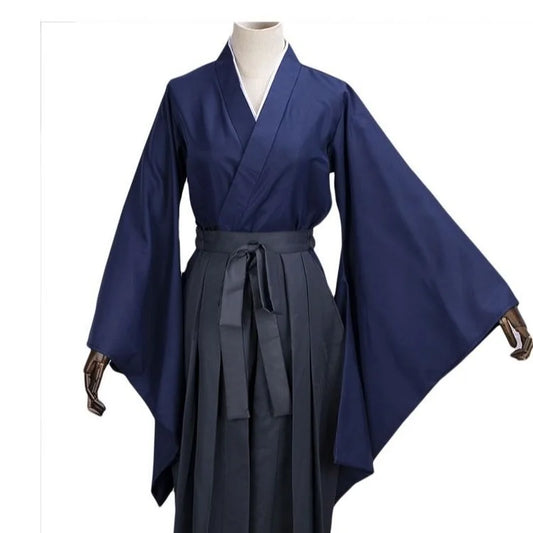
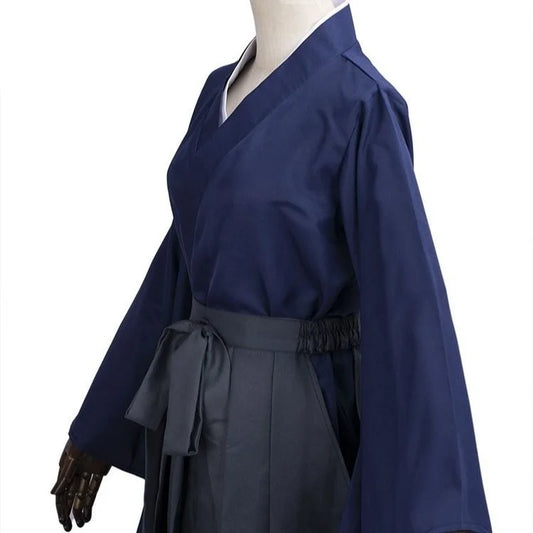
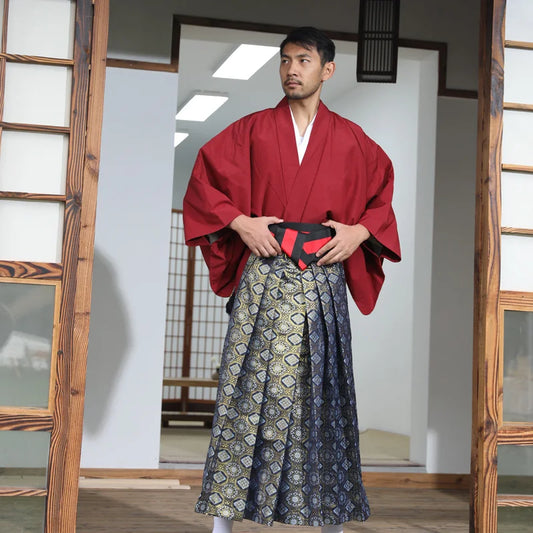
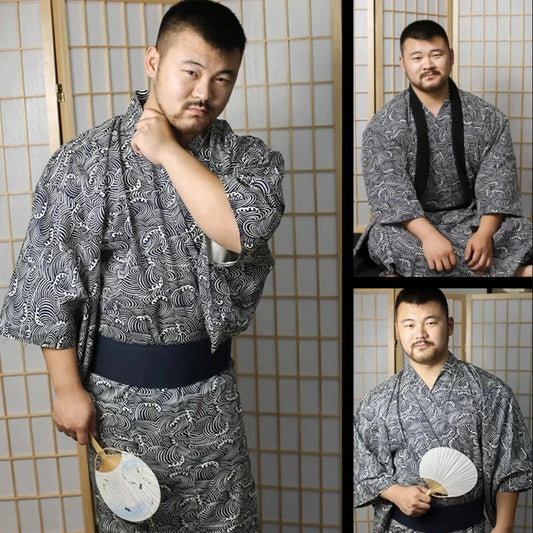
Modern Kimono Fashion & Styling
Kimono Color Guide: Choosing the Right Shade for Your Skin Tone
⚡ Quick Answer
Choosing the right kimono color for your skin tone involves identifying if you have warm, cool, or neutral undertones. Cool tones often shine in blues, purples, and emerald greens, while warm tones glow in reds, oranges, and earthy browns. Neutral skin tones have the most versatility, excelling in almost any color, especially muted shades. Always consider the occasion and personal preference for a truly harmonious look.
Decoding Your Skin's Undertone: The First Step to Kimono Harmony
Welcome, fellow fashion enthusiast, to the ultimate Kimono Color Guide: Choosing the Right Shade for Your Skin Tone! In the world of Japanese fashion, particularly with the timeless elegance of the kimono, color isn't just a preference—it's a statement. It's about creating harmony between the garment and you, enhancing your natural beauty in a way that feels authentic and stunning. Before we dive into a kaleidoscope of options, the first crucial step is understanding your skin's undertone. This isn't about the surface color you see (your skin can get tanner or lighter), but rather the subtle hue underneath that remains consistent.
There are three primary undertones: cool, warm, and neutral. Identifying yours is simpler than you might think and will unlock a world of flattering kimono colors. One popular method is to look at the veins on your inner wrist under natural light. If they appear blue or purple, you likely have cool undertones. If they look green, you lean towards warm undertones. If you can't quite tell, or they seem to be a mix of both, you probably have neutral undertones – congratulations, you're one of the lucky few who can pull off almost any color!
Another quick trick is the jewelry test. Does silver jewelry tend to look more striking on you, making your skin glow? That often points to cool undertones. If gold jewelry brings out a radiant warmth in your complexion, you're likely warm-toned. If both silver and gold look equally good, you're probably neutral. Knowing this fundamental aspect of your unique complexion is the foundation upon which we'll build your perfect Kimono wardrobe, ensuring every choice you make is a harmonious blend of tradition and personal style, specifically tailored for the modern wearer in the United States.
Cool Skin Tones: Embrace the Serenity of Blue and Green Kimonos
For those with cool skin undertones—characterized by hints of pink, red, or blue—your complexion naturally thrives in colors that mirror these cooler hues. Think of a serene winter landscape or the tranquil depths of the ocean. The best kimono colors for you will be those that have a blue base, creating a refreshing contrast that makes your skin appear brighter and more luminous. Imagine yourself draped in an exquisite Silk Kimono in an indigo blue, or a soft lavender, catching the light perfectly.
Recommended colors include:
- Jewel Tones: Emerald green, sapphire blue, amethyst purple, ruby red (with a blue base)
- Pastels: Sky blue, mint green, lavender, rose pink
- Neutrals: Pure white, charcoal gray, true black
These shades will not only complement your natural coloring but also elevate your overall look, giving you an air of sophistication and calm. For instance, a deep emerald green Japanese Kimono can make cool-toned skin absolutely pop, bringing out the subtle pinks in your cheeks. Avoid overly warm colors like strong oranges or golden yellows, as they can sometimes make cool skin appear sallow or washed out. Instead, focus on creating a fresh, vibrant palette that celebrates your natural coolness.
Pro Tip for Cool Tones
When selecting a traditional or modern kimono, consider fabrics that enhance these cool tones. Silks with a slight sheen often reflect light beautifully, making blues and greens even more striking. Always try to see the color in natural light, as artificial lighting can distort true hues, especially for delicate pastels or deep jewel tones for your US-based style.
Warm Skin Tones: Radiate in Earthy Hues and Fiery Kimonos
If your skin boasts warm undertones—characterized by hints of yellow, gold, or peach—you have a natural glow that is beautifully enhanced by colors rooted in the earth and sun. Picture a vibrant autumn forest or a fiery sunset. These are the hues that will make your complexion sing, bringing out your natural radiance. Your best bet for a stunning Kimono Color Guide: Choosing the Right Shade for Your Skin Tone will lean towards rich, vibrant, and earthy palettes.
Recommended colors include:
- Earthy Tones: Olive green, moss green, terracotta, warm brown, cream
- Fiery Hues: Coral, golden yellow, orange, tomato red, peach
- Neutrals: Off-white, beige, bronze, mushroom gray
These colors will harmonize with your skin's golden glow, making you look vibrant and healthy. A rich coral Floral Kimono, for example, can instantly brighten a warm complexion, highlighting the natural warmth in your skin. Think about a beautiful golden-yellow or a deep olive green; these shades will feel like a natural extension of your own warmth. Steer clear of very cool, icy tones like stark blues or purples with a strong blue base, as they can sometimes create a dulling effect on warm skin. Instead, embrace the richness and vibrancy that naturally complements your undertone.

When shopping for your next Japanese kimono in the US, don't be afraid to experiment with these warmer palettes. Even a subtle hint of a warm undertone in a pattern can make a significant difference. Consider a Traditional Kimono with intricate gold embroidery or a modern piece featuring warm botanical prints. The goal is to create an ensemble that feels like a sunlit embrace for your skin.
Neutral Skin Tones: The Versatile Palette for Effortless Kimono Style
For those blessed with neutral skin undertones, where neither pink/blue nor yellow/gold tones prominently stand out, you possess an incredible versatility in your color choices. This means you can often wear both warm and cool colors beautifully, giving you the widest range of options in your Kimono Color Guide: Choosing the Right Shade for Your Skin Tone journey. Your skin tends to balance itself, making it a perfect canvas for almost any hue. However, there are still some expert tips to truly make your kimono choices shine.
Recommended colors include:
- Muted Tones: Soft rose, dusty blue, sage green, taupe, mushroom gray
- Mid-range Hues: Medium blues, true reds, jade green
- Neutrals: Cream, beige, pure white, charcoal gray, black
While you have the freedom to experiment, neutral skin tones often look exceptionally striking in colors that are neither too starkly warm nor too intensely cool. Muted and mid-range shades tend to complement you perfectly, offering a sophisticated and balanced look. A versatile Kimonos for Women piece in a rich, true red or a deep jade green would be an excellent choice, as these colors have a balanced undertone themselves.
“The secret to true style isn't about following trends, but understanding what truly makes you feel radiant. Color is your most powerful ally in this journey.”Traditional Japanese Artisan
You can also play with contrasts. If you're opting for a warmer shade, balance it with cool-toned accessories, and vice-versa. This flexibility allows for incredible creativity in styling your Japanese kimono. Don't shy away from experimenting with patterns that blend both warm and cool elements, as your skin tone will naturally harmonize them. The key for neutral undertones is to avoid colors that are too overwhelming or vibrant, as they might overshadow your balanced complexion rather than enhancing it. Instead, aim for colors that bring out a subtle glow, making you look effortlessly chic whether you're in the heart of Tokyo or enjoying a stroll in a US city.
Beyond Skin Tone: The Art of Kimono Color for Every Occasion and Season
While understanding your skin tone is foundational, the Kimono Color Guide: Choosing the Right Shade for Your Skin Tone extends far beyond personal complexion. The art of kimono dressing also deeply considers the occasion, the season, and even the time of day. In traditional Japanese culture, these factors play a significant role in color and pattern selection, adding layers of meaning and appropriateness to your ensemble. Embracing these nuances can transform your kimono experience, making your choices not just beautiful, but also culturally resonant and perfectly suited to the moment.
For formal events, such as weddings (perhaps a Wedding Kimono) or ceremonies, more subdued and elegant colors are often preferred. Rich, deep jewel tones or classic muted shades tend to convey respect and sophistication. For instance, a deep purple or a forest green kimono, adorned with subtle gold accents, would be ideal. Conversely, for casual outings or festivals, vibrant and playful colors are encouraged. Bright reds, sunny yellows, and cheerful blues, often paired with lively patterns, are perfect for expressing joy and festivity.
Seasonal considerations are equally important. Spring kimonos often feature light pastels and floral motifs (like our Floral Kimono collection), reflecting new growth and blooming flowers. Summer calls for cooler colors like blues and whites, often in lighter fabrics like a Japanese Yukata, to evoke a sense of freshness and coolness. Autumn embraces the rich, warm hues of changing leaves—think deep reds, oranges, and browns. Winter often sees darker, more profound colors like deep blues, purples, and blacks, perhaps with patterns of snow or pine, symbolizing endurance and elegance. Even in modern kimono fashion in the US, these traditional guidelines offer a wonderful framework for thoughtful styling.

Embrace the Flow of Seasons
Think of your kimono as a wearable piece of art that changes with the natural world. Choosing colors that reflect the current season not only looks stunning but also connects you to a deeper cultural appreciation for nature's cycles, enhancing your personal style in the United States.
The Language of Color: Symbolism in Japanese Kimono
Beyond aesthetics and personal flattery, the colors of a Japanese kimono carry profound symbolism, a language understood through centuries of tradition. This ancient understanding adds another rich layer to our Kimono Color Guide: Choosing the Right Shade for Your Skin Tone. When you choose a kimono, you're not just picking a shade; you're often embracing a piece of history and meaning. This cultural depth is part of what makes wearing a Japanese kimono such a unique and cherished experience, whether you're in Kyoto or California.
Here’s a glimpse into the traditional meanings associated with some common kimono colors:
- Red (Aka): Symbolizes passion, vitality, protection against evil. Historically, often worn by younger women and brides.
- White (Shiro): Represents purity, divinity, sanctity, and innocence. Often used for ceremonial occasions, including weddings.
- Black (Kuro): Signifies formality, dignity, sophistication, and mystery. A Black Kimono is often worn for formal events and by married women.
- Blue (Ao): Associated with calmness, stability, loyalty, and coolness. A very popular color, particularly for everyday wear and yukata.
- Green (Midori): Represents nature, growth, youth, and tranquility. Often seen in spring and summer kimonos.
- Purple (Murasaki): Historically, a color of royalty, nobility, and wealth due to its rarity. Symbolizes elegance and longevity.
- Gold (Kin): Denotes prosperity, luxury, and good fortune. Often used for intricate embroidery and formal kimonos.
Understanding these symbolic meanings allows you to choose a kimono that not only looks great but also communicates a subtle message, aligning with the spirit of the occasion or your personal aspirations. For example, a young woman might choose a vibrant red kimono for a festival to symbolize youth and energy, while an older woman might opt for a deep purple to convey elegance and wisdom. This rich tapestry of meaning is what truly sets the Japanese kimono apart in the world of fashion, offering a depth that goes far beyond surface beauty, making it a compelling choice for cultural connoisseurs in the US.

Mastering Kimono Patterns and Accessories: Enhancing Your Color Choice
The beauty of a kimono is rarely found in a solid block of color alone. Instead, it's often the intricate patterns and the thoughtful pairing of accessories that truly bring the garment to life, creating a cohesive and stunning ensemble. This section of our Kimono Color Guide: Choosing the Right Shade for Your Skin Tone will help you navigate how patterns interact with color and how the right accessories can amplify your kimono's impact, ensuring your style is polished from head to toe, especially for the discerning US market.
Patterns and Color Synergy: Kimono patterns can be bold and vibrant or subtle and understated. When choosing a patterned kimono, consider the dominant color within the pattern and how it interacts with your skin tone. If you have cool undertones, look for patterns where blues, greens, or purples are prominent, even if there are warmer accent colors. Similarly, warm-toned individuals will flourish in patterns featuring reds, oranges, or golden yellows as primary hues. Neutral tones can play with patterns that blend both warm and cool elements, creating a balanced visual appeal. The scale of the pattern also matters: larger, bolder patterns tend to make a strong statement, while smaller, more delicate motifs offer understated elegance. For example, a Kimono Cardigan might feature a subtle wave pattern in blues and grays, ideal for a cool skin tone seeking everyday elegance.
Accessorizing Your Kimono: Accessories are the final brushstrokes that complete your kimono masterpiece. The obi (sash), footwear (geta or zori), and hair ornaments (kanzashi) all provide opportunities to either complement or contrast your chosen kimono color. For a harmonious look, select an obi in a color that is either a shade lighter or darker than your kimono, or one that features a color present in your kimono's pattern. For instance, if your kimono is a deep forest green, an obi with gold embroidery or in a complementary mustard yellow could be stunning for a warm-toned individual. Conversely, a silver obi could beautifully accentuate a blue kimono for someone with cool undertones.
Choosing accessories in metals (gold, silver), pearls, or natural materials like wood can also enhance your kimono's color without overpowering it. Remember, the goal is to create a sense of balance and flow, where every element contributes to the overall beauty of your look. This meticulous attention to detail is a hallmark of Japanese aesthetic, allowing you to craft a truly unique and personalized statement with your kimono in the United States.
10-25
Delivery Days (US)
$80+
Free Shipping Threshold
250+
Unique Designs Available
Your Journey to the Perfect Kimono: Expert Tips for a Flawless Look
Embarking on the journey to find your perfect kimono is an exciting adventure, blending personal style with rich tradition. By now, you've gained invaluable insights from our Kimono Color Guide: Choosing the Right Shade for Your Skin Tone, understanding the nuances of undertones, seasonal considerations, and profound symbolism. Remember, while guidelines are helpful, the ultimate decision rests with what makes you feel beautiful, confident, and authentically you. A kimono is more than just clothing; it's an expression of art, culture, and individuality.
Here are a few final expert tips to ensure your kimono choice is flawless:
- Trust Your Instincts: While color theory is a fantastic tool, sometimes a color just 'feels right.' If you love a particular shade and it brings you joy, chances are you'll exude confidence in it, which is the most flattering accessory of all.
- Consider Your Wardrobe: Think about the colors that already dominate your closet. This can give you clues about colors you naturally gravitate towards and feel good in, helping you choose a kimono that integrates seamlessly with your existing style.
- Experiment with Layers: Kimonos are incredibly versatile. Don't hesitate to experiment with layering. A neutral kimono can be dramatically transformed by a vibrant obi or a colorful underlayer, allowing you to play with shades without committing to a single dominant color.
- Seek Expert Advice: If you're still unsure, don't hesitate to reach out. Our team of kimono enthusiasts is always here to offer personalized advice and help you navigate our extensive collection to find the ideal piece that resonates with your unique style and skin tone.
Whether you're seeking a Men's Kimono or a delicate Kimono Dress, the principles of color harmony remain universal. The beauty of the kimono lies in its adaptability and timeless appeal, allowing everyone, regardless of skin tone, to find a piece that truly speaks to them. We encourage you to explore our diverse range, from traditional silks to modern interpretations, and discover the kimono that not only complements your complexion but also captures your heart.

Find Your Perfect Kimono Color Today!
Ready to discover the kimono that truly enhances your natural beauty? Explore our curated collection designed to flatter every skin tone and occasion.
Shop Kimonos for Women →FAQ
You can often determine your undertone by looking at the veins on your inner wrist in natural light. Blue or purple veins usually indicate cool undertones, while green veins suggest warm undertones. If you see a mix or can't clearly distinguish, you likely have neutral undertones. Another test is to see whether silver or gold jewelry looks better on you; silver often suits cool tones, gold suits warm, and both suit neutral, guiding your kimono color choice in the US.
Cool skin tones, with their pink, red, or blue hints, look stunning in colors with a blue base. Think jewel tones like emerald green, sapphire blue, amethyst purple, and ruby red. Pastels like sky blue, mint green, and rose pink are also very flattering. Neutrals such as pure white, charcoal gray, and true black will also complement your complexion beautifully, making your Japanese kimono stand out in the United States.
Warm skin tones, characterized by golden, yellow, or peach undertones, truly glow in earthy hues and fiery shades. Opt for colors like olive green, terracotta, coral, golden yellow, and tomato red. Cream, beige, and bronze are excellent neutral choices. These colors will enhance your natural radiance and create a harmonious look with your kimono, perfect for showcasing your unique style across the US.
Neutral skin tones have the incredible advantage of suiting both warm and cool colors. However, they particularly shine in muted tones and mid-range hues like soft rose, dusty blue, sage green, and jade green. True reds and medium blues are also excellent choices. Neutrals like cream, taupe, and charcoal gray offer a sophisticated backdrop, allowing you to experiment broadly with your kimono selection in the United States.
The occasion is incredibly important in traditional and modern kimono styling. Formal events often call for more subdued, elegant colors and patterns, while casual outings or festivals welcome vibrant, playful hues. Seasonal considerations also influence color choice, with light pastels for spring and deep jewel tones for winter. Balancing your skin tone with the event's appropriateness ensures a respectful and stunning kimono ensemble, whether in Japan or the US.
Absolutely! While our Kimono Color Guide: Choosing the Right Shade for Your Skin Tone provides excellent guidelines, personal preference and confidence are paramount. If you adore a particular color, wear it! You can mitigate any less-than-ideal effects by choosing a shade that has a subtle undertone closer to your skin (e.g., a blue-red for cool tones) or by using flattering accessories and makeup. Fashion is about self-expression, and your comfort in a kimono is key to radiating beauty in the United States.
Tags:
Previous
Kimono Fabrics 101: Silk, Cotton & Affordable Materials Explained
Next
Kimono Occasions in Japan: When & Where to Wear Each Type