Kimono Fabrics 101: Silk, Cotton & Affordable Materials Explained
Modern Kimono Fashion & Styling
Kimono Fabrics 101: Silk, Cotton & Affordable Materials Explained
⚡ Quick Answer
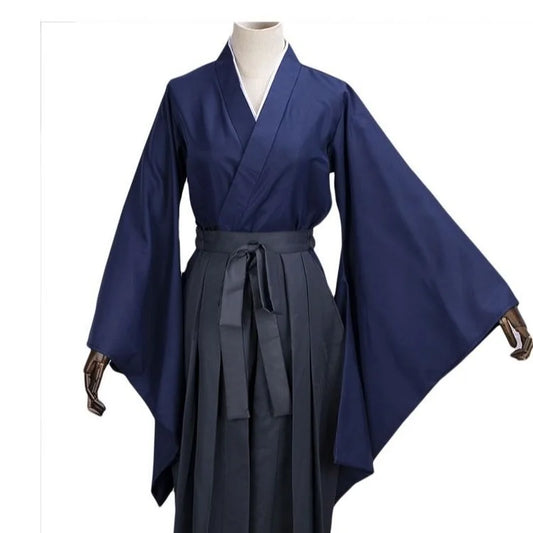
Kimono fabrics range from luxurious silk, prized for its drape and sheen, to breathable cotton, perfect for everyday wear and yukata. Modern options like polyester and rayon offer affordability, durability, and ease of care, making traditional styles accessible to everyone. Choosing the right fabric depends on the occasion, climate, budget, and desired aesthetic.
The Foundation of Kimono: Why Fabric Matters So Much
Stepping into the world of Japanese kimonos is an enchanting journey, rich with history, artistry, and cultural significance. While the intricate patterns and vibrant colors often capture our immediate attention, the true soul of a kimono lies in its fabric. The choice of material dictates everything from the garment's drape and movement to its comfort, formality, and even how it withstands the test of time. Understanding kimono fabrics isn't just about knowing what they're made of; it's about appreciating the centuries of craftsmanship, innovation, and thoughtful design that go into each piece.
For centuries, the Japanese have mastered the art of textile production, transforming raw fibers into exquisite materials that breathe life into the simple, straight-seamed panels of a kimono. From the rustle of luxurious silk to the crisp feel of cotton, each fabric tells a story and serves a distinct purpose. Whether you're a seasoned kimono enthusiast, a budding collector, or simply curious about adding a touch of Japanese elegance to your wardrobe, demystifying kimono fabrics is your first step towards making an informed and satisfying choice. It's about finding that perfect balance between beauty, practicality, and personal expression.
In this comprehensive guide, we'll unravel the mysteries of traditional and modern kimono textiles. We'll explore the unparalleled elegance of silk, the everyday charm of cotton, and the growing popularity of affordable, durable alternatives. Our goal is to equip you with the knowledge to not only appreciate the diverse world of kimono fabrics but also to confidently select a kimono that perfectly suits your style, needs, and budget. Get ready to discover how the right fabric can transform a garment from mere clothing into a wearable work of art.
Silk: The Traditional Grandeur and Unrivaled Elegance of Kimono
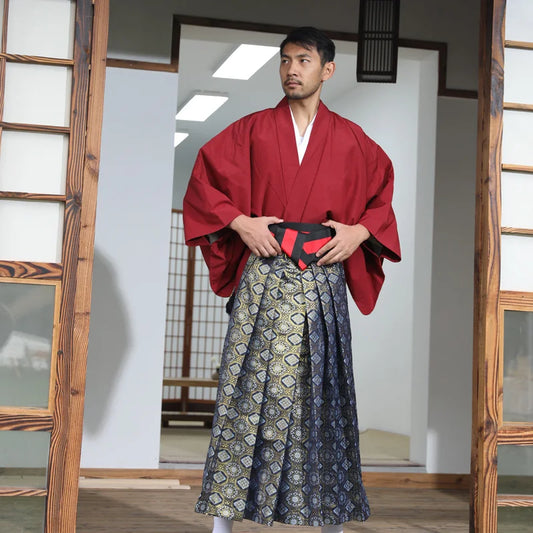
When one thinks of traditional Japanese kimonos, silk immediately comes to mind. Revered for its exquisite beauty, luxurious feel, and natural luster, silk has been the fabric of choice for formal and ceremonial kimonos for centuries. The way silk drapes and shimmers, catching the light with every movement, is truly unparalleled, making it the epitome of elegance and sophistication. Traditional silk kimonos are often hand-dyed and intricately woven, featuring stunning patterns that can range from subtle textures to elaborate, multi-colored designs.
There isn't just one type of silk, but a variety of weaves and textures that offer different aesthetics and uses. Chirimen silk, for instance, is known for its distinctive crepe-like texture, which gives the fabric a subtle bounce and helps it resist wrinkles – a common choice for formal visiting kimonos. Habutae silk is smooth, lightweight, and often used for linings or more casual silk pieces, while Tsumugi silk, made from spun rather than reeled silk threads, has a slightly coarser, more rustic feel and is celebrated for its durability and unique texture, often seen in more understated, everyday silk kimonos. These variations allow for a wide range of expressions within the realm of silk.
While silk kimonos are undoubtedly an investment, their longevity and timeless beauty make them cherished heirlooms. However, they do require meticulous care, typically demanding professional dry cleaning to maintain their integrity and vibrant colors. The price of a silk kimono can vary dramatically based on the quality of the silk, the complexity of the dyeing and weaving processes, and the reputation of the artisan. A simple, machine-dyed silk kimono might start in the mid-hundreds, while a hand-painted, vintage formal silk piece can easily reach thousands of dollars, reflecting the immense artistry involved. For those seeking the ultimate in luxury and authenticity, exploring our Silk Kimono collection offers a glimpse into this magnificent tradition.
Caring for Your Silk Kimono
Always store silk kimonos in a cool, dry place, ideally in a breathable garment bag to protect them from dust and light. Avoid direct sunlight, which can fade the delicate dyes. For wrinkles, use a cool iron with a pressing cloth or a garment steamer, but always test on an inconspicuous area first.
Cotton: The Everyday Comfort and Casual Charm of Kimono Fabrics
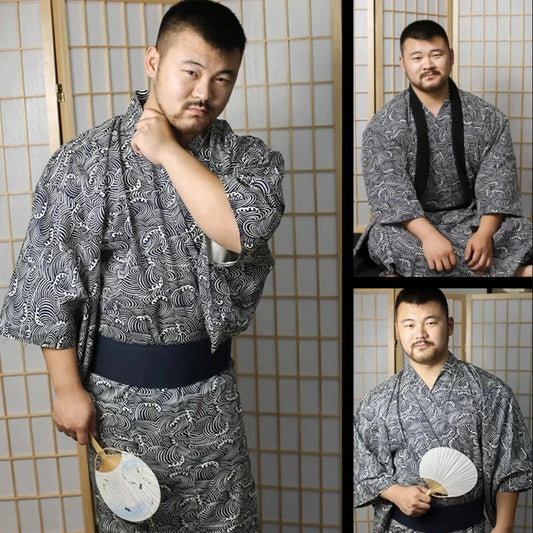
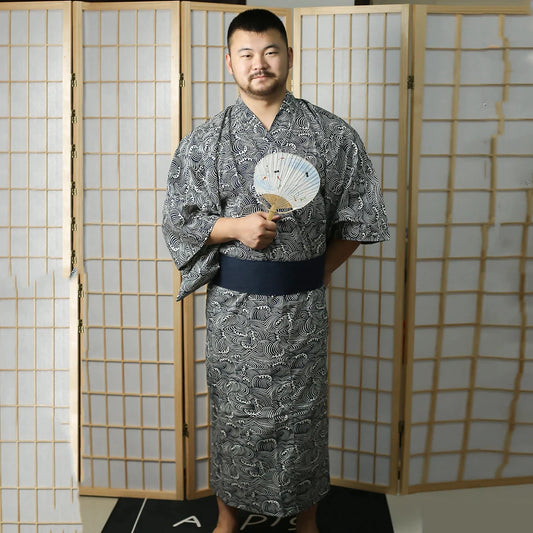
Moving from the grandeur of silk, we discover cotton – the wonderfully versatile and approachable fabric that brings the kimono aesthetic into daily life. Cotton kimonos, especially those in the form of Japanese Yukata, are celebrated for their breathability, absorbency, and comfortable feel, making them ideal for warmer weather and relaxed settings. Unlike the rigid formality often associated with silk, cotton offers a sense of ease and casual elegance, perfect for festivals, lounging at home, or even as a stylish beach cover-up.
The beauty of cotton lies in its practicality and diverse applications. Lightweight cotton weaves are perfect for summer yukata, often featuring vibrant prints like florals, geometric patterns, or classic indigo dyes. Heavier cottons, sometimes brushed or flanneled, can be used for more substantial, transitional season kimonos or even as cozy Kimono Bathrobe options. The texture of cotton also allows for a different kind of artistic expression, with patterns that feel more grounded and less formal than their silk counterparts. From crisp poplin to soft gauze, the range of cotton materials used in kimonos ensures there's an option for almost any casual need.
One of the most appealing aspects of cotton kimonos is their ease of care. Most can be machine-washed on a gentle cycle with cold water, making them a low-maintenance addition to your wardrobe. This accessibility, combined with their typically more affordable price point compared to silk, has made cotton kimonos incredibly popular, especially among those new to wearing traditional Japanese attire. They offer a fantastic entry point to experience the comfort and style of a kimono without the significant investment or specialized care requirements of silk. Whether you're looking for a simple, everyday piece or a vibrant festival garment, cotton provides a comfortable and stylish solution.
"The soul of a kimono lies not just in its design, but in the way its fabric breathes and moves with the wearer. Choose wisely, for it tells a story."Traditional Kimono Artisan
Modern & Affordable Alternatives: Polyester, Rayon, and Blends
In the evolving landscape of fashion, modern kimono styles have embraced a variety of synthetic and semi-synthetic fabrics, offering exciting alternatives to traditional silk and cotton. Materials like polyester, rayon, and various blends have become increasingly popular for their affordability, durability, and versatility. These fabrics allow for a wider range of designs and applications, making the beauty of the kimono accessible to a broader audience and for diverse occasions, from streetwear to everyday fashion.
Polyester is a standout for its resilience. It's incredibly resistant to wrinkles, fading, and shrinking, making polyester kimonos exceptionally easy to care for – often machine washable and quick-drying. Modern polyester blends can mimic the drape and feel of silk surprisingly well, especially when treated with advanced weaving techniques. This makes them an excellent choice for Kimonos for Women designed for travel, events where durability is key, or for those who simply prefer a low-maintenance garment. While it may lack the natural breathability of silk or cotton, its practical advantages are undeniable.
Rayon, a regenerated cellulose fiber, offers a different set of benefits. It's known for its soft, smooth texture and beautiful drape, often compared to silk, but at a fraction of the cost. Rayon absorbs dyes well, allowing for vibrant, rich colors and intricate patterns. It's breathable and comfortable against the skin, making it a popular choice for lightweight fashion kimonos and summer wear. However, rayon can be prone to wrinkling and may require careful washing to prevent shrinkage or damage. Blended fabrics, combining materials like cotton and polyester or rayon and linen, aim to harness the best qualities of each fiber, creating textiles that are both beautiful and practical, catering to the demands of contemporary lifestyles and offering a fantastic range for modern kimono enthusiasts.
10-25
Delivery Days
80+
Free Shipping Threshold ($)
75%
Kimono wearers prefer natural fibers for comfort
Choosing the Right Fabric for Every Kimono Occasion
The choice of kimono fabric is intrinsically linked to the occasion. Just as you wouldn't wear a ball gown to a casual brunch, the appropriate kimono fabric sets the tone for your appearance. Understanding these distinctions is key to truly appreciating and utilizing the versatility of this iconic garment. For highly formal events such as weddings (think Wedding Kimono) or significant ceremonies, pure silk is almost always the standard. Its inherent luster, rich texture, and ability to hold intricate designs elevate the garment to a level of unparalleled sophistication.
On the other hand, for casual outings, summer festivals, or simply lounging at home, cotton reigns supreme. A crisp cotton yukata is the quintessential choice for a summer evening stroll or a fireworks display, offering comfort and breathability in warm weather. Its relaxed feel makes it perfect for everyday wear, embodying a laid-back Japanese aesthetic. This flexibility has also made cotton popular for Kimono Cardigan styles, blending traditional design with contemporary comfort.
Modern synthetic fabrics like polyester and rayon excel in situations demanding practicality and affordability. They are often chosen for fashion-forward kimonos, streetwear styles, or when ease of maintenance is a priority. A polyester kimono might be perfect for a themed party, a stage performance, or even as a stylish outerwear piece that can withstand everyday wear and tear. These materials bridge the gap between traditional aesthetics and modern living, making the kimono accessible for contemporary fashion statements without the strict rules of traditional etiquette. When exploring our collections, consider the occasion first to guide your fabric choice.
Signature Kimono Silhouettes
While the basic kimono shape is timeless, fabrics give life to different kimono types. For instance, the flowing elegance of a traditional silk furisode (long-sleeved formal kimono) is entirely different from the light, airy feel of a cotton yukata. The sturdy structure required for a Haori Jacket can be found in various silks or even durable cotton blends, showcasing fabric versatility across specific garment forms.
Understanding Fabric Weight, Drape, and Seasonal Considerations
Beyond the fiber itself, the weight and drape of a fabric play a crucial role in how a kimono looks and feels, significantly influencing its suitability for different seasons and styles. Drape refers to how a fabric hangs or flows. Silk, with its inherent suppleness, is renowned for its elegant, fluid drape that creates beautiful movement and soft folds. This is why it's so favored for formal kimonos, where grace and fluidity are paramount. Lighter silks, like habutae, offer a delicate, airy drape, while heavier silks, such as those used for formal wedding kimonos, possess a more substantial, structured flow.
Cotton fabrics, in contrast, can range from a crisp, structured drape (like a tightly woven poplin) to a softer, more relaxed flow (like a brushed cotton or gauze). A crisp cotton is excellent for maintaining the sharp lines of a summer yukata, while a softer cotton might be preferred for a comfortable, everyday kimono or a bathrobe. Synthetic fabrics, especially modern polyesters, are engineered to mimic various drapes, from a crisp, structured feel to a silky, flowing one, making them incredibly versatile for contemporary designs. The fabric's weave also contributes to its drape; for example, a twill weave will have a different body and flow than a plain weave.
Seasonal considerations are paramount in kimono tradition. Lightweight, breathable fabrics like cotton, linen blends, and sheer silks (such as ro or sha) are ideal for summer, allowing air circulation and preventing overheating. These fabrics are often found in yukata or summer kimonos. For cooler autumn and spring, medium-weight silks like chirimen or slightly heavier cottons provide warmth without being too cumbersome. In winter, heavier silks, often lined for added insulation, or wool blends are chosen to provide maximum warmth. The choice of fabric weight and drape is not merely aesthetic; it's a practical decision rooted in comfort and tradition, ensuring the wearer is appropriately dressed for the climate and occasion. Many traditional Japanese textiles are specifically designed with seasonal changes in mind, from the airy openness of summer weaves to the dense warmth of winter silks.
Caring for Your Kimono Fabrics: A Guide to Longevity
Proper care is essential for preserving the beauty and extending the life of your kimono, regardless of its fabric. Each material has specific care requirements that, if followed, will keep your cherished garment looking pristine for years to come. Neglecting these guidelines can lead to irreparable damage, fading, or alteration of the fabric's texture and drape. Understanding the nuances of caring for silk, cotton, and synthetic kimonos is an act of respect for the garment and the craftsmanship behind it.
Silk kimonos, as the most delicate and valuable, demand the most gentle treatment. Historically, kimonos were rarely washed; instead, they were aired out and stains were spot-cleaned by specialists. Today, professional dry cleaning by a cleaner experienced with delicate garments is usually recommended. Never machine wash silk, as it can shrink, lose its luster, and damage the intricate dyes. Store silk kimonos flat or on a padded hanger in a breathable garment bag, away from direct sunlight and humidity. For minor wrinkles, a garment steamer used carefully from a distance, or ironing on the lowest silk setting with a pressing cloth, can be effective.
Cotton kimonos, particularly yukata, are far more forgiving. Most can be machine-washed on a gentle cycle with cold water and a mild detergent. To prevent fading, wash dark colors separately and avoid harsh bleaches. Tumble dry on low heat or, ideally, hang to dry to minimize wrinkles and preserve the fabric's integrity. Ironing cotton is usually straightforward, typically on a medium-hot setting, possibly with steam. Polyester and rayon kimonos also offer easier care. Polyester is often machine washable in cold water and can be tumble dried on low; it's quite wrinkle-resistant. Rayon, while also often machine washable on a delicate cycle, can be prone to shrinking or damage when wet, so hand washing or dry cleaning is sometimes preferred, and it should always be air-dried to maintain its shape and drape. Always check the care label specific to your kimono as blends and finishes can vary. With proper attention, even affordable materials can look fantastic for a very long time.
The Art of Kimono Storage
Traditional kimono storage involves folding the garment into specific flat rectangles and placing it in a tatōshi (paper envelope) or a paulownia wood chest (kiribako). This protects the fabric from humidity, insects, and light, allowing the kimono to last for generations. While modern storage might use breathable garment bags, the principle of protection remains the same.
Beyond Tradition: Sustainable and Innovative Kimono Materials
As the world increasingly embraces sustainability, the kimono industry is also seeing a shift towards more eco-conscious materials and practices. While traditional silk production has its environmental considerations, and cotton can be water-intensive, innovation is paving the way for more responsible fabric choices that still honor the kimono's aesthetic and comfort. This includes exploring organic alternatives for natural fibers, as well as developing new synthetic options with reduced environmental impact.
One area of growth is the use of organic cotton, which is grown without harmful pesticides or synthetic fertilizers, reducing its ecological footprint. Similarly, sustainable silk farming practices are emerging, focusing on ethical sericulture and reduced resource consumption. Beyond these improvements to traditional fibers, there's a growing interest in innovative materials such as bamboo rayon, Tencel (lyocell), and Modal. These semi-synthetic fibers are derived from renewable wood pulp, often processed in closed-loop systems that minimize waste and chemical usage. They offer excellent drape, breathability, and softness, making them appealing alternatives for contemporary kimono designs.
Furthermore, the reuse and upcycling of vintage kimono fabrics are gaining traction. Repurposing exquisite antique silk and cotton textiles not only preserves their beauty but also embodies a truly sustainable approach to fashion. This allows for the creation of unique, one-of-a-kind modern kimonos or accessories, giving new life to fabrics that might otherwise be forgotten. The blend of tradition with innovation ensures that the kimono remains a relevant and beautiful garment, adapting to modern values while respecting its heritage. Whether it's through ethically sourced natural fibers or cutting-edge sustainable synthetics, the future of kimono fabrics is poised to be as vibrant and diverse as its past.
Making Your Choice: Finding Your Perfect Kimono Fabric
Ultimately, selecting the perfect kimono fabric boils down to a thoughtful consideration of several factors: your intended use, personal style, budget, and lifestyle. There's no single "best" fabric, only the best fabric for *you* and your specific needs. Are you looking for a show-stopping piece for a special occasion, an everyday garment for comfort, or a stylish accessory to elevate your casual wear? Answering these questions will naturally guide you toward the most suitable material.
If tradition, luxury, and unparalleled elegance are your priorities, and you're prepared for specialized care, then a silk kimono is undoubtedly your ideal choice. Its timeless beauty and rich cultural significance make it a cherished garment for formal events or as an investment piece. For those seeking comfort, breathability, and ease of care for warmer weather or casual wear, a cotton kimono or yukata will be your go-to. It offers a relaxed aesthetic and practical benefits, perfect for everyday enjoyment or festive occasions. You can find a vast array of beautiful options in our Japanese Kimono collection.
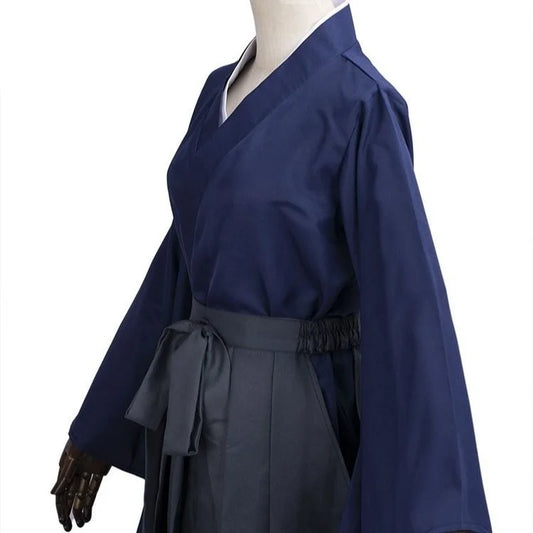
For the budget-conscious, the fashion-forward, or anyone prioritizing durability and low maintenance, modern alternatives like polyester and rayon blends present excellent value. They allow you to enjoy the distinctive silhouette and artistry of a kimono without the higher cost or strict care regimens of natural fibers, making them perfect for streetwear or frequent use. Remember that the beauty of kimonos lies in their adaptability. By understanding the characteristics of each fabric, you empower yourself to make a choice that not only looks stunning but also feels right, enhancing your personal connection to this magnificent garment.
Discover Your Ideal Kimono
Whether you're drawn to the classic elegance of silk, the casual comfort of cotton, or the modern appeal of synthetic blends, our curated collection has a kimono fabric for every preference. Find the perfect drape, color, and texture to express your unique style.
View Japanese Kimono Collection →FAQ
The most traditional and revered fabric for kimonos is silk. For centuries, silk has been the material of choice for formal, ceremonial, and high-status kimonos due to its luxurious sheen, exquisite drape, and exceptional ability to hold intricate dyes and weaves. Different types of silk, such as chirimen (crepe), habutae (smooth), and tsumugi (spun silk), are used depending on the desired texture, formality, and design. While other natural fibers like hemp and cotton have also been used traditionally for more casual wear, silk remains the quintessential fabric for classic Japanese kimonos.
Generally, cotton kimonos are not considered appropriate for formal events. Cotton is primarily used for yukata, which are casual summer kimonos, or for relaxed, everyday wear. For formal occasions such as weddings, tea ceremonies, or official gatherings, a silk kimono is the traditional and expected attire. Wearing a cotton kimono to a formal event would be akin to wearing casual summer clothing to a black-tie gala. Always opt for silk, especially a richly decorated one, when attending any formal Japanese event to show proper respect and adherence to tradition.
Modern synthetic kimono fabrics, such as polyester and rayon, can be of very good quality, especially for their intended purposes. While they may not offer the natural breathability or luxurious feel of silk, they excel in durability, wrinkle resistance, color fastness, and ease of care. High-quality synthetic blends can mimic the drape and appearance of natural fibers remarkably well, making them ideal for everyday wear, fashion kimonos, stage costumes, or situations where practicality is paramount. They provide an affordable and low-maintenance option for enjoying the kimono aesthetic without compromising on style or longevity.
Cleaning methods vary significantly by fabric type. For silk kimonos, professional dry cleaning is almost always recommended to preserve the delicate fibers and dyes. Never machine wash silk. Cotton kimonos, especially yukata, can typically be machine-washed on a gentle cycle with cold water and mild detergent; hang dry to prevent shrinkage and fading. Polyester kimonos are generally machine washable in cold water and can be tumble dried on low. Rayon kimonos often require hand washing or a delicate machine cycle and should be air-dried flat or hung carefully to prevent stretching or damage. Always check the specific care label on your kimono for the most accurate instructions.
The primary difference in fabric between a kimono and a yukata is formality and material. A kimono, especially for formal occasions, is traditionally made from silk, chosen for its luxurious drape, sheen, and intricate patterns. These are often lined and worn with multiple layers. A yukata, on the other hand, is a much more casual, unlined summer garment almost exclusively made from cotton (or sometimes linen or synthetic blends). Cotton yukata are prized for their breathability, absorbency, and comfort in warm weather, making them suitable for festivals, hot springs, or relaxing at home, rather than formal events.
Yes, the kimono world is increasingly exploring sustainable fabric options. This includes using organic cotton, which is grown with fewer environmental impacts, and looking into more ethical and sustainable silk production methods. Innovative materials like Tencel (lyocell) and bamboo rayon, derived from renewable resources and processed with eco-friendly methods, are also gaining popularity for their soft feel and good drape. Additionally, the practice of repurposing and upcycling vintage kimono fabrics contributes significantly to sustainability, giving beautiful antique textiles a new life in modern designs and reducing waste.
Tags:
Previous
Embracing Your Silhouette: A Guide to Kimono for Different Body Types in the US
Next
Kimono Color Guide: Choosing the Right Shade for Your Skin Tone