Kimono Seasons: Mastering Style Transitions from Spring to Winter
Modern Kimono Fashion & Styling
Kimono Seasons: Mastering Style Transitions from Spring to Winter
⚡ Réponse rapide
Mastering kimono seasons involves choosing appropriate fabrics, patterns, and layering techniques for Spring, Summer, Fall, and Winter. Light, breathable cottons and vibrant florals suit warmer months, while luxurious silks, wool blends, and deeper hues provide warmth and sophistication for colder seasons, ensuring comfort and timeless elegance year-round.
The Timeless Appeal of Seasonal Kimono
The kimono, a garment steeped in centuries of Japanese tradition, is far more than just clothing; it's a canvas reflecting the beauty and transience of nature. Its design, from intricate patterns to choice of fabric, has historically been a profound nod to the changing seasons. In Japan, wearing a kimono that harmonizes with the time of year isn't merely a fashion statement, but an expression of respect for nature and a deep cultural appreciation for the present moment. This philosophy, once confined to traditional Japanese attire, now inspires modern fashion enthusiasts worldwide, seeking to imbue their wardrobes with similar seasonal mindfulness. Understanding how to adapt your kimono style for Spring, Summer, Fall & Winter allows you to embrace this rich heritage while staying comfortable and chic.
As we navigate the contemporary fashion landscape, the kimono's versatility truly shines. It's no longer just for formal ceremonies or special occasions; modern interpretations invite us to integrate these beautiful garments into our daily lives. Whether you're looking for a lightweight layer for a breezy summer evening or a sumptuous silk piece for a crisp autumn day, the principles of seasonal kimono styling remain relevant. This guide will walk you through the essential considerations for each season, helping you select the perfect kimono to complement not just the weather, but also the unique mood and aesthetic of every part of the year.
From the delicate bloom of cherry blossoms to the silent fall of snow, each season offers distinct opportunities for expression through kimono. We'll delve into the ideal fabrics, color palettes, and patterns that define each period, ensuring your kimono choice is always in perfect harmony with the world around you. Get ready to transform your understanding of this iconic garment and discover how to make it a central, vibrant part of your year-round wardrobe. Explore our diverse range of Japanese Kimono to begin your seasonal style journey.
Embrace the 'Shiki no Bi'
The Japanese concept of 'Shiki no Bi' – the beauty of the four seasons – is at the heart of kimono design. When choosing a kimono, consider not just the practicalities of the weather, but also the symbolic meaning of patterns and colors. A cherry blossom motif in winter, for example, might be seen as premature, while a maple leaf pattern would feel out of place in spring. Aligning with this philosophy elevates your style beyond mere fashion.
Spring Kimono: Renewal and Delicate Beauty
Spring, known as 'Haru' in Japanese, is a season of rebirth, fresh beginnings, and gentle warmth. For kimono enthusiasts, this translates into a wardrobe reflecting nature's awakening. Think lightweight fabrics that allow for comfortable wear as temperatures rise, yet offer a subtle layer against cooler breezes. Materials like cotton, linen blends, and light silks are perfect choices, providing both breathability and a touch of elegance. The color palette shifts towards pastels: soft pinks reminiscent of cherry blossoms, gentle greens of new leaves, sky blues, and creamy whites.
Patterns are arguably the most distinctive aspect of spring kimonos. Floral motifs dominate, with iconic designs like sakura (cherry blossoms), ume (plum blossoms), wisteria, and peonies taking center stage. These patterns are often depicted in a delicate, airy manner, evoking the freshness of the season. A popular choice is a Floral Kimono featuring a scattering of blossoms, symbolizing hope and renewal. Modern spring styling might involve pairing a pastel kimono cardigan over a simple dress or even using a short kimono as a stylish jacket for outdoor strolls.
Accessories should also echo the light and airy theme. Delicate obis (sashes) in complementary colors, often with subtle embroidery, are ideal. Footwear might transition from heavier boots to lighter sandals or even traditional zori or geta, weather permitting. Spring is the perfect time to experiment with softer silhouettes and embrace the joy of nature's reawakening through your attire. Remember, the goal is to feel as fresh and vibrant as the season itself, making your kimono a celebration of spring's gentle beauty.
Summer Kimono: Lightness, Vibrancy, and Cool Comfort
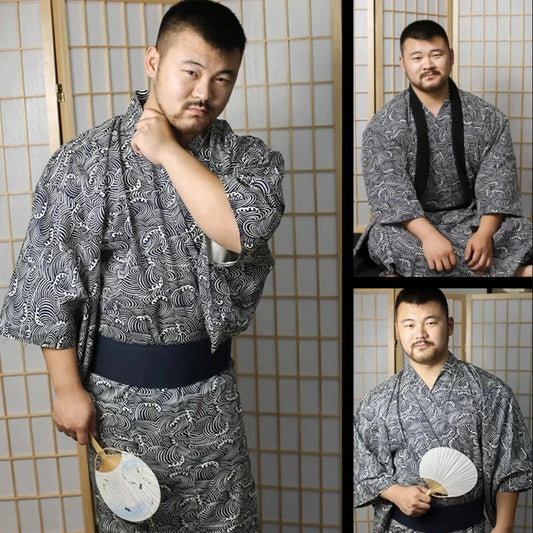
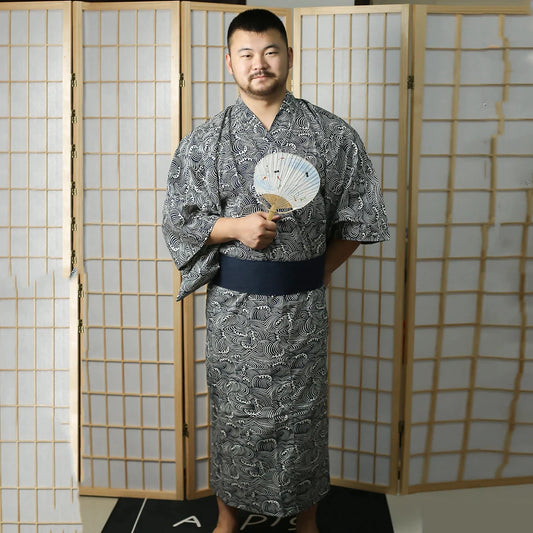
When summer, or 'Natsu,' arrives, the focus shifts entirely to lightness, breathability, and vibrant expression. The quintessential summer kimono is the Yukata, a casual cotton garment designed specifically for warm weather. Yukatas are unlined, making them significantly cooler and more comfortable than traditional lined kimonos. Their relaxed fit and absorbent fabric are perfect for festivals, beach outings, or simply lounging at home. For those seeking a blend of tradition and comfort, a Japanese Yukata is an indispensable part of a summer wardrobe.
Color choices for summer kimonos lean towards bright, bold, and refreshing hues. Deep blues reminiscent of ocean waves, vivid reds, sunny yellows, and crisp whites are popular. Patterns often feature elements associated with cooling and water: waves, fish, dragonflies, fireworks, and morning glories. These designs not only look stunning but also carry symbolic meanings of summer. Modern styling for summer kimonos can include wearing them open over swimwear as a chic cover-up, or pairing a Beach Kimono with shorts and a tank top for a relaxed, bohemian look.
Accessories become crucial for managing summer heat. Lightweight, loosely tied obis or even simple sashes are preferred over heavy, complex bindings. Straw hats, fans (uchiwa or sensu), and comfortable flat sandals or geta complete the ensemble. The goal is to maximize comfort without sacrificing style, allowing you to fully enjoy the long, warm days. Embrace the joyful spirit of summer with kimonos that are as vibrant and refreshing as the season itself.
Fall Kimono: Richness, Warmth, and Earthy Elegance
As 'Aki,' or autumn, unfolds, the world transforms into a canvas of deep, rich colors. This transition is beautifully reflected in fall kimono fashion, where warmth, texture, and sophisticated palettes take precedence. Fabrics shift from light cottons to more substantial materials like silk, wool blends, and heavier cottons, offering increased insulation against the crisp air. The opulent drape of a Silk Kimono is particularly suited for this season, providing both warmth and a luxurious feel.
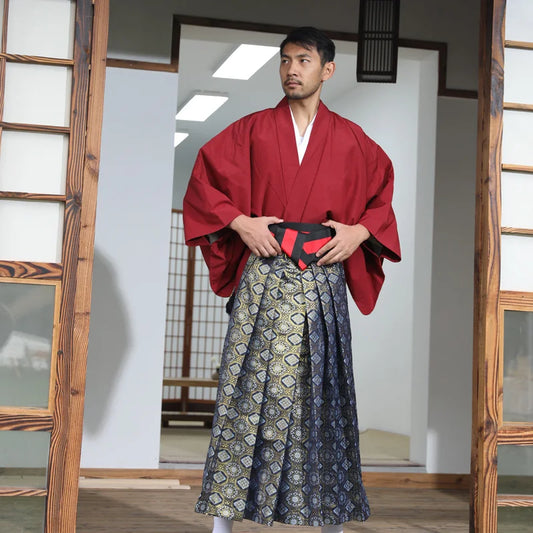
The color spectrum for fall kimonos deepens significantly. Think shades of deep red, burnt orange, golden yellow, forest green, deep purple, and earthy browns. These hues mirror the changing leaves and the harvest season. Patterns move away from delicate florals towards more robust and symbolic motifs. Maple leaves (momiji), chrysanthemums, pampas grass, and geometric patterns are commonly seen. Designs often evoke a sense of maturity and contemplative beauty, celebrating the bounty and transition of the season.
Layering becomes a key element of fall styling. A kimono can be worn over a thin sweater or a long-sleeved top for added warmth. The Haori Jacket, a traditional hip-length kimono jacket, is an excellent addition, providing both style and a practical layer. Accessories like elegant obis in heavier fabrics, perhaps with intricate embroidery, and closed-toe footwear like tabi boots or traditional zori with socks, complete the look. Fall is a time for embracing depth, texture, and the serene beauty of nature's grand finale before winter.
$80
Free Shipping From
10-25
Delivery in Business Days
3 Steps
To Your Ideal Seasonal Kimono
Winter Kimono: Sophistication, Protection, and Layered Grace
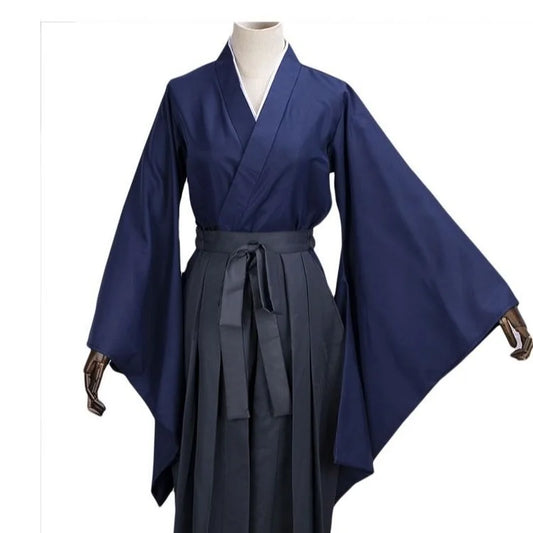
Winter, or 'Fuyu,' demands kimonos that offer both significant warmth and unparalleled elegance. This season showcases the pinnacle of kimono layering and sophisticated fabric choices. Heavy silks, wool, and padded kimonos (tanzen) are the fabrics of choice, designed to provide maximum insulation against the cold. The focus is on luxurious textures and rich, deep colors that exude warmth and refinement. Think of rich blacks, deep blues, regal purples, and sophisticated grays, often accented with gold or silver embroidery for a touch of festive sparkle.
Patterns for winter kimonos often feature motifs associated with resilience, longevity, and purity. Pine trees, bamboo, plum blossoms (which bloom in late winter), snow crystals, and cranes are common. These designs are not only beautiful but also carry profound symbolic meanings within Japanese culture. A traditional, deeply colored Kimonos for Women in silk with an intricate winter motif makes a stunning statement for any formal occasion.
Layering is paramount in winter. Multiple layers of undergarments, a nagajuban (under-kimono), the kimono itself, and often a haori or even a longer coat (dochugi) are worn to combat the cold. A Kimono Cardigan in a thicker knit can also be a stylish and practical outer layer for modern winter wear. Accessories are robust and warm: fur stoles (faux fur for ethical reasons), elegant scarves, and warm tabi socks paired with zori or boots. Winter kimono styling is an art form, emphasizing grace, warmth, and a deep appreciation for enduring beauty in the face of the elements.
Fabric Facts: Silk vs. Cotton
Silk Kimono: Renowned for its luxurious drape, warmth, and vibrant color retention, silk is ideal for cooler seasons and formal events. It breathes well but offers excellent insulation. Requires delicate care. Cotton Kimono (Yukata): Lightweight, breathable, and absorbent, cotton is perfect for summer and casual wear. Easy to wash and maintain, it provides comfort in warmer climates without sacrificing style. Each fabric offers unique benefits tailored to different seasonal needs.
Fabrics, Layers, and Accessories: The Art of Seasonal Adaptation
Beyond specific seasonal patterns and colors, the true mastery of kimono styling lies in understanding the interplay of fabrics, layering, and accessories. These elements are not merely embellishments; they are functional components that allow the kimono to adapt seamlessly to any climate. The choice of fabric is fundamental: from the airy lightness of cotton and linen for summer to the insulating luxury of silk and wool for winter, material dictates comfort and formality. A well-chosen fabric enhances the kimono's aesthetic and its practical utility, ensuring you remain comfortable whether the sun is blazing or snow is falling.
Layering is an ancient art form in kimono dressing, especially crucial for transitional and colder months. It allows for temperature regulation and adds depth and complexity to the overall look. A simple kimono can be transformed by adding a Haori Jacket in contrasting colors or textures, or by wearing a subtle under-kimono. For modern wearers, layering can involve pairing a kimono with Western clothing, such as a long-sleeved top underneath or a stylish coat over the top. This fusion not only provides warmth but also creates unique, personalized styles that bridge traditional and contemporary fashion.
Accessories are the final touch, completing the seasonal transformation. For spring and summer, think light obis, decorative fans, and delicate hair ornaments. In fall and winter, heavier obis, stoles, scarves, and even specific footwear like tabi boots become essential. These items are not just decorative; they serve practical purposes, from providing warmth to fanning oneself in the heat. By thoughtfully selecting fabrics, experimenting with layering, and choosing appropriate accessories, you can ensure your kimono wardrobe is perfectly attuned to every season, reflecting both tradition and personal style.
“A truly beautiful kimono whispers the season, it doesn't shout. It's in the subtle shift of a pattern, the gentle weight of the fabric, the quiet echo of nature's rhythm.”Traditional Kimono Artisan
Modern Adaptations and Styling Tips for Every Season
The beauty of the kimono in the 21st century lies in its incredible adaptability. While traditional rules provide a rich foundation, modern fashion encourages us to interpret and integrate kimonos into our contemporary lifestyles. This means moving beyond strict conventions and exploring creative ways to wear kimonos for various occasions and climates. For spring, a short kimono can be worn open over a T-shirt and jeans, offering a chic, breezy layer for mild days. Think vibrant floral prints or soft pastels to capture the essence of renewal.
Summer calls for maximum versatility and comfort. The Yukata, as mentioned, is perfect for casual outings. Beyond that, consider using a kimono as a swimsuit cover-up for a touch of poolside glamour, or even as a lightweight robe for relaxing at home. Bright, bold patterns and breathable fabrics are key. For fall, transform your kimono into a sophisticated outer layer. A silk kimono can elevate a simple outfit of trousers and a blouse, or be belted to create a more structured silhouette. Experiment with deep jewel tones and rich textures to complement the autumn landscape.
Winter styling offers opportunities for luxurious layering. A kimono can be worn over a fitted turtleneck and leggings, providing both warmth and a unique fashion statement. Don't shy away from incorporating a kimono into your holiday party attire, choosing richer fabrics like brocade or velvet for a festive touch. The key to modern kimono styling across all seasons is to treat it as a versatile wardrobe staple rather than just a ceremonial garment. Mix and match with your existing clothes, experiment with belting, and embrace the freedom to express your personal style while honoring the kimono's timeless elegance.
Your Seasonal Kimono Checklist
- Spring: Lightweight cotton/linen, pastel colors, cherry blossom/wisteria motifs.
- Summer: Yukata (cotton), bold colors, wave/firework/dragonfly patterns.
- Fall: Silk/wool blends, deep earth tones, maple leaf/chrysanthemum designs.
- Winter: Heavy silk/wool, rich dark colors, pine/bamboo/snow crystal motifs.
- Year-Round: Consider a versatile Kimono Cardigan for easy layering in any season.
Embracing the Kimono Year-Round: Your Seasonal Wardrobe
The journey through kimono seasons reveals a garment of incredible depth and adaptability, capable of expressing the unique beauty of every part of the year. From the delicate promise of spring to the vibrant energy of summer, the rich tapestry of fall, and the serene elegance of winter, the kimono transitions effortlessly, reflecting nature's cycle with grace and style. By understanding the nuances of fabric, color, pattern, and layering, you unlock the full potential of this iconic attire, making it a truly year-round staple in your wardrobe.
Building a seasonal kimono collection doesn't require an extensive wardrobe, but rather a thoughtful selection of versatile pieces. A few key items can be styled in myriad ways to suit different temperatures and occasions. Consider investing in a high-quality Japanese Kimono that can be layered for cooler months or worn unlined for warmer days, depending on its fabric. A classic Yukata is a must-have for summer, while a luxurious silk piece offers timeless elegance for formal fall and winter events. Don't forget the power of accessories – a simple change of obi or addition of a haori can completely transform a look.
Ultimately, embracing the kimono year-round is about more than just fashion; it's about connecting with a rich cultural heritage and expressing a mindful appreciation for the changing seasons. It's about choosing garments that not only look beautiful but also feel right for the moment, bringing comfort, confidence, and a touch of timeless artistry to your everyday life. So, step into the world of seasonal kimono, experiment with your style, and let the beauty of each season inspire your unique fashion journey.
Ready to Embrace the Seasons?
Discover our exquisite collection of Japanese kimonos, perfect for every season and style. Find your next seasonal statement piece today!
Voir la collection →FAQ
For summer kimonos, lightweight and breathable fabrics are essential to stay cool and comfortable. Cotton is by far the most popular choice, particularly for Yukatas, which are unlined and designed specifically for warmer weather. Linen and linen blends also offer excellent breathability and a crisp feel. Some very light silks can be suitable for evening wear, providing a luxurious drape without excessive warmth. The goal is to maximize airflow and moisture absorption, making natural fibers the top recommendation for summer.
Kimono patterns are deeply symbolic and change significantly with the seasons. Spring features delicate florals like cherry blossoms (sakura), plum blossoms (ume), and wisteria. Summer often showcases motifs related to water, cooling, and vitality, such as waves, fish, dragonflies, and morning glories. Fall embraces the harvest and changing leaves with patterns like maple leaves (momiji), chrysanthemums, and pampas grass. Winter themes include resilience and purity, often depicting pine trees, bamboo, plum blossoms (as they bloom in late winter), and snow crystals. These patterns are chosen to reflect the natural beauty and mood of each season.
Absolutely! The kimono's versatility makes it a fantastic addition to modern Western wardrobes. Many contemporary designers and fashion enthusiasts incorporate kimonos as stylish outerwear, like a lightweight jacket or a chic cardigan. They can be worn open over jeans and a T-shirt, belted over a dress, or even styled as a elegant robe for loungewear. The key is to choose fabrics and patterns that complement your existing wardrobe and personal style. Don't hesitate to experiment with different lengths, from short kimonos to full-length designs, to find what works best for you and the occasion.
Layering is crucial for warmth and style in winter. Traditionally, multiple layers of undergarments (like hadajuban and nagajuban) are worn beneath the main kimono. For modern wear, you can adapt this by wearing thermal tops or thin sweaters under your kimono. A traditional haori jacket or a heavier kimono cardigan can be worn over the main kimono for an additional layer of warmth and elegance. Combining different textures and complementary colors in your layers adds depth to your winter ensemble. Don't forget warm tabi socks and closed-toe footwear to complete the look.
Yes, traditional kimono aesthetics strongly associate specific color palettes with each season. Spring favors soft pastels like pinks, light greens, and sky blues, reflecting new growth. Summer embraces bright, vibrant colors such as deep blues, reds, and yellows, often with refreshing white accents. Fall transitions to rich, earthy tones like burnt orange, deep red, golden yellow, and forest green, mirroring autumn leaves. Winter typically features deeper, more subdued colors like black, deep purple, navy, and dark greens, often with metallic accents for sophistication. These color choices enhance the seasonal harmony of the garment.
Proper care is vital for preserving the beauty and longevity of your kimonos. Silk kimonos often require professional dry cleaning, especially those with intricate embroidery or delicate dyes. Cotton kimonos, like Yukatas, are generally more robust and can often be hand-washed in cold water with a gentle detergent, then air-dried away from direct sunlight to prevent fading. Always check the care label provided with your specific kimono. Store kimonos flat or hung on padded hangers in a cool, dry place, ideally in a breathable garment bag, to protect them from dust and pests. Avoid prolonged exposure to direct sunlight to prevent color degradation.
Tags:
Previous
Obi Belts & Accessories: Mastering the Art of Traditional Kimono Styling
Next
Embracing Your Silhouette: A Guide to Kimono for Different Body Types in the US