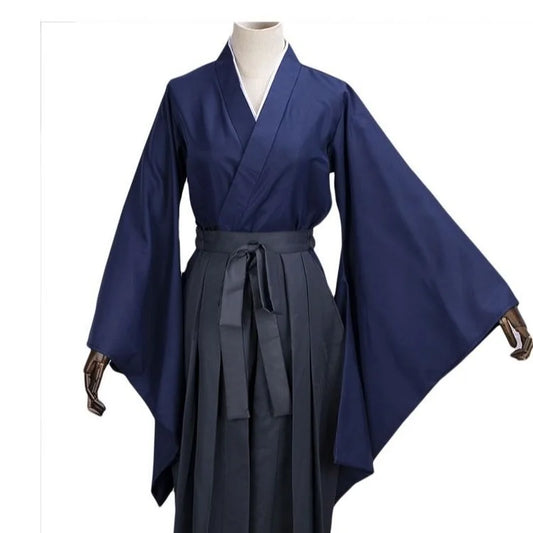
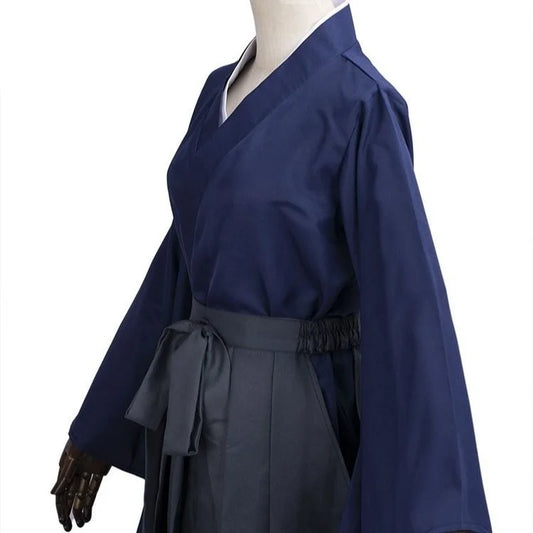
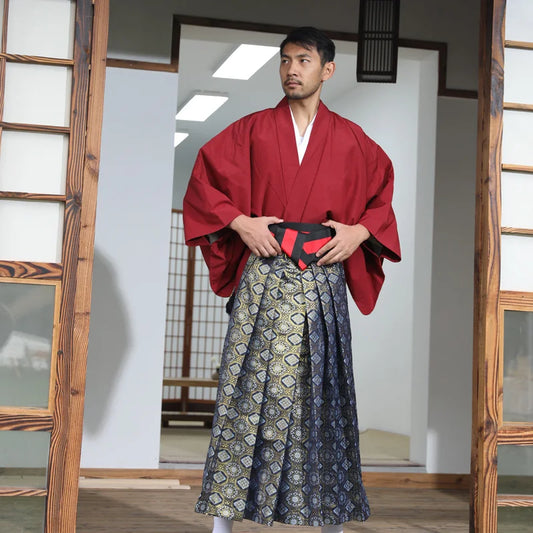
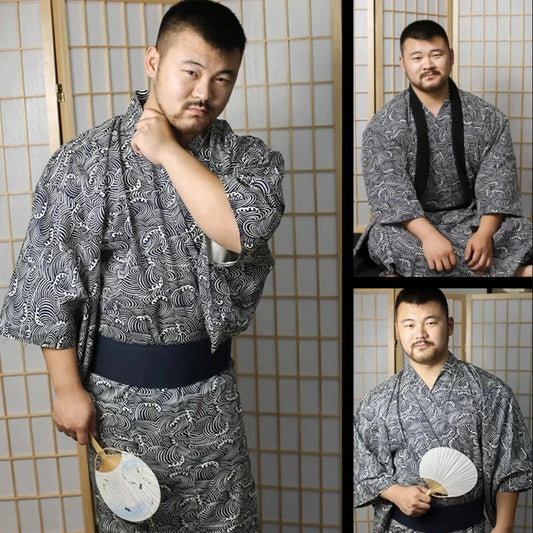
Kimono Pricing Guide: Budget, Mid-Range & Luxury Options in the US
NOUVEAU SILO: Kimono Shopping & Care
Kimono Pricing Guide: Budget, Mid-Range & Luxury Options in the US
⚡ Réponse rapide
The price of a kimono in the US varies significantly, ranging from under $80 for budget-friendly synthetic or cotton blends, to $150-$500 for quality mid-range options like authentic yukata and silk blends, and upwards of $500 for luxurious, traditional, hand-crafted silk kimonos. Factors like material, craftsmanship, and origin are key determinants.
Introduction: Decoding Kimono Costs in the US
Kimono, with its rich history and timeless elegance, has captured hearts across the United States. From casual loungewear to breathtaking wedding attire, these garments offer a unique blend of comfort and cultural artistry. However, for many newcomers, the pricing can seem like a mystery. Why does one kimono cost less than a casual dinner, while another demands an investment comparable to a designer handbag? The answer lies in a fascinating interplay of tradition, material science, and meticulous craftsmanship. In this comprehensive guide, we'll demystify kimono pricing in the US, helping you understand what influences the cost and how to find the perfect piece that aligns with your budget and desires.
Navigating the world of kimonos means understanding that "kimono" is a broad term encompassing many styles, materials, and levels of formality. Just as a dress can range from a simple cotton sundress to an haute couture gown, a kimono's price reflects its inherent value, the labor involved in its creation, and its intended purpose. Our goal here is to provide clarity, offering concrete examples and expert insights into the budget, mid-range, and luxury segments of the US kimono market. By the end, you'll be equipped with the knowledge to make an informed purchase, whether you're seeking an everyday comfort piece or a stunning heirloom.
Understanding the factors that influence kimono costs is crucial for making a smart purchase. These elements include the type of fabric used, the complexity of its design, whether it's hand-sewn or machine-made, and its origin. A kimono made from exquisite hand-dyed silk by an artisan in Kyoto will naturally command a higher price than a mass-produced polyester robe. We'll explore these nuances, giving you the confidence to distinguish between options and appreciate the true value behind each garment. Let's embark on this journey to uncover the beautiful spectrum of kimono pricing.
Budget-Friendly Kimonos: Style on a Shoestring (Under $80-$150)
For those looking to embrace the kimono aesthetic without a significant investment, the budget-friendly category offers a wealth of stylish and accessible options. These kimonos typically range from under $80 to about $150, making them perfect for casual wear, lounging, or experimenting with the style. The primary factor keeping prices low in this segment is the material. You'll often find these garments made from synthetic fabrics like polyester, comfortable cotton blends, or rayon, which mimic the drape of silk without the associated cost. These materials are generally easier to care for, often machine washable, adding to their appeal for everyday use.
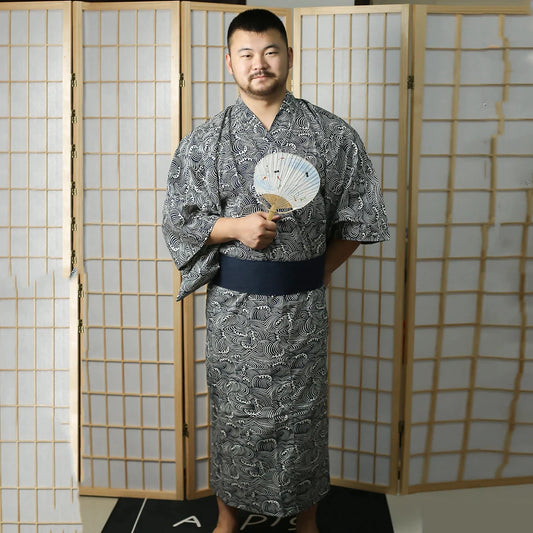
Within this price range, you'll encounter a variety of styles tailored for modern sensibilities. Japanese yukata, traditionally worn during summer festivals or as bathrobes in ryokan, are a fantastic entry point. Made from breathable cotton, they offer comfort and authentic Japanese flair at an approachable price. Other popular choices include casual kimono cardigans, which are essentially open-front robes designed to be worn over everyday outfits, and luxurious-feeling kimono bathrobes, perfect for relaxing at home. Shorter kimonos or those with simpler, printed designs also fall into this category, providing versatility for various occasions.
While the appeal of budget kimonos lies in their affordability, it's important to manage expectations regarding authenticity and longevity. These pieces are often mass-produced, potentially lacking the intricate details or the generational durability of more expensive, traditional garments. However, that doesn't mean they lack quality altogether. Many online retailers and specialty shops offer well-made budget options that are both comfortable and visually appealing. The key is to look for reputable sellers and pay attention to fabric composition and stitching quality. They are an excellent way to dip your toes into the world of kimonos and enjoy their unique style without breaking the bank.
Spotting Value in Budget Kimonos
When shopping for budget-friendly kimonos, focus on the fabric's feel and drape. Even synthetic materials can feel soft and flow well. Check the stitching for consistency and loose threads. Opt for classic patterns or solid colors, as they often look more sophisticated than overly busy or trendy prints. A good budget kimono should feel comfortable and look good, even if it's not a silk masterpiece.
Mid-Range Kimonos: Quality, Versatility & Value ($150-$500)
Stepping into the mid-range category, typically priced between $150 and $500, opens up a world where quality, versatility, and value beautifully converge. This segment is ideal for those seeking a more substantial kimono experience than budget options provide, without the significant investment required for high-end traditional pieces. Here, you'll find a noticeable upgrade in materials, craftsmanship, and overall design. Expect to see higher-quality cottons, fine linens, and increasingly, luxurious silk blends or even basic, machine-woven silks that offer a glimpse into the classic kimono feel. These fabrics provide a better drape, feel more substantial, and often boast enhanced durability.
The craftsmanship in mid-range kimonos also sees a significant leap. While still largely machine-produced, the attention to detail in stitching, seam finishes, and pattern alignment is much more refined. Designs become more intricate, often featuring beautiful printed motifs that mimic traditional hand-painted styles, or even subtle, machine-embroidered accents. This category includes more authentic Japanese yukata made with premium cotton, perfect for cultural events or sophisticated summer wear. You'll also find elegant kimonos for women suitable for semi-formal occasions, and versatile Haori jackets that can elevate both casual and dressier outfits.
Mid-range kimonos strike an excellent balance, offering a blend of aesthetic appeal, comfortable wear, and reasonable longevity. They are often chosen by individuals who appreciate cultural authenticity and desire a piece that feels special, perhaps for a themed party, a photo shoot, or simply to add a touch of sophisticated leisure to their wardrobe. Many shoppers find this price point to be the sweet spot, providing access to genuine Japanese designs and materials without the prohibitive cost of artisan-crafted pieces. When you invest in a mid-range kimono, you're investing in a garment that offers both beauty and a tangible connection to Japanese artistry.
75%
of shoppers prefer quality over lowest price
10-25
business days for tracked delivery
$80+
for free shipping on most orders
Luxury & Traditional Kimonos: Investment in Artistry ($500+)
At the pinnacle of kimono pricing in the US, the luxury and traditional category represents an investment in unparalleled artistry, historical significance, and exquisite materials. Priced from $500 upwards, and often reaching several thousands of dollars, these kimonos are not merely garments but wearable works of art. This segment is dominated by premium silks – chirimen with its distinctive crêpe texture, tsumugi known for its rustic beauty, and rinzu, a damask weave with subtle patterns. Each silk type offers a unique feel and visual depth, contributing significantly to the garment's value. The designs are often hand-painted using labor-intensive techniques like Yuzen dyeing, or meticulously hand-embroidered with intricate motifs that tell stories or symbolize good fortune.
Craftsmanship in luxury kimonos is a testament to generations of skill and dedication. These pieces are typically hand-sewn, a process that ensures a perfect drape and enhances the garment's longevity. Many are custom-fitted, a true luxury that provides an impeccable silhouette. This category includes formal traditional kimonos such as furisode (long-sleeved for unmarried women), tomesode (crested for married women), and homongi (visiting wear), often acquired for significant life events like weddings, coming-of-age ceremonies, or high-profile cultural gatherings. Vintage and antique kimonos, some dating back decades or even centuries, also fall into this range, cherished by collectors for their historical value and unique beauty.
Purchasing a luxury or traditional kimono is akin to acquiring a fine piece of art. It's an investment that offers not only profound aesthetic pleasure but also a tangible connection to Japanese culture and heritage. These kimonos require specialized care, often professional dry cleaning, to preserve their delicate fabrics and intricate designs. While the initial cost is substantial, the durability, timeless elegance, and potential for these pieces to become cherished family heirlooms make them a worthwhile consideration for discerning buyers. They are not just clothing; they are stories woven in silk, passed down through time.
"A true kimono is a living canvas. Its value isn't just in the silk, but in the hands that dyed it, the needle that stitched it, and the spirit it carries."Traditional Kimono Artisan
Understanding Silk: The Heart of Luxury Kimono Pricing
Silk is not monolithic. The type of silk significantly impacts the kimono's price and character. Chirimen silk (crêpe weave) is prized for its soft texture and ability to hold dye beautifully. Tsumugi silk, often made from hand-spun yarns, has a slightly rougher, more rustic feel and is incredibly durable. Rinzu silk features subtle woven patterns, giving it a luxurious sheen. Beyond the weave, the dyeing technique (e.g., Kyo-Yuzen, Edo Komon) and whether it's machine-printed or hand-painted also play a massive role in the final cost.
Factors Influencing Kimono Price: A Deeper Dive
Understanding the specific elements that contribute to a kimono's price tag is key to appreciating its value and making an informed purchase. Beyond the broad categories, several granular factors dictate where a kimono sits on the pricing spectrum.
Material Quality and Type: This is arguably the most significant determinant.
- Synthetics (Polyester, Rayon): Most affordable, easy to care for, good for casual wear.
- Cotton/Linen: Mid-range, breathable, comfortable, traditional for yukata. Quality of cotton (e.g., combed, organic) can increase price.
- Silk Blends: Offer some of silk's luxurious feel at a lower cost than pure silk.
- Pure Silk: The most expensive. Price varies greatly by silk type (chirimen, tsumugi, rinzu), weight, and weave complexity. Hand-spun silk fetches higher prices.
Craftsmanship and Production Method: The labor involved is a critical cost driver.
- Machine-made/Mass-produced: Most budget and many mid-range kimonos. Efficient production keeps costs down.
- Hand-finished/Semi-handmade: Often seen in mid-range. Machine-sewn but with significant hand finishing, such as collar attachment or lining.
- Hand-dyed/Hand-painted: Techniques like Yuzen dyeing are incredibly labor-intensive, requiring multiple steps and highly skilled artisans. This dramatically increases value.
- Hand-embroidered: Intricate embroidery adds immense value and time to production.
- Hand-sewn: Traditional method for luxury kimonos, ensuring perfect drape and longevity.
Origin and Authenticity: Where and how a kimono is made matters.
- Made in Japan by artisans: Highest value due to cultural heritage, traditional techniques, and often higher labor costs.
- Made in Japan (mass-produced): Still holds value for authenticity, but less expensive than artisan-made.
- Made outside Japan: Can offer excellent value in budget and mid-range, but may not carry the same "authentic" cachet for purists.
Condition and Age (for pre-owned/vintage):
- New: Standard pricing based on production cost.
- Pre-owned/Vintage: Can range from very affordable (for minor flaws) to extremely expensive (rare, pristine antique pieces). The rarity, condition, and historical significance drive the price.
- Antique: Often considered collector's items, their value can soar depending on age, artistic merit, and preservation.
Included Accessories: A kimono is often part of a set.
- While the core article focuses on the kimono itself, remember that a complete traditional ensemble includes an obi (sash), juban (undergarment), zori (sandals), and other accessories. These can add hundreds, even thousands, of dollars to the total cost. When comparing prices, ensure you know exactly what is included.
| Factor | Budget Kimono (Example) | Mid-Range Kimono (Example) | Luxury Kimono (Example) |
|---|---|---|---|
| Material | Polyester, Cotton blend | Higher-quality Cotton, Linen, Silk blend | Premium Silk (Chirimen, Tsumugi) |
| Craftsmanship | Machine-made, basic prints | Machine-sewn, refined prints, some machine embroidery | Hand-dyed (Yuzen), hand-embroidered, hand-sewn |
| Origin | Often mass-produced outside Japan | Often made in Japan (mass-produced) or quality imported | Made in Japan by traditional artisans |
| Durability/Care | Good for casual use, often machine washable | Good longevity, often hand wash or gentle cycle | Heirloom quality, dry clean only (specialist) |
| Typical Use | Loungewear, casual fashion, bathrobes | Summer festivals (Yukata), semi-formal events, stylish outerwear | Weddings, formal ceremonies, cultural events, collector's item |
Navigating the US Market: Tips for Smart Kimono Shopping
The US market for kimonos is diverse and expanding, offering everything from fast-fashion interpretations to exquisite artisan pieces. With so many choices, it can feel overwhelming to find the perfect kimono at the right price. Here are some expert tips to guide your shopping journey and ensure you make a purchase you'll cherish.
1. Define Your Purpose: Before you even start browsing, ask yourself: Why do I want a kimono? Is it for casual lounging at home (perhaps a comfortable kimono bathrobe)? A stylish outer layer for everyday wear (like a kimono cardigan)? A special outfit for a themed event or festival (a vibrant Japanese yukata)? Or are you looking for a formal, traditional garment for a significant occasion or as an investment piece? Your purpose will largely dictate the appropriate price range and style.
2. Set a Realistic Budget: Based on your purpose and the pricing tiers we've discussed, establish a clear budget. This will help you filter options and avoid overspending or disappointment. Remember that good quality doesn't always mean the highest price, and sometimes a higher initial investment can save money in the long run due to durability.
3. Research Retailers Thoroughly: The online landscape offers numerous options. Look for retailers with clear product descriptions, transparent return policies, and positive customer reviews. For mid-range and luxury kimonos, seek out sellers who provide details on material origin, dyeing techniques, and craftsmanship. Be wary of deals that seem too good to be true, especially for silk kimonos. Our own collection of kimonos offers a diverse range with detailed descriptions to help you choose.
4. Understand Sizing and Fit: Traditional Japanese kimonos have a unique sizing system, often designed to be adjustable to various body types by folding (ohashori). Modern, Western-style kimonos or robes typically follow standard US sizing. Always check the retailer's specific size chart and measurements, especially for length and sleeve drop, as these can significantly impact the overall look and comfort.
5. Factor in Care and Maintenance: The ongoing care requirements are an important, often overlooked, aspect of kimono ownership. Budget-friendly synthetics or cottons are usually machine washable. However, silk kimonos, especially those with delicate dyes or embroidery, often require professional dry cleaning, which adds to the long-term cost of ownership. Consider if you're willing to commit to specialized care for a luxury piece.
The Art of Preservation: Maximizing Your Kimono's Lifespan
Regardless of its price point, proper care will extend your kimono's life and beauty. For silk, avoid direct sunlight, store in a breathable garment bag, and consult a specialist dry cleaner. For cotton or synthetics, follow washing instructions diligently, and consider air-drying to maintain fabric integrity. A well-cared-for kimono, even a budget one, can bring joy for years.
Is a High-Priced Kimono Always Worth It?
The question of whether a high-priced kimono is "worth it" is deeply personal and depends entirely on an individual's priorities, values, and intended use. For some, the idea of spending hundreds or even thousands of dollars on a single garment might seem extravagant. For others, it's a justifiable investment in art, culture, and enduring beauty. Let's explore the value proposition beyond the simple cost.
A luxury kimono, especially a traditional, hand-crafted silk piece, offers an unparalleled experience. It's not just clothing; it's a piece of history, a cultural artifact, and a testament to generations of artisanal skill. The intricate hand-dyeing, the meticulous stitching, the luxurious feel of premium silk – these are qualities that cannot be replicated by mass production. Such a kimono often becomes an heirloom, passed down through families, carrying stories and memories within its folds. For those who value cultural authenticity, exceptional craftsmanship, and the unique beauty of wearable art, the investment is absolutely worthwhile. It’s an item that brings profound joy and appreciation every time it’s worn or even simply admired.
Conversely, for someone seeking a casual, stylish cover-up for a beach vacation or a comfortable robe for home, a high-end traditional kimono would be an impractical and unnecessary expense. In these scenarios, a budget-friendly or mid-range option offers superior utility and value. A beach kimono made from light, quick-drying fabric, for instance, serves its purpose perfectly without the need for delicate care or a hefty price tag.
The "worth" of a kimono, therefore, extends beyond its monetary value. It encompasses emotional connection, cultural significance, and practical utility. When considering a splurge, ask yourself about the longevity you desire, the cultural statement you wish to make, and how much you appreciate the intricate details of traditional artistry. A well-chosen kimono, whether budget or luxury, enriches your wardrobe and your life, but the definition of "worth it" is uniquely yours.
Conclusion: Finding Your Perfect Kimono at the Right Price
Navigating the diverse landscape of kimono pricing in the US doesn't have to be daunting. By understanding the key factors – materials, craftsmanship, origin, and intended use – you can confidently explore options across the budget, mid-range, and luxury tiers. Whether you're drawn to the casual comfort of a cotton yukata, the versatile elegance of a silk blend kimono, or the profound artistry of a hand-dyed traditional silk garment, there's a perfect kimono waiting for you.
Remember, the "right" price isn't just about the dollar amount; it's about the value you perceive and the joy the kimono brings. A budget-friendly piece can be wonderfully satisfying for everyday wear, offering a touch of exotic flair. A mid-range kimono provides an excellent balance of quality and affordability, suitable for more special occasions or as a foundational piece in your wardrobe. And a luxury kimono is an investment in unparalleled beauty and cultural heritage, a true wearable art form that can be cherished for generations.
We encourage you to explore our extensive collection, where you'll find a curated selection across all price points, each chosen for its quality and unique appeal. Take your time, consider your needs, and allow yourself to be captivated by the timeless charm of the kimono. Your perfect piece is more accessible than you think.
Ready to Find Your Dream Kimono?
Discover our exquisite collection of kimonos, ranging from everyday comfort to luxurious traditional designs. Quality, style, and authenticity await.
Voir la collection →FAQ
Generally, a yukata is significantly less expensive than a traditional kimono. Yukata are informal garments, typically made from cotton or synthetic blends, designed for summer wear, festivals, or as bathrobes. Their simpler construction and materials keep costs down, often placing them in the budget to lower mid-range categories. Traditional kimonos, on the other hand, are typically made from silk, require intricate craftsmanship, are worn for formal occasions, and come with a higher price tag, ranging from mid-range to luxury, reflecting their status as elaborate ceremonial attire. This difference in material and purpose is the primary driver of the price gap.
Finding a truly authentic, new traditional silk kimono for under $100 in the US is extremely rare, if not impossible, due to material and craftsmanship costs. However, you can certainly find authentic Japanese yukata (a type of informal kimono) made from cotton or good quality cotton blends within this budget. You might also find pre-owned or vintage kimonos, potentially with minor flaws, in this price range. For a new, fully authentic silk kimono, you should expect to pay several hundred dollars minimum. Always check descriptions carefully for material and origin.
The price variability of vintage kimonos depends on several factors: age, condition, material, craftsmanship, and historical significance. A vintage kimono from a renowned artisan, made of pristine hand-dyed silk, or one with a rare pattern, can fetch a very high price. Conversely, a vintage kimono made from a common material, showing significant wear, fading, or damage, will be much more affordable. Collectors seek out well-preserved, unique pieces, driving up their value, while others are simply looking for fabric to repurpose or a costume piece, lowering demand for perfection.
Owning a silk kimono, especially a traditional one, involves long-term care costs. The primary expense is professional dry cleaning. Silk kimonos require specialized cleaning methods to protect their delicate fibers and dyes, which can be more costly than standard dry cleaning. Additionally, proper storage is crucial: using breathable garment bags, avoiding direct sunlight, and ensuring adequate ventilation to prevent moisture damage or insect infestation. While these costs add up over time, they are essential for preserving the beauty and longevity of your investment piece.
Yes, it is increasingly possible to rent kimonos for special occasions in various major US cities, particularly those with significant Japanese cultural centers or communities. Rental services often cater to events like weddings, photo shoots, or cultural festivals, offering a range from simpler yukata to elaborate formal kimonos like furisode or tomesode. Renting can be a cost-effective alternative to purchasing a high-end kimono, especially if you only need it for a single event. Prices vary based on the kimono's formality, material, and the rental duration, but it's a great way to experience traditional attire.
The "Made in Japan" label generally commands a higher price for kimonos. This is due to several factors: the higher cost of labor in Japan, the use of traditional techniques passed down through generations, and often, the superior quality of materials sourced within Japan. For many consumers, a "Made in Japan" label signifies authenticity, cultural heritage, and a commitment to meticulous craftsmanship. While kimonos produced elsewhere can still be beautiful and well-made, those originating from Japan, particularly from established artisans, are typically positioned at the higher end of the mid-range to luxury spectrum.
Tags:
Previous
Linen and Lightweight Fabric Kimonos: Eco-Friendly Summer Styles
Next
Cropped and Waist-Tied Kimonos: The Silhouette Evolution