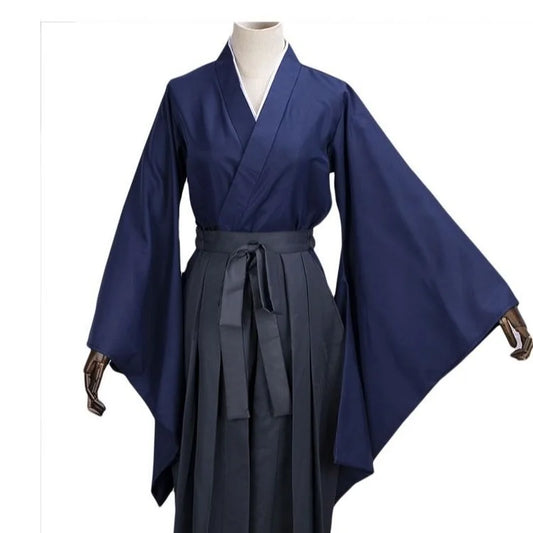
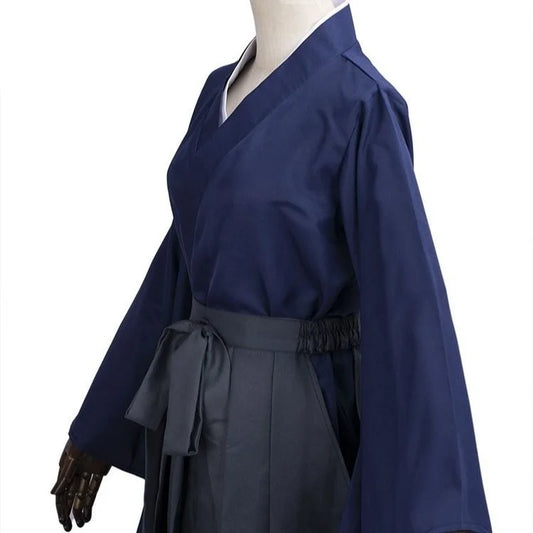
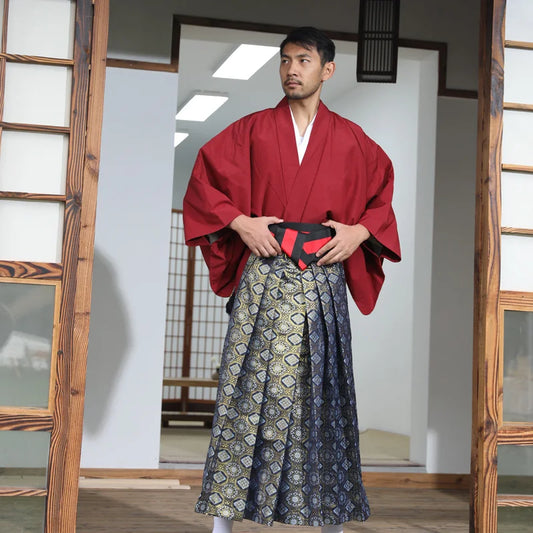
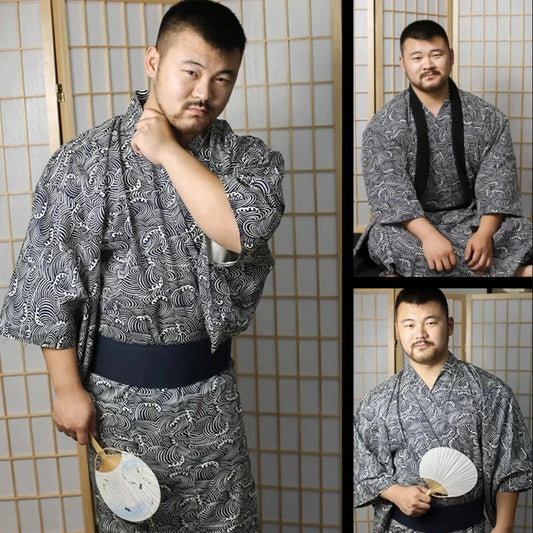
Traditional Kimono & Cultural Appreciation
Kimono History: From Ancient Japan to Modern Western Fashion
⚡ Réponse rapide
The kimono's history spans over a millennium, evolving from simple ancient garments in Japan to a sophisticated symbol of culture, art, and identity. Its journey extends beyond traditional Japanese wear, influencing modern Western fashion designers and becoming a cherished global icon, appreciated for its elegance, craftsmanship, and timeless appeal across diverse styles and occasions in the United States and worldwide.
Introduction: The Kimono's Enduring Allure
Few garments command as much respect, admiration, and global fascination as the Japanese kimono. More than just a piece of clothing, the kimono is a living tapestry woven with centuries of history, culture, and exquisite artistry. From its humble beginnings as a practical everyday garment in ancient Japan, it has transcended its original purpose to become a symbol of national identity, a canvas for intricate designs, and, increasingly, a celebrated item in modern Western fashion. Its journey is a testament to its timeless elegance and remarkable adaptability, making it a compelling subject for anyone interested in fashion, history, or cultural appreciation.
In the United States, the kimono has found a diverse audience, ranging from collectors of traditional Japanese attire to fashion enthusiasts embracing its unique silhouette and comfort. This widespread appeal highlights a growing desire to connect with global cultures through their most iconic expressions. Understanding the kimono's evolution – how it transformed from a practical robe to a highly stylized art form, and then navigated the complexities of modernization to emerge as a global fashion staple – offers profound insights into Japanese society, its aesthetic principles, and its interaction with the broader world. It’s a story of continuity and change, tradition and innovation, all encapsulated within the folds of this magnificent garment.
This comprehensive exploration will take you on a captivating journey through the kimono's storied past, tracing its origins from the earliest forms of Japanese dress, through its golden age as the primary attire of a nation, and finally to its dynamic presence on international runways and in contemporary wardrobes across the Western world. We'll delve into the cultural nuances that shaped its designs, the historical shifts that influenced its usage, and the diverse ways it is appreciated and interpreted today, ensuring a deep and concrete understanding of its enduring legacy. Prepare to be enchanted by the rich narrative of the kimono, a garment that continues to inspire and captivate.
Ancient Roots: The Birth of Japanese Garments
The story of the kimono begins long before it adopted its familiar name and form. Early Japanese clothing, influenced heavily by ancient Chinese attire like the Hanfu, typically featured simple, straight-line cut robes. During the Nara Period (710-794 AD), garments known as *kosode* (meaning 'small sleeves') were primarily worn as undergarments. These early versions were relatively simple, designed for ease of movement and practicality, laying the foundational design principles that would eventually define the kimono: a straight-line cut, a wrap-around style, and wide sleeves. This period marked the initial steps in adapting foreign influences into a distinctively Japanese aesthetic, focusing on comfort and a flowing silhouette.
The Heian Period (794-1185 AD) ushered in a significant era of aesthetic refinement and cultural introspection, leading to the development of the *juni-hitoe* (literally 'twelve-layer robe'). This elaborate, multi-layered ensemble, worn by court nobles, became a powerful symbol of status and artistic expression. While the *juni-hitoe* itself was far more complex than the modern kimono, it fostered a deep appreciation for layering, color coordination, and intricate textile patterns – principles that would later be distilled and reinterpreted in the kimono. The Heian court's pursuit of beauty and subtle elegance laid the groundwork for the highly sophisticated visual language that the kimono would eventually embody, moving beyond mere functionality to become a form of wearable art.
It was during the Muromachi Period (1336-1573 AD) that the *kosode* truly began its transformation into what we recognize as the precursor to the modern kimono. By this time, the *kosode* shed its undergarment status and evolved into outerwear, worn by people from all social strata. Its straight-line cut made it easy to sew, using standard widths of fabric, which was practical for a society where textiles were precious. This period saw the standardization of the basic kimono form – a T-shaped, straight-lined robe with a collar and wide sleeves, secured with a sash. This simplicity, combined with the increasing sophistication of textile production and dyeing techniques, allowed the kimono to become a versatile garment that could be adapted through various patterns, fabrics, and decorative elements to signify status, season, and personal taste.
The Edo Period: Kimono's Golden Age
The Edo Period (1603-1868) is widely regarded as the golden age of the kimono, a time when it truly flourished as the undisputed national dress of Japan and reached unparalleled heights of artistic expression and social significance. With a stable and peaceful society under the Tokugawa shogunate, fashion became a powerful means of displaying wealth, status, and personal style for everyone from samurai and merchants to courtesans and kabuki actors. Sumptuary laws, intended to control extravagance, paradoxically spurred immense creativity, as people found innovative ways to express luxury through hidden patterns, elaborate linings, and sophisticated dyeing techniques rather than overt displays of forbidden fabrics.
During this era, the kimono became a canvas for extraordinary textile artistry. Techniques like *Yuzen dyeing*, which allows for incredibly intricate, multi-colored designs, were perfected, enabling artisans to create breathtaking scenes of nature, mythology, and daily life directly onto the silk fabric. Family crests (*kamon*) adorned formal kimonos, signifying lineage and social standing, while seasonal motifs and literary references added layers of meaning and beauty. The rise of *ukiyo-e* (woodblock prints) during this period further cemented the kimono's central role in popular culture, depicting contemporary fashion trends, famous actors, and beautiful women (bijin) adorned in the latest kimono styles, influencing and reflecting societal tastes.
The Art of Yuzen Dyeing
Yuzen dyeing is a traditional Japanese resist-dyeing technique developed during the Edo period, renowned for its intricate, vibrant, and detailed designs. It involves applying rice paste as a resist to outline patterns before hand-painting dyes onto silk. This meticulous process allows for complex, multi-colored imagery, often depicting natural scenes, literary motifs, or auspicious symbols. A single Yuzen kimono can take months to complete, a testament to the artisan's skill and patience, making each piece a unique work of art highly prized today in the United States and globally.
The variety of kimono styles and materials expanded significantly. Silk remained the most prestigious fabric for formal wear, showcasing the unparalleled skill of weavers and dyers. However, cotton and hemp kimonos became prevalent for everyday wear, particularly among commoners, offering comfort and durability. Specific kimono types emerged for different occasions, seasons, and social roles, from the formal *furisode* with its long, swinging sleeves worn by unmarried women, to the more subdued *tomesode* for married women. The cost of a truly exquisite Edo-period kimono could be astronomical, reflecting the immense labor and rare materials involved. Even today, antique kimonos from this period are highly sought after by collectors in the United States, valued for their historical significance and artistic merit.

“A kimono is not merely fabric; it is a narrative. Each thread, each dye, each fold tells a story of generations of craftsmanship, embodying the spirit of its maker and the cultural heritage it represents.”
Traditional Kimono Artisan
Meiji Restoration & Western Influence: A Shift in Style
The Meiji Restoration (1868-1912) marked a pivotal turning point in Japanese history, with profound implications for the kimono. As Japan rapidly modernized and opened its borders to the West after centuries of isolation, there was a concerted effort to adopt Western technologies, political systems, and cultural practices. This era saw a dramatic shift in official dress codes; Western clothing was actively promoted for government officials, military personnel, and public figures as a symbol of modernity and international standing. Emperor Meiji himself famously adopted Western attire, setting a powerful precedent for the nation.
Consequently, the kimono began to recede from its position as the universal daily wear. While it remained a staple for women and for informal occasions, its role in public and professional life diminished significantly. This period of rapid Westernization led to a decline in demand for traditional kimono artisans and weavers, as factories producing Western-style garments gained prominence. However, it also sparked a new appreciation for the kimono as a distinct marker of Japanese identity, even as its everyday usage waned. It transformed from an ordinary garment into a symbol of national heritage and cultural pride, to be worn for special events and traditional ceremonies.
Mostly
worn for special occasions today
3
main categories of traditional kimono
$80
Free shipping on orders over $80 in the US
During the Meiji era, the kimono also made its first significant appearances on the global stage. Japanese art and culture, including kimonos, were showcased at international expositions in Europe and the United States, captivating Western audiences with their exotic beauty and intricate craftsmanship. This initial exposure began to lay the groundwork for the kimono's future influence on Western fashion, sparking curiosity and admiration for Japanese aesthetics. While Japan was embracing Western modernity, the West, in turn, was beginning to appreciate the timeless artistry of Japanese tradition, setting the stage for a cross-cultural exchange that continues to this day. This dual movement underscores the kimono's enduring power as a cultural ambassador, transcending geographical and stylistic boundaries.
The Kimono in the 20th Century: Adaptation and Revival
The 20th century presented a complex narrative for the kimono, marked by periods of decline, adaptation, and eventual revival. Following the Meiji Restoration, the two World Wars and the subsequent post-war occupation brought further Westernization to Japan. Western clothing became even more ubiquitous, seen as practical, convenient, and a symbol of modernity in a rapidly changing world. For a time, wearing a kimono daily became less common, particularly in urban areas, relegated primarily to formal occasions, cultural festivals, or as cherished heirlooms.
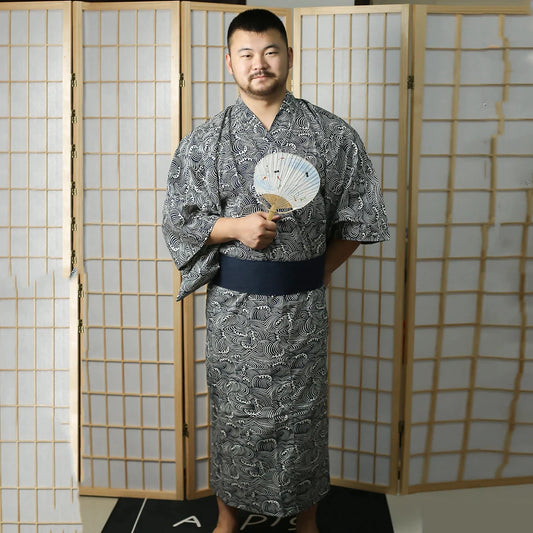
However, the latter half of the century witnessed a renewed appreciation for Japanese heritage and traditional arts. As Japan's economy boomed and national pride solidified, there was a conscious effort to preserve and celebrate cultural elements like the kimono. This led to a resurgence of interest, not just in the traditional silk kimonos for ceremonies like weddings (Wedding Kimono) or coming-of-age rituals, but also in more casual, accessible forms. The *yukata*, a lightweight cotton kimono, became immensely popular for summer festivals, hot spring resorts, and casual wear, offering a comfortable and stylish alternative to heavier traditional kimonos. You can explore a variety of these casual styles in our Yukata and Japanese Yukata collections, including options for Male Yukata and Yukata Women.
This period also saw the kimono become an increasingly sought-after item by tourists visiting Japan, eager to experience and take home a piece of its rich culture. The image of geisha and maiko, adorned in exquisitely elaborate kimonos, captivated imaginations worldwide, further cementing the garment's status as an icon of Japanese elegance. In Japan itself, contemporary designers began to experiment with kimono fabrics, patterns, and silhouettes, creating modern interpretations that blended traditional craftsmanship with contemporary fashion sensibilities. This era of adaptation ensured the kimono remained relevant, demonstrating its ability to evolve while retaining its core identity, bridging the gap between historical significance and modern lifestyle demands, even for those interested in Children's Kimono.

Western Embrace: Kimono as Global Fashion Icon
By the late 20th and early 21st centuries, the kimono had firmly established itself as a global fashion icon, captivating designers, celebrities, and fashion enthusiasts across the Western world. Its unique silhouette, flowing lines, and often vibrant patterns offered a refreshing alternative to conventional Western attire. High fashion designers such as John Galliano, Alexander McQueen, and Jean Paul Gaultier frequently drew inspiration from the kimono, incorporating its wide sleeves, wrap-around style, and luxurious fabrics into their collections. These adaptations ranged from subtle nods to dramatic, avant-garde interpretations, showcasing the kimono's versatility and timeless appeal on international runways.
Beyond the haute couture world, the kimono's influence seeped into mainstream fashion, inspiring everything from luxurious loungewear to casual outerwear. The kimono cardigan, a simplified, open-front version, became a popular wardrobe staple, offering an easy way to add a touch of bohemian elegance or effortless chic to an outfit. Similarly, the kimono jacket emerged as a versatile layering piece, perfect for both casual and semi-formal settings. Brands and designers in the United States began to produce garments inspired by the kimono, offering a diverse range of styles from flowing Kimonos for Women to stylish Kimono Cardigan options and even edgy Streetwear Kimono designs.
Navigating Cultural Appropriation vs. Appreciation
As the kimono gains global popularity, it's crucial to distinguish between cultural appropriation and appreciation. Appreciation involves respectful engagement with a culture, understanding the historical and symbolic significance of the garment, and ideally, supporting authentic artisans. Appropriation, conversely, often trivializes or misrepresents cultural elements for commercial gain without understanding or respecting their origins. When purchasing a kimono or kimono-inspired item, seeking out products from Japanese designers or ethically sourced items ensures a more respectful interaction with this rich cultural heritage, contributing positively to its legacy in the United States.
This global embrace, however, has also sparked important conversations about cultural appropriation versus appreciation. While many designers and wearers genuinely admire and respect the kimono's heritage, instances of misunderstanding or commercial exploitation have raised concerns. The key lies in approaching the kimono with respect, acknowledging its origins, understanding its cultural significance, and ideally, supporting authentic Japanese craftsmanship or designers who collaborate respectfully with Japanese traditions. The kimono, in its modern Western forms, serves as a powerful reminder of fashion's capacity to connect cultures, provided that connection is forged with understanding, respect, and a genuine desire to learn.

Modern Kimono: Styles, Materials, and Occasions Today
Today, the kimono landscape is incredibly diverse, blending centuries of tradition with contemporary innovation to offer a range of styles, materials, and uses for a global audience. While the traditional silk kimono remains the epitome of formal elegance for weddings, tea ceremonies, and other significant events, its modern counterparts have expanded its accessibility and versatility. The lightweight cotton *yukata*, for instance, continues to be a summer favorite, perfect for casual outings, festivals, and relaxing at home, embodying a more laid-back Japanese aesthetic. Similarly, the *haori jacket*, a traditional hip- or thigh-length kimono jacket, has become a popular layering piece in Western fashion, adding an effortlessly stylish touch to everyday outfits. Discover these versatile options in our Haori Jacket collection.
Materials for modern kimonos now extend far beyond traditional silk and cotton. While luxurious Silk Kimono remain highly coveted for their drape and sheen, contemporary kimonos are also crafted from durable polyester, which offers easy care and vibrant, long-lasting colors, making them ideal for daily wear or travel. Rayon and blends provide a comfortable, flowing feel, mimicking silk at a more accessible price point. This diversity in materials allows for a wider range of price points and practical uses, ensuring there’s a kimono for almost any occasion and budget, reflecting its growing popularity in the United States market.
The occasions for wearing a kimono have also broadened significantly. Beyond traditional Japanese festivals and ceremonies, kimonos are now embraced as stylish outerwear, elegant loungewear, and even as unique elements in Western wardrobes. You can find everything from a comfortable Kimono Bathrobe for home to a chic Kimono Dress for a night out. Our collections cater to diverse needs, including Plus Size Kimono, Men's Kimono, and even specialized items like Kimono BJJ, showcasing the breadth of the kimono's modern applications. Whether you're seeking a statement piece or a subtle nod to Japanese aesthetics, the modern kimono offers endless possibilities for personal expression.
- Consider the Occasion: Formal silk for events, cotton yukata for summer, short kimono for casual wear.
- Choose Your Material: Silk for luxury, cotton for comfort, polyester for durability and ease of care.
- Explore the Style: Full-length traditional, short kimono, kimono cardigan, or a kimono jacket.
- Check for Authenticity: Understand the difference between genuine traditional kimonos and inspired designs.
- Prioritize Comfort: Ensure the fit and fabric suit your personal comfort and climate.
Caring for Your Kimono: Preserving a Piece of History
Owning a kimono, whether a cherished antique or a contemporary piece, comes with the responsibility of proper care to ensure its longevity and preserve its beauty. Unlike typical Western garments, traditional kimonos, especially those made of delicate silk, require specific handling and cleaning methods. Historically, kimonos were meticulously disassembled, washed in individual panels, and then reassembled – a labor-intensive process known as *arai-hari*. While this traditional method is still practiced by specialized artisans in Japan, modern care for valuable silk kimonos often involves professional dry cleaning by experts familiar with delicate fabrics and intricate dyes. Always consult the care label or seek professional advice to avoid damage.
For modern kimonos made from more resilient materials like cotton, rayon, or polyester, care can be simpler, but attention to detail is still key. Many contemporary Japanese Kimono or Short Kimono styles can be hand-washed in cold water with a mild detergent, or even machine-washed on a delicate cycle in a mesh laundry bag to protect embellishments. Always air-dry kimonos away from direct sunlight to prevent fading and maintain fabric integrity. Proper storage is also crucial; kimonos should be folded carefully along their seams and stored flat or hung on a padded hanger in a breathable garment bag, protecting them from dust, moths, and creasing. Avoid storing them in plastic, which can trap moisture and damage the fabric over time.
Essential Kimono Care Tips
To preserve your kimono's beauty and heritage:
- Professional Cleaning for Silk: Always opt for a specialized dry cleaner experienced with kimonos.
- Gentle Hand Wash for Cotton/Synthetics: Use cold water and mild detergent for less delicate fabrics.
- Air Dry: Hang to dry away from direct sunlight to prevent fading and shrinkage.
- Proper Folding: Fold along existing creases to minimize new wrinkles and stress on the fabric.
- Breathable Storage: Store in a cotton garment bag in a dry, dark place to protect from dust and pests.
Caring for a kimono is more than just maintenance; it's an act of respect for its cultural significance and the artistry embedded within it. Each time you carefully fold or clean your kimono, you are participating in a tradition of preservation that honors generations of Japanese craftsmanship. This mindful approach to care deepens your connection to the garment, transforming it from a mere item of clothing into a treasured artifact that tells a story of history, beauty, and cultural appreciation. By taking the time to properly care for your kimono, you ensure that this piece of wearable art can continue to be enjoyed and admired for many years to come, whether it's a traditional Black Kimono or a vibrant Floral Kimono.
The Future of Kimono: Tradition Meets Innovation
The journey of the kimono is far from over. As we look to the future, the kimono continues to evolve, bridging the gap between its profound historical roots and the demands of a rapidly changing global society. One significant trend is the growing emphasis on sustainability within the fashion industry. Kimono production, traditionally using natural fibers and designed for longevity and repair, inherently aligns with sustainable practices. There's a renewed focus on natural dyes, ethical sourcing of materials, and upcycling vintage kimonos, transforming them into new garments or accessories. This eco-conscious approach ensures that the kimono's legacy is not only preserved but also adapted for a more sustainable future, appealing to environmentally aware consumers in the United States.
Digital influence also plays a crucial role in the kimono's ongoing evolution. Online platforms have made kimonos and kimono-inspired fashion more accessible to a global audience than ever before. Social media, fashion blogs, and e-commerce sites allow designers to showcase innovative interpretations, while enthusiasts can share styling tips, historical knowledge, and connect with a worldwide community. This digital presence fosters new generations of kimono lovers, from those who appreciate its traditional elegance to cosplayers creating elaborate Anime Kimono outfits, demonstrating the garment's broad appeal and adaptability across diverse subcultures.
Ultimately, the future of the kimono lies in its ability to remain a dynamic canvas for artistic expression and cultural exchange. It continues to inspire fusion styles, where traditional patterns meet modern silhouettes, and ancient techniques are applied to contemporary fabrics. From avant-garde runway pieces to comfortable everyday wear, the kimono’s versatility ensures its enduring relevance. It serves as a powerful symbol of cultural diplomacy, fostering understanding and appreciation between Japan and the rest of the world. As it continues to inspire, adapt, and transform, the kimono remains a testament to the timeless beauty and profound cultural significance of Japanese artistry, a garment that promises to captivate hearts and minds for centuries to come.

Discover Your Own Piece of Kimono History
Explore our exquisite collection of Japanese kimonos, from traditional designs to modern interpretations. Find the perfect kimono to express your style and appreciate its rich heritage.
Voir la collection →FAQ
The primary difference lies in formality, material, and occasion. A kimono is typically a formal garment, often made of silk, worn year-round for special events, and requires multiple layers and an obi sash. A yukata, on the other hand, is a casual summer garment, usually made of cotton or synthetic fabrics, worn for festivals, hot springs, or as loungewear. It's lighter, unlined, and tied with a simpler sash. Both represent elements of Japanese traditional dress, but for very different contexts, with yukata offering a more relaxed experience for Western wearers in the United States.
Wearing a traditional kimono is a multi-step process. First, an undergarment (juban) is worn. The kimono is then wrapped around the body, left over right (never right over left, which is for funerals), ensuring the collar sits neatly at the nape of the neck. It's secured with several ties (koshihimo) and smoothed to create a clean line. Finally, an obi (sash) is tied elaborately around the waist, often requiring assistance or specialized knowledge. This intricate dressing reflects centuries of tradition and artistry, a skill often taught in specialized schools in Japan and appreciated by enthusiasts in the US.
Kimono patterns and colors are deeply symbolic, conveying messages about the wearer's age, marital status, season, and occasion. For example, cherry blossoms signify spring and new beginnings, cranes represent longevity, and pine trees symbolize endurance. Brighter colors and elaborate designs are typically for younger, unmarried women, while married women wear more subdued hues and patterns. Seasonal motifs ensure harmony with nature, and specific patterns can even denote family crests (kamon). Understanding these symbols enriches the appreciation of kimono history and design for Western audiences.
Absolutely! While traditional kimonos are mostly reserved for special occasions in Japan, kimono-inspired garments have become popular in Western daily fashion. Kimono cardigans, jackets, and robes are widely worn as stylish outerwear, loungewear, or statement pieces. When wearing a traditional kimono in a Western context, it's essential to do so respectfully, understanding its cultural significance. Many modern interpretations offer the elegant silhouette and comfort of a kimono in a way that seamlessly integrates into contemporary wardrobes in the United States, promoting cultural appreciation.
Finding authentic Japanese kimonos in the United States is increasingly accessible. Specialized online retailers, like our store, often source directly from Japan, offering a range of traditional, vintage, and modern kimonos, yukatas, and haoris. You can also explore Japanese cultural centers, festivals, and some antique shops in major cities, which may carry genuine pieces. When purchasing, look for details on origin, material (e.g., silk, cotton), and craftsmanship. Prioritizing reputable sellers ensures you acquire a high-quality, culturally accurate piece that reflects true kimono history.
The kimono has profoundly influenced Western fashion designers since its introduction to the West. Its distinctive T-shaped silhouette, wide sleeves, and wrap-around style have inspired countless collections, from haute couture to ready-to-wear. Designers are often drawn to its fluid lines, luxurious fabrics, and the artistry of its patterns. Elements like the obi sash, the layering of fabrics, and the graceful drape have been reinterpreted in dresses, coats, and accessories, demonstrating the kimono's enduring appeal as a source of elegant, timeless design that transcends cultural boundaries and continues to inspire fashion trends in the United States and globally.
Tags:
Previous
Cropped and Waist-Tied Kimonos: The Silhouette Evolution
Next
Best Kimono Brands in the US: Where to Buy Authentic & Affordable Kimonos