Kimono vs Yukata
和
Japanese Culture Guide
Kimono vs Yukata —
What's the Difference? [2025]
The complete comparison — fabric, formality, occasions, and which one to buy.
Free Shipping $100+ Ships from US 10-Day Returns 4.8/5 · 2,000+ Customers
Secure Checkout
Fast US Delivery (10–25 days)
Easy 10-Day Returns
Japanese-Inspired Designs
The key differences: a kimono is formal, silk-made, multi-layered — for ceremonies. A yukata is casual, cotton, single-layer — for summer festivals and hot springs. Yukata are easier to wear, more breathable, and less expensive.
The Key Differences at a Glance
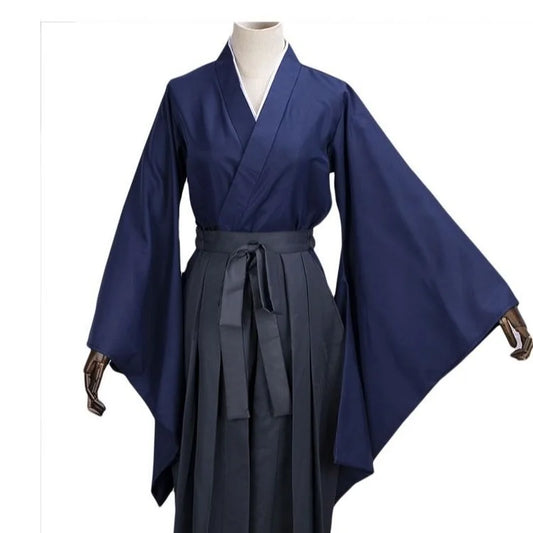
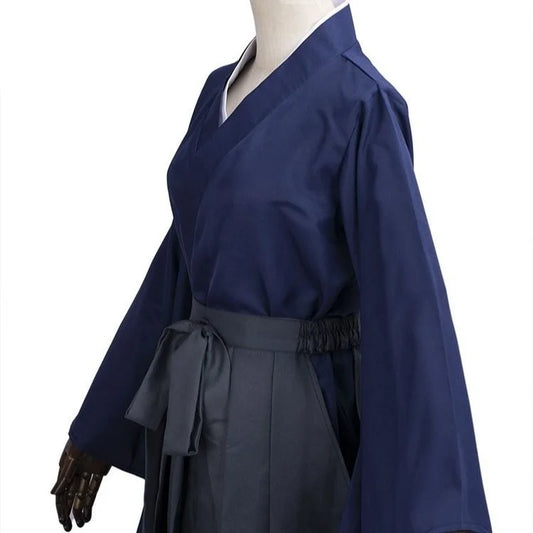
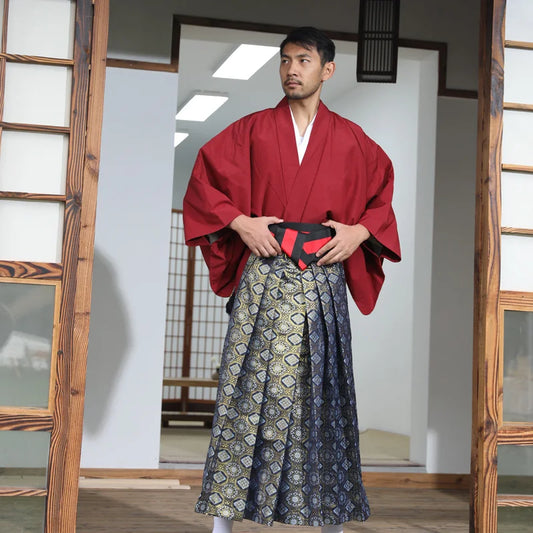
KIMONO: Silk or synthetic · Formal · Multi-layered · Complex to dress · Ceremonies · Year-round · $200–$10,000+
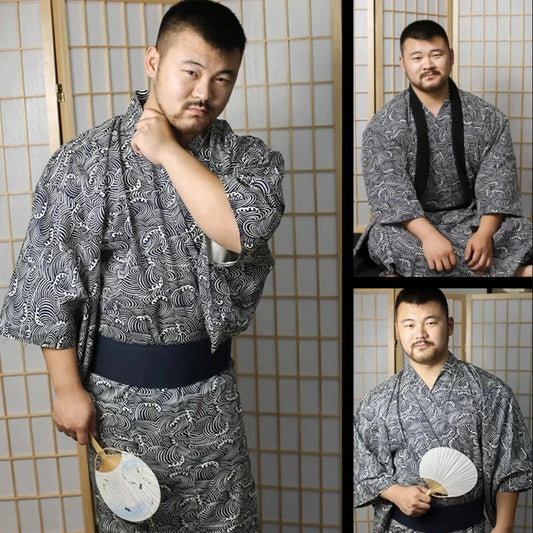
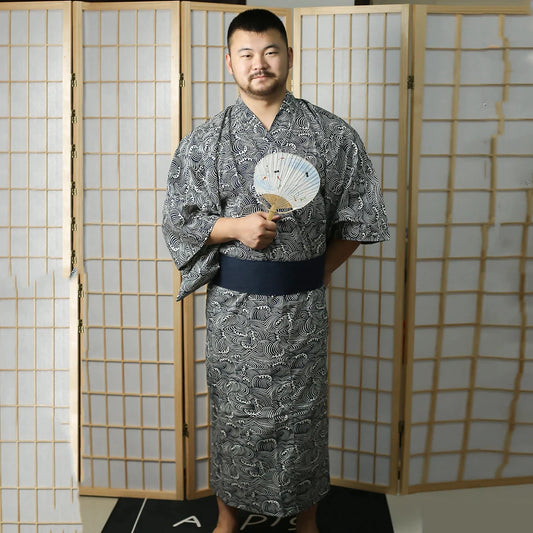
YUKATA: Cotton · Casual · Single layer · Easy to wear · Festivals & hot springs · Summer · $30–$200
Fabric — The Primary Difference
Traditional kimono are made from silk — often hand-painted or woven with elaborate patterns. Yukata are made from lightweight plain-weave cotton — machine washable, breathable in summer heat, and affordable. The cotton construction is precisely why yukata became the garment of summer festivals and hot spring bathing.
When to Wear Each
Kimono Occasions
Weddings · Coming-of-age · Tea ceremonies · New Year · Formal events
Yukata Occasions
Summer festivals (matsuri) · Hot springs (onsen) · Fireworks · Home loungewear · Beach
Which Should You Buy?
- Buy a kimono robe → for luxurious loungewear, a bridal robe, or a fashion statement
- Buy a yukata → for authentic Japanese summer style or a breathable home robe
- Buy a haori jacket → for everyday wearability as a fashion cardigan
Explore Our Collections
Frequently Asked Questions
What is the main difference between a kimono and a yukata?
A kimono is formal, silk-made, multi-layered for ceremonies. A yukata is casual, cotton, single-layer for summer festivals and hot springs. Yukata are easier to wear and more affordable.
Which should I buy — kimono or yukata?
For everyday wear and summer, yukata are ideal. For special occasions, luxury gifts, and bridal robes, a silk kimono robe is the better choice.
Shop authentic Japanese yukata and kimono robes delivered across the US
Shop Now →
Tags: