Kimono, Yukata or Haori? The Difference, Explained
Three Japanese garments, one T-shape, endless confusion. Here’s how to tell a kimono from a yukata from a haori — and which one you actually want.
Quick answer: A kimono is the lined, often silk, formal robe. A yukata is its casual, unlined cotton version made for summer. A haori is the hip-length jacket worn open over either one — or over your own clothes.
The kimono: the original
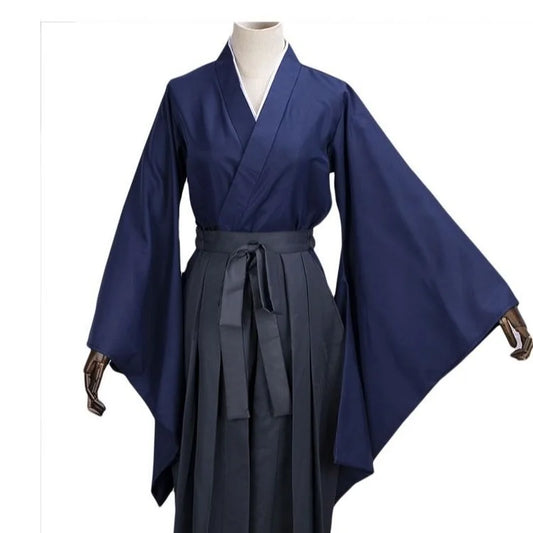
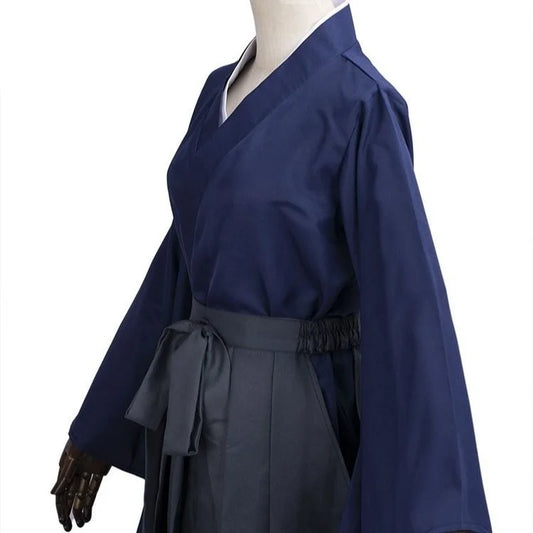
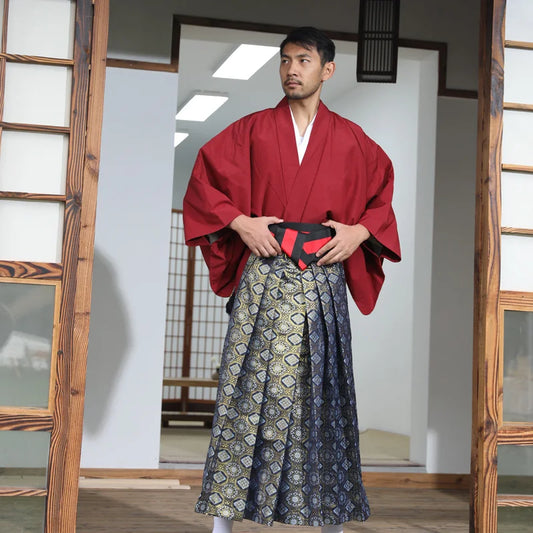
The kimono (着物, literally “the thing worn”) is the garment all the others descend from: a T-shaped robe, wrapped left-over-right and held closed by an obi. It’s usually lined, often silk, and it’s the dressiest of the three — the piece kept for ceremonies, weddings and the days that matter. Browse kimono.
The yukata: the summer cousin
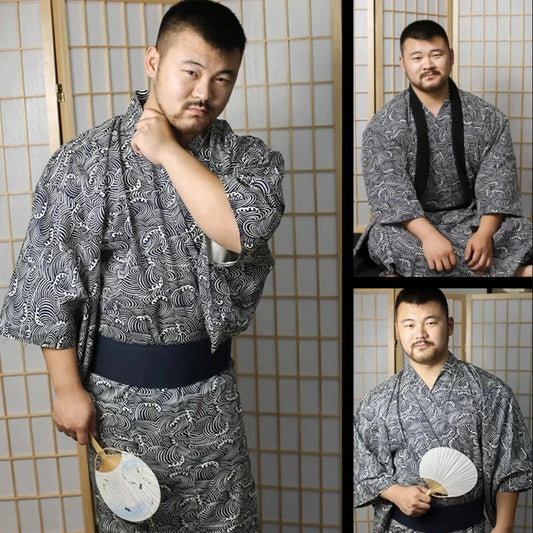
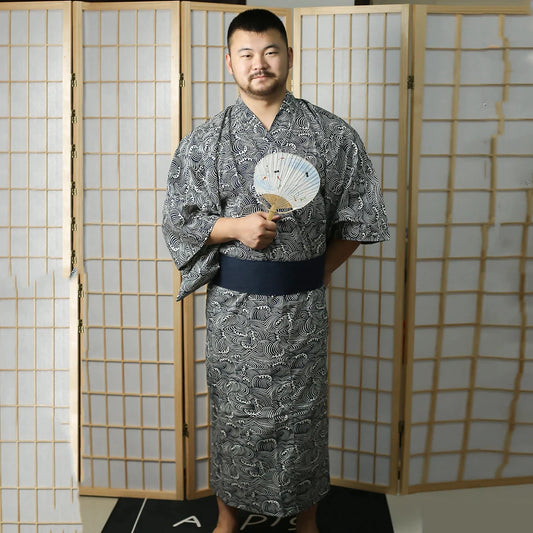
A yukata (浴衣) is a kimono stripped down for heat: unlined, cotton, light. Born as post-bath loungewear, it’s now the go-to for summer festivals and hot days. Same shape as a kimono, but breathable and far more casual — you’ll never see silk here. If you want an easy first piece, start with a yukata.
The haori: the layer
A haori (羽織) isn’t a robe at all — it’s a hip-length jacket worn open, never tied shut. Traditionally layered over a kimono; today, just as happily over a tee, a hoodie or a fit. It’s the easiest way to bring Japanese tradition into clothes you already own, which is exactly why it’s the bridge piece for streetwear kimono. Browse haori.
So which one do you want?
- An occasion or something dressy? A kimono — silk, lined, worn with an obi.
- Summer, a festival, easy everyday? A yukata — cotton, light, forgiving.
- To layer over your normal clothes? A haori — open, hip-length, no rules.
And the honest truth from us: you don’t have to pick a lane. That’s the whole idea behind kasane — layering old and new into one look.
Is a yukata a type of kimono?
Yes — a yukata is a casual, unlined cotton kimono made for summer. All yukata are kimono; not all kimono are yukata.
Can you wear a haori on its own?
Absolutely. A haori is designed to be worn open over whatever you like — a kimono, or a tee and jeans.
Which is easiest for a beginner?
A haori (nothing to tie) or a yukata (light and forgiving). Save the full silk kimono for when you’re ready to wear an obi.
Tags:
Previous
How to Wear a Haori: 7 Ways, for Men & Women
Next
How to Wear a Haori: 7 Ways, for Men & Women