```html
Kimono Sashes: What They Are & How to Tie Them | kimono-kasane.com
Kimono Sashes: What They Are & How to Tie Them
The kimono is a garment of exquisite beauty and deep cultural significance. While the kimono itself is the star, a crucial element that completes the ensemble is the kimono sash, known as the obi. More than just a belt, the obi is a decorative and functional accessory that adds structure, style, and a touch of artistry to your kimono look.
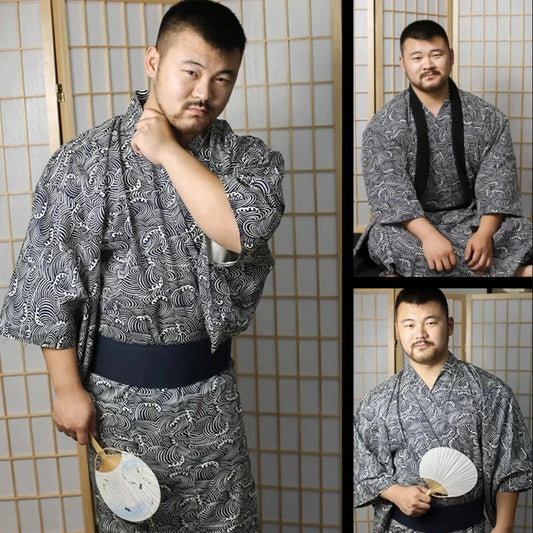
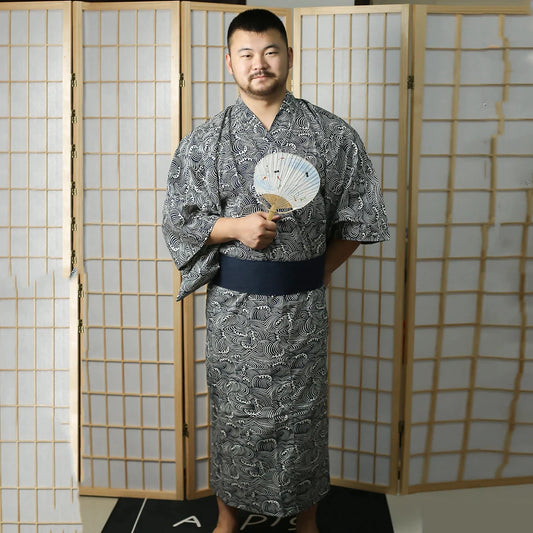
An elegantly tied obi is essential for a complete kimono look.
What is a Kimono Sash (Obi)?
An obi is a long, wide sash worn around the waist of a kimono. Traditionally, it's made from silk and can be intricately patterned and richly colored. The primary function of the obi is to keep the kimono closed and in place. However, its decorative role is equally important. The obi can dramatically change the overall aesthetic of a kimono, from formal to casual, depending on its type, material, and the knot used to tie it.
The width and length of an obi vary, and there are many different types, each suited for specific occasions and kimono styles. Understanding these differences is key to selecting the perfect obi for your needs.
Common Types of Kimono Sashes (Obi)
While there are numerous obi types, here are a few of the most common:
Fukuro Obi: The most formal type, often made of silk, with intricate brocade or embroidery. It's usually lined on one side and unlined on the other, making it lighter. Ideal for formal kimonos like tomesode and houmongi.
Nagoya Obi: A slightly less formal obi, characterized by its pre-tied knot or a simpler construction. It's often made of silk or a blend and is versatile for semi-formal to casual kimonos.
Hanhaba Obi: A half-width obi, making it easier to tie and more casual. It's typically made of cotton or silk and is perfect for everyday kimonos (komon) and yukata.
Tsuke Obi: A pre-tied obi designed for ultimate ease of use. It often comes with Velcro or ties to secure it, making it a great option for beginners.
How to Tie a Simple Kimono Sash (Obi)
Tying an obi can seem daunting, but with practice, it becomes manageable. Here’s a basic guide to tying a simple knot, often referred to as the taiko musubi (drum knot), which is popular for its elegance and versatility.
Wrap the Obi: Start by wrapping the obi around your waist, ensuring the correct side (usually the patterned side) faces outwards. The starting end should be on your right. Wrap it around twice, keeping it snug but comfortable.
Create the Knot Base: Bring the two ends together at your back. Take the shorter end and fold it upwards, creating a loop. This will form the base of your knot.
Form the Drum: Take the longer end and wrap it around the loop you just created, going over the top and then under. This will start to form the "drum" shape.
Secure the Knot: Tuck the end of the longer obi through the front loop you created earlier. Pull both ends to tighten the knot securely. Adjust the shape and tightness as needed.
Final Touches: Ensure the knot is neat and centered. You can use obi accessories like obiage (scarf) and obijime (cord) to further enhance the look and secure the knot.
For visual learners, we highly recommend searching for video tutorials on how to tie specific obi knots. Many resources are available online to guide you step-by-step.
Shop Authentic Kimono Sashes at kimono-kasane.com
A beautiful obi is an investment in your kimono wardrobe. At kimono-kasane.com, we offer a curated selection of authentic Japanese obi, from formal fukuro obi to casual hanhaba obi. Explore our collection and find the perfect kimono sash to elevate your next kimono ensemble. Discover the artistry and tradition of Japanese textiles with us.
We use cookies to enhance your browsing experience, serve personalized ads or content, and analyze our traffic. By clicking "Allow cookies", you consent to our use of cookies. More infor
Thanks for subscribing!
This email has been registered!
Sorry! Products are not enough.
Recipient email can't be blank.
Send on must be within 90 days from now
Thank you for registering! We will notify you by email when it is back in stock.